_1745823981883.webp)

How to Configure a Water Softener and Reverse Osmosis System
To set up a water softener and reverse osmosis system correctly, you need to put the softener before the RO membrane to remove hardness minerals before they cause scaling. After the ro membrane, you should run the RO-purified water through a remineralising or alkaline cartridge to add back in good minerals and make the water taste better. This two-stage setup saves the membrane's life, cuts down on the number of times it needs to be serviced, and provides water that meets standards for both machine safety and drinking quality. For OEM brands, industrial water stations, and boiler owners, the most important thing for long-term system success is getting the setup process right.
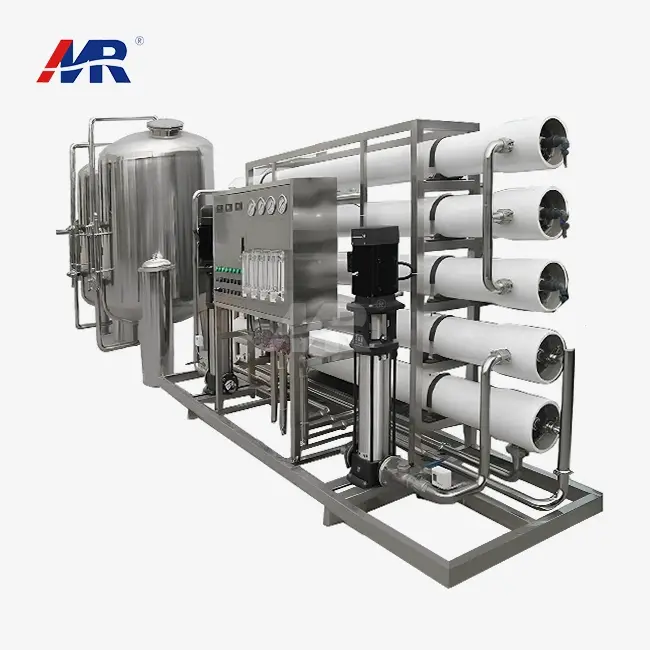
Understanding the Core Functions of Each Technology
What a Water Softener Does
In a water softener, the ion-exchange element trades sodium and potassium ions for calcium and magnesium ions. This keeps lines, stoves, and machines from getting bigger, which makes work easier. Better yet, it makes things easier. That being said, it doesn't get rid of TDS, heavy metals, or microorganisms. If there are more than seven grains of minerals per gallon, the Water Quality Association says the water is hard. When this water goes straight into a RO unit, the membrane gets clogged up more quickly.
What a Reverse Osmosis Membrane Does
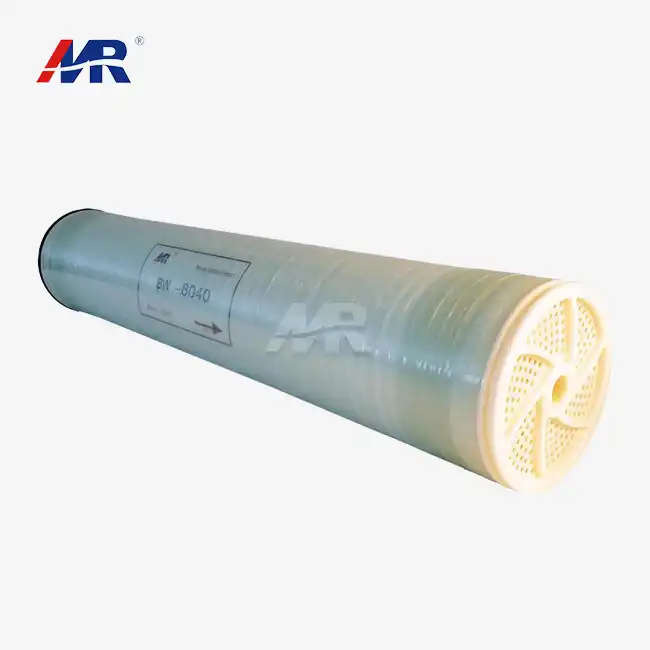
With pores as small as 0.0001 microns, a reverse osmosis membrane can get rid of 99% of harmful water contaminants. Germs, fluoride, nitrates, lead, floating particles, and other things are some of these pollutants. Some people don't like the "flat" taste of RO water, which could be bad for pipes in the long run. Its pH ranges from 5.5 to 6.5.
Why the Post-RO Stage Matters
In this case, an alkaline or remineralising cartridge might be useful. After the RO membrane, there is a mineral-release tablet that has calcite, magnesium oxide, or a new mix of minerals. This shell comes after the RO membrane. This shell comes after the RO membrane. As it raises the pH to 7.0–8.5, it adds magnesium, calcium, and trace electrolytes to the water. This makes water that tastes balanced and has measured total dissolved solids (TDS) levels (usually 50–150 mg/L) that meet WHO mineral standards for swimming pools. This method tells coffee and tea chains apart from places that sell bad coffee all the time. These businesses aren't coffee and tea chains.
Step-by-Step Configuration Guide
Step 1 — Water Testing and Flow-Rate Calculation
First, get the water tested in a lab that is allowed to see how hard it is (in grains per gallon or milligrams per litre as CaCO₃), how much iron is in it, what the pH is, and how many bacteria are in it for your water softener and reverse osmosis system. Then, figure out how many gallons of water are needed every day during the busiest times. It says how big the resin tank is and how much the membrane can hold. It also says how often the cartridge needs to be changed. This is something that most water softeners and reverse osmosis systems don't do because their units are too small and break down after 18 months. Water softener (ion exchange) → carbon pre-filter → RO membrane → storage tank → post-RO remineralizing/alkaline cartridge → UV or final cleaning stage. This is the usual order for a mixed system. When picking out parts for your project, these are the most important things to keep in mind:
Step 2 — Selecting Components and Sequence
How big the softener resin needs to be depends on how much water is used every day and how hard the water is. Setting up a regeneration cycle is important to keep salt from leaving.
- What determines the size of the softener resin is how much water is used every day and how hard the water is. So that sodium doesn't get out, the right regeneration cycle has been set up.
- This is how a RO membrane should be rated: for commercial or OEM use, membranes that are certified by NSF/ANSI 58 and have documented rejection rates and flux data should be chosen.
- If you want to make a remineralising filter, you need to make sure that the mineral mix and release rate match the TDS and pH levels you want at the filter's output. Morui's post-RO mineral packs come in both standard and special forms, and OEM buyers can choose to keep the name of the formula secret or sign a non-disclosure agreement if they want an exclusive formula.
- It's a control button. Runxin automatic control valves, which are sold by Morui, use up to 30% less salt and water than regular timers. Much more efficient recycling systems are built into these valves.
A gas valve is one of them. One brand of automated control valves that Morui sells is Runxin. These valves' recycling systems can be set to use up to 30% less salt and water than regular timers' systems.
Step 3 — Installation and Plumbing Considerations
You should leave at least 12 inches of space above the resin tanks so that you can clean the media. Make sure the brine has its own drain line that is big enough to handle the most recovery flow without any back-pressure. All parts must be put under 80 PSI of pressure before they can be used. To protect the boiler, put in an escape valve that lets you turn off the feed line without the drinking water line.
Maintenance and Long-Term Optimization
Salt and Resin Management
Every 4 to 6 weeks, check the salt level in the brine tank. For less solid growth, use high-purity dissolved salt pellets instead of rock salt. Every year, check the resin beds. Resin that has been damaged by chlorine loses 10 to 15 percent of its exchange capacity, so it needs to be replaced every 8 to 10 years in normal municipal water conditions.
Membrane and Cartridge Replacement Intervals
Most RO membranes in softened-feed systems last between 3 and 5 years. Post-RO mineral filters wear out based on flow volume, not time. Keep track of the gallons that are handled and change them when they reach their manufacturer's recommended capacity. IoT-enabled flow meters, which Morui can build into OEM machine designs, let facility managers know automatically when refills are getting close to the end of their useful life.
Monitoring Water Quality Targets
Put TDS and pH probes directly at the end of your water softener and reverse osmosis system after the RO step. The Specialty Coffee Association's water quality report says that for coffee and tea chain customers, the best extraction results are always achieved with outlet TDS between 75 and 150 mg/L and pH between 7.0 and 7.5. Document readings every three months for regulatory compliance files and source checks.
Evaluating Procurement Options
People in the business-to-business world don't just choose what to buy based on unit price. The real value is based on how much it costs to own, which includes the paperwork for the licence and help after the sale.
Brand Reputation and Certification Requirements
In the US market, any part that comes in contact with water must be certified by NSF/ANSI 42, 44, or 58. Before you choose a provider, find out how much energy they use, get certificates for Products that will be in water, and request test records from a third party. Morui's tools come with all the paperwork you need to keep your compliance file in order.
Purchase vs. Rental and Total Cost of Ownership
When people want to rent buildings over the long term, it makes financial sense to buy them outright. Food and drink stores or coffee shops that need to be able to move as they grow can use rental or lease models. When you look at the total costs over 5 years, you need to think about how much it will cost to replace membranes, resin media, salt, and repair work. It is usually better for a business to go with a system that costs 20% more up front but saves 35% a year on supplies.
OEM and Custom Configuration Packages
There is an ODM box from Morui that has both the RO machine and the softer back-end built into one unit. This way, OEM brands can give their customers something special without making them buy a second gadget. Morui lets you make small samples, create your own private-label cartridges, and make your own mineral-release recipes while keeping the NDA safe. Because of this, brands that want to get into the market for high-end drinking water should choose it.
Quality Compliance and Supplier Partnerships
Certifications That Matter in the US Market
The main standards are NSF/ANSI 58 for RO systems, NSF/ANSI 44 for ion-exchange softeners, and NSF/ANSI 61 for materials that come into contact with water. Electrical parts may also need to be listed with UL. Ask for certificates with up-to-date expiration dates and check them against the NSF public database before sending out a purchase order.
Pre- and Post-Installation Testing
Do a baseline test of the water quality before starting up the system and a verification test 72 hours after it has been up and running. Write down the results for TDS, pH, hardness, and microbes. These records help with legal checks and give your customers faith in the system performance they paid for.
Building a Reliable Supplier Relationship
Your operational risk is greatly reduced if your supplier keeps standard resin, membranes, and mineral cartridges in stock nearby or can ship within a reasonable lead time. Morui has a number of sites for handling equipment and more than 20 engineers who are ready for Technical support. This way, the company can keep both stock and knowledge on hand for ongoing buying needs.
Conclusion
Getting the right softener and RO setup for a water softener and reverse osmosis system is more of a problem of the order of things than of choosing the right products. Make sure that each step is done in the right order, that the parts are the right size based on your real water test results, and that an upkeep schedule is built into the plan from the very beginning. People often forget about the remineralizing step that comes after RO. This is what makes the difference between a technically functional system and one that really makes healthy, good-tasting water. A properly set up system saves your equipment, makes end users happy, and keeps compliance paperwork clean, no matter if you are an OEM brand, a boiler operator, or a business water station buyer.
FAQ
1. Can an RO system replace a water softener entirely?
Putting hard water directly into a RO membrane causes it to scale up fast and reduces its lifespan from years to months. However, a RO membrane is able to remove the minerals that cause water to be hard enough to be considered hard. In the event that the source water is beyond 7 GPG and very hard, installing a filter upstream is still the most cost-effective and effective method of protecting the membrane.
2. Which maintenance tasks require a professional technician?
The resin bed should be replaced, the membrane housing should be disassembled, the brine injector should be cleaned, and the control valve should be reprogrammed by a skilled professional. The replacement of filter cartridges, the addition of salt pellets, and the monitoring of inline TDS readings are all regular tasks that may be performed by trained in-house staff members who adhere to the instructions provided by the manufacturer.
3. How do I know if a combined softener-RO system fits my facility?
If the hardness of your source water is more than 7 GPG, the output water must be in compliance with drinking water regulations, and you are interested in purchasing the whole system from a single business, a combination setup is an excellent option to consider. First, you should do a water test, and then you should provide the findings to a provider so that they can verify the precise dimensions and design.
4. Do mineral cartridges need certification for drinking-water applications?
Indeed. On the market in the United States, every component that comes into contact with drinking water is required to at least meet the criteria set out by NSF/ANSI 61 for water-contact materials. Enquire about the certificate from your provider before you make a purchase.
Partner with Morui for Your Next Water Treatment Project
The engineering team at Morui helps procurement buyers and OEM brands set up water softener and reverse osmosis systems that meet compliance standards and real water quality goals. Morui is a trusted company that sells water softeners and reverse osmosis systems. They have basic wholesale packages as well as special ODM setups with private-label mineral cartridges. You can email us at benson@guangdongmorui.com to ask for a catalog of our products, a consultation on a water test, or to place an order for a sample.
References
1. Water Quality Association. Water Softening and Ion Exchange Technology Handbook. 2021.
2. NSF International. NSF/ANSI 58: Reverse Osmosis Drinking Water Treatment Systems. 2022.
3. World Health Organization. Guidelines for Drinking-Water Quality, 4th Edition. WHO Press, 2017.
4. Specialty Coffee Association. Water Quality Handbook for Coffee Brewing. 2020.
5. NSF International. NSF/ANSI 44: Residential Cation Exchange Water Softeners. 2021.
6. American Water Works Association. Reverse Osmosis and Nanofiltration Manual of Water Supply Practices. AWWA, 2007.