



What Removal Rates Do Primary and Secondary Sewage Treatment Achieve?
Primary and secondary sewage treatment together remove most of the pollution in domestic wastewater. Primary treatment typically removes 50–70% of total suspended solids (TSS), 25–40% of five-day biochemical oxygen demand (BOD₅), and about 20–35% of chemical oxygen demand (COD). Secondary biological treatment commonly reaches 85–95% BOD₅ and TSS removal. COD removal often falls between 75% and 90% when the wastewater is biodegradable. These ranges are indicative, not guarantees. I wrote this guide to help engineers, plant owners, and buyers read these numbers correctly, compare technologies, and check what a supplier can actually deliver.
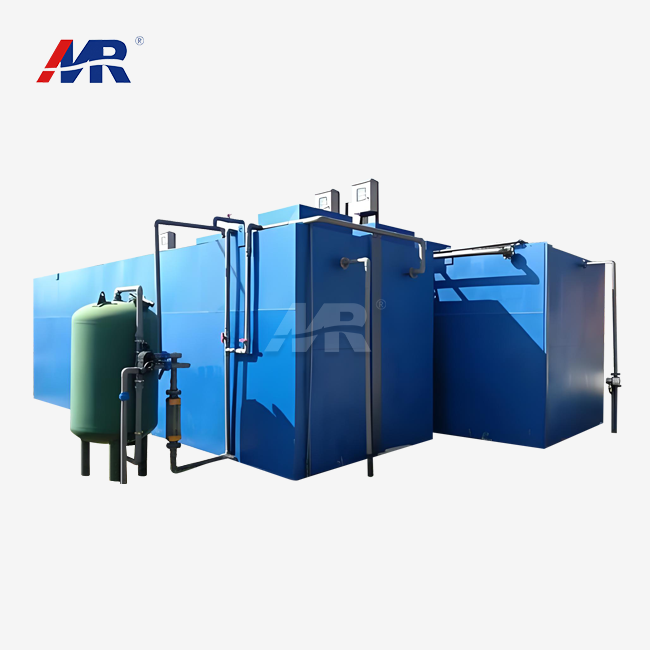
Typical Removal Rates in Primary and Secondary Sewage Treatment
Since each stage does a different job, they all remove a different amount of material. This is what you can expect from each.
Primary Treatment: Physical Separation
Screens, grit chambers, equalization, and clarifiers are used in primary treatment to get rid of material that settles and floats. It gets rid of 50–70% of TSS, 25–40% of BOD₅, and 20–35% of COD when conditions in the city are stable. There is a gap because clarifiers are good at catching particles but not dissolved pollutants. The results depend on how the sludge settles, how long it stays in the tank, how fast the top overflows, the shape of the tank, and how often it is removed. The biological step is mostly protected by this step. Less load means less sludge, less need for ventilation, and lower costs to run the system. If you're not sure about your COD fractions, you should first do laboratory characterization.
Secondary Treatment: Biological Removal
Microorganisms can eat dissolved and biodegradable organic matter after secondary treatment. Normal activated sludge can get rid of about 85–95% of BOD₅ and TSS when the amount of dissolved oxygen, sludge age, and clarification are all controlled. A nitrification stage made for the job can get rid of 70% to 95% of the ammonia. This rule from the EPA (40 CFR Part 133) says that at publicly owned companies in the US, the average for BOD₅ and TSS over 30 days must be 30 mg/L, and at least 85% of them must be removed. It's not always possible for secondary treatment to get rid of phosphorus, salinity, color, or chronic micropollutants.
Why Stage Percentages Do Not Add Up
Never add stage numbers together. After the last step, the next one builds on what was left behind. Let's say that the influent is 250 mg/L BOD₅. If the first treatment gets rid of 30%, 175 mg/L moves on. The end effluent will have 17.5 mg/L if additional treatment gets rid of 90% of that. The total amount taken away is (250 - 17.5) ÷ 250, which is 93%, not 120%. Always use the same sampling method to figure out the total removal from the influent and final effluent concentrations. I think you should write down this mass balance and ask every supplier to show it to you.
What Changes Removal Performance and Technology Choice?
Published ranges only apply when the plant is operating in the way that was planned. The following things explain why two plants may give different results.
Influent and Operating Factors
Rates of removal in sewage treatment depend on the wastewater and how the plant is run. BOD₅, COD, TSS, ammonia, phosphorus, pH, temperature, and fats, oils, and grease are some of the things I look at. Shock loads, short circuits, overloaded clarifiers, and not losing enough sludge all make the system less efficient. Low pH can stop bacteria from growing, and cold water slows down biological activity and nitrification. Dissolved oxygen, sludge volume index, mixed liquor concentration, blower performance, and instrument calibration are all things that good operators keep an eye on. Also, they keep an eye on membrane pressure in membrane systems. Because monitors pick up drift faster than people can, automated control keeps this tracking consistent.
Activated Sludge, MBBR, SBR, and MBR Compared
Each secondary choice is right for a different site. An awful lot of big plants can use activated sludge. Biofilm carriers are used in MBBR for treatment that is both small and large. SBR does settling, aeration, and decanting in groups that are timed. When MBR is used instead of the secondary clarifier, membrane separation is used to get very low TSS and stable wastewater quality in a smaller space. The cost of capital is higher, and membrane fouling needs to be managed. I think that site factors, effluent limits, and user skill should be taken into account when making a choice, not just top removal rates. Standard projects work best with packaged units, while complex industry or regulation needs are better met by custom plants.
Nutrients, Reuse, and Industrial Wastewater
Nitrogen and phosphorus need to be designed in special ways. Nitrification, denitrification, stages of phosphorus removal, or extra filtration can take care of things that basic secondary treatment doesn't. A lot of the time, projects that reuse things need low turbidity and cleaning as well. Wastewater from factories that make food, clothes, or medicines can contain chemicals that are poisonous, salty, or not easily broken down by nature. Before you decide on a plan for these flows, I strongly advise that you do either a field test or a treatability study. Before the biological step, it may be necessary to do something like equalization or chemical conditioning. When plants skip this step, their effluent doesn't get the permit.
How Morui MBR Systems Deliver Reuse-Grade Effluent?
After a while, many buyers hit the point where standard secondary treatment doesn't work for them or their budget for the land. That's where our MBR system fits in.
Process Design and Applications
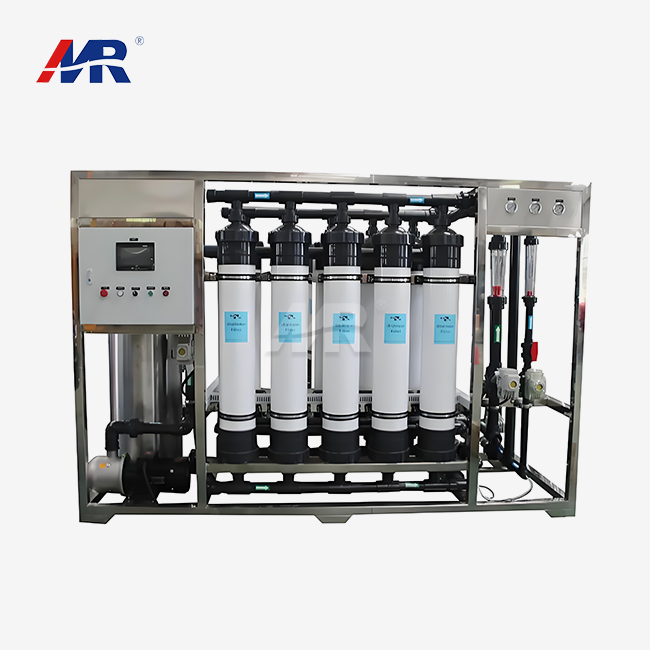
In our MBR system for sewage treatment, biological treatment is combined with hollow-fiber ultrafiltration membranes that have pores that are 0.2 microns in size. The steps in the process are preliminary treatment (screening and grit removal), primary clarification, aerobic and anoxic biological treatment, mbr membrane filtration, disinfection, and treatment and disposal of sludge. The modular design lets you add on later, and the capacity ranges from 100 m³/day to 100,000 m³/day. Automated process control cuts down on the need for workers. We make it for local plants, industries that deal with food and drink or pharmaceutical waste, remote facilities, water, and improving existing plants. When land is limited, the small footprint is helpful.
Performance Parameters
Our system is designed to get rid of more than 95% of BOD₅, more than 90% of COD, more than 80% of nitrogen, more than 90% of phosphorus, and less than 0.5 NTU of turbidity in the effluent. These numbers are higher than the usual secondary ranges we talked about earlier because the membrane keeps objects out that a clarifier might miss. The system can run on little energy and can recover some of that energy, which is important because air uses a lot of energy in biological treatment. It also makes less sludge and uses fewer chemicals than other systems, which cuts down on the cost of disposal. The quality of the inputs still affects the results, so we check the design basis with your data before giving you a quote.
Verify Before You Buy
Figure out the design flow, influent concentrations, effluent limits, peak conditions, and sample basis before you buy a plant. Get a process flow diagram, a hydraulic and pollutant mass balance, a list of all the equipment you will need, and design calculations from the supplier. Ask for general arrangement drawings, P&IDs, electrical documents, working instructions, and performance-test methods for projects that span foreign borders.
Indicative results should be kept separate from guaranteed performance, and the test methods and acceptance standards should be written down in the contract. Morui has its own factory that makes membranes, as well as more than 14 branches, 500 employees, and 20 engineers. We provide the tools, set it up, and turn it on. US buyers should also find out what licenses their project needs and ask for the necessary paperwork.
Conclusion
Usually, 50–70% of TSS and 25–40% of BOD₅ are removed during the primary treatment stage in sewage treatment, which also lowers the load. Most of the work on biodegradable organics is done by secondary biological treatment, which can get rid of 85–95% of BOD₅ and TSS under the right conditions. You can't figure out the overall performance by adding stage percentages; you need to look at the concentrations of the influent and final effluent. Quality, peak loads, temperature, and operating control can all change the results, and special designs are needed for nitrogen, phosphorus, and industrial contaminants. With MBR, membranes are used instead of the clarifier. This gives low turbidity and a small size, but it costs more up front and requires more control of fouling. Before agreeing to a removal claim, buyers should check the design data, test methods, and acceptance standards.
FAQ
Q1: What does primary treatment remove?
A: Usually, the first treatment gets rid of 50–70% of TSS and 25–40% of BOD₅. It mostly gets rid of fine pollutants, so chemicals that are dissolved go to the next step.
Q2: What does secondary treatment remove?
A: If the conditions are right, secondary treatment can get rid of 85–95% of BOD₅ and TSS. Limits on nitrogen or phosphorus may need their own treatment stages.
Q3: How does MBR compare with activated sludge?
A: Because MBR doesn't use a clarifier, it has lower TSS, a smaller footprint, and a better chance of being used again. It costs more up front and needs to be cleaned and kept free of dirt. It's cheaper to use activated sludge, but it needs bigger clarifiers.
Q4: Can a supplier guarantee removal rates?
A: Only if the contract spells out the design data, test methods, operating assumptions, and steps for acceptance.
Discuss Your Sewage Treatment Removal and Design Requirements with Morui
Inform Morui of your flow rate, the BOD₅, COD, and TSS of the influent, as well as the limits you need for the discharge. We help with capacity calculations, process flow diagrams, technical quotes, and commissioning as a company that makes sewage treatment systems and has its own membrane factory. To ask for a project consultation, email benson@guangdongmorui.com.
References
1. Metcalf & Eddy, AECOM. Wastewater Engineering: Treatment and Resource Recovery, 2014.
2. U.S. Environmental Protection Agency. Primer for Municipal Wastewater Treatment Systems, 2004.
3. Code of Federal Regulations, Title 40, Part 133: Secondary Treatment Regulation, 2023.
4. Judd, S. The MBR Book: Principles and Applications of Membrane Bioreactors for Water and Wastewater Treatment, 2010.
5. Water Environment Federation. Design of Water Resource Recovery Facilities, Manual of Practice No. 8, 2018.
6. U.S. Environmental Protection Agency. Wastewater Management Fact Sheet: Membrane Bioreactors, 2007.
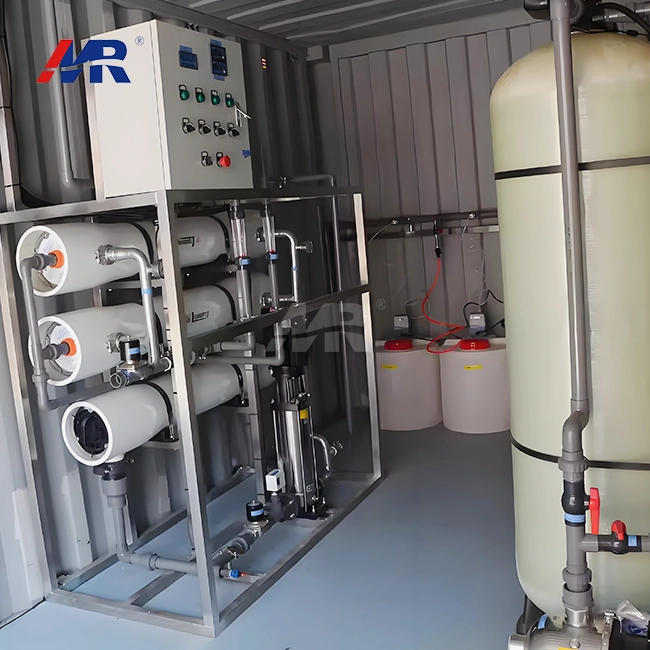 VIEW MOREcontainerized reverse osmosis system
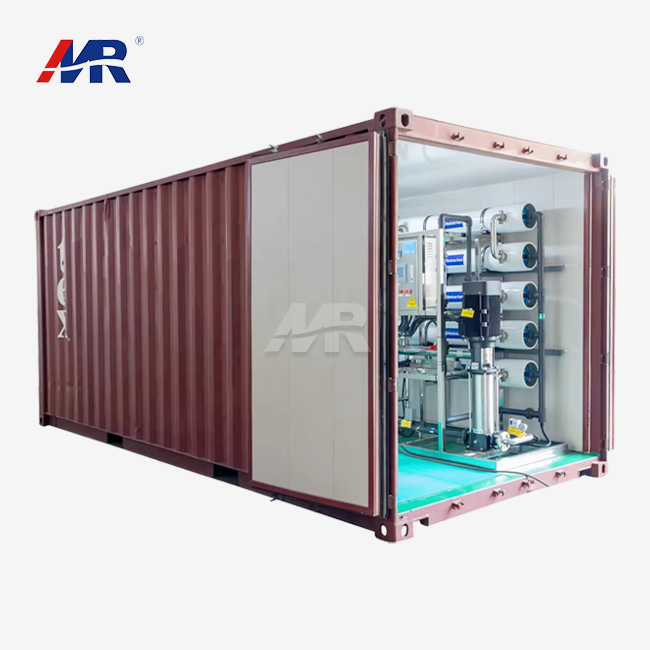 VIEW MOREmobile container reverse osmosis equipment
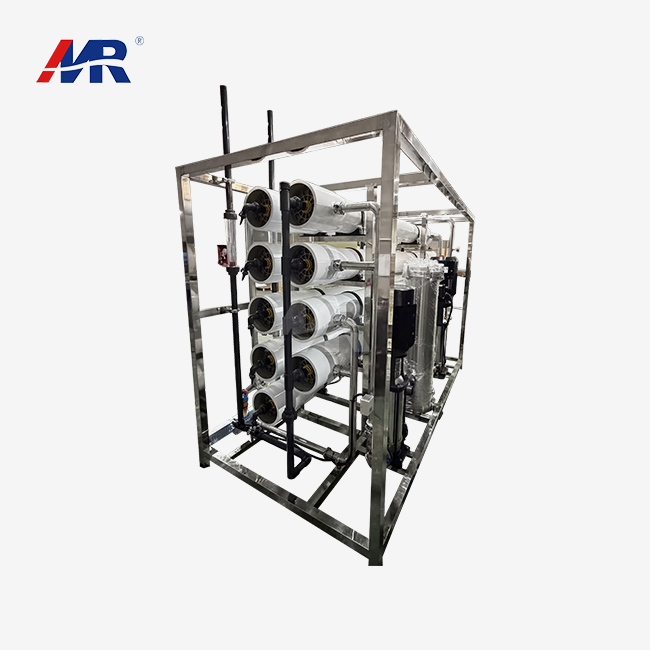 VIEW MOREro reverse osmosis water filter
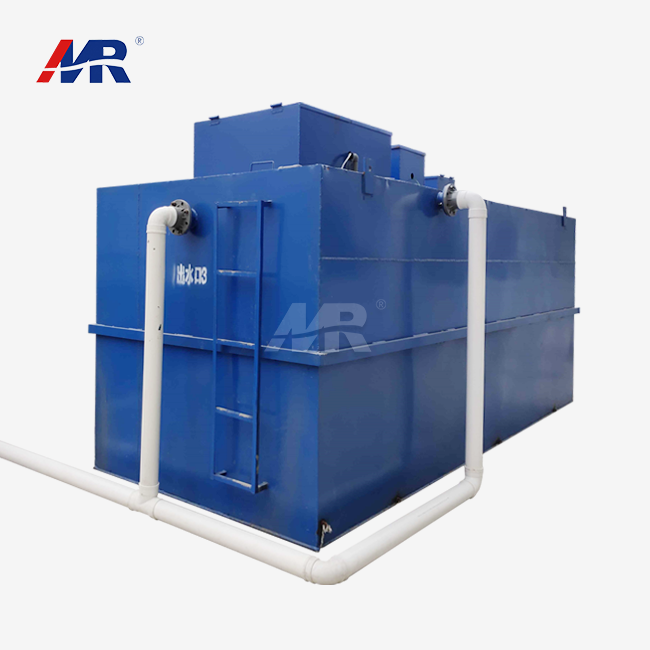 VIEW MOREMBR wastewater treatment plant
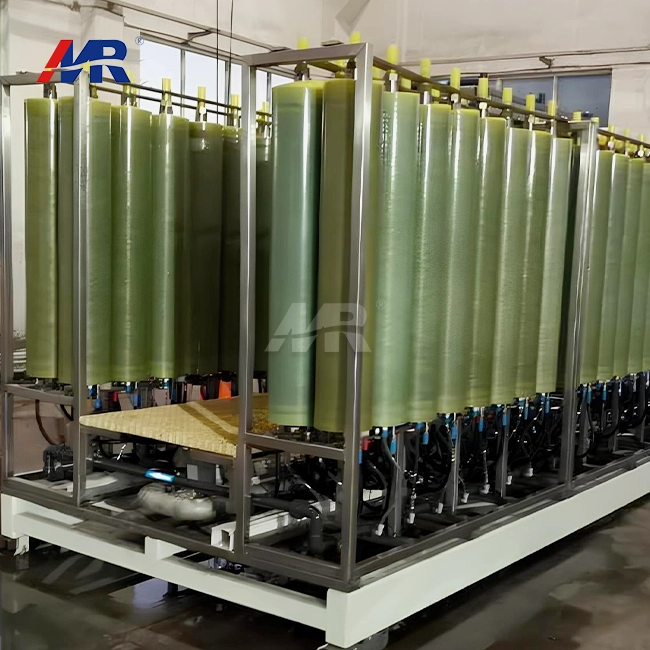 VIEW MOREDTRO for Wastewater Treatment
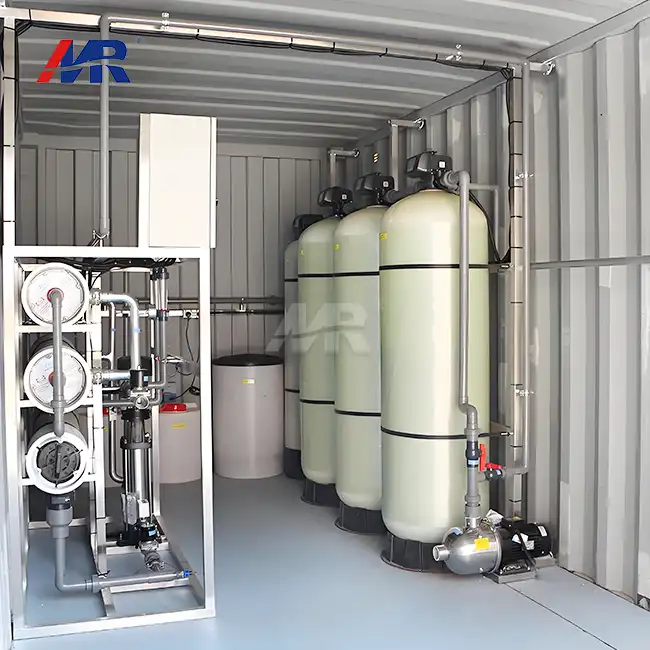 VIEW MOREcontainer type 3m3/hour RO equipment
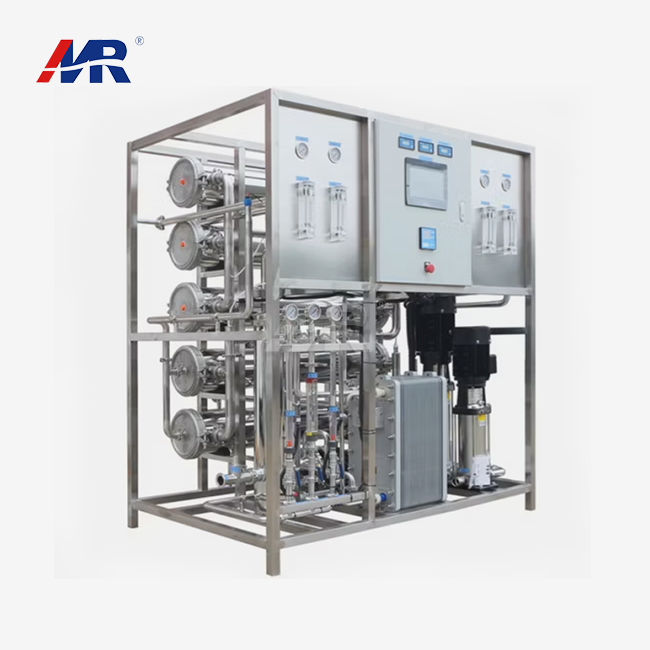 VIEW MOREro edi water system
 VIEW MOREultrafiltration skid