



Sludge Sewage Treatment Fixes When Cake Dryness Drops Below 20%
When cake dryness falls below 20%, start with the basics of sludge sewage treatment. Verify the lab results, check feed solids, tune the polymer dose, and inspect the dewatering machine. A cake at 20% dry solids still holds about 80% water, so every truckload carries mostly water and disposal costs climb. In my experience, low dryness usually comes from thin feed sludge, poor polymer mixing, or worn parts, not from the wrong machine. Fix those first, then review thickening, stabilization, and equipment. Track every change with data.
Confirm and Diagnose Low Cake Dryness
What "Below 20%" Really Means?
The same cake can be talked about in two different ways: dry solids and wetness. Look at the number on the polymer pump before you touch it. A sample can get messed up by surface water, wash water, grit, or polymer carryover the next day. Every shift, you should take samples at the same time, put them in the same place, and dry them in the same way. Also, check that your math is correct. A small mistake can make the number different by a few points. Also, I think you should send one of the split samples to a different lab. You could get stuck on a bad number that makes you buy things you don't need.
Build a Baseline Before You Change Anything
For at least a week, write down the solids in the feed, the solids in the cake, the flow, the use of polymer, the pressure, the torque, the speed, the rate at which the solids are caught, and the amount of energy that was used. The drop lasts for this long, as shown by the number in the background. It only rains on Monday, so mud may have built up over the weekend. If the drop fits a new polymer lot, the chemical is most likely to blame. Every change is a guess if you don't have a place to start. Easy-to-read logs will be filled out every shift.
Find the Root Cause
Low dryness can be caused by six things: changes in the make-up of the sludge, weak thickening, using the wrong polymer, too much hydraulic pressure, bad machine settings, or worn parts. Primary sludge and garbage activated sludge are two different ways to get rid of water. The sludge from food or dye plants has grease, oil, and small pieces that can hold water. First, check the sludge mix's temperature, the amount of solids in it, and the mix itself. Check the seals, valves, pumps, screens, belts, and moving scrolls next. You can quickly see how well the sludge lets water escape by doing jar tests and capillary suction time results.
Fix the Process Before You Replace Equipment
Polymer Conditioning and Jar Testing
Polymer is the least expensive way to fix sludge sewage treatment most of the time. It is important to check the fluid's heating power, reaction time, entry point, and strength. When mixing isn't strong enough, polymer isn't used, and when pressure is too high, flocs break apart. Put new sludge into jars and test it to find the right amount to make strong flocs and clear runoff. Adding more polymer doesn't make things dry out. More mud sticks to it, costs more, and hurts belts after a while. After making changes to the sludge mix, test again. Write down the right amount for each blend so that those who work there can find it quickly.
Machine Settings for Belt Presses, Centrifuges, and Screw Presses
Keep in mind that every machine has its own controls. See how the wash water, roller pressure, belt speed, and amount of sludge covering the belt are all set up on a belt press. You can change the wheel speed, power, bowl speed, and pond level on this machine. Check to see if the screen is in good shape, how fast it spins, the backpressure, and the feed concentration on a screw press. You should make each change one at a time and wait for the process to finish before looking at the results. No matter how well you tune them, the controls will stop working. Also, belts, scrolls, and screens that are worn out will no longer work.
Thickening, Stabilization, and Blending
Dewatering is based on the whole sludge train. They can't handle thinner sludge that comes from the thickener if it comes forward. Changes to the thickness work better most of the time than changes to the filter unit. Adding lime, aerobic digestion, or both can change how much you can store, how well it drains, and how bad it smells. When the main sludge, trash activated sludge, and industrial streams are equalized and mixed, the changes between them become smoother. You can dry the trash on the ground, in a compost pile, on fire, or in a bin. Choose your drying goal based on where the trash will go. People in the US who spread biosolids on land need to follow the rules in EPA 40 CFR Part 503. These rules also keep bugs and diseases from spreading.
Compare Equipment, Verify Results, and Finish the Checklist
Comparing Dewatering Machines
The rollers in a belt filter used for sludge sewage treatment are always on and don't use a lot of power. Centrifuges are small, keep things inside, and work mostly on their own, but they need to be maintained by experts. Screw presses work best in narrow or spread-out plants that need to be simple to run and not use a lot of power. But for them to work, the sludge needs to get thicker and stay in good shape. Compare more than price: sludge compatibility, achievable dryness, solids capture, hydraulic capacity, wash-water demand, noise, footprint, and operator skill. Don't forget to figure out how far the units need to be changed when you do the math. The real story is how much something costs over time.
Verify Improvements With Data
Look at both the flow of liquids and the dry solids. Pay attention to the cake grains, how quickly they are gathered, the quality of the filtrate or centrate, the amount of polymer used, the energy used, the output, the downtime, and the cost of removal. Write down how the cake looked, the pressure, and the torque next to the lab findings. You should try the gain with various flows, temperatures, sludge blends, and changes to be sure it works. When you know how much it costs per dry ton, you can start to make your budget. Ask to use your own sludge first when you buy new tools. Catalog numbers are the best kind of test data there is.
Final Checklist for Restoring Dryness
Do this this way. Check out the lab and the way the samples were collected. Check how fast and how much the feed is coming in. Look at how the stuff was made and how much was given. Clean out the filter and the holes that let the water drain. Check the backpressure, speed, pressure, or power, as well as the differential speed. Try it out in a jar. Keep an eye out for worn-out parts, weak treatment further up the line, or technology that wasn't made for the job. For long-term use, you can choose a different dewatering machine, a different digestion system, new parts, or a whole new system. At each step, keep shift logs to show which change made the number move.
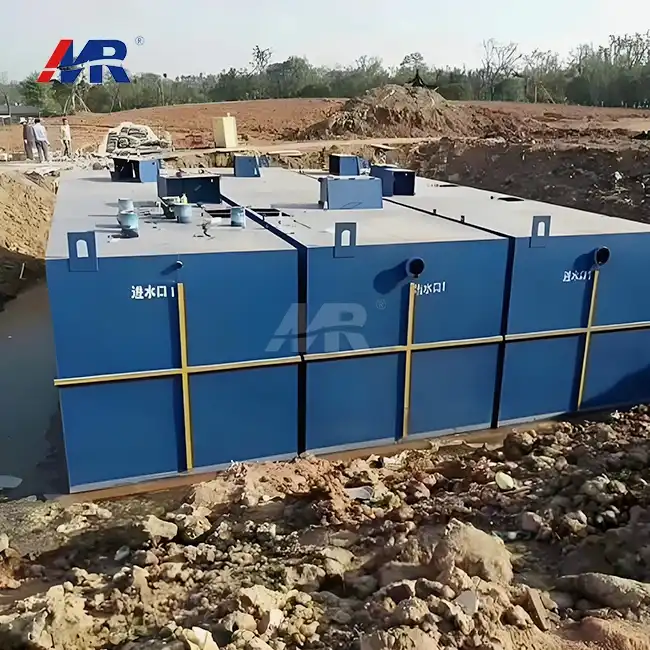
Cut Sludge at the Source With Morui MBR Systems
How MBR Reduces the Sludge Burden
Getting rid of the water is part of the trouble in sludge sewage treatment. You can see how much slime your machine makes on the other side. A membrane bioreactor treats water biologically and also filters it through a membrane. The biomass stays in the tank, so it doesn't need a clarifier. We can get rid of our MBR systems for less money because they make less sludge and use less dirt. If your plant has trouble with wet cake, moving the liquid side up can help it drain better.
Morui MBR Specifications
The holes in the method we use are 0.2 microns wide, and the filters are made of hollow fiber ultrafiltration. Every day, it can hold 100 to 100,000 m³. The overflow has no more than 95% BOD, more than 90% COD, more than 80% nitrogen, more than 90% phosphorus, and less than 0.5 NTU of turbidity. This is what the score for success says. The steps in the process are pre-treatment, primary clarification, biological treatment with oxygen and gas, membrane filtration, disinfection, and treatment and disposal of sludge. It's small, can be controlled automatically, is designed to be flexible, and gives you options for recovering energy. It can be used for plants in cities, wastewater from food and drink or pharmaceuticals, autonomous sites, reusing water, and making plants that are already in place better.
Choosing a Supplier for Sludge Handling and MBR Projects
Ask any supplier to show you proof from different kinds of sludge that are the same. Ask for bids that cover the whole process, from getting the cake to making it thicker, getting the polymer ready, dewatering it, moving it, returning the filtrate, controlling the smell, and running the whole thing. When someone from outside the US buys something, they should also find out about the power, shipping terms, installation taxes, training, extra parts, shipping costs, and the warranty. Greater Morui has had its own factory that makes membranes for more than 14 years. Also, 500 people work there, and 20 of them are engineers. Make tools, Runxin valves, and Shimge water pumps are some of the other things we sell. In one package, we give you the equipment, set it up, and turn it on.
Conclusion
Make sure the measurement is right first, and that the cake is dry if the moisture level is less than 20% in sludge sewage treatment. This displays how much water the plant moves and clears. Most of the time, the problems are caused by sludge, thickening, polymer conditioning, the way the machine is set up, or worn-out parts. To find these kinds of issues, one-change-at-a-time jar tests are often used. Even though the new machine will make it thicker, more stable, and better blended, it won't make it any less dry. The plant needs a belt press, a centrifuge, or a screw press based on its size and level of skill. There has been real progress, as shown by tests and data on dry solids. MBR systems get rid of sludge at its source. It's also easy to filter and dump now.
FAQ
Q1: Why is my sludge cake below 20% dry solids?
A: Because the feed sludge is too thin, the thickening isn't strong enough, the polymers aren't mixed well enough, the dose is off, the settings are wrong, or the parts are worn out. Check your sampling method first, then put it to the test in a jar.
Q2: Will adding more polymer raise dryness?
A: Up to a point. There is more polymer, costs can go up, and sludge can stick to belts more. Tests in jars show how dry something is before it stops getting better.
Q3: Which dewatering machine fits my plant?
A: The type of sludge, the size of the plant, and the operator's skill level all play a role. Find out how dry it is, how well it holds things, how much power it needs, how much damage it does, and how much it costs over its whole life. Then use your own sludge as a test run.
Q4: What should I send for a quotation?
A: Tell them the type of sludge, the flow rate, the solids that go into it, how to dump it, and the limits of the place. When there is a better plan, there is better information.
Q5: Can an MBR system help with sludge cost?
A: It costs less to get rid of the gunk that our MBR systems make than that of other systems. The slime that's still there needs to be dried out.
Contact Morui for Sludge Sewage Treatment Support
Can't handle cake that's wet? The info on your sludge can tell Morui that you need to either drain it or make your MBR better. Feel free to email benson@guangdongmorui.com with the type of sludge, the flow rate, the feed solids, and the level of cleanliness you want. They can help you find a sludge sewage treatment company that makes membranes, has engineering staff, and helps with installation. Our Team will get back to you with good plant care ideas.
References
1. Metcalf & Eddy/AECOM, Wastewater Engineering: Treatment and Resource Recovery (2014)
2. U.S. Environmental Protection Agency, Biosolids Technology Fact Sheet: Centrifuge Thickening and Dewatering (2000)
3. U.S. Environmental Protection Agency, Biosolids Technology Fact Sheet: Belt Filter Press (2000)
4. U.S. Environmental Protection Agency, A Plain English Guide to the EPA Part 503 Biosolids Rule (1994)
5. Water Environment Federation, Design of Water Resource Recovery Facilities, Manual of Practice No. 8 (2018)
6. Judd, S., The MBR Book: Principles and Applications of Membrane Bioreactors for Water and Wastewater Treatment (2010)
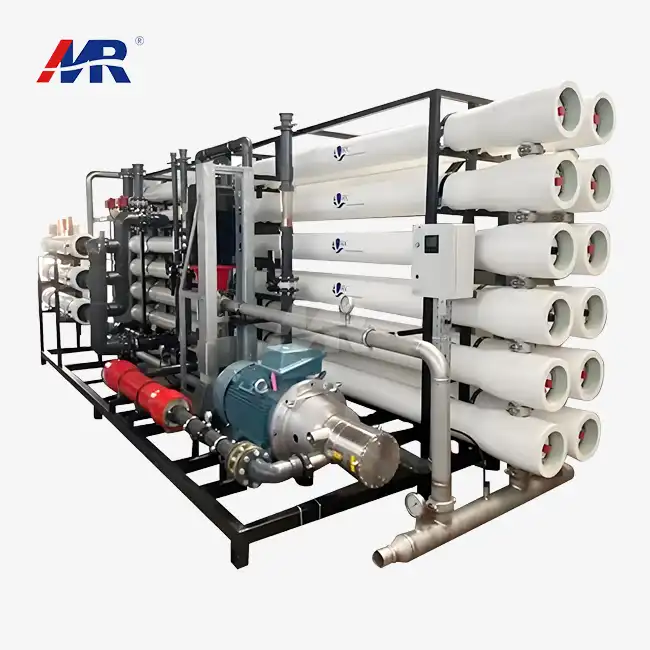 VIEW MORE45m3/hour seawater desalination system
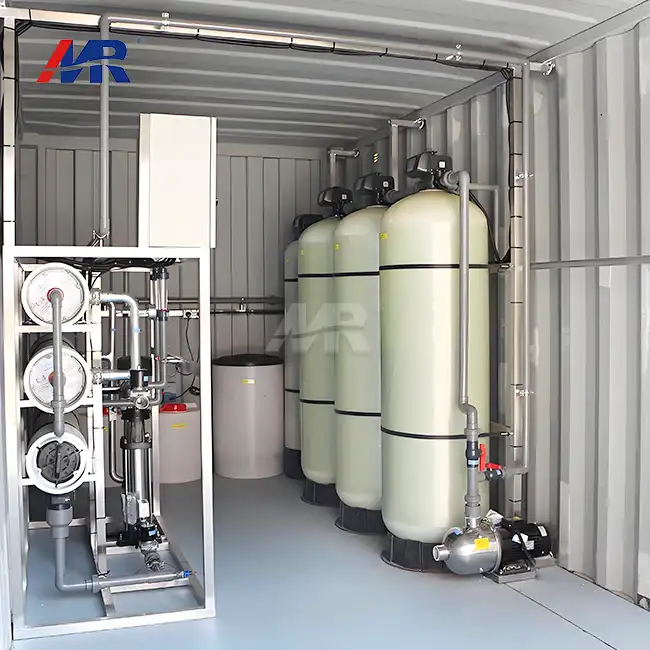 VIEW MOREcontainer ro equipment
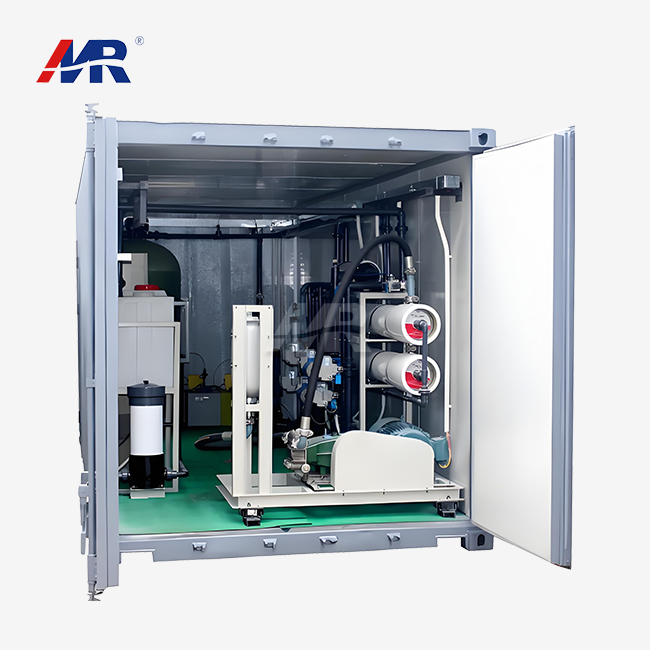 VIEW MOREcontainerized UF+RO system
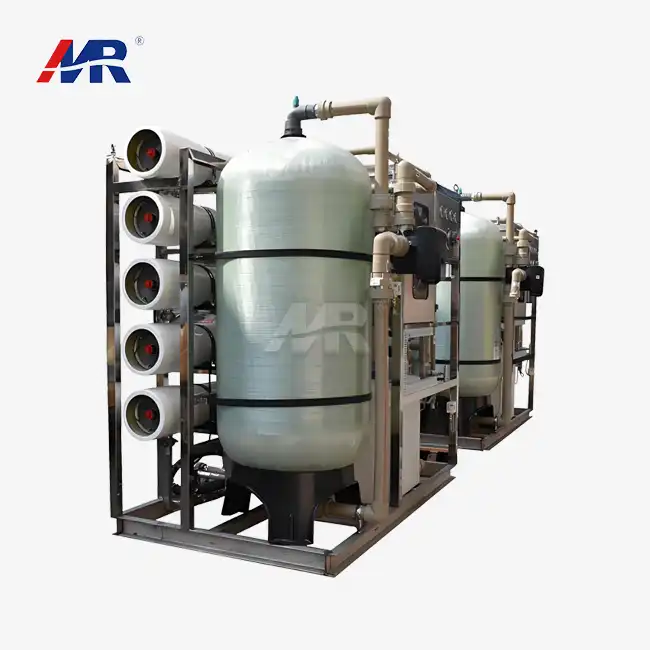 VIEW MORE8m3/hour seawater desalination equipment
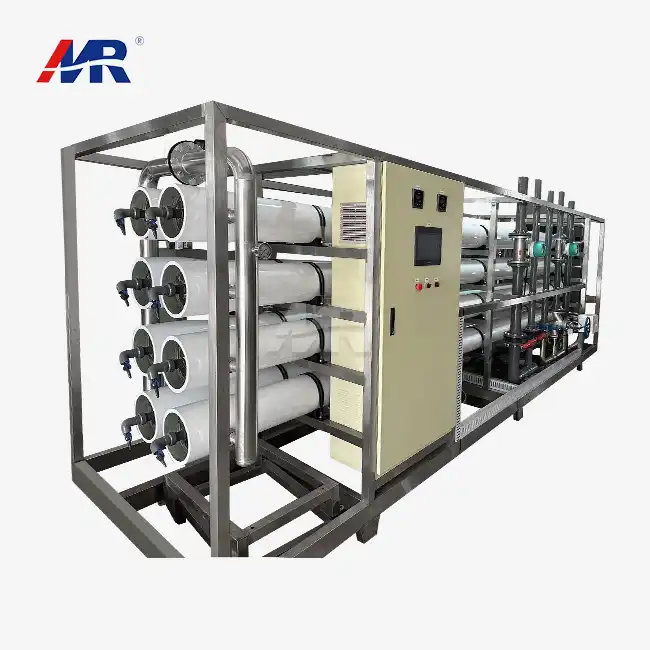 VIEW MORE8m3/hour two pass reverse osmosis system
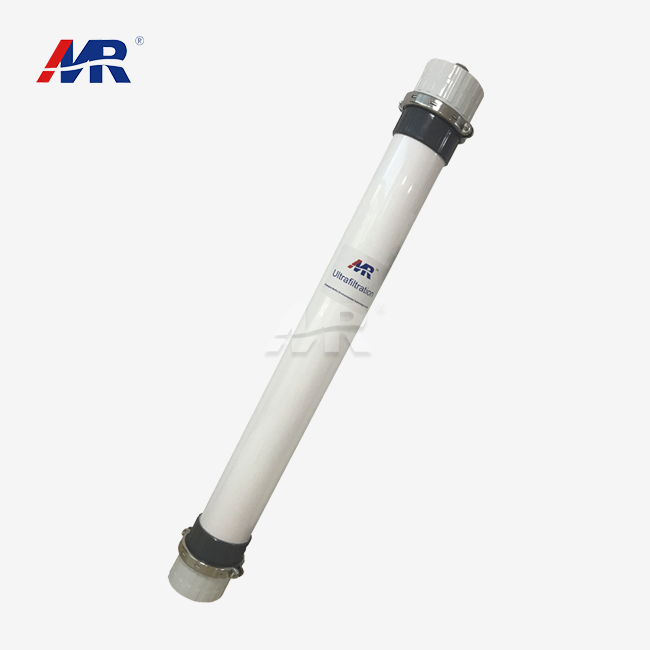 VIEW MOREultrafiltration membrane for wastewater treatment
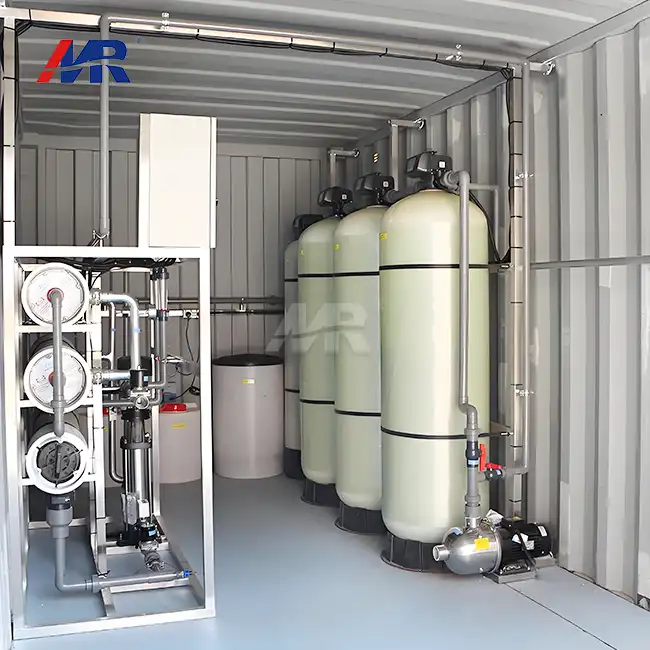 VIEW MOREcontainer type 3m3/hour RO equipment
 VIEW MORE2 stage reverse osmosis system
