_1745823981883.webp)

How to Choose Wastewater Treatment Plant Units
Choosing the right wastewater treatment plant units requires a clear understanding of your effluent characteristics, regulatory discharge limits, site constraints, and long-term operational budget. Whether you manage a food processing facility, a municipal sewage network, or a remote residential development, selecting the appropriate biological, chemical, or membrane-based treatment unit directly determines compliance outcomes and lifecycle costs. This guide walks procurement managers, engineers, and facility owners through the practical criteria needed to make confident, well-informed purchasing decisions.
What Are Wastewater Treatment Plant Units and How Do They Work?
The Core Components Behind Every Effective System
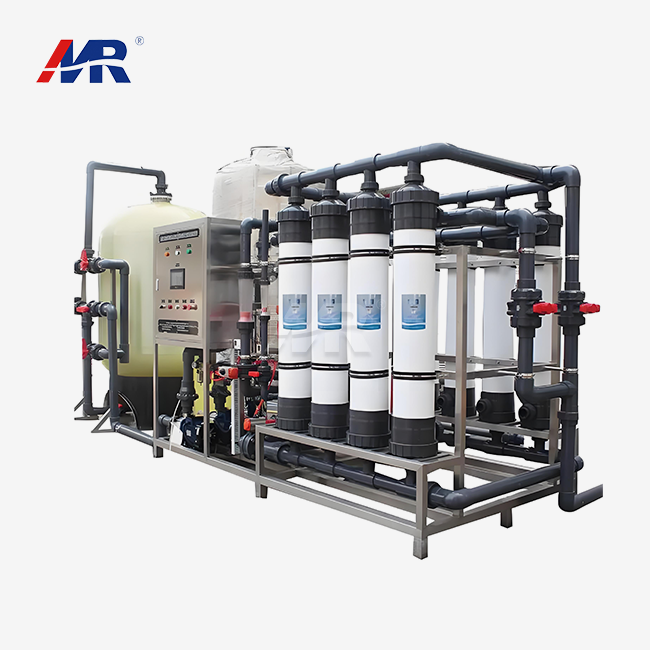
These days, wastewater treatment plant units are not just one machine; they are a series of unit processes that depend on each other. A full treatment train usually has grit chambers, biological reactors (like activated sludge tanks or membrane bioreactors), clarifiers, disinfection skids, and bar screens for getting rid of solids. Each part deals with a different type of pollutant, such as chemical, biological, or physical ones.
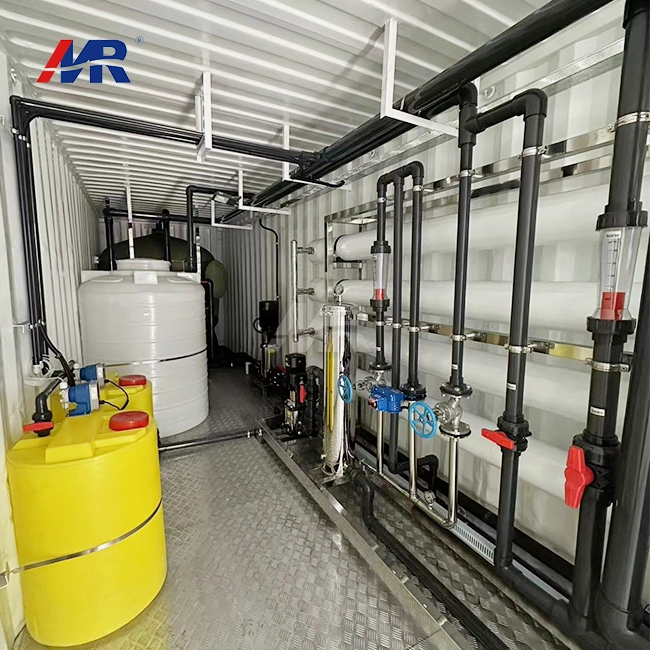
The process flow starts with the input of raw influent and goes through preliminary, primary, and secondary biological treatment steps. If desired, it can also go through tertiary polishing before being released or used again. Modern packaged systems, which are also known as Decentralized Wastewater Treatment Systems (DEWATS), can fit all of these steps into a small container. These plug-and-play setups cut building time on-site by 60–80%, which is very helpful when time is of the essence or entry to the site is limited.
Automation has completely changed what operations need to do. Integrated PLC/SCADA units cut down on manual work, which helps facilities deal with the persistent lack of certified wastewater operators in the US.
What Criteria Should You Use to Screen and Select the Right Unit?
Matching System Capability to Your Specific Operational Profile
Before you ask for quotes, you need to set four parameters that can't be changed: the daily flow volume (m³/day), the influent contaminant load (BOD, COD, TSS, TN, and TP concentrations), the available footprint, and the applicable discharge standards. These could be EPA effluent guidelines, state-specific permits, or industrial pretreatment requirements for wastewater treatment plant units.
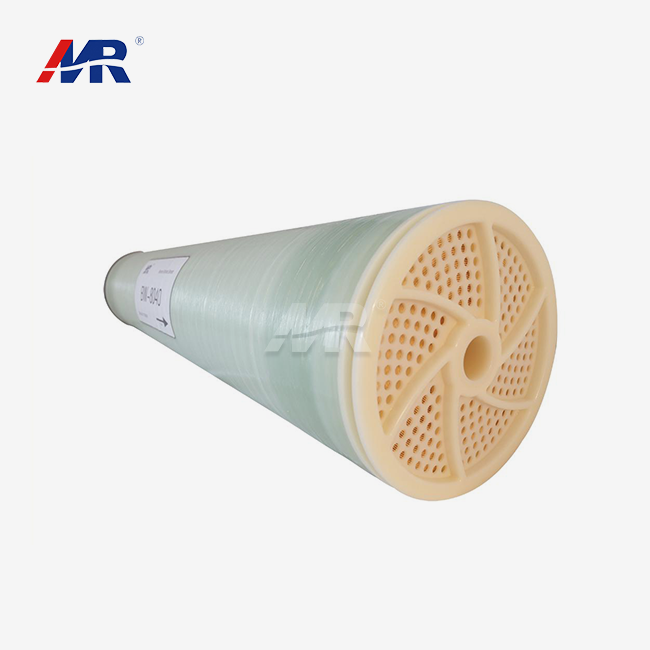
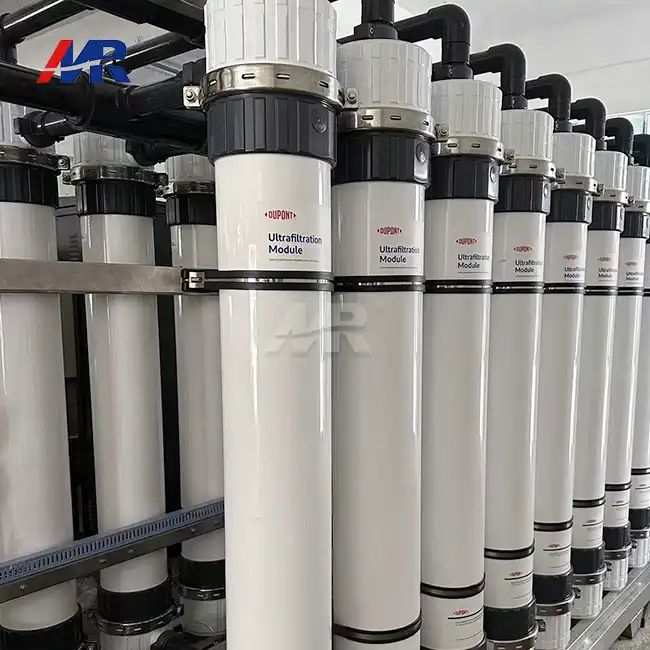
Some performance measures that are worth comparing are the amount of BOD that is removed (good MBR systems always get rid of more than 95% of it), the amount of energy used (measured in Specific Energy Consumption, or SEC), and how stable the membrane's permeability is over time. Aeration blowers use about 50–70% of the total energy used, so choosing units with Variable Frequency Drive (VFD) blowers and fine bubble diffusers will save you a lot of money over the course of their 15–20 year service life.
Your financial research should be based on the total cost of ownership, not just the buying price. Compare different plans by looking at how often the membrane needs to be replaced, how often it needs to be cleaned with chemicals, how long it takes to get new parts, and how much money you expect to lose during downtime.
How Do Different Technologies and Suppliers Compare?
Knowing the differences between treatment methods can help you narrow down your list of potential sellers before you hire one.
| Criteria | Conventional Activated Sludge | MBR (Membrane Bioreactor) | MBBR (Moving Bed Biofilm) |
|---|---|---|---|
| Footprint | Big | Can get up to 50% smaller | Medium |
| Effluent Quality | BOD <20 mg/L on average | BOD <5 mg/L, TSS <1 mg/L on average | BOD <10 mg/L on average |
| Shock Load Resistance | Low | Medium | High |
| Energy Consumption | Moderate | Moderate to High | Moderate |
| Automation Compatibility | Moderately High | High | High |
| Best Application | Large-scale and municipal | Decentralized, reuse projects | Industrial, variable loads |
It has become clear that MBR technology is the best option for projects with limited space and needs for high-quality reuse water. MBBR setups that grow biofilm on plastic frames that are suspended are better at handling organic loading spikes, which is important for uses in the food and beverage or petrochemical industries when configuring wastewater treatment plant units.
When looking at different providers, you should look at their ISO Certifications, local service infrastructure, help with installation, and where the membranes come from. Suppliers who make their own membranes have better control over the quality of a part that directly affects how well it works in the long run. Total procurement value is affected by things like bulk purchasing agreements, longer warranty terms, and on-site training packages.
A Practical Product Example: The Morui MR-MBR-5TH
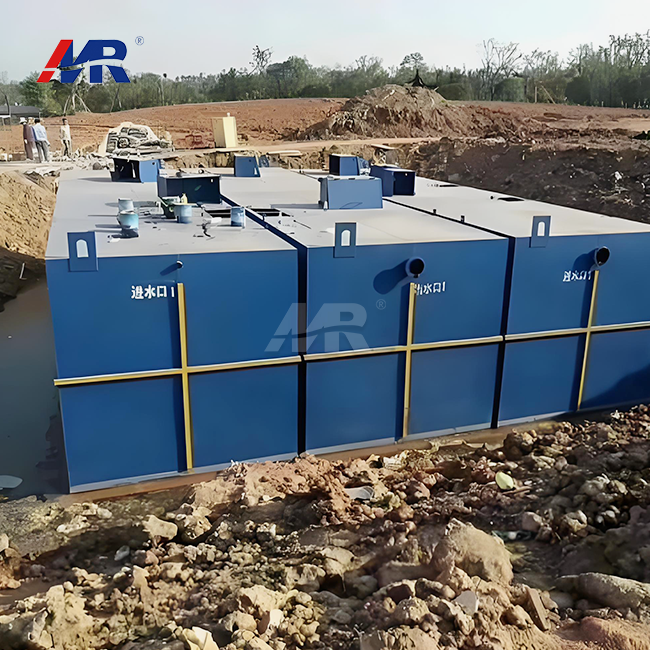
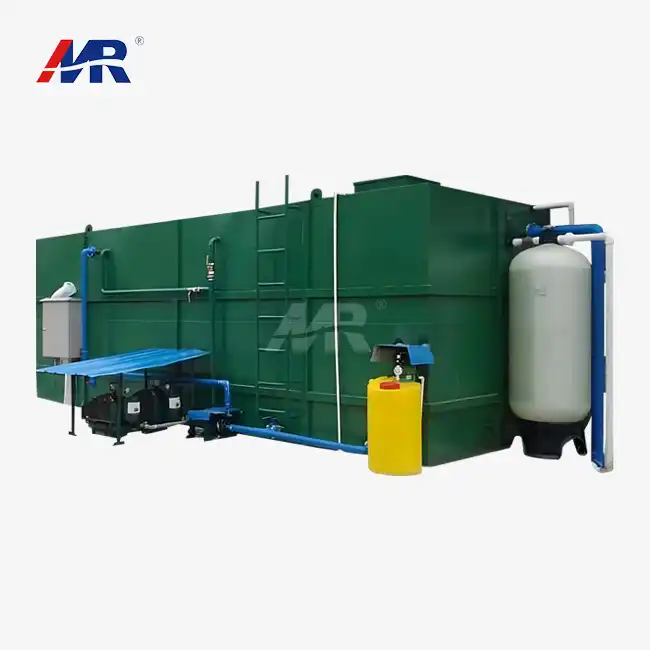
Take a look at the MR-MBR-5TH from Guangdong Morui Environmental Technology Co., Ltd. to see how specs lead to real purchases. This unit is designed to treat domestic wastewater. It can handle 100 m³/day and has a small footprint of 9 × 2 × 2.4 meters, which is the same size as a standard flatbed shipping container.
The process flow combines AAO (Anaerobic–Anoxic–Oxic) biological treatment with mbr membrane filtration, which is known for getting rid of nitrogen and phosphorus at the same time while producing high-clarity effluent. This two-step process works especially well for neighborhoods, rural townships, hotels, and small corporate sites that don't have access to city sewers.
Here are the core advantages of this wastewater treatment plant unit model:
- Compact, containerized structure eliminates the need for large civil concrete works. This cuts down on the cost of preparing the site and speeds up the rollout process.
- AAO biological process removes nutrients effectively, helping to meet the strict nitrogen and phosphorus runoff limits that are being enforced more and more in U.S. states.
- The integrated MBR membrane stage produces effluent that can be used for flushing toilets or watering plants, which increases the usefulness of treated water beyond just dumping it.
- Automated PLC control requires less operator input and lets tracking be done from afar, which lowers the staffing needs for sites that are not being watched or are only partially being watched.
How Should You Customize and Maintain Your Treatment Units?
Designing for Longevity, Not Just Day-One Performance
Customization is the step where application-specific engineering takes over from general requirements for wastewater treatment plant units. A Dissolved Air Flotation (DAF) pre-treatment stage is needed before biological units in a dairy processing plant that makes high-fat influent. A pharmaceutical business has to show proof of water quality that meets GMP standards. To work in chloride-rich settings, the pre-treatment train for coastal desalination needs materials that don't rust, like SS316L or HDPE-lined carbon steel.
Modular designs allow for future capacity growth without having to rebuild the whole infrastructure. If you choose a provider that lets you add units on a scalable basis, you can protect your initial investment as production rates rise.
Maintenance planning should begin before the purchase. Every week, MBR membranes need a Chemically Enhanced Backwash, and every three to six months, they need a full Clean-in-Place (CIP) recovery clean that is timed to Trans-Membrane Pressure (TMP) trends. Suppliers should promise in writing that they will have spare parts available, help with remote diagnostics, and technician response times on-site. That fast service infrastructure is made possible by Morui's 20 expert engineers and 14 branch networks all over China.
What Real-World Procurement Outcomes Can You Learn From?
Lessons From the Field That Save Time and Budget
A rural city in the southeast of the United States recently switched from a pond system that wasn't working right to a containerized MBR unit with AAO pre-treatment. The project had effluent that met permit requirements within six weeks of starting up, and it cut the cost of hauling sludge by about 40% compared to the old system. This was a measurable return on investment that made the wastewater treatment plant units investment worth it within three years.
A client in the food processing industry who deals with variable organic loads switched from using regular activated sludge to an MBBR setup. The system's built-in shock-load resilience stopped process upsets during peak production shifts, which cut down on BOD permit violations and the fines that come with them.
Both results support a consistent buying rule: choose a system based on your specific influent variability and future capacity trajectory, not just the average flow rate of today.
Conclusion
When buying wastewater treatment plant units, people have to make important choices that can have long-lasting effects on their legal standing, operational costs, and sense of community or environmental duty. The safest way to proceed starts with accurately describing the influences, an honest evaluation of the site, and matching technology to tested performance standards. Packaged systems like the Morui MR-MBR-5TH show how modern engineering can reduce complexity into solutions that can be used and maintained. Vet suppliers on service depth, membrane quality, and commissioning capability — not price alone.
FAQ
1. What is the difference between biological and chemical wastewater treatment units?
Biological units break down liquid organics and nutrients with the help of microorganisms, such as bacteria in activated sludge, biofilm in MBBR, or membrane-retained biomass in MBR. To separate or neutralize contaminants, chemical units use coagulants, flocculants, or oxidants. Most current systems use both methods together in one treatment train for wastewater treatment plant units to get rid of a wide range of contaminants.
2. How do I assess the energy efficiency of a packaged treatment unit?
Ask the provider for the Specific Energy Consumption (SEC) number, which should be given in kWh per cubic meter of cleaned water. SEC values below 0.4 kWh/m³ are usually the goal for units with VFD-controlled blowers and fine bubble diffusers. Instead of just looking at the nameplate motor ratings, compare this measure between different plans.
3. What factors most influence installation costs?
The main factors that affect costs are how easy it is to get to the site, how much building work needs to be done, how much electricity can be supplied, and whether or not you need influent equalization tanks. When compared to poured-concrete plants, containerized units have much lower civil building costs. Instead of getting a general estimate of the installed price, you should always ask for a site-specific cost breakdown.
4. How long do MBR membranes last?
MBR membranes usually last between 7 and 10 years if they are well taken care of. How long a membrane lasts depends a lot on how well the influent is screened, how well the chemicals are cleaned, and how often TMP exceedance events are avoided.
Partner With Morui for Your Next Wastewater Treatment Project
Morui offers certified and tried-and-true wastewater treatment plant units, ranging from small home sewage systems to large industrial treatment systems. Twenty committed engineers, our own membrane production, and a 14-branch service network back up the MR-MBR-5TH and the rest of our equipment line. We can help you find a supplier for a full installation or a modular upgrade that can be scaled up or down. Contact us today. To get a personalized quote, email us at benson@guangdongmorui.com.
References
1. Tchobanoglous, G., Stensel, H. D., Tsuchihashi, R., & Burton, F. — Wastewater Engineering: Treatment and Resource Recovery, McGraw-Hill Education, 2014.
2. United States Environmental Protection Agency — Membrane Bioreactors: Nutrient Removal, Cost, and Environmental Performance, EPA/600/R-10/021, 2010.
3. Water Environment Federation — Design of Municipal Wastewater Treatment Plants, WEF Manual of Practice No. 8, 2010.
4. Judd, S. — The MBR Book: Principles and Applications of Membrane Bioreactors for Water and Wastewater Treatment, Elsevier, 2011.
5. Metcalf & Eddy — Water Reuse: Issues, Technologies, and Applications, McGraw-Hill, 2007.
6. American Society of Civil Engineers — Standard Guidelines for the Design of Urban Stormwater Systems and Wastewater Treatment Facilities, ASCE/EWRI 45-05, 2005.