

_1745823981883.webp)

How Efficient Is a containerized ro system?
A containerized RO system delivers impressive purification performance within a compact, self-contained unit. Drawing on reverse osmosis membrane technology, these systems can achieve salt rejection rates of up to 98% and water recovery rates ranging from 55% to 65%, depending on feed water conditions. Unlike conventional fixed installations, a containerized RO system integrates pre-treatment, high-pressure pumping, and membrane filtration into one deployable unit — reducing setup time dramatically. For industries where water quality and operational continuity are non-negotiable, this format offers both technical reliability and logistical flexibility that traditional plant designs simply cannot match.

Understanding Containerized RO Systems: Technology and Components
What Happens Inside the Container?
An RO unit in a container is more than just a membrane in a box. The water cleaning process is fully planned and is already wired and plumbed before it leaves the plant. The MR-CTRO-25TH type from Morui, for example, treats water by combining a media filter stage with brackish water reverse osmosis (BWRO). When raw water comes in, it goes through a multimedia filter that gets rid of bigger particles, turbidity, and dissolved solids. After that, the water goes through high-pressure ro membranes that separate the dissolved salts, heavy metals, and chemical contaminants. The system's permeate, which is clean, filtered water, comes out, while the concentrate is either released or collected, based on how the project was planned.
High-pressure feed pumps, antiscalant dosing systems, RO membrane vessels, a permeate collection manifold, and an automated PLC control unit are the main parts of this process that make it reliable. At 25 tons of treated water per hour, these systems use 32 kW/hour of power, which is a very efficient amount of power for an industrial setting.
Key Performance Metrics at a Glance
Knowing the MR-CTRO-25TH's specs can help you understand what economy really means in real life:
| Parameter | MR-CTRO-25TH Specification |
|---|---|
| Treatment Process | Media Filter + BWRO |
| Power Consumption | 32 kW/hour |
| Water Recovery Rate | 55% – 65% |
| Salt Rejection Rate | 98% |
| System Format | Containerized, Modular |
Based on scaling risk management, these numbers put this unit well within the performance benchmarks that have been made public for industrial brackish water RO systems. Recovery rates between 60% and 85% are thought to be optimal.
Evaluating Efficiency: Advantages Over Traditional RO Systems
Why Containerized Beats Conventional in Most B2B Scenarios
Traditional fixed RO systems need to be built, take longer to start, and require their own building area. Most of these problems can be solved with a containerized approach. Here are the main benefits of this style that have an effect on the total cost of ownership:
- Faster deployment: Because containerized RO units are put together and tested in the factory before they are shipped, they can be used within days of arriving instead of weeks. This is very important for companies that prepare food and drinks, make medicines, or provide water to cities that need to improve the quality of the water right away.
- Modular scalability: By adding more parallel container units, capacity can grow without having to spend a lot of money redesigning permanent infrastructure. For example, a medium-sized electronics factory can start with one unit and add more as demand grows.
- Space optimization: To save space, facilities don't need separate rooms for each stage of treatment because the pre-treatment, RO membranes, and control systems are all housed in the same container. This helps producers in high-rent industrial zones right away.
- Lower maintenance overhead: Having access to all parts from one area makes regular checks and replacing membranes easier, which cuts down on the number of hours needed for each service cycle.
These benefits can successfully fix the problems that procurement managers often face when putting in place traditional water treatment systems, such as delays in deployment, lack of room, and cost overruns.
Application Scenarios and Performance Verification
Which Industries Rely on This Technology?
Because of their adaptability, containerized RO systems are useful in many different industries. In the food and drink business, RO-treated water has a direct effect on how well Products taste, how safe they are against microbes, and how well they follow the rules. Processors for drinks that use this technology report constant conductivity levels below 10 µS/cm in the permeate output. This is a level that most quality standards demand.
In the pharmaceutical and biotech industries, clean water that meets GMP standards needs to consistently reject more than 97% of salt. With a salt rejection rate of 98%, the MR-CTRO-25TH reliably meets this standard. Power plants need ultrapure boiler feedwater, and semiconductor factories need the same level of purity for cleaning chips.
Containerized BWRO systems have also been used by municipal water treatment officials in coastal or desert areas to deal with brackish groundwater. Being able to move the unit as population centers change adds long-term value to an asset that fixed plants can't provide.
For petrochemical companies and offshore platforms, where room is limited and getting to water isn't always easy, a self-contained RO unit that can handle source water with varying salt levels is not a luxury; it's a must-have for business.
Procurement Considerations for B2B Buyers
What Should You Evaluate Before Purchasing?
Comparing prices per unit is only one aspect of choosing the right containerized RO system supplier. Technical leaders and buying managers need to look at a number of factors that affect trustworthiness over the long term, such as:
How well a supplier can make things is very important. A manufacturer with its own factories for making membranes and processing dedicated equipment is more responsible for the performance of a system than a reseller of assemblies. Morui has its own factory for making membranes as well as other facilities for processing equipment. This gives buyers direct control over making sure that specifications are met.
The warranty terms and the system for getting help after the sale should be carefully looked over. Comprehensive maintenance contracts, remote diagnostics access, and guaranteed parts availability keep remote deployments from having to deal with the expensive downtime that often happens when equipment breaks down.
Customization level is another thing that makes it different. Not all sources of brackish water have the same chemical makeup or TDS levels. Pre-treatment steps, recovery settings, and control system programming that can be customized based on the buyer's feed water analysis should all be available from a reliable containerized RO system maker.
Instead of just looking at the initial capital costs, buyers should also think about the total cost of ownership over the next five to ten years. The MR-CTRO-25TH's energy use of 32 kW/h is a fixed operational variable that lets accurate long-term budget modeling happen.
Maximizing Efficiency Through Smart Operation and Maintenance
How Do You Keep Performance from Degrading Over Time?
Membrane fouling is the main thing that can stop RO from working well for a long time. Without a structured cleaning-in-place (CIP) protocol, biological growth and salt concentration polarization build up on membrane surfaces, which slows down permeate flow and raises energy demand. Setting up CIP cycles based on normalized differential pressure readings instead of set calendar times is a better way to keep the membrane's integrity.
By keeping an eye on the normalized permeate flow, salt passage, and differential pressure across each membrane tank, workers can spot fouling early on, before it causes measurable output loss. IoT-enabled monitoring platforms now let you see these parameters remotely and in real time, which is very helpful for operations that are in charge of multiple sites at the same time.
A preventive maintenance program that really extends the life of a system includes checking the pump seal, replacing the cartridge filters on time, and making sure the antiscalant is properly dosed. When workers use regular third-party water analysis to keep an eye on changes in the TDS of the feed water, they are able to keep recovery rates in the 55% to 65% design range.
Conclusion
Compact engineering, high salt rejection, and modular rollout freedom all contribute to the efficiency of a containerized RO system. The MR-CTRO-25TH is an example of what industrial-grade BWRO technology can do in a single containerized enclosure: it rejects 98% of salt, recovers 55–65% of water, and uses 32 kW/hour of energy, which is enough for constant industrial operation. This style meets space, speed, and performance needs at the same time, whether you're making medicine water, treating brackish water for cities, processing food, or getting water from the ocean. Smart maintenance methods and IoT monitoring make the return on investment last longer over the life of the system.
FAQ
1. How does a containerized RO system compare to a portable skid-mounted unit?
Skid-mounted units are good for short-term or low-capacity needs. Containerized systems protect structures better, have higher output capacities, include pre-treatment, and work better for long-term or short-term industrial deployment. The MR-CTRO-25TH can handle 25 tons per hour, which is more than most compact units can do.
2. What factors most affect water recovery rates?
The most important factors are the TDS level in the feed water, the temperature, how accurately the antiscalant is dosed, and the age of the membrane. Under normal brackish water feed conditions, the MR-CTRO-25TH works within a recovery range of 55–65%, which is in line with known industry standards for BWRO systems.
3. Can a containerized RO system be customized for specific water sources?
Yes. Based on the analysis of the feed water at the site, changes can be made to the pre-treatment configurations, membrane choice, recovery settings, and chemical dosing systems. The engineering team at Morui can make unique setups for sources of brackish water, municipal water, and industrial process water.
4. What maintenance intervals are typically required?
Depending on the quality of the feed water, cartridge filters should be changed every 30 to 90 days. Normalized performance data set off cleaning cycles for the membrane. Under normal operating conditions, a full membrane replacement should happen every three to five years.
Get a Custom Quote from Morui — Trusted Containerized RO System Supplier
Morui has worked as a water treatment engineer for more than ten years and brings that knowledge to every job. As a full-service containerized RO system manufacturer, we can provide factory-direct prices, custom configurations, and help with installation and commissioning from start to finish in any country. Our 20 specialized engineers and our own plant for making membranes guarantee uniform performance backed by real technical accountability. Contact us right away to get a full product consultation and price that is tailored to your project.
Contact us at benson@guangdongmorui.com to begin your procurement process.
References
1. Fritzmann, C., Löwenberg, J., Wintgens, T., & Melin, T. — Desalination, 2007
2. Greenlee, L. F., Lawler, D. F., Freeman, B. D., Marrot, B., & Moulin, P. — Water Research, 2009
3. Elimelech, M., & Phillip, W. A. — Science, 2011
4. Zhu, A., Christofides, P. D., & Cohen, Y. — Industrial & Engineering Chemistry Research, 2009
5. Shannon, M. A., Bohn, P. W., Elimelech, M., Georgiadis, J. G., Mariñas, B. J., & Mayes, A. M. — Nature, 2008
6. Park, H. B., Kamcev, J., Robeson, L. M., Elimelech, M., & Freeman, B. D. — Science, 2017
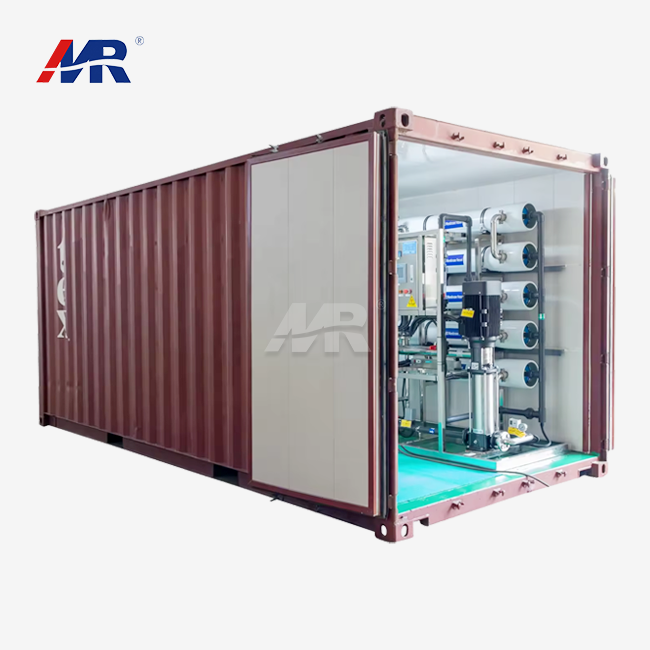 VIEW MOREmobile container reverse osmosis equipment
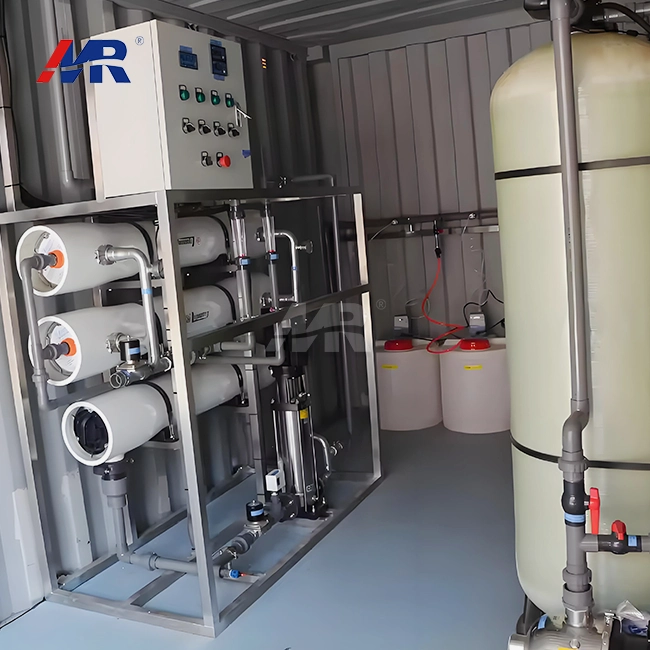 VIEW MOREcontainerized reverse osmosis system
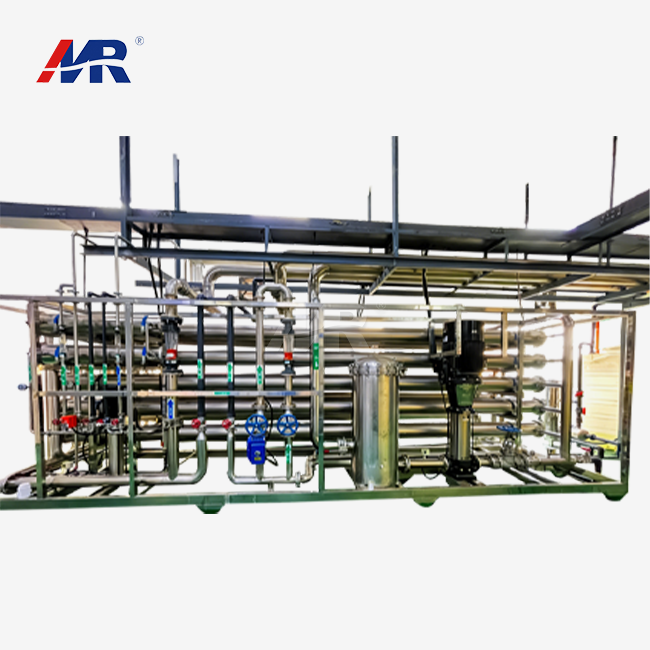 VIEW MOREnew ro system
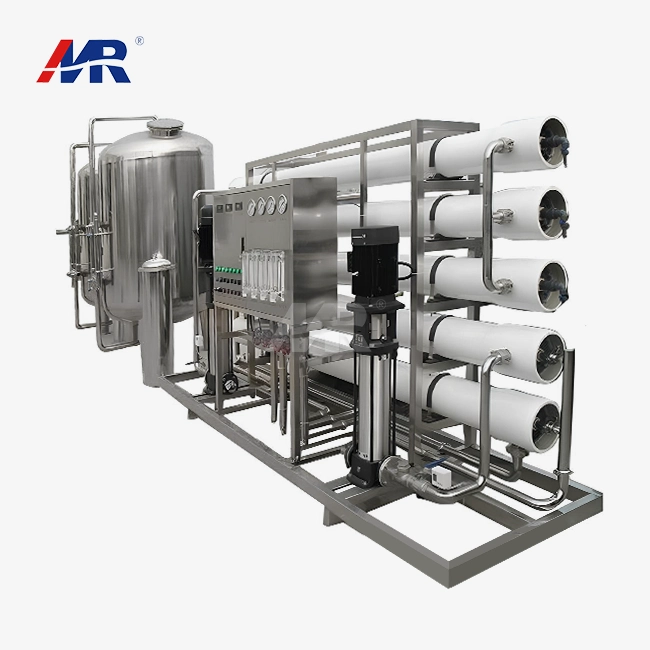 VIEW MOREbrackish water reverse osmosis
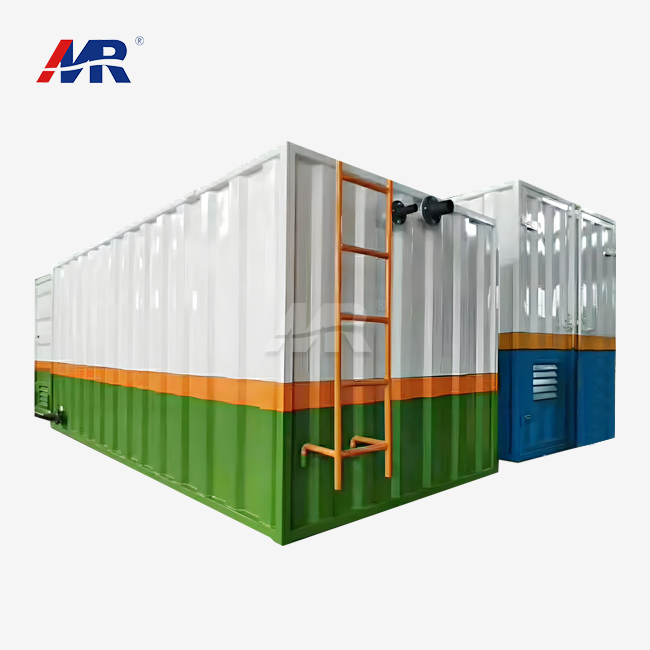 VIEW MOREindustrial sewage treatment plant
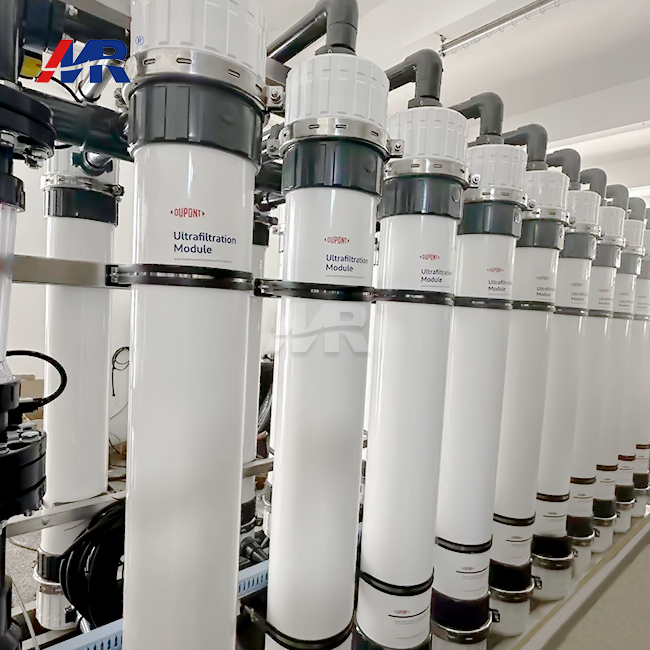 VIEW MOREultrafiltration water treatment system
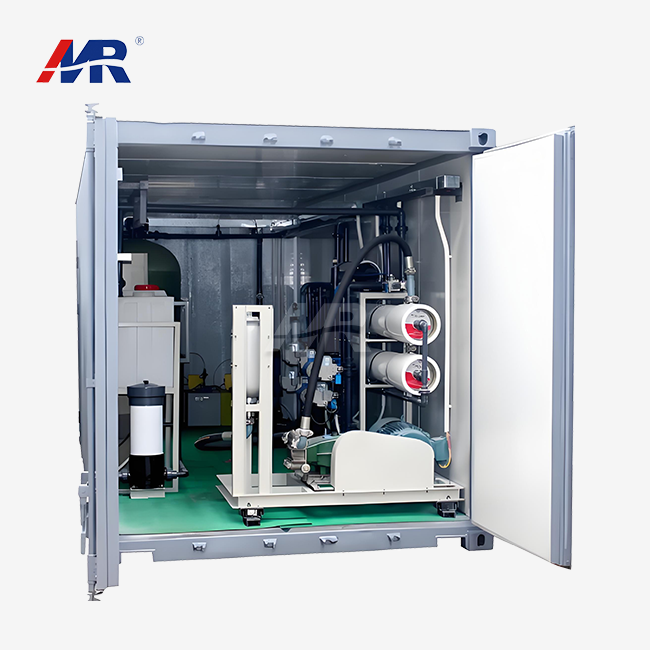 VIEW MOREcontainerized UF+RO system
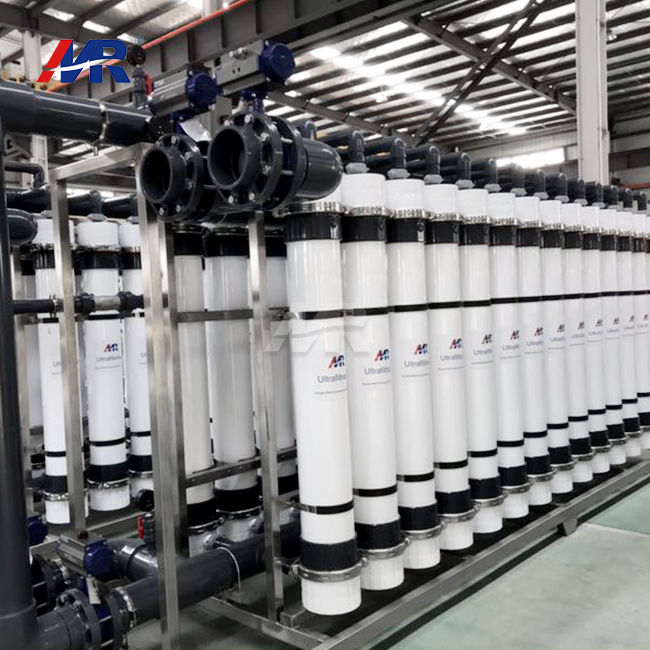 VIEW MOREultrafiltration machine
