



Why Does Sewage Treatment Struggle With Winter Ammonia Limits?
Sewage treatment struggles with winter ammonia limits because the bacteria that remove ammonia, called nitrifiers, grow slowly in cold water. Their activity drops sharply as wastewater temperature falls, so ammonia can pass through the plant even when BOD and solids removal look normal. Low alkalinity, short sludge age, hydraulic shocks, and toxic loads make the problem worse. Small and packaged plants feel it first because limited tank volume cannot absorb a seasonal loss. This guide explains the causes, shows how to diagnose them, and helps you choose a system that holds its permit limit in January.
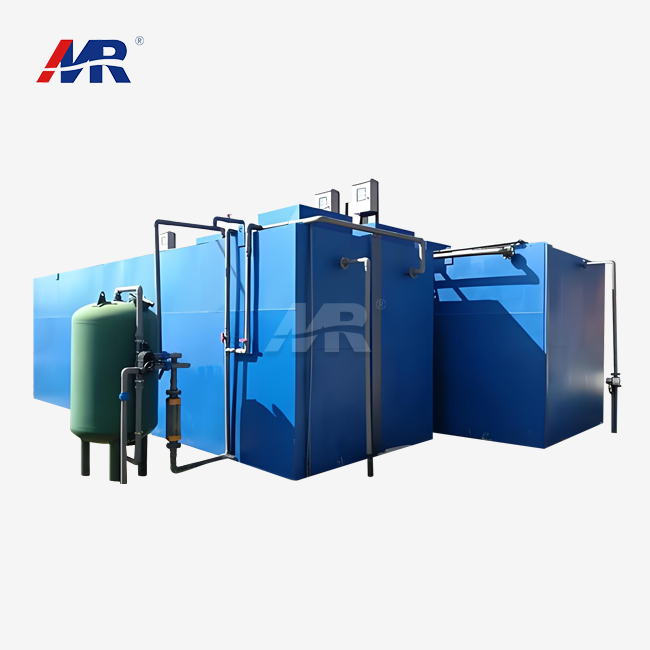
Why Does Winter Cold Slow Ammonia Removal?
How Does Nitrification Respond to Temperature?
There are two steps to nitrification. When bacteria break down ammonia, they make nitrite. When bacteria break down nitrite, they make nitrate. Nitrate is then turned into nitrogen gas by a process called denitrification. Nitrifiers take a lot longer to grow than bacteria that break down BOD. Design sources like Metcalf & Eddy use a temperature adjustment factor of about 1.07 per degree Celsius to figure out how to grow nitrifiers. This means that for every 10 °C drop, the rate cuts in half. A plant that nitrifies well at 20 °C (68 °F) needs about twice as long to age its sludge at 10 °C (50 °F). Then the amount of ammonia in wastewater can go up while the amount of COD stays the same.
Alkalinity, Oxygen, and pH Add Pressure
Most of the time, it's not just cold water. It takes about 7.14 mg of alkalinity in the form of CaCO3 and 4.57 mg of oxygen for nitrifiers to break down 1 mg of ammonia. Not having enough alkalinity makes the pH drop and nitrification go even slower. When blowers or diffusers can't move enough oxygen, the same thing takes place. For the most part, low DO in the winter means that the equipment is at full capacity or is carrying a heavy load. I check the pH and DO before anyone says they want to fix a Sewage Treatment Plant.
Why Seasonal Limits Hit Small Plants Hardest?
There are seasonal ammonia limits on many NPDES permits. These limits are set by the states based on the U.S. EPA's 2013 criteria for freshwater ammonia. When the water is cold, it's harder to meet these requirements. Risk is spread over a large area and for a long time by many large plants. There aren't as many operators, spare tanks, or small packaged units in hotel systems or community stations that are far away. In just a few hours, a storm, a cold snap, or a holiday rush can wash away active sludge. In cold water, that biomass can take weeks to grow back.
Diagnosing and Fixing Winter Ammonia Problems
Build a Winter Performance Baseline
Before I buy new gear, I get all of my winter data for the sewage treatment process. Notice the changes in temperature, DO, pH, alkalinity, MLSS, SRT, HRT, and the amount of sludge that settles that comes in and out. At the start, the aeration tank, the clarifier or membrane outlet, and the last exit, you should take samples. Then, compare the daily values to what they were like when the flow was high. The end of nitrification can be seen in the profiles of ammonia and nitrite. Next, compare the numbers to what was planned at the beginning. That's important because a lot of plants were built based on normal flow and mild weather, not on real winter loading.
Rule Out Hydraulic, Mechanical, and Toxic Causes
Biology isn't always the reason. It may look like a broken fan, clogged diffusers, worn pumps, or DO or ammonia monitors that move around are the cause of a nitrification failure. Peaks in the water flow shorten the time that the active biomass stays in the system and push it out. Another risk is that cleaning chemicals, solvents, salinity, and heavy metals can stop nitrifiers from working in just a few hours at industrial sites. Food and clothing factories should check their cleaning schedules and batch discharges for ammonia spikes. First, fix any issues with the flow or the tools. After that, you should decide if the process is too small.
Practical Process Fixes
In order to improve performance in the winter, you usually need to make a few changes that all work together. Less sludge should be wasted so that the SRT lasts longer and the biomass is protected during peak flows. Keep the pH and alkalinity levels in the right range, and if you need to, add more alkalinity. Double-check that the oxygen is getting to the right places through the blowers and diffusers. When there isn't much room in the tank, MBBR or IFAS carriers add biomass to make the flow and load changes smoother. With online tracking and alarms, problems are found quickly. Adding more air alone is not sufficient; extra air does not assist when SRT, pH, or toxins are the real limits.
Choosing a Winter-Ready Sewage Treatment System
Comparing Treatment Technologies
No single technology wins every case. Conventional activated sludge has been used before and works well, but SRT, DO, and settling need to be carefully managed. Changes in cycle times happen in SBR systems when flow rates change, but settling and control logic are still important. MBBR and IFAS nitrifiers stay on carriers, which is helpful for retrofits that don't have a lot of space. MBR keeps the waste behind a barrier, so sludge doesn't settle and slow down the sewage treatment. Real-world energy and maintenance data should also be compared to make sure the membrane is clean and the air is scoured. Pick the right technology for your load, flow rate, footprint, and staff skill level.
Build the Design Basis First
To make a good quote, you need to start with good material. Give details about the maximum and average flow rates, the amount of ammonia, COD, BOD, TSS, salt, toxicity, and the lowest temperature of the wastewater. Also say where it will be sent and what the limits are for effluent. Then, check how much nitrification they can do in the winter, as well as their SRT and HRT, oxygen transfer, alkalinity needs, automation, sludge production, and growth types. Each site has its own set of objectives. It's important for hotels to be able to handle changing flows, for hospitals to have backups and records, for food plants to do pretreatment and pilot tests, and for remote sites to be safe from freezing and easy to run.
Avoid Common Procurement Mistakes
Many winter fails start on paper. You won't have any room for a cold month if you only plan for normal weather and flow. If you only look at the price of the tools in a packaged plant, you might not see how much it costs for things like concrete work, insulation, chemicals, service, moving sludge, and so on. Systems might not work as well as they could if sensors are not put in the right places, mixing is not done well, or operators are not trained enough. Ask each price quote for a process plan, a list of all the equipment that will be used, terms for starting up the machine, a warranty, spare parts, and the total cost of the machine over its entire life. Find out early on what forms and permissions are needed in your area.
How Morui MBR Systems Support Winter Compliance?
Why Membrane Separation Helps Nitrifiers Stay
Our MBR systems treat the water biologically and use hollow-fiber ultrafiltration membranes with holes that are 0.2 microns wide. As long as there is a membrane between the active sludge and the clarifier, it stays in the bioreactor. People who run a long SRT don't have to worry about bad settling or washout. Plus, sludge that has been aged longer has time for nitrifiers that grow slowly to build up in cold water. Still, cold makes living things move more slowly, so we size each plant based on the lowest temperature and ammonia load of your wastewater instead of nominal daily capacity.
Product Advantages
Here are the core advantages of our sewage treatment plant MBR system:
- Effluent quality: The system delivers effluent turbidity of less than 0.5 NTU, it gets rid of more than 95% of BOD and more than 90% of COD, it gets rid of more than 80% of nitrogen and more than 90% of phosphorus. That means the water is safe to use again and can be released into the environment. The membrane barrier also keeps a steady flow of water with low solids for disinfection to use.
- Automation: Aeration, cleaning the membrane, and normal operations are all taken care of by automatic process control, so fewer people need to do the work. Places that aren't being watched can get help with repair and operation from afar, and PLC control lets staff act quickly when temperature, DO, or flow conditions change during a cold spell.
- Footprint and sludge: The small footprint is good for places with little room, and the modular design lets it grow from 100 m³/day up to 100,000 m³/day. Less sludge means less money spent on getting rid of it, and since the system uses fewer chemicals than old systems, it costs less every day to run.
Workflow and Application Fit
Screening and removing grit is the first step in the treatment process. After the first cleaning, there is aerobic and anoxic biological treatment, mbr membrane filtration, disinfection, and sludge treatment and disposal. Nitrification and denitrification are supported by the anoxic and aerobic zones, and the membrane keeps the solids separate. This plan is used for city wastewater, wastewater from food and drug factories, stations that are spread out, reusing water, and making regular plants that are already in use better. Morui makes its own membranes and can design tanks or containers to fit your needs. It can also set up and start up systems. As an agent, we also sell Shimge pumps, Runxin valves, and Createc instruments.
Conclusion
The main reason sewage treatment fails in the winter is that nitrifiers take longer to grow in cold water. These issues get worse when there is low alkalinity, little oxygen flow, hydraulic shocks, and toxic loads. Because a lot of the reasons are the same, you should get winter data and check the equipment and flow before you change anything or add more air. If you use process control, equalization, carriers, and monitoring, you can get the performance back. But each system has pros and cons when it comes to maintenance, room, and power. For MBR to work, the sludge needs to be the right size for the lowest temperature and the real load. It also needs to be able to keep the biomass behind a barrier for a long time. For regular compliance, it's important to have correct design data, compare lifetime costs, and do the right commissioning.
FAQ
Q1: How much does cold water slow nitrification?
A: Design guides say that the rate drops by about 7% for every degree Celsius. This means that the rate cuts in half every 10 °C. In plants that are below 10 °C (50 °F), sludge needs a lot more time to age.
Q2: Does more aeration fix high winter ammonia?
A: Only when the only thing that can't be used is oxygen. Check the SRT, alkalinity, pH, and toxicity first.
Q3: Can an MBR meet winter ammonia limits?
A: The SRT lasts longer with the help of an MBR because it keeps living organisms in the line. The best temperature and amount of ammonia in the wastewater still need to be taken into account in the design.
Q4: What should a cost comparison include?
A: Besides the price of the membrane, you should also think about how much it costs to install, run, clean, and provide good customer service.
Q5: What data do you need for a quote?
A: Send the size of the area you can use, the power source, the range of flows you want to use, the highest and lowest temperatures, and your plan.
Talk to Morui About Your Winter Sewage Treatment Needs
Send Morui your flow range, information about the input, maximum and minimum output temperatures, and flow rates for sewage treatment. Once that's done, our engineers will give you an MBR design that works. Our company cleans up sewage and has its own membrane plant. We can help you set up, install, and use our tools. Email benson@guangdongmorui.com to get more information about the job and a price.
References
1. Metcalf & Eddy, Wastewater Engineering: Treatment and Resource Recovery, 5th Edition, 2014
2. U.S. Environmental Protection Agency, Nitrogen Control Manual, 1993
3. Water Environment Federation, Design of Water Resource Recovery Facilities, Manual of Practice No. 8, 2018
4. Judd, S., The MBR Book: Principles and Applications of Membrane Bioreactors for Water and Wastewater Treatment, 2010
5. U.S. Environmental Protection Agency, Aquatic Life Ambient Water Quality Criteria for Ammonia – Freshwater, 2013
6. Le-Clech, P., Chen, V., and Fane, T.A., "Fouling in Membrane Bioreactors Used in Wastewater Treatment," Journal of Membrane Science, 2006
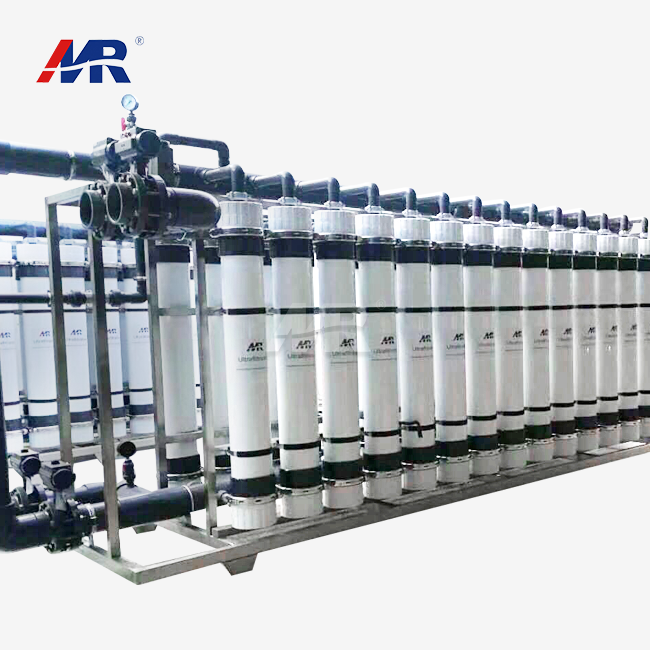 VIEW MOREUltrafiltration Systems
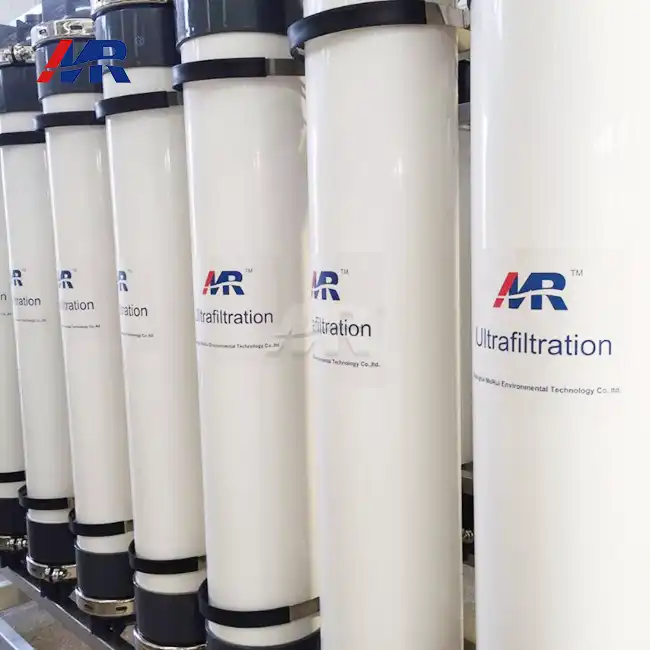 VIEW MORE90T/H ultrafiltration equipment
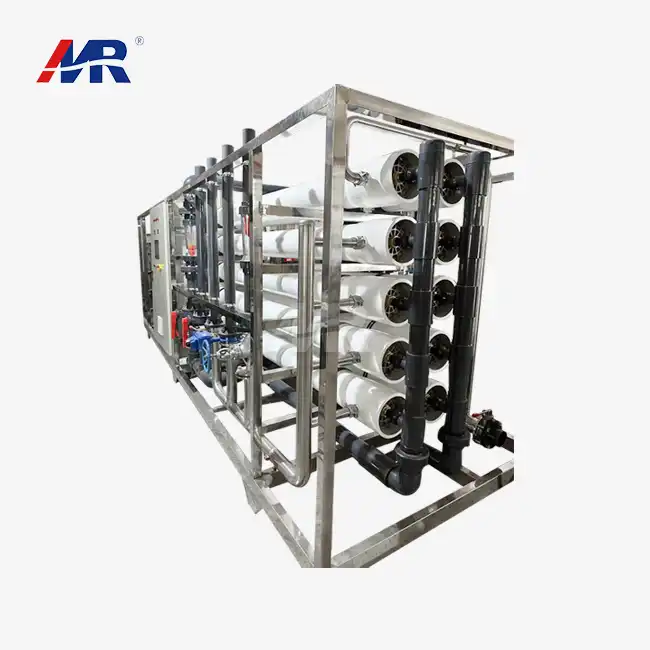 VIEW MORE50m3/hour reverse osmosis equipment
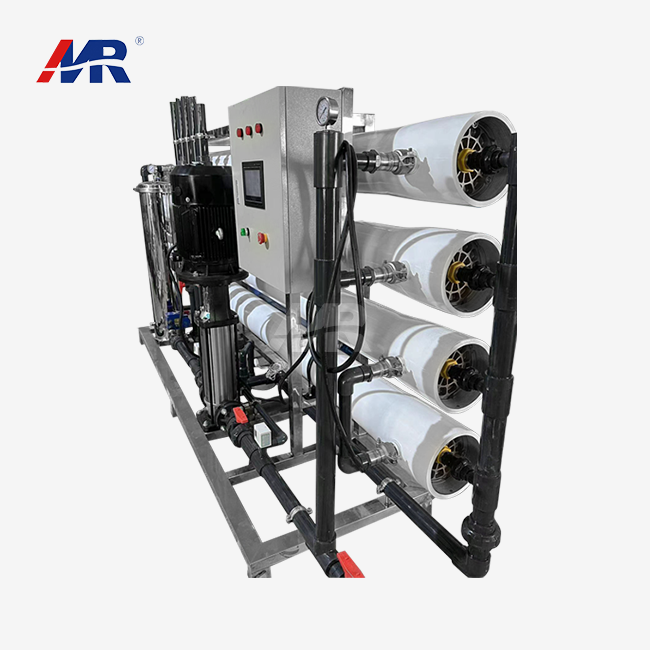 VIEW MOREunder counter reverse osmosis water system
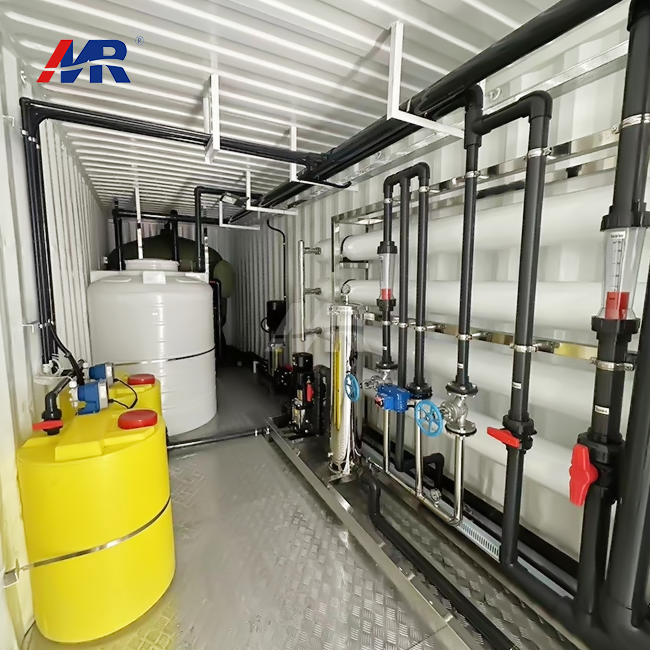 VIEW MOREcontainer reverse osmosis equipment
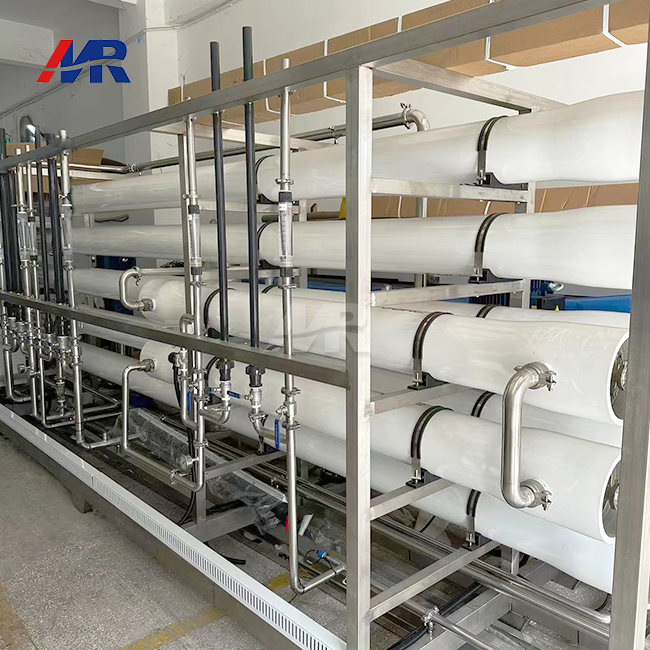 VIEW MOREosmosis drinking water system
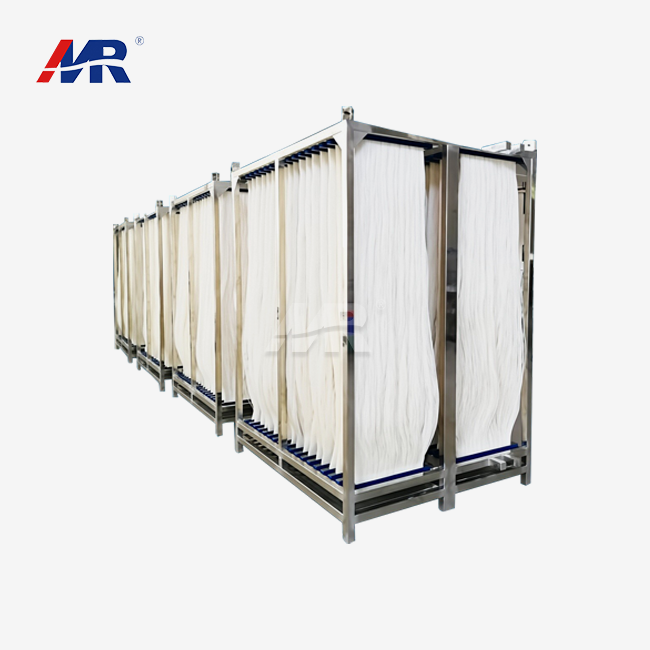 VIEW MOREbioreactor wastewater treatment
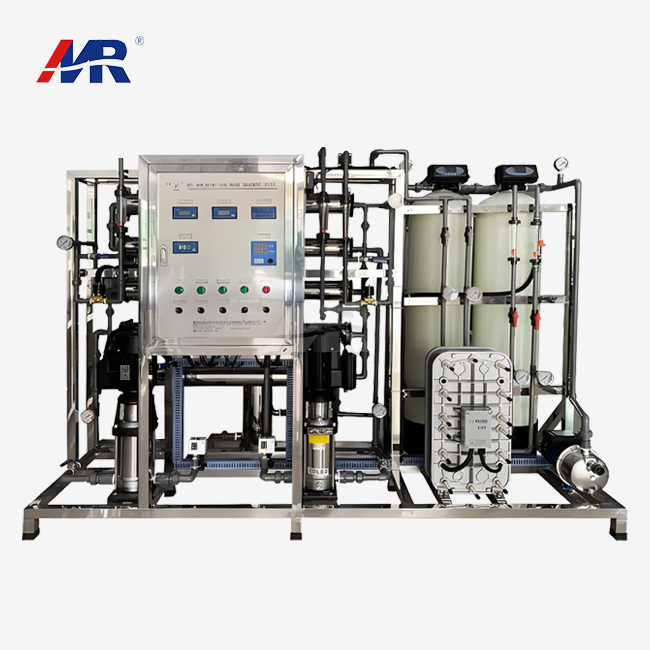 VIEW MORE500LPH EDI equipment
