_1745823981883.webp)

RO Membrane Fouling: Causes, Warning Signs, and Fixes for Plants
RO membrane fouling represents one of the most critical challenges facing industrial water treatment facilities today. When contaminants accumulate on the surface of an ro water filter membrane, the result is decreased efficiency, higher operational costs, and potential system failure. Understanding this phenomenon allows plant managers to implement preventive strategies, maintain consistent water quality, and extend equipment lifespan. The complexity of fouling demands a comprehensive approach that combines monitoring, maintenance, and strategic procurement decisions tailored to specific industrial applications.
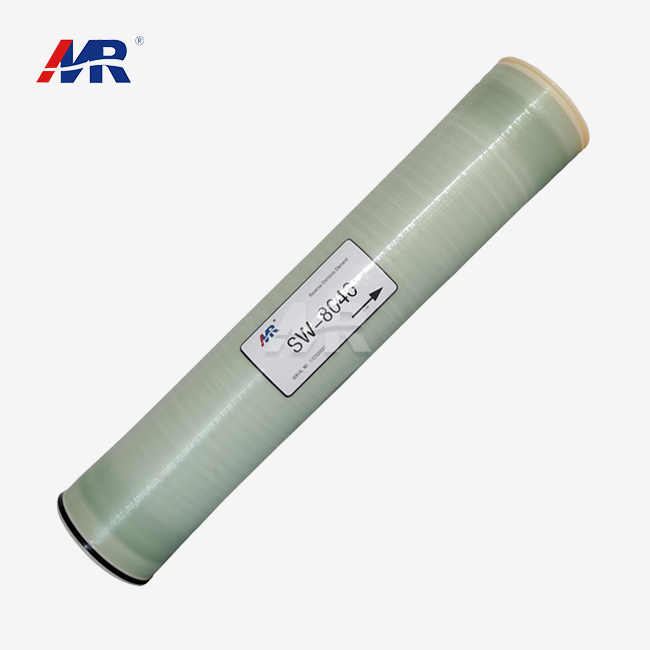
Understanding RO Membrane Fouling
What Causes Membrane Fouling?
When suspended solids, organic matter, living things, or mineral scales stick to the membrane surface, they create barriers that make it hard for water to pass through. This is called membrane fouling. The membrane of the RO water filter works under high pressure to separate dissolved solids from water. However, this pressure can push foulants against the membrane surface, which slows down its performance. Feed water quality directly affects fouling rates; source water with higher amounts of silica, iron, or organic molecules has a higher fouling risk than water that is cleaner.
Types of Fouling in Industrial Systems
Different toxins cause different fouling patterns that need different treatments. Knowing about these groups helps technical teams come up with targeted ways to respond.
- Particulate Fouling: Solids in suspension, such as silt, clay, and colloidal particles, block the holes in the membrane. This type usually affects plants that get their water from outdoor sources or that don't have enough pretreatment filtering. The buildup makes a physical barrier that slows the flow of percolate even when the salt rejection stays the same.
- Scaling: Inorganic mineral precipitation happens when salts that are only slightly soluble go over the limits of how much they can dissolve in a certain amount of water and at a certain temperature. In industrial settings, calcium carbonate, calcium sulfate, barium sulfate, and silica scales are often to blame. Scaling usually happens over time and shows up as hard, crystalline deposits that can't be removed by washing.
- Biofouling: When microbes grow on membrane surfaces, they make biofilms that trap other contaminants and make the membrane less permeable to water. Bacteria, algae, and fungi do well in feed water that is high in nutrients, especially when it is warmer outside or when chlorine levels drop below what they need to be effective. Once it starts to form, biofilm can grow very quickly, so it's important to act quickly.
- Organic Fouling: Oils, detergents, natural organic matter, and other carbon-based chemicals stick to membrane surfaces and reduce the area that can effectively filter. Because of how their process water is made, pharmaceutical and food processing plants often have to deal with organic fouling.
Membrane Type Considerations
Thin Film Composite membranes are used a lot in industry because they are better at keeping chemicals and salt out. These membranes can handle pH levels between 2 and 11, so they can be cleaned with strong chemicals when needed. They can still be damaged by chlorine, though, so they need to be completely dechlorinated upstream. Cellulose Triacetate membranes can handle chlorine, but they only work in a smaller range of pH levels and usually reject less salt. Your choice of membrane affects both how easily it fouls and the cleaning protocols you can use. This makes it an important choice during system design.
Warning Signs of RO Membrane Fouling in Plants
Performance Indicators That Signal Problems
Monitoring key performance metrics lets you find fouling early, before a system fails in a big way. When the plant is first turned on, the people in charge should take standard data and keep track of any changes over time.
The first sign of clogging is often a drop in permeate flow. There is probably damage to the membrane surfaces when flow drops by 10-15% from the adjusted average values. When differential pressure goes up, permeate flow through the system gets slower. A 15% rise usually means that something needs to be looked into right away. Less salt rejection is more likely to be caused by membrane damage or seal failures than by simple fouling, though heavy fouling can sometimes cause passage increases. Changes in the quality of the product water show up as higher TDS readings or specific contaminants getting through, which suggests that the filtering system isn't working as well as it should.
Diagnostic Tools and Monitoring Systems
A good way to deal with fouling in an ro water filter membrane is to follow regular testing protocols. Flux readings show how fast water moves through the membrane, and TDS meters check how well it rejects salt. Putting pressure gauges at the system's entry, interstage, and concentrate discharge points shows patterns in the fluid that show where fouling is happening. During routine maintenance, visual checks can find external fouling on lead elements or problems with the housing.
Modern facilities use real-time tracking systems that keep an eye on a number of factors all the time and send out automatic alerts when values go above certain limits. Response times drop from days to minutes thanks to these systems. This keeps small problems like fouling from becoming big ones that stop operations. Integrating with SCADA platforms lets you keep an eye on operations at multiple sites from afar. This is especially helpful for public services and big businesses that are in charge of handling distributed water treatment assets.
Effective Fixes and Maintenance for RO Membrane Fouling
Chemical Cleaning Protocols
To get rid of fouling, you need to match the cleaning chemicals to the type of contamination. Biofilms and organic waste can be removed successfully by alkaline cleaners that contain sodium hydroxide, EDTA, or surfactants. Mineral scales can be removed by acid cleaners that use citric acid, hydrochloric acid, or special mixes of the two. In some situations, cleaning must be done in a certain order: alkaline first to get rid of organics and biofilms, then acid to get rid of underlying scale deposits.
Cleaning processes usually have several steps that work together to get rid of contaminants as efficiently as possible while keeping the membrane's structure. First, the system is flushed to get rid of any loose waste. Next, a cleaning solution is circulated at a certain temperature and pH level for 30 to 60 minutes. Soaking times let chemicals get into layers of foulant that are packed down. Before putting the system back into service, it needs to be rinsed well to get rid of any chemical residues. It is very important to keep the temperature under control while cleaning. Higher temperatures make the cleaning process more effective, but they must stay below the damage thresholds for membranes, which are usually 35–40°C for most industrial membranes.
Cleaning Frequency and Preventive Maintenance
Finding the best cleaning times combines the cost of cleaning and the wear and tear on the membrane with performance maintenance. Most factories set triggers instead of set schedules. For example, they clean when the normalized pressure drop goes up by 15%, the normalized permeate flow goes down by 10%, or the normalized salt passage goes up by 5–10%. Applications with a lot of dirt may need to be cleaned once a month, while well-designed systems with good preparation could go six months without needing to be cleaned.
Optimizing the feedwater before treatment is also part of preventive maintenance, which goes beyond reactive cleaning. Before they get to the membranes, loose solids are taken out by multimedia filtration. Dosing antiscalant stops mineral precipitation by stopping crystals from growing and forming. Using chlorine and then dechlorination to control biological activity without hurting membranes that are sensitive to chlorine is possible. When you smooth water, the hardness ions that cause scaling are taken away.
When to Replace Rather Than Clean
Decisions about replacement should be based on economic analysis. Under normal conditions, membranes should last between 3 and 5 years, but tough uses can make this much shorter. When cleaning is done more often than once a month or when cleaning stops working as well as it should, replacing it becomes cheaper than keeping trying to clean it. If a membrane fails catastrophically and salt rejection loss happens all of a sudden, the element needs to be replaced right away to protect equipment further down the line and keep the product water specifications.
Comparative Insights: RO Membrane Fouling vs. Other Filtration Technologies
Technology Performance Comparison
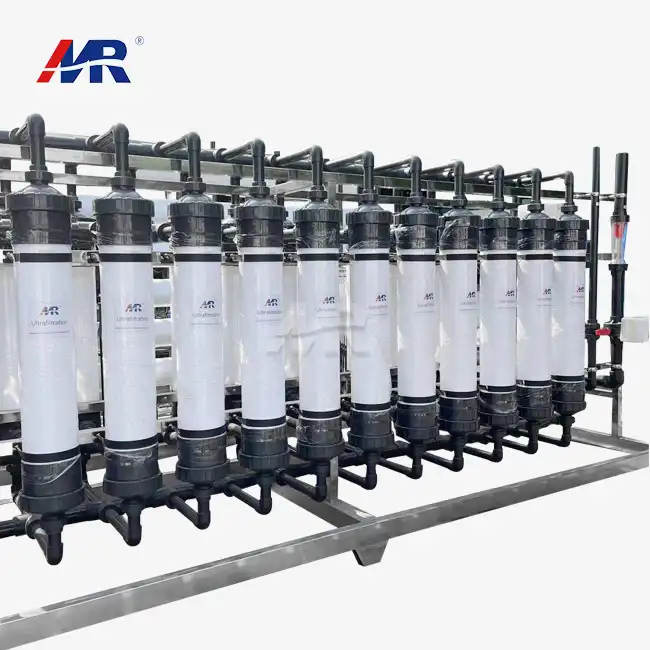
Reverse osmosis is a special kind of water treatment technology that gets rid of dissolved contaminants better than any other method. Ultrafiltration membranes with pores about 0.01 microns wide get rid of bacteria, viruses, and colloids, but they let salts that have been taken out of the water through. UV decontamination kills microbes without physically removing them, so cell pieces and other contaminants stay in the water. The ro water filter membrane can get rid of 95–99% of salt, which makes it essential for uses that need water that doesn't have minerals in it.
Fouling resistance changes a lot between systems. Ultrafiltration membranes can handle more solids in the fluid and can handle stronger backwashing, but they still need to be cleaned with chemicals every so often. UV systems have fouling on the lamp bands that makes disinfection less effective but makes cleaning easier than with membrane systems. Most industrial plants use more than one technology in their treatment trains because of the trade-off between how well they remove contaminants and how easily they get clogged. For example, ultrafiltration is used for cleaning, and reverse osmosis is used for final finishing.
Membrane Material Performance
In most industrial settings, thin film composite architecture works better than other options. The thin polyamide active layer and the porous polysulfone support work together to make these membranes. They do a great job of blocking salt while keeping flux rates reasonable. Their ability to fight chemicals used for cleaning makes them last longer when they are properly maintained. When looking at energy efficiency, TFC membranes usually win out because they produce higher flux rates with lower pressure needs than CTA membranes that produce the same amount of permeate volume.
Brand Considerations for Industrial Applications
When choosing membrane suppliers, you need to look at their technical specs, quality Certifications, and customer service options. Well-known companies like Dow Filmtec have built their names by performing well in harsh industrial settings for decades. These high-end brands usually go through a lot of quality control checks, such as salt rejection testing according to ASTM D4194 standards, vacuum leak testing to make sure the structure is solid, and flux verification to make sure the rated capacity is met under certain conditions. Advanced makers use atomic force microscopy to measure surface roughness, which is related to anti-fouling properties, and scanning electron microscopy to look for surface flaws. Premium brands cost more at first, but because they are reliable and work consistently, they often have a lower total cost of ownership because they last longer and need less upkeep.
Procurement and Supply Chain Considerations for RO Membranes in Plants
Balancing Cost and Quality
Choosing how to buy membranes has a big effect on the long-term economics of operations. Price differences are caused by changes in membrane materials, manufacturing precision, quality control rigor, and the name of the provider. When replacement costs, cleaning costs, and production breaks are taken into account, the cheapest choice is rarely the best deal. Large facilities often make deals to buy in bulk, which lowers the cost per unit and makes sure that supplies stay steady through multiple maintenance cycles.
Supplier Selection Criteria
Beyond product specs, the long-term success of a relationship depends on the skills of the supplier. Certifications like ISO 9001 quality management and NSF/ANSI 61 drinking water system component certification show that the product meets quality standards. Verification of the product's authenticity stops fake membranes from getting in. This risk is reduced by buying from authorized dealers or straight from makers. There are different types of warranties, ranging from basic flaw protection to performance guarantees. Some providers offer repair programs that are prorated when membranes don't last as long as they're supposed to under normal working conditions.
Having access to technical help is often just as useful as the barrier itself. Suppliers who give application engineering help make sure that the design of the system works best with the features of the feedwater. Troubleshooting help during operational problems speeds up problem resolution and limits the time that production is interrupted. Training programs for plant operators teach them how to handle and clean membranes properly, which makes maintenance more effective and extends their useful life.
Logistics and Lead Time Management
Planning the supply chain stops membrane failures from causing unplanned downtime. If you know how long the usual wait time is for the membrane types you want, you can schedule orders before the membranes you already have run out of life. International goods take weeks or months to arrive, but domestic storage by suppliers or carriers speeds up delivery. In some big sites, spare membranes are kept on hand for systems that are very important and where the cost of downtime is higher than the cost of keeping the inventory. Shipping methods affect both cost and delivery time. For example, plane freight gives fast delivery at high costs, while ocean freight is cheaper but takes longer.
The RO water filter membrane market includes a wide range of uses, from small under-sink systems in homes to huge desalination plants for cities. Pharmaceutical manufacturing, microelectronics fabrication, and power generation all use industrial process water, which needs to be very pure and meet strict requirements. For these important uses, choosing high-quality membranes and getting full help from the provider are necessary to keep production going. Desalination and wastewater reclamation systems deal with feed water that is very foul, so they need strong membranes that were made to handle tough conditions. The severity of your application should guide both the membrane you choose and the supplier partnership you make.
Conclusion
To manage ro water filter membrane fouling well, you need to combine technical knowledge with systematic monitoring, preventative maintenance, and smart buying decisions. If plant workers know how fouling works and what the early warning signs are, they can fix small problems before they become expensive system failures. Cleaning membranes regularly according to the right steps increases their life and keeps the quality of the production. By choosing dependable membrane suppliers who offer both high-quality Products and Technical support, businesses can build partnerships that help them succeed. Spending money on good fouling control pays off in the form of less downtime, longer membrane life, and stable product water quality that meets your business needs.
Frequently Asked Questions
1. How often should industrial RO membranes be cleaned?
There are no set schedules for how often to clean; instead, it depends on the quality of the feed water and the rate of fouling. Most factories set performance-based prompts, like cleaning when the normalized pressure drop goes up by 15%, the normalized permeate flow goes down by 10%, or the normalized salt passage goes up by 5–10%. Systems that are well-designed and have good pretreatment can go six months without needing to be cleaned, but systems that are used in tough conditions need to be cleaned every month. Instead of waiting for serious fouling, keeping an eye on trends lets you act quickly, which keeps things running smoothly.
2. What distinguishes TFC from CTA membranes regarding fouling resistance?
Thin Film Composite membranes are better at resisting chemicals that are used to clean, so they can be used for strong fouling removal when needed. Because they can handle pH levels from 2 to 11, strong acids and bases can be used to remove scale and organic matter. But TFC membranes need to be completely free of chlorine to stop reactive harm. Cellulose Triacetate membranes can handle some chlorine, but they only work in a smaller range of pH levels and usually don't reject as much salt, which limits the types of cleaning that can be done and their overall performance.
3. Can membrane fouling be completely prevented?
In real-world industrial settings, complete prevention is still not possible. However, thorough preparation cuts fouling rates by a large amount. Multimedia filtration gets rid of suspended solids, antiscalant treatment stops minerals from scaling, and proper cleaning stops living things from growing. Fouling vulnerability is affected by system design factors such as cross-flow velocity, recovery rate, and working pressure. Instead of getting rid of all fouling, the goal is to keep it at a level that allows for cost-effective operation.
Partner with Morui for Superior RO Membrane Solutions
With over 14 offices, 500 workers, and 20 expert engineers, Guangdong Morui Environmental Technology offers a wide range of water treatment services. Our membrane production plant ensures that quality control is maintained throughout the whole process. We also have a lot of experience with systems for treating industrial wastewater, desalinating seawater, and providing drinking water. We sell high-quality ro water filter membranes and also offer full installation and commissioning services. This is made possible by partnerships with top companies in the field, such as Shimge Water Pumps, Runxin Valves, and Createc Instruments. We are both a manufacturer and a supplier, so we can offer you competitive bulk pricing and technical know-how that lowers your operational costs and raises the reliability of your system. You can email us at benson@guangdongmorui.com to talk about your specific fouling problems and find custom solutions that will keep your plant running at its best.
References
1. Membrane Technology and Applications, Third Edition, by Richard W. Baker, John Wiley & Sons, 2012.
2. "Fouling in Reverse Osmosis Membranes: Mechanisms and Control Strategies," published in Desalination Journal, Volume 453, 2019.
3. ASTM D4194 Standard Test Methods for Operating Characteristics of Reverse Osmosis and Nanofiltration Devices, American Society for Testing and Materials.
4. "Industrial Water Treatment: Reverse Osmosis System Operation and Maintenance," Water Quality Association Technical Manual, 2021.
5. "Comparative Study of Membrane Materials for Desalination Applications," International Desalination Association Conference Proceedings, 2020.
6. "Chemical Cleaning Protocols for Fouled ro membranes in Industrial Settings," Journal of Membrane Science and Technology, Volume 11, Issue 3, 2021.