

_1745823981883.webp)

Containerized or Skid-Mounted? Choosing the Right Treatment Plant
When evaluating water purification infrastructure for industrial or municipal use, the decision between containerized and skid-mounted configurations often determines project success. Both modular water treatment plant designs deliver compact, scalable solutions capable of handling capacities from 50 to 10,000 m³/day. Containerized systems arrive fully enclosed in weather-resistant ISO containers, ideal for rapid deployment and harsh environments. Skid-mounted plants feature open-frame designs mounted on structural bases, offering superior accessibility for maintenance and customization. Understanding these distinctions helps procurement managers align technical requirements with budget constraints and operational timelines.
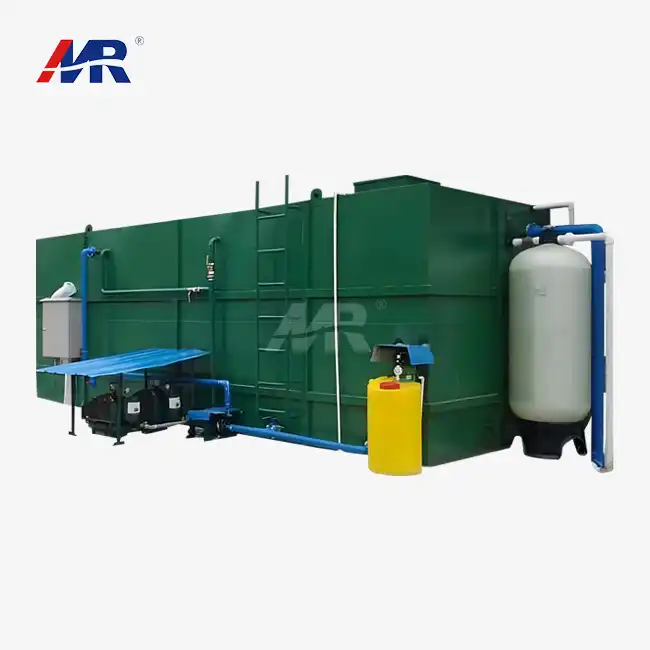
Understanding Modular Water Treatment Plants
Traditional water treatment plants are made of concrete. Modular water treatment systems are very different. These prefabricated units have pumps, filtration membranes, chemical dosing equipment, and automated controls all packed into small spaces that need 40–60% less room than regular designs. Corrosion-resistant materials like SS316L stainless steel and reinforced FRP composites are used in controlled factory environments to make sure that quality standards are always met.
Core Technology Components
Multi-barrier cleaning methods are used in modern modular systems. First, screening gets rid of big pieces of trash. Then, settling lowers the amount of solids that are suspended. Activated sludge or membrane bioreactors (MBR) are used for secondary biological treatment. These can remove up to 99% of biochemical oxygen demand (BOD), chemical oxygen demand (COD), and total suspended solids (TSS). For making ultrapure water or electrodeionization (EDI) devices that meet pharmaceutical-grade standards, advanced parts include reverse osmosis (RO) membranes. The average amount of energy used is 0.3 to 0.5 kWh/m³, which is a lot less than older infrastructure.
Containerized vs Skid-Mounted Architecture
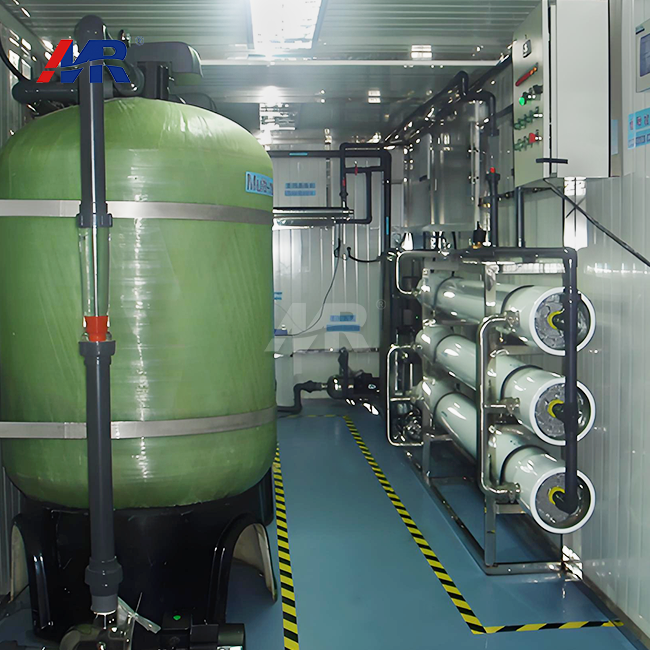
All of the equipment in containerized plants is kept in 20-foot or 40-foot shipping containers. This design keeps dust, high temperatures, and people who aren't supposed to be there from getting to sensitive instruments. Standardized ports let external tools join, which speeds up the installation process. Skid-mounted options put equipment on steel frames that don't have any walls on the outside. This open design makes it easier to change parts and lets engineers see how things work firsthand. Both types use PLC/SCADA automation for remote monitoring, but climate control systems are often built into containerized units to keep them at the right temperature for operation.
Key Factors in Choosing Between Containerized and Skid-Mounted Plants
To choose the right modular format, you need to look at the limitations and operating goals of the site. If you make the wrong choice, the lifecycle costs and operational complexity will go up.
Space Availability and Site Conditions
Facilities that don't have a lot of floor room can benefit from the vertical layout of equipment in containerized plants. A 40-foot container with a 500 m³/day capacity takes up about 320 square feet of space, which is about half the space needed by similar skid-mounted systems. On the other hand, places with good covered buildings might choose skid-mounted units instead of containerized ones to save money. Outdoor sites near the coast or in industrial parks that are exposed to corrosive air strongly prefer protected containerized designs, which keep equipment from breaking down too quickly.
Mobility and Relocation Requirements
Solutions that can be moved are needed for mining operations, short-term construction projects, and disaster relief situations. Containerized pieces can be shipped by truck, train, or ship as regular cargo, without having to be taken apart. Crane offloading makes it possible to start operations 48 to 72 hours after the utilities are connected. Custom crating and anchoring are needed for skid-mounted plants, which raises the cost of transport by 25–40%. But skid-mounted accessibility is better for permanent installs because it cuts down on upkeep work hours by up to 30% compared to working inside a container.
Scalability and Future Expansion
Parallel unit addition is a way for both architectures of a modular water treatment plant to support modular expansion. As production grows, a pharmaceutical company can add identical modules to keep the treatment the same, starting with a capacity of 200 m³/day. Skid-mounted systems are a little easier to install because engineers can connect the external pipes without having to cut into the container walls. Pre-engineered growth plans should include header lines that are too big and extra equipment pads to keep the cost of retrofitting as low as possible in the future.
Energy Efficiency and Environmental Performance
How much energy a business uses has a direct effect on its prices and its carbon footprint. Containerized plants often have combined designs that include heat recovery ventilation and better pump sequencing, which saves 10 to 15 percent of energy compared to options that are put together in the field. Skid-mounted systems let you choose the motors and variable frequency drives that work best for your process. When bought from certified manufacturers, both formats meet the requirements of NSF/ANSI 61 for drinking water and ISO 14001 for environmental management.
Cost and ROI Comparison: Containerized vs Skid-Mounted Solutions
A thorough financial study looks at more than just the purchase price; it also considers the total cost of owning over the product's 15–20-year useful life.
Capital Expenditure Breakdown
Most of the time, containerized units cost 20–35% more than regular units because they need more workers, structural barriers, and HVAC systems. A containerized MBR plant that can handle 1,000 m³/day costs between $450,000 and $650,000 all-in, while similar skid-mounted plants cost between $350,000 and $500,000. But costs for preparing the site change these calculations. Containerized plants only need concrete pads and service trenches, but skid-mounted setups need weatherproof buildings that cost an extra $80,000 to $150,000 to build.
Installation Timelines and Labor Costs
Rapid launching lowers the cost of funding and speeds up the time it takes to make money. After being delivered, containerized systems are fully operational four to six weeks later, after 200 to 300 hours of installation work. Skid-mounted plants need 8–12 weeks and 500–700 hours of work to position the equipment, make the pipes, and connect the electrical wires. When time is of the essence, like when a city needs an emergency water supply or when it needs to expand its production facilities to meet government schedules, these differences become very important.
Maintenance and Operational Expenses
Long-term running costs have a big effect on ROI. Skid-mounted designs make it easier to change filter cartridges and fix pumps because they don't get in the way. For mid-capacity plants, this could cut yearly service costs by $15,000 to $25,000. Containerized units might need limited space permits and specialized techs to get into, but some makers make wall panels that can be taken off, making them easier to get to. Levels of automation have a big effect on staffing needs. For example, fully automated systems with remote diagnostics allow a single operator to oversee multiple treatment trains, no matter what architecture they are built on.
Evaluating Suppliers and Selecting the Right Modular Water Treatment Plant Provider
The reliability of the equipment, the quality of the after-sales support, and the long-term value of the partnership for a modular water treatment plant depend on the supplier chosen. Capital investments are kept safe by strict vendor evaluation.
Manufacturer Credentials and Certifications
Suppliers you can trust keep their ISO 9001 quality management certification and ASME pressure tank fabrication qualifications up to date. For drinking water uses, parts must be certified to NSF/ANSI 61, and for pharmaceutical clients, production must follow CGMP guidelines. We at Morui have full Certifications for all of these standards, and our 14 regional branches and ability to make membranes in-house make sure that the supply chain is reliable. Our 20-person engineering team offers technical advice from the time you choose your equipment until it arrives.
Customization Capabilities and Technical Support
Standard modular platforms need to be changed to fit the water makeup and release rules of each site. Suppliers who offer computational fluid dynamics modeling, pilot testing programs, and performance guarantees show that they know a lot about engineering. Morui works with top component names like Shimge pumps, Runxin valves, and Createc instrumentation to make sure that system setups are as good as they can be. Support after installation should include training for operators, preventative maintenance plans, and emergency action 24 hours a day, seven days a week. We offer these services through our network of 500 expert staff across the country.
Performance References and Case Studies
Ask for documented installations in industries like yours. If a client in the food processing industry is looking at different methods, they should look at examples from breweries or dairy farms that show how they reduce COD and get water back. Municipal utilities can learn a lot from looking at crisis aid efforts that show they can be quickly put together. Third-party performance audits and utility usage records are two types of objective validation that go beyond what marketers say.
Practical Tips for Maintaining and Optimizing Your Modular Water Treatment Plant
Regular maintenance keeps treatments working well and makes equipment last longer, which protects ROI by lowering unplanned downtime.
Routine Inspection Protocols
Pressure gauges, flow meters, and membrane differential pressures should be checked visually every day. Effluent quality factors are checked once a week to make sure they stay within legal limits. Every month, the connections on the control panel, the state of the pump seals, and the working of the valve actuators are all checked. By following these steps, you can find fouling, scaling, or mechanical wear early on, before they become major problems. Automatic tracking systems send data in real time to operators' cell phones, so they can act right away if something goes wrong.
Common Troubleshooting Scenarios
When permeate flow drops, it's usually a sign that the membrane is getting clogged and needs to be cleaned chemically. High energy use could mean that the pump blade is wearing down or that the control valve isn't working right. Any strange noises or vibrations should be looked into right away to keep equipment from breaking down completely. Keeping extra parts on hand for parts that wear out quickly, like seals, membranes, and filters, cuts down on downtime. The expert support team at Morui can diagnose problems remotely and get parts to you quickly. Problems are usually fixed within 24 to 48 hours.
Upgrade Pathways and Technology Integration
New technologies can improve the performance of installations that are already in place. Adding ultrafiltration membranes to old filters makes them better at getting rid of pathogens while using fewer chemicals. Three to four times as much power is used when energy recovery devices are added to RO systems. Based on predictive analytics, IoT sensors and machine learning algorithms make the best use of chemical doses and cleaning cycles. Technology reviews done on a regular basis find changes that can be made at a low cost and make the plant more competitive.
Regulatory Compliance and Environmental Stewardship
Pollutants like nitrogen, phosphorus, and heavy metals are limited in very strict ways by wastewater discharge permits. Regular compliance tests and keeping records show that rules are being followed, which helps avoid fines that range from $10,000 to $50,000 per violation. Resource recovery projects that turn sludge into biogas or get valuable minerals out of concentrate streams make the process more sustainable and create income streams at the same time. Environmental reporting through tools like the CDP or SASB models improves a company's image, and stakeholders are placing more importance on ESG performance.
Conclusion
When choosing between containerized and skid-mounted modular water treatment plants, you need to think about how mobile you need to be, how much space you have, your budget, and how you like to maintain your plants. Containerized systems work best for quick deployment, harsh environments, and short-term uses. On the other hand, skid-mounted designs are better for permanent installations because they allow for easy access and customization over time. Both designs have been shown to work well for treatment when they are set up and kept up properly. Hiring experienced suppliers with strong support networks is the best way to make sure that implementation goes smoothly and operations stay at a high level in pharmaceutical, industrial, municipal, and specialized treatment settings.
FAQ
1. What are the main advantages of containerized plants over skid-mounted systems?
Containerized units protect against the weather, make things safer, make installation faster, and make movement easier. The sealed design keeps dust and other harmful substances from getting into sensitive electronics and membranes. This is especially helpful in dirty or corrosive industrial settings. Because they are easy to move, containerized formats are perfect for mining, military, and emergency response tasks that need to be moved around a lot.
2. How long does typical installation take for each system type?
Containerized plants are usually ready to go within four to six weeks of being delivered to the site. All that needs to be done is to connect the utilities and set up the control system. Skid-mounted installs usually take 8 to 12 weeks, which includes placing the equipment, making the pipes, installing the electricity, and checking everything thoroughly. Actual times depend on capacity, how ready the place is, and the approval processes of the government.
3. Can modular systems be customized for specific industry requirements?
Of course. Manufacturers set up treatment trains that deal with different substances and release standards. Multiple stages of RO and EDI are used in pharmaceutical applications to make 18-megohm ultrapure water. Food processors use clean-in-place (CIP) systems and sanitary fittings that meet FDA standards. To get rid of hydrocarbons, petrochemical plants use oil-water filters and activated carbon. Suppliers with a lot of experience, like Morui, can make custom Products for a wide range of industries.
Partner with Morui for Your Modular Water Treatment Plant Needs
Guangdong Morui Environmental Technology has a lot of experience treating sewage from factories, cities, and the sea, as well as making ultrapure water. As a well-known company that makes modular water treatment plants, we offer our own membrane production, smart partnerships for component production, and full installation services. There are 500 people on Our Team, and they offer complete solutions, from the original meeting to ongoing optimization. Our engineering experts create systems that meet your working needs and your budget, whether you need portable containers or access stations that are mounted on skids. Benson, our procurement specialist, can be reached at benson@guangdongmorui.com to talk about your water treatment problems and get personalized quotes.
References
1. American Water Works Association. (2021). Modular and Packaged Water Treatment Systems: Design and Application Guidelines. Denver: AWWA Press.
2. Water Environment Federation. (2020). Membrane Bioreactor Systems: Design, Operation, and Optimization. Alexandria: WEF Technical Publications.
3. National Research Council. (2019). Advancing Decentralized Water Treatment Technologies. Washington: National Academies Press.
4. Industrial Water Treatment Journal. (2022). "Comparative Analysis of Containerized versus Skid-Mounted Water Treatment Configurations." IWT Quarterly Review, 47(3), 112-128.
5. Environmental Protection Agency. (2021). Guidelines for Water Reuse: Municipal and Industrial Applications. EPA Publication 625-R-04-108.
6. International Desalination Association. (2023). Modular Desalination Technologies: Market Trends and Performance Benchmarks. Topsfield: IDA Technical Report Series.
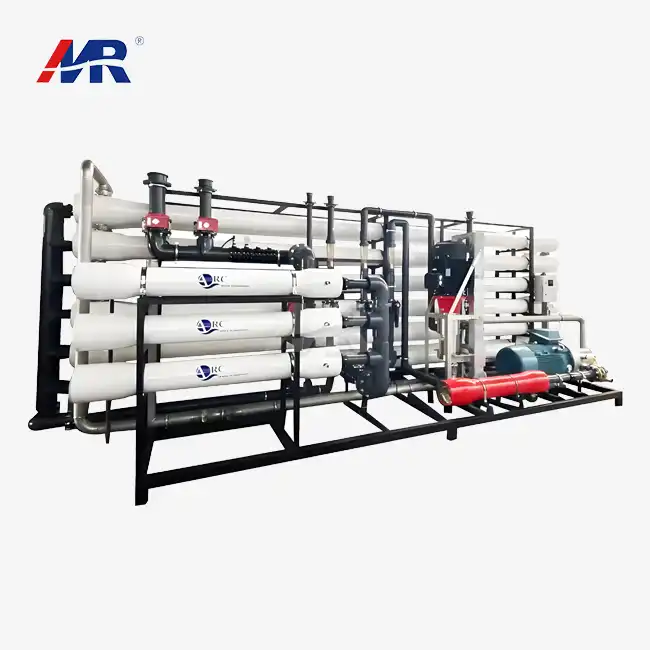 VIEW MORE25m3/hour seawater desalination plant
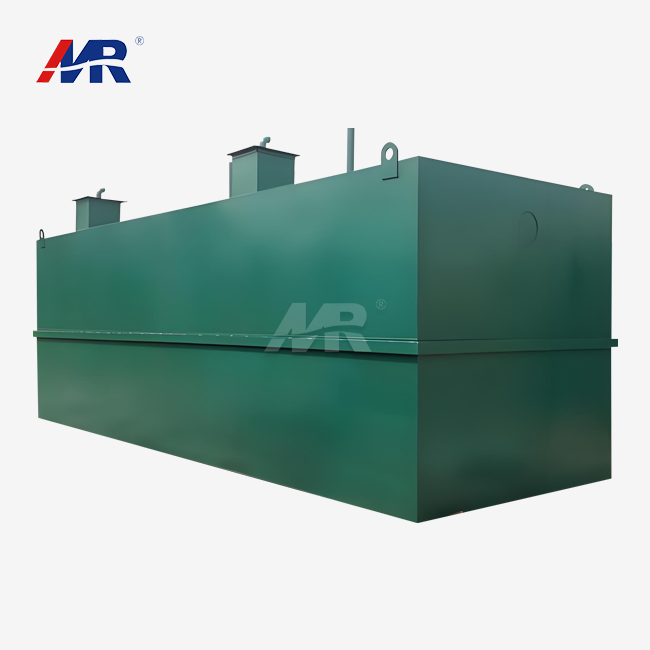 VIEW MOREwaste water treatment system
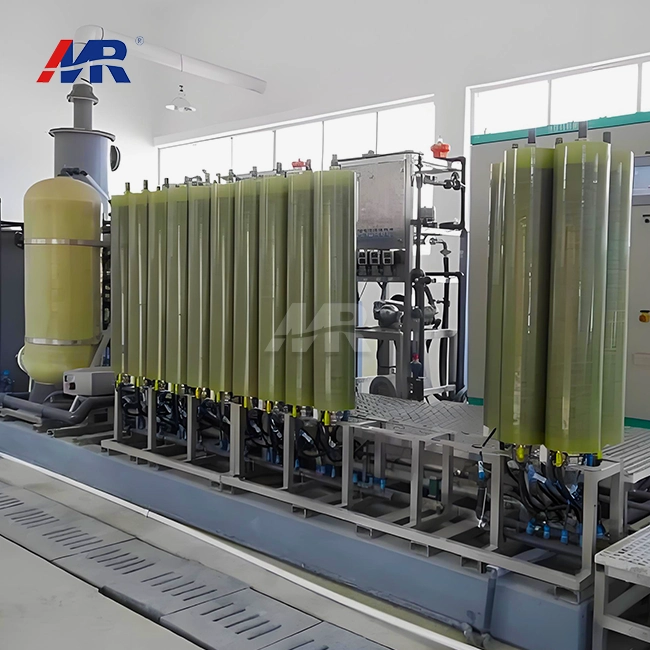 VIEW MOREDTRO Landfill Leachate Treatment
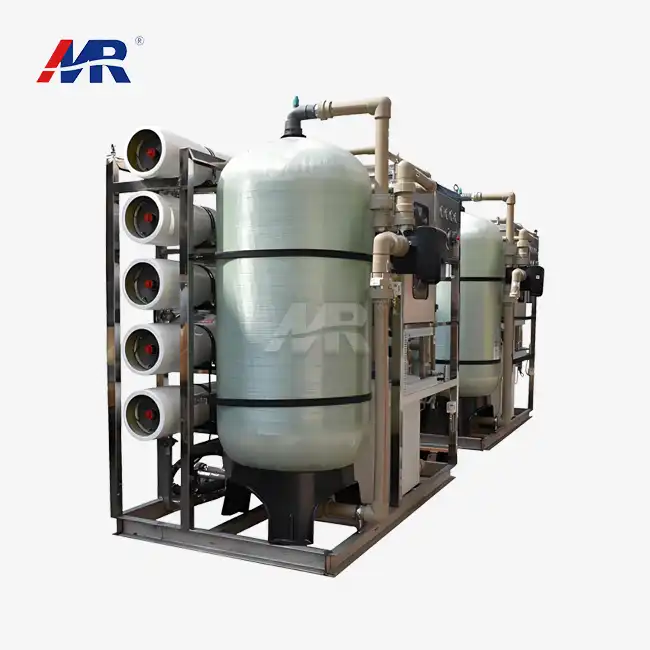 VIEW MORE8m3/hour seawater desalination equipment
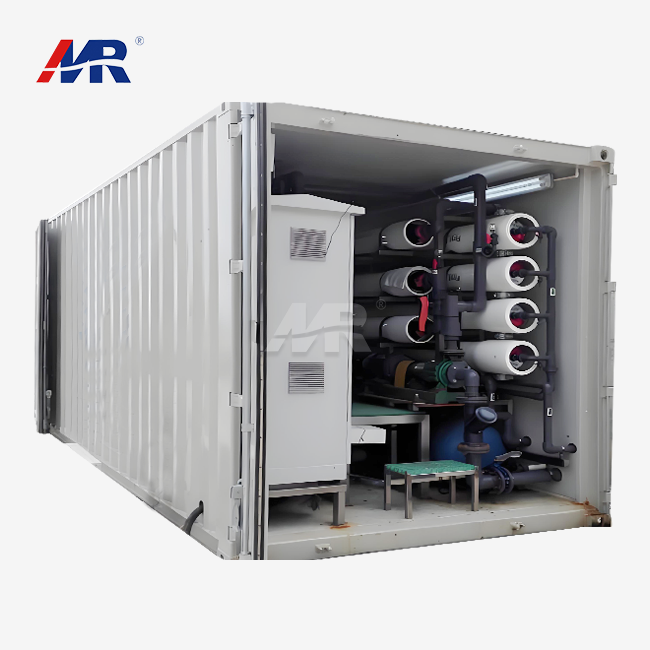 VIEW MOREcontainer seawater desalination equipment
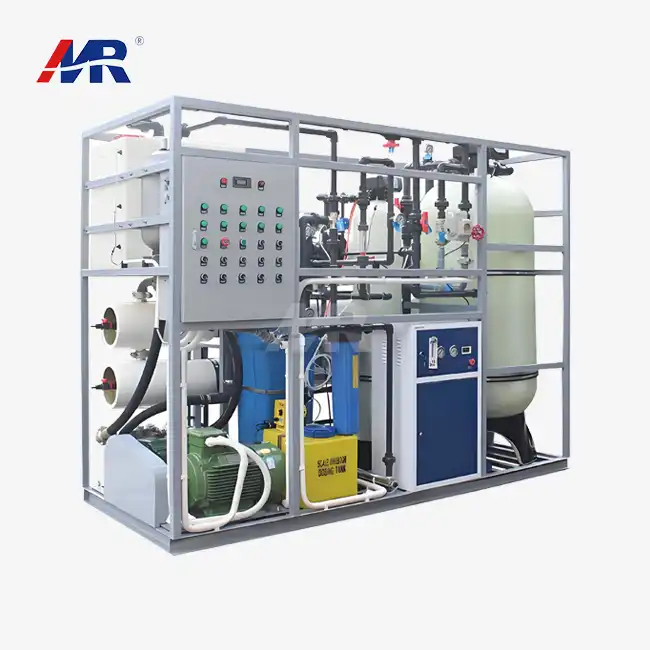 VIEW MORE2T/H seawater desalination plant
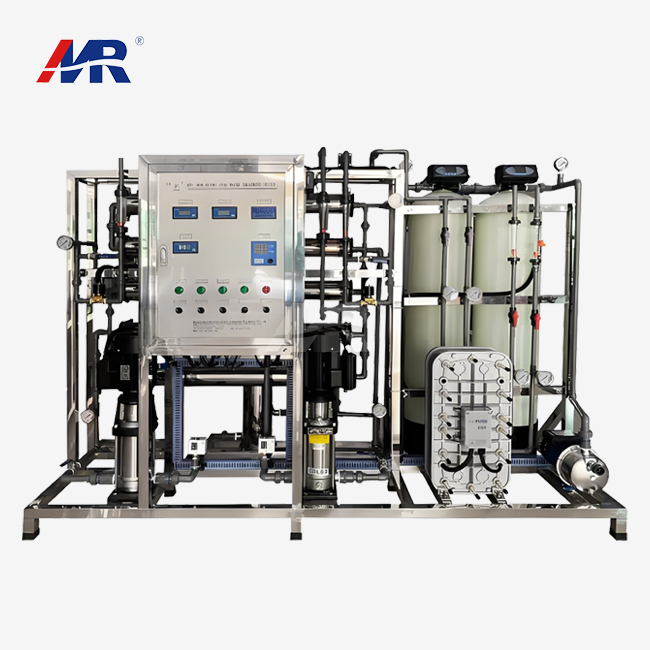 VIEW MORE500LPH EDI equipment
 VIEW MOREContainerized Mobile Water Treatment Systems
