_1745823981883.webp)

Reverse Osmosis Purification System vs. Distillation: Which Wins?
When selecting between a reverse osmosis purification system and distillation for industrial water treatment, RO technology emerges as the practical winner for most commercial applications. RO systems deliver exceptional contaminant removal—achieving up to 99.5% rejection rates—while consuming significantly less energy (3-5 kWh/m³) compared to distillation's intensive thermal requirements. The compact design, lower operational costs, and adaptability to varying feed water qualities make RO the preferred choice for food processing, pharmaceutical manufacturing, and municipal facilities where efficiency, scalability, and reliability directly impact profitability.
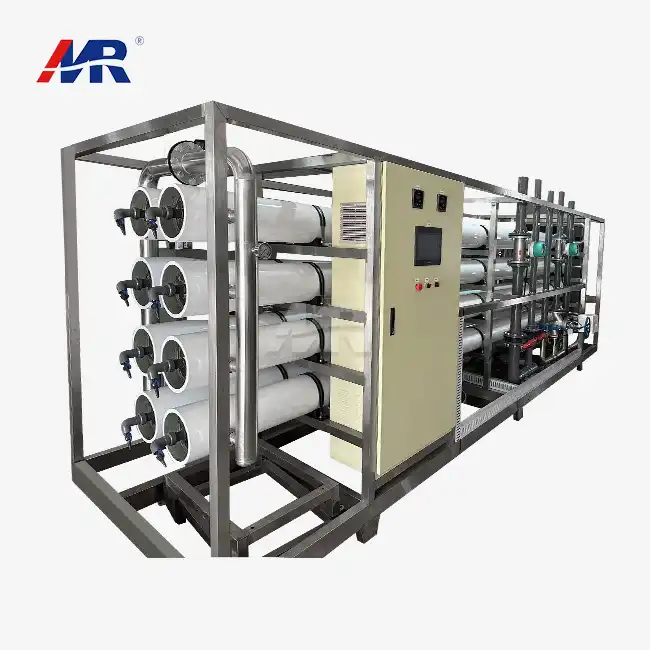
Understanding the Fundamentals of Reverse Osmosis and Distillation
How Reverse Osmosis Technology Works
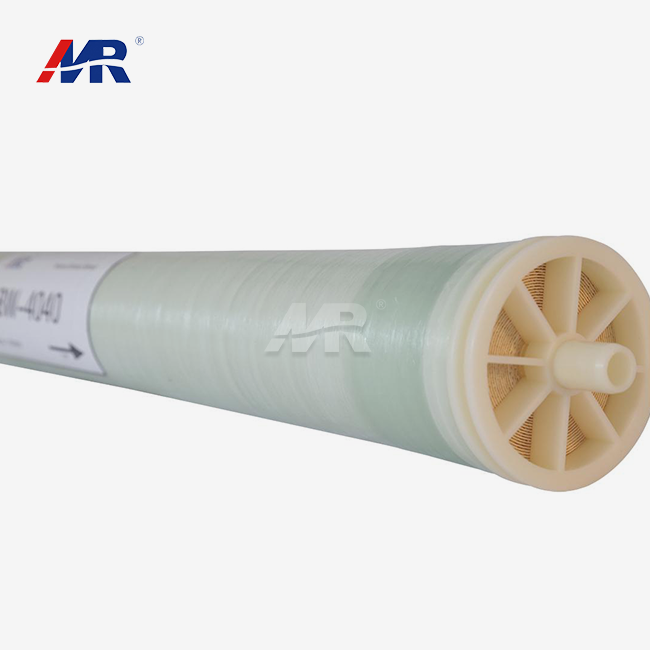
Applying hydraulic pressure (usually 150–300 psi) to overcome natural osmotic pressure is what reverse osmosis does through a semi-permeable membrane with pores that are about 0.0001 microns wide. Thin-film composite (TFC) membranes are pushed through by this, but dissolved salts, heavy metals, organic substances, and microbes are turned away. The process starts with pre-treatment steps that get rid of chlorine and big particles that could damage membranes. This is followed by high-pressure pumping, membrane filtration, and optional post-treatment steps that change the pH or add minerals. This precision filter solves important problems that regular ways can't, like lowering Total Dissolved Solids (TDS), getting rid of PFAS, and getting rid of microplastics.
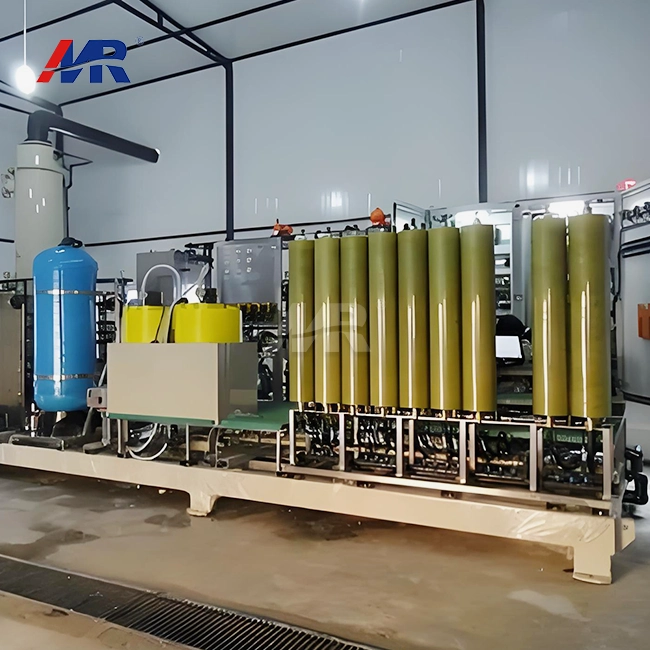
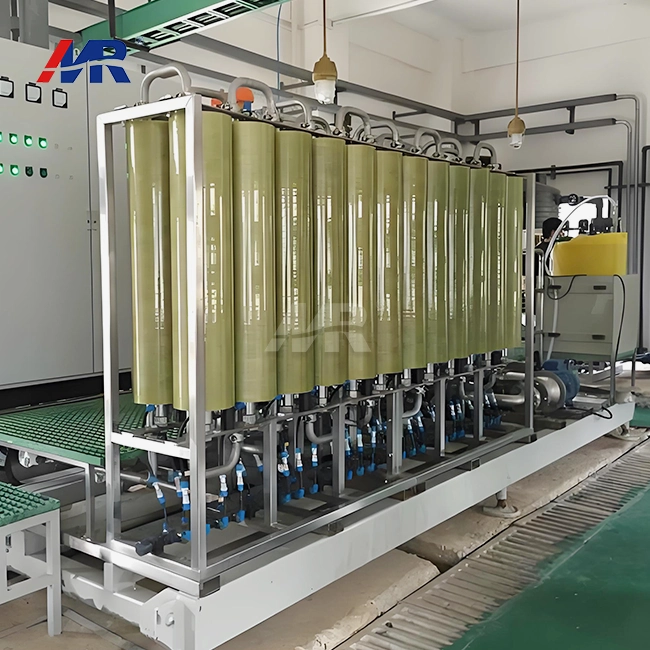
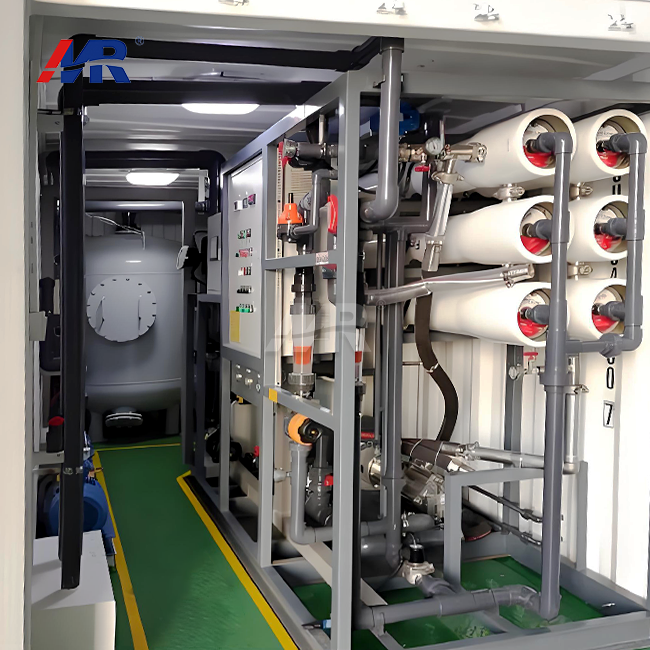
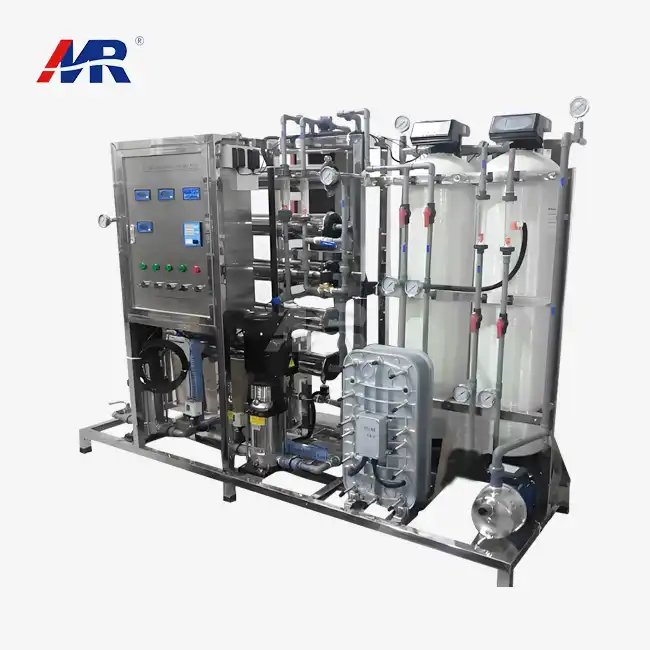
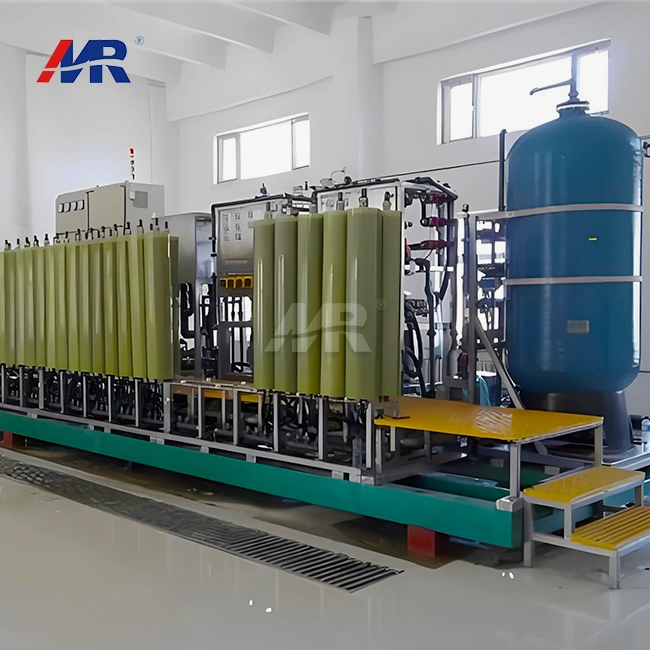
Modern RO systems have high-tech control systems that keep an eye on pressure differences, permeate flow rates, and conductivity levels all the time. Systems can be designed to hold anywhere from 1,000 to 100,000 gallons per day (GPD), so they can be used in both small labs and big city buildings. The flexible design lets the system grow in stages as demand rises, giving it freedom that distillation systems don't have.
The Distillation Process Explained
Phase-change thermal separation cleans water during distillation. When feed water is heated until it boils, it turns into steam that rises, carrying minerals, salts, and contaminants that don't evaporate with it. The steam then turns back into liquid in a different room, making water that is almost completely free of minerals. Heavy metals like lead and arsenic can be removed successfully with this method. It can also get rid of germs, viruses, and most organic compounds.
The process of distillation uses a lot of energy because it needs to vaporize a lot of water, which uses a lot of BTUs per gallon. This thermal process guarantees very clean output that can be used in pharmaceutical processes, but it needs a lot of equipment, like boilers, cooling systems, and reliable energy sources. Because of its larger size and need for usefulness, distillation is usually only used in specific situations where getting rid of all minerals is worth the extra cost.
Performance and Efficiency Comparison
Energy Consumption and Operational Costs
These technologies stand out for energy efficiency. A well-designed reverse osmosis system utilizes 3–5 kWh per cubic meter of pure water since it employs mechanical pressure instead of heat. Distillation devices use 10-15 kWh/m³, depending on setup and heat return systems. Over annual production cycles, energy prices vary greatly, affecting corporate budgets.
Recovery rates affect performance indicators. Modern RO systems recover 70% of input water. This indicates 70% of feed water is cleansed, and 30% is concentration garbage. Distillation recovery rates vary, although they're normally 50–60%. Heating higher quantities requires more energy. High production, say 50,000 GPD, has stronger economic consequences. The yearly energy cost differential between technologies might exceed $30,000.
Maintenance frequency and difficulty impact total cost of ownership. ro membrane replacement periods are 24–36 months with proper pre-treatment. Membrane type and system size determine membrane replacement cost. Distillation units need frequent descaling and corrosion management. Maintenance takes longer but may be tougher.
Water Quality and Purity Standards
Both systems in a reverse osmosis purification system remove pollutants successfully, but in different ways. RO membrane filtration removes 97–99.9% of dissolved salts, reducing input water TDS from several hundred ppm to around 10 ppm. This performance fulfills NSF/ANSI 58 criteria and meets the demands of drink, pharmaceutical, and electronics manufacturers, where trace minerals are acceptable or even desirable for flavor and stability.
Distillation produces near-pure water with low TDS. This makes it ideal for chemical analysis, battery production, and medicinal purposes that need mineral-free solutions. Some tiny organic molecules or volatile compounds may pass through RO membranes, yet the result is so pure.
Temperature sensitivity affects practicality. RO permeate flow declines 3% for every degree Celsius feed water temperature drop due to greater viscosity. Cold climate systems require temperature adjustment or variable frequency drive pumps. Distillation performance is usually unaffected by feed water temperature; however, environmental circumstances impact cooling.
Space Requirements and Installation Complexity
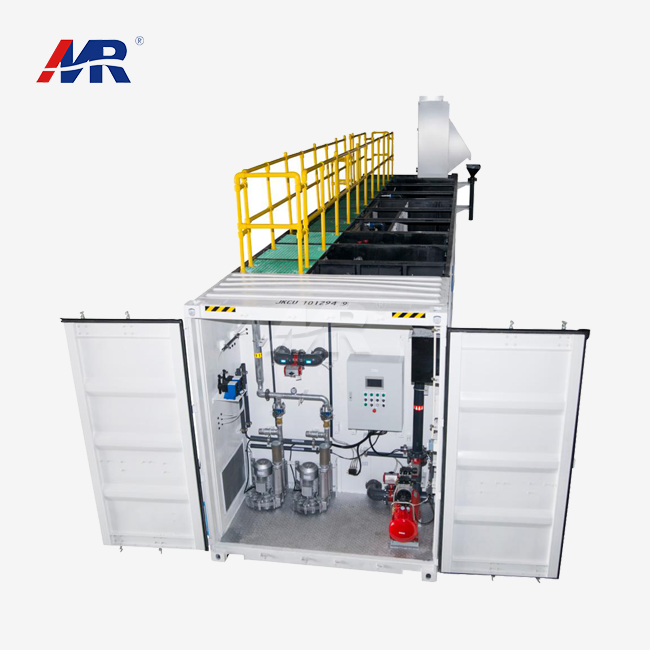
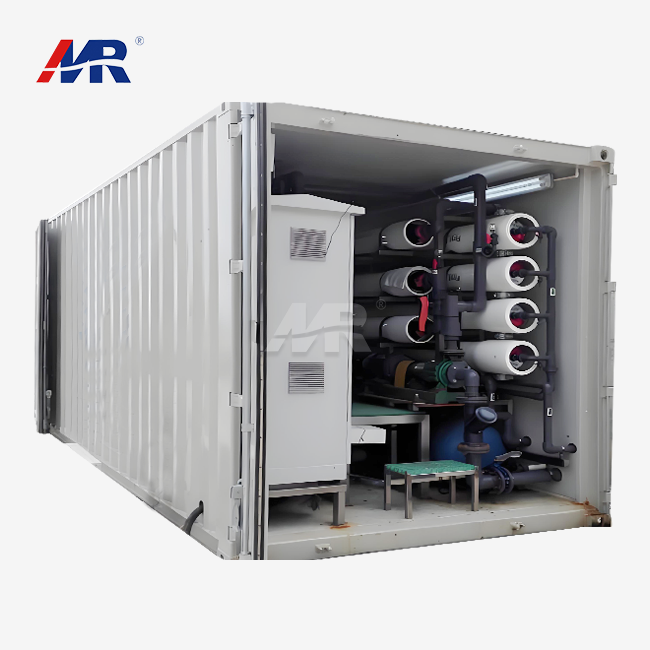
The physical footprint greatly impacts facility planning. Tiny RO systems are ideal for tiny spaces. A 10,000 GPD system with pre-treatment tanks may require 100–150 square feet. Because they just require power, drain lines, and feed water connections, modular skid-mounted types are simpler to install. It can be utilized in basements, mechanical rooms, and mobile therapy applications since it's accessible.
For boilers, condensers, cooling towers, and storage tanks, distillation equipment requires greater space. A distillation plant with the same capacity may require 300 to 500 square feet plus heat escape and maintenance space. Air flow, reinforced flooring to support equipment, and specific electrical for heating elements are structural necessities. These construction demands need additional upfront costs and lengthier implementation.
Maintenance, Common Problems & Practical Considerations
Routine Maintenance Requirements for RO Systems
Pre-filtration, membrane condition, and system sanitation must be maintained regularly for RO to perform properly. Protective membrane pre-filters should be updated every three to six months, depending on feed water quality. Sediment filters remove particles beyond 5 microns, and carbon filters remove chlorine that oxidizes polyamide membranes permanently.
Membrane performance monitoring warns of breakdown. When normalized permeate flow decreases 10-15% or pressure difference increases 15%, pH-adjusted chemical solutions and clean-in-place (CIP) procedures remove foulants to restore capacity. Professional guidelines recommend targeting specific pollutants in CIP procedures. Alkaline cleaning removes organic fouling and biological growth, whereas acidic treatments remove mineral scaling such as calcium carbonate precipitation. Active CIP performance prolongs membrane life and maintains output quality.
System cleaning timeframes depend on application sensitivity. Food and pharmaceutical businesses may require certified disinfectants monthly, whereas industrial uses may need them every three months. Predictive maintenance alerts workers to issues before they disrupt output via automated monitoring systems that measure conductivity, flow rates, and pressure.
Common Challenges in Distillation Systems
Distillation maintenance focuses on scale and corrosion in heating chambers and condensers. Hard water with calcium and magnesium deposits mineral scale on heating devices. It reduces heat transmission efficiency and uses more energy. Periodic acid cleaning removes these deposits; however, the system must be switched off, and chemical handling must be done carefully.
In systems that treat chemically active feed water, corrosion is always a concern. Stainless steel resists rust; however, maintaining the passive oxide layers needs monitoring operating pH ranges and avoiding chloride exposure over its capacity. Thermal cycling breaks down materials; therefore, gaskets and seals must be examined and changed often.
While distillation units require extensive maintenance every six to twelve months, RO systems only need it every three to four months. However, each maintenance event is more involved and takes longer. Businesses with excess capacity or batch production plans that can manage scheduled downtime benefit from this maintenance strategy.
Application Scenarios and Industry Use Cases
Industrial Water Treatment Applications
Many industrial processes employ a reverse osmosis purification system membrane separation to purify process water and recover resources from effluent. Electroplating plants rinse and collect concentrates using RO-deionized water. This removes expensive metal ions from plating baths while obeying release regulations. The 99.5% rejection rate removes dissolved metals, enabling closed-loop systems that reduce raw material costs and environmental risk.
Thermal and nuclear power facilities require ultrapure boiler feed water to prevent scale and turbine corrosion. Electrodeionization (EDI) polishes water to resistance levels over 15 megohm-cm after RO systems clean it. The tiny size and autonomous operation are ideal for power plant support systems, where reliability affects power generation.
Petrochemical plants re-inject oil field water after RO removes dissolved salts and floating particles that obstruct formation pores. With 50,000 to 100,000 GPD systems, field personnel can pump water while avoiding environmental impact.
Food, Beverage, and Pharmaceutical Manufacturing
Water quality is the essential ingredient for beverage producers, and minerals depend on the product. RO technology controls TDS precisely. Bottled water manufacturers strive for 50–150 ppm for balanced taste profiles, whereas brewers adjust mineral content to meet local water chemistry, which impacts flavor development. RO enables you to pick which minerals to put back into cleaned water, unlike distillation.
Pharmaceutical GMPs are rigorous. Validated filtration systems provide USP-compliant water. The major method for purifying water is RO. Biogenic and chemical pollutants are reduced to acceptable levels for non-sterile manufacture. With proper cleaning and a microbe-free storage loop, RO systems satisfy compliance criteria without the energy waste of distillation.
Food and dairy processing facilities must maintain quality requirements notwithstanding organic loading and biological contamination. In modern RO systems, ultrafiltration or microfiltration removes suspended particles and slows membrane fouling. Membrane systems are great for washing materials and creating CIP water in the food sector due to their flexibility.
Municipal and Seawater Desalination Projects
Coastal municipalities are increasingly employing large-scale RO desalination to address freshwater shortages. Multistage systems with energy recovery devices that absorb pressure from concentrate streams convert saltwater with 35,000 ppm TDS into drinking water with less than 500 ppm TDS in facilities that produce millions of gallons of water daily. New technology like pressure exchangers enables modern desalination facilities to utilize less than 3 kWh/m³ of energy. Saltwater may be converted to freshwater in areas where alternative supplies are rare or costly.
Membrane technology replaces sand filtering and chemical clarifying in inland water treatment facilities. Existing sites may boost capacity without civil engineering due to the tiny footprint. Better pollutant removal fulfills new surface water PFAS, pharmaceutical, and personal care product requirements.
Reusing wastewater using membrane bioreactors (MBR) to combine biological treatment with ultrafiltration and RO for greater purification allows it to be utilized for cooling, irrigation, or secondary drinking. This multi-barrier technique reduces public health concerns and increases water utilization in drought-prone regions.
Purchasing Considerations and Brand Insights
Total Cost of Ownership Analysis
Purchases beyond initial capital investment need extensive financial modeling. Equipment, installation, and commissioning for a 25,000 GPD industrial RO system cost $80,000 to $150,000. Automation, construction materials, and site demands determine cost. Membrane replacement, pre-filter consumables, energy, and repairs cost $8–15k a year.
Heating, cooling, and building costs may cost $150,000 to $250,000 for equivalent distillation capacity. Based on current prices, energy might cost $25,000–$40,000. Maintenance and materials might cost $8,000–$12,000. RO systems reduce total costs of ownership by 30–50% during a 10-year equipment lifespan for non-mineral removal.
Different financing methods affect purchases. Cash-rich companies can purchase items outright, but leases or equipment-as-a-service may spread expenses over a term. Some suppliers provide multi-year performance guarantees for equipment, installation, and servicing. This ensures running expenses are accurate.
Evaluating RO System Suppliers
When selecting a reverse osmosis purification system provider, technical expertise and service infrastructure are as vital as equipment specs. Companies could examine prospective suppliers' engineering competence by looking at case studies of their goods' successful installations in comparable conditions. Companies that acquire medications may request FDA inspection data, and food processors should hunt for FSMA-compliant vendors.
Standard product vendors have distinct manufacturing expertise from bespoke solution providers. Companies that make membranes and construct systems have higher quality control and shorter wait times than assemblers that buy parts from numerous sources. Scaling systems from pilot to large production with compatible parts simplifies growth validation.
Help after the sale is crucial to long-term success. Comprehensive service agreements should guarantee replacement parts, preventive maintenance, and emergency response. Suppliers with regional service facilities and factory-trained experts minimize downtime during repairs. Remote monitoring and diagnostic suppliers allow you to address issues before they arise.
Conclusion
When it comes to most industrial and municipal water treatment needs, reverse osmosis purification system technology is clearly better than distillation. RO is the best choice for pharmaceutical manufacturing, food processing, electronics fabrication, and municipal facilities because it uses less energy, has a small footprint, can be used in a variety of ways, and has a low total cost of ownership. Distillation is still useful in certain situations where the minerals must be completely removed, but improvements in membrane technology and system design are making RO more useful in more situations. For procurement to go well, it's important to do a thorough study of the application, make reasonable total cost models, and work with experienced suppliers who offer tried-and-true tools with full service promises.
Frequently Asked Questions About Water Purification Systems
1. How does feed water temperature affect RO system performance?
Temperature has a big effect on how permeable the membrane is and how productive the system is. As the temperature of the feed water drops by 1 degree Celsius, the flow of permeate drops by about 3% because the water becomes less viscous. In cold climates, installations often include feed water heaters or variable frequency drive pumps that change the pressure automatically to account for changes in temperature. This keeps the output constant throughout the year.
2. What distinguishes membrane scaling from fouling?
Mineral salts like calcium carbonate or barium sulfate can cause scaling when they dissolve too easily and make crystal layers on membrane surfaces. Fouling is when organic matter, colloidal particles, or biological growth build up and form a gel layer that stops water from moving through. Different situations need various types of Clean-In-Place chemicals. For example, acidic solutions break down mineral scales, while alkaline cleaners get rid of organic foulants.
3. Why is pre-treatment essential for RO systems?
Pre-treatment keeps expensive RO membranes from getting damaged permanently and fouling up too soon. Getting rid of chlorine stops the reactive breakdown of polyamide membrane polymers; even small amounts of chlorine contact permanently reduce their ability to hold charge. Particles that would physically damage membrane surfaces or clog feed channels are removed by sediment filtration. With the right pre-treatment, membranes can last from months to years, which greatly increases the system's economics.
4. When should membrane replacement occur?
When to replace a membrane is based on how quickly its performance normally decreases, not on set intervals. If the salt rejection falls below acceptable levels (usually 90% of the original specification) or the permeate flow drops by 20 to 25 percent despite regular maintenance, the filter needs to be replaced. The membrane can last for three to five years in well-maintained systems with good water conditions, but in harsh environments, it might need to be replaced every 18 to 24 months.
Why Choose Morui for Your Water Treatment Needs
Guangdong Morui Environmental Technology Co., Ltd. has been working as a water treatment engineer for 30 years and works with businesses and cities all over North America. We can make equipment, design systems, install them, and provide support throughout their lifecycle. This means that we can handle the whole project lifecycle, from the initial consultation to operational optimization. We offer responsive local service backed by enterprise-scale resources thanks to our more than 500 workers, 20 specialized engineers, and 14 regional offices.
Our membrane production plant makes thin-film composite membranes that meet international quality standards. This lets us choose the best membrane for your feed water chemistry instead of causing you to use generic solutions. Under ISO 9001 quality systems, companies that process equipment make tanks, skids, and other parts that go with them. This makes sure that the Products are reliable and consistent. Strategic relationships with top component makers like Shimge Water Pumps, Runxin Valves, and Createc Instruments give you access to high-quality instruments and controls.
The Morui RO product line has systems that are designed to meet your operating needs for uses ranging from 1,000 to 100,000 GPD. Our high-tech control tools include real-time tracking, automatic CIP sequencing, and predictive maintenance algorithms that make membranes last longer and lower the cost of running the system. Our engineering team works with your technical staff to make sure you get the best performance, whether you need a standard package system that can be put into action right away or a fully personalized solution that solves specific water quality problems. Get in touch with our staff at benson@guangdongmorui.com to talk about your water purification needs with a maker of a reverse osmosis purification system who cares about your business's success.
References
1. American Water Works Association. (2021). Reverse Osmosis and Nanofiltration: Manual of Water Supply Practices M46. Denver: AWWA Press.
2. Greenlee, L.F., Lawler, D.F., Freeman, B.D., Marrot, B., & Moulin, P. (2019). Reverse osmosis desalination: Water sources, technology, and today's challenges. Water Research, 43(9), 2317-2348.
3. National Research Council. (2020). Desalination: A National Perspective. Washington, DC: The National Academies Press.
4. Spiegler, K.S. & El-Sayed, Y.M. (2018). A Desalination Primer. Santa Maria: Balaban Desalination Publications.
5. Tchobanoglous, G., Stensel, H.D., Tsuchihashi, R., & Burton, F. (2022). Wastewater Engineering: Treatment and Resource Recovery (5th ed.). New York: McGraw-Hill Education.
6. World Health Organization. (2021). Desalination for Safe Water Supply: Guidance for the Health and Environmental Aspects Applicable to Desalination. Geneva: WHO Press.