_1745823981883.webp)

Water Filter 3 Stage vs Reverse Osmosis: Which Fits Your Plant?
Choosing between a water filter 3 stage system and reverse osmosis technology depends on your plant's water quality requirements, contaminant profile, flow rate demands, and budget constraints. A 3-stage filter excels in removing sediment, chlorine, and volatile organic compounds while maintaining high flow rates and lower operational costs, making it ideal for pre-treatment or moderate purification needs. Reverse osmosis, conversely, eliminates dissolved solids, salts, and nearly all contaminants through membrane filtration, delivering ultrapure water essential for pharmaceutical, semiconductor, and food processing operations. Understanding your feed water composition and end-use specifications is the decisive factor.
Introduction
Water filtration that works well is an important part of running industrial and commercial plants because it affects how long equipment lasts, how well it follows the rules, and the quality of the Products made. Three-stage filtration systems and reverse osmosis are two tried-and-true methods that procurement managers, engineers, and marketers must choose between when investing in water treatment. Both methods have their own benefits that make them better for different types of businesses, like food processing plants that need chlorine-free water or pharmaceutical plants that need ultrapure water that meets GMP standards.
This guide gives a useful comparison for business-to-business decision-makers who are looking at industrial water treatment options. We look at how the selection process is shaped by technical mechanisms, performance standards, cost structures, and buying issues. This study gives you the information you need to match filtration technology with your specific quality needs and practical limitations, whether your plant deals with modest amounts of contaminants or needs to get rid of all dissolved solids.
Understanding Water Filtration Technologies: 3-Stage Filter and Reverse Osmosis
How 3-Stage Water Filters Operate
A water filter 3-stage system is an example of a modular, multi-barrier purification method that targets physical, chemical, and biological contaminants in that order. A sediment filter (5-micron polypropylene) usually comes first. This filter collects rust, sand, and other small particles. In the second step, either granular activated carbon (GAC) or carbon block (CTO) is used to remove chlorine, chloramines, volatile organic compounds, and substances that change the taste of the water. In the third stage, there is usually a smaller cleaning filter (0.5 to 1 micron) or special media like KDF-55 for getting rid of heavy metals or stopping scale from building up.
Reverse Osmosis Technology Explained
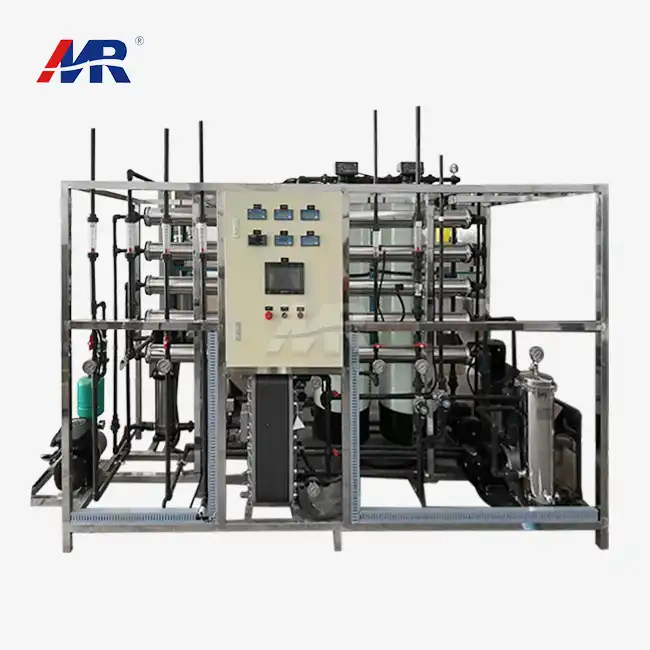
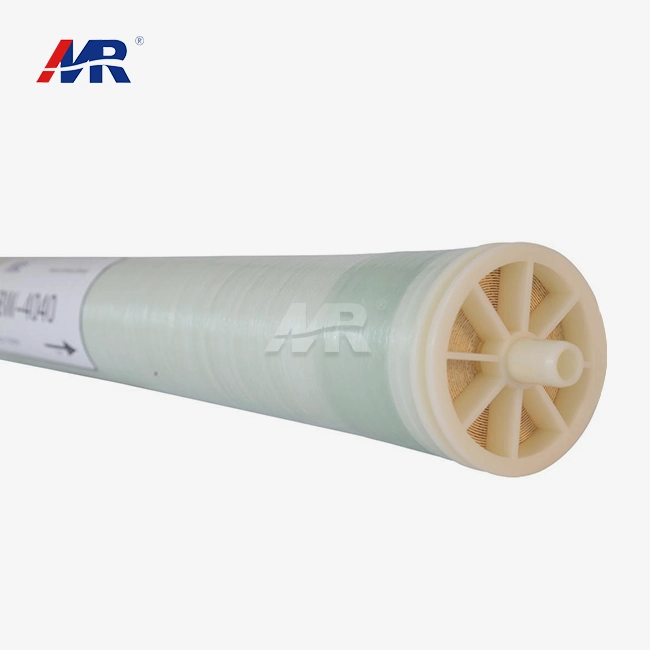
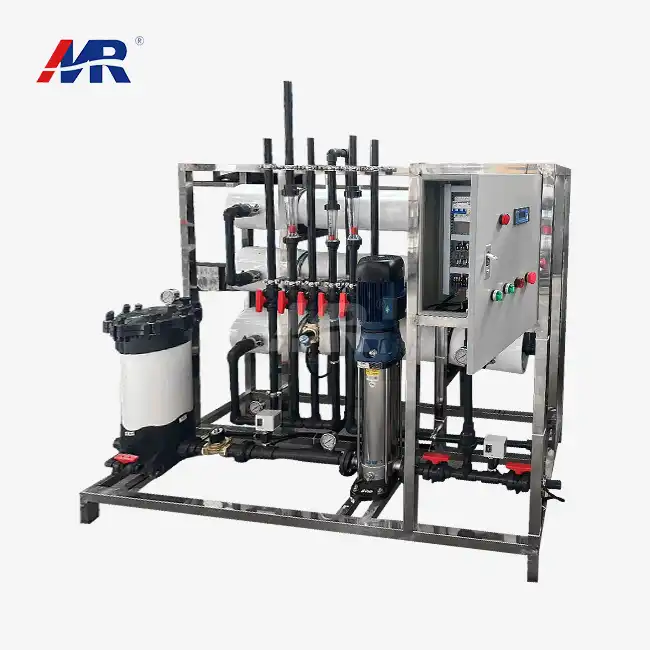
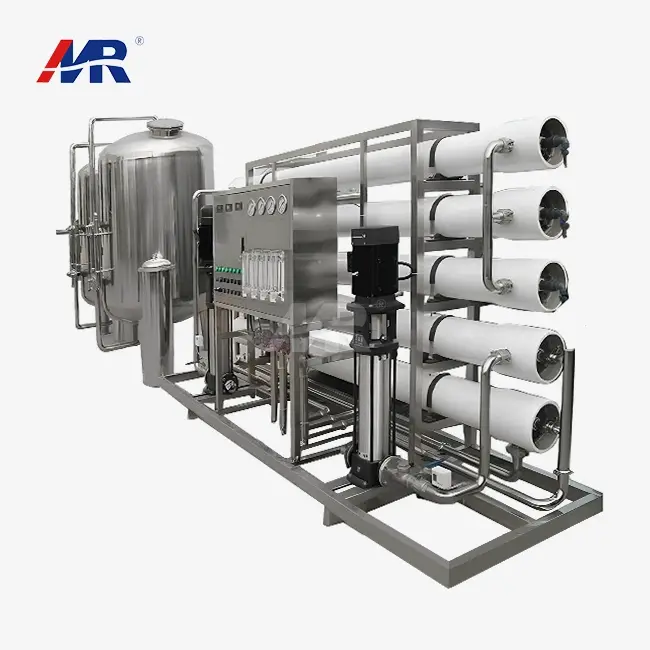
Reverse osmosis systems use semipermeable membranes that let water molecules pass through but block contaminants based on the size and charge of the molecules. ro membranes remove up to 99% of dissolved solids, such as salts, minerals, heavy metals, fluoride, bacteria, and viruses. They work at pressures ranging from 50 to 1,000 PSI, depending on the size of the application. Industrial RO systems often have pre-filtration stages to keep membranes from getting clogged, post-treatment stages to change the pH, and sometimes electrodeionization (EDI) units for using ultrapure water in labs or electronics factories.
Key Operational Differences
The main difference is the range of contaminants that are removed and the features of the water that is released. Three-stage systems keep the mineral content of the source water while getting rid of specific impurities. This keeps flow rates between 0.5 and 2.0 gallons per minute for under-sink models and much higher for industrial installations. They don't make wastewater, so they use resources efficiently. Total dissolved solids (TDS) drop from hundreds or thousands of parts per million to single digits through reverse osmosis. However, the process creates concentrated wastewater at ratios that vary from 1:1 to 4:1, based on the system design and the quality of the feed water.
Performance Comparison: Which System Suits Your Plant's Needs?
Contaminant Removal Capabilities
To figure out how well filtration works, you need to know what kinds of contaminants are in your feed water. With the right media, three-stage filters can get rid of chlorine (up to 97–99% according to NSF/ANSI 42 guidelines), sediment, rust, volatile organic substances like trihalomethanes, and some heavy metals. Normal carbon-based systems, on the other hand, don't lower TDS or get rid of fluoride, nitrates, or dissolved salts well.
Reverse osmosis technology can clean up a wider range of contaminants than a water filter 3 stage system. RO membranes get rid of heavy metals (lead, arsenic, and mercury), heavy inorganic ions (sodium, calcium, magnesium, chloride, and sulfate), fluoride (90–95% decrease), nitrates, radionuclides, and microbiological toxins like viruses, bacteria, and cysts. All of these things can be removed by RO, which makes it necessary for processes that need ultrapure water, like mixing drugs, rinsing semiconductor wafers, or making dialysis water in hospitals.
Flow Rate and Production Capacity
Flow rate needs have a big impact on system choice. Most of the time, three-stage configurations can provide continuous high-flow output without the need for storage tanks. This makes them ideal for situations where consistent volumes of water are needed right away. Industrial models can handle flow rates of more than 10 gallons per minute without losing performance, making them ideal for high-demand places like industrial kitchens, making drinks, or pre-treatment for equipment that makes steam.
Due to membrane absorption rates, reverse osmosis systems clean water more slowly. Larger membrane arrays and pressurized storage tanks that hold treated water during times of low demand make up for this in industrial RO installations. Commercial systems can produce anywhere from 1,000 to over 100,000 gallons of water per day, depending on the membrane's surface area and operating pressure. System size is based on how much storage space your plant has and when it's most in demand.
Maintenance Requirements and Operational Costs
Operating costs include both regular upkeep and repair of worn-out parts. Based on the quality of the feed water and the amount of water going through, three-stage filter tubes usually need to be replaced every six to twelve months. The cost of change depends on the type of media used and the size of the housing. Because there is no garbage production and little pressure drop, less energy is used. Maintenance tasks are still pretty simple, and plant workers can usually do them without any special training.
More thorough repair plans are needed for reverse osmosis systems. Pre-filters that protect the RO membrane need to be changed every three months. Under normal conditions, membranes last between two and five years. Chemical agents are used to clean membranes and get rid of fouling caused by scaling, biogrowth, or the buildup of organic waste. The amount of energy used is related to how much pumping is needed to overcome osmotic pressure, especially in high-TDS situations. Depending on the rules in your area for wastewater discharge, the disposal of the concentrate stream may cost more.
Decision Criteria for Selecting Between a 3-Stage Filter and Reverse Osmosis
Assessing Feed Water Quality and Treatment Objectives
The qualities of your source water determine the equipment you use. A full water analysis shows the types of contaminants, TDS levels, hardness, chlorine content, and microbiological parameters. When plants get their water from the city, which disinfects well but has high chlorine levels, they usually only need three stages of filtering to protect their equipment and make the water look better. Reverse osmosis is needed to meet quality standards for operations that get their water from wells, salty water, or sources with a lot of dissolved solids.
The goals of treatment go beyond getting rid of contaminants. Mineral balance and neutral tastes are important to food and drink companies. Pharmaceutical facilities must follow the filtered water guidelines set by the United States Pharmacopeia (USP) or the European Pharmacopeia. For making electronics, the resistance needs to be higher than 10 megohm-cm. When you match your quality endpoint to the system's capabilities, you avoid both over-specification, which raises costs, and under-specification, which puts compliance or product integrity at risk.
Plant Size and Capital Budget Considerations
The amount of capital needed for each technology is very different. Three-stage systems are cheaper up front, and installations on an industrial scale can cost anywhere from $1,500 to $15,000. The exact cost depends on the flow rate and the material used for the housing. The level of difficulty in installation stays low, usually only needing standard plumbing lines and simple electrical work for tracking equipment.
Installing reverse osmosis systems requires a bigger investment of money. For small businesses, industrial systems start at around $10,000, but for large city or manufacturing uses, they cost over $500,000. There are feed pumps, membrane housings, control systems, chemical dosing equipment for adding antiscalant or changing the pH, and storage tanks as part of the infrastructure. However, the total cost of ownership calculation needs to take into account the quality of the product water, which means that no further treatment is needed, scaling in boilers and cooling towers is reduced, and equipment lasts longer.
Supplier Reliability and Support Infrastructure
Working with well-known water treatment experts for a water filter 3 stage system guarantees long-term system performance and lowers risks. When evaluating possible suppliers, you should look at their technical knowledge, product line, ability to customize, and framework for providing help after the sale. For industrial clients running complicated operations, companies that offer a full range of services—from the initial water analysis and system design to installation, commissioning, and preventative maintenance contracts—are the best value.
Warranty terms, the availability of spare parts, and the time it takes for Technical support to respond all have a big effect on operational continuity. When problems happen, suppliers who take care of regional service networks keep downtime to a minimum. Quality management standards like ISO 9001, component Certifications from NSF, and industry-specific qualifications like 3-A Sanitary Standards for food preparation tools all show that a company is committed to quality and following the rules.
Leading Brands and Solutions for 3-Stage and RO Systems in Industrial Procurement
Established 3-Stage Filter Manufacturers
Aquasana is known for its 3-stage systems for homes and small businesses that use special carbon blends that make cartridges last longer and get rid of more contaminants. Their systems usually use Claryum filtration technology, which is approved to get rid of more than 70 contaminants. APEC specializes in under-sink and whole-building setups with strong plastic housings that can handle high pressures. Pentair has industrial-grade products with housings made of stainless steel that can handle tough conditions and high temperatures up to 180°F.
These companies make modular designs that let you change the filter media to fit different types of contaminants. Buyers can choose the micron grade of the sediment filter, the type of activated carbon (standard or catalytic) used to reduce chloramine, and specialty cartridges that target arsenic, fluoride (though not as well as RO), or scale protection in areas with hard water.
Prominent Reverse Osmosis System Providers
iSpring sells RO systems at reasonable prices. Their products include point-of-use models and commercial installations that can make thousands of gallons of water every day. Their systems usually have six stages and remineralization packs for situations where keeping the mineral content is important. With more than 85 years of experience in treating water, Culligan provides engineered solutions for industrial clients, such as custom membrane arrays, automatic cleaning systems, and tracking systems that work with remote diagnostics.
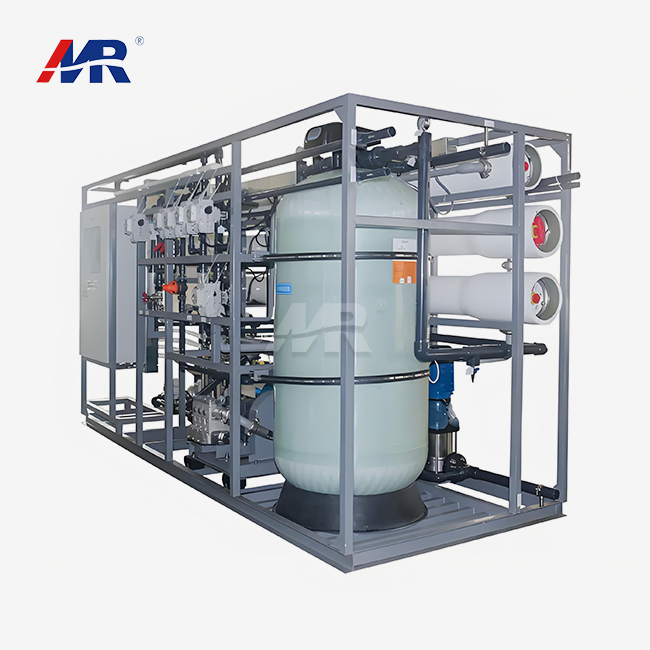
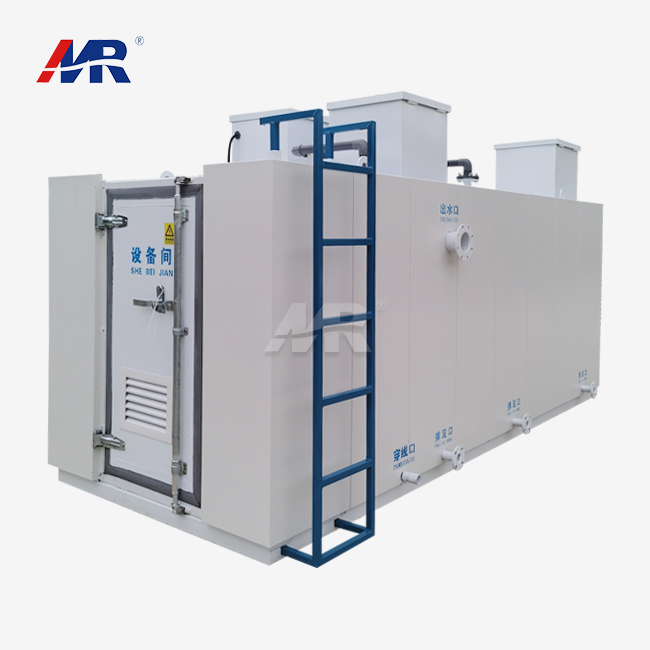
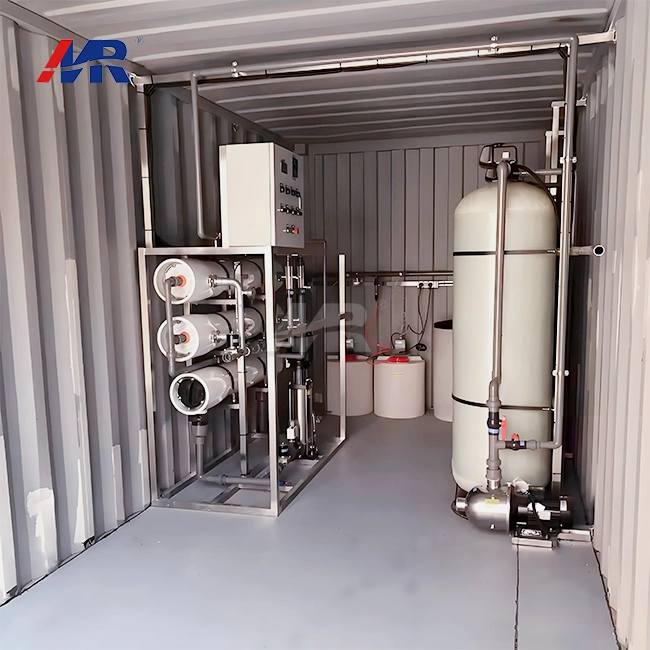
Skid-mounted RO systems with capacities of more than 100,000 gallons per day are made by specialized makers for use in large-scale commercial settings. These all-in-one solutions include pre-treatment, high-pressure pumps, membrane banks, chemical dosing, and control panels with programmable logic controllers that let the systems run automatically and record data for legal reasons.
Procurement Strategies for Cost Optimization
Agreements to buy in bulk from makers or approved distributors save a lot of money for businesses that have more than one location or big projects that need more than one filtration train. By negotiating bulk cartridge supply contracts, you can be sure that your maintenance costs will stay the same. Choosing systems with standardized parts makes it easier to keep track of spare parts and take advantage of competitive aftermarket supplies.
Value-added services should be taken into account when choosing a vendor. The total cost of ownership goes down when suppliers offer free water testing, help with system sizing, installation supervision, operator training, and preventive maintenance programs. Options for financing or leasing equipment keep cash for investments in the core business while getting the water treatment infrastructure that is needed.
Conclusion
Choosing between reverse osmosis and three-stage filtration, like the water filter 3 stage depends on how well the technology fits your plant's needs for water quality, how it works, and your budget. Three-stage systems are great for mild cleaning needs and pre-treatment uses because they are high-flow and cost-effective ways to get rid of particulates, chlorine, and organic chemicals without making wastewater. Reverse osmosis gets rid of all kinds of contaminants, including dissolved solids. It meets very high purity standards that are needed in pharmaceutical, electronics, and certain food processing industries. For adoption to go well, the feed water needs to be carefully looked at; it needs to be in line with government rules, and it needs to be partnered with experienced suppliers who can offer ongoing technical help for the whole system's life.
FAQ – Key Questions About 3-Stage Water Filters vs Reverse Osmosis
1. Can 3-Stage Filters Effectively Remove Fluoride?
Most standard carbon-based three-stage devices only reduce fluoride by a small amount, usually less than 20%. Fluoride is a dissolved ion that can be removed by carbon and mechanical filters. Through membrane rejection, reverse osmosis gets rid of 90–95% of fluoride. Some specialized 3-stage setups use activated alumina media to target fluoride, but they still don't work as well as RO for a large decrease.
2. What Causes Flow Rate Decline in 3-Stage Systems?
Usually, particles building up in the sediment pre-filter step cause the flow rate to slow down. High-turbidity source water speeds up clogging, which creates a difference in pressure across the filter housing. By putting in pressure gauges before and after each stage, you can keep an eye on delta-P (pressure drop), which tells you when the cartridge needs to be replaced. Choosing the right micron grades and using pre-sedimentation for sources that are cloudy can make filters last longer.
3. How Do Membrane Replacement Intervals Compare Between Technologies?
Three-stage filter cartridges need to be replaced every 6 to 12 months, based on the amount of flow and contamination. NSF-42 testing gives exact performance limits. Under normal conditions, reverse osmosis membranes last between 2 and 5 years. However, the pre-filter elements that protect the membranes need to be replaced every three months. Total yearly upkeep costs change based on the size of the system, the quality of the water, and the amount of output. To make a fair comparison, a lifetime cost analysis is needed.
Partner With Morui for Your Industrial Water Treatment Solutions
To find the best filtration technology, you need to know a lot about water chemistry, system engineering, and how to use it in industry. Morui is an expert at customizing water treatment solutions for industrial, food processing, pharmaceutical, and local clients. These solutions include 3-stage filtration, reverse osmosis installations, ultrafiltration systems, and full water purification infrastructure. With more than 500 employees and 20 specialized engineers, we are a well-known water filter 3 stage supplier. We make our own membrane products and work with top component brands like Shimge Water Pumps, Runxin Valves, and Createc Instruments.
Our full service plan includes an initial water study, system design, buying equipment, overseeing installation, commissioning, and ongoing preventive maintenance. With 14 regional offices across our service network, we can provide quick technical help that keeps operations running as smoothly as possible. Email Our Team at benson@guangdongmorui.com to talk about the unique needs of your plant and get a thorough proposal that solves your water quality problems.
References
1. American Water Works Association. (2021). Water Quality and Treatment: A Handbook on Drinking Water (7th ed.). McGraw-Hill Education.
2. Crittenden, J.C., Trussell, R.R., Hand, D.W., Howe, K.J., & Tchobanoglous, G. (2022). MWH's Water Treatment: Principles and Design (4th ed.). John Wiley & Sons.
3. National Sanitation Foundation International. (2023). NSF/ANSI Standards 42, 53, and 58: Drinking Water Treatment Units. NSF International Standards Publications.
4. Bergman, R.A. (2020). Reverse Osmosis and Nanofiltration (2nd ed.). American Water Works Association Manual M46.
5. U.S. Environmental Protection Agency. (2022). Water Treatment Technology Feasibility Support Document for Chemical Contaminants. EPA Office of Water Technical Report.
6. World Health Organization. (2021). Guidelines for Drinking-water Quality: Incorporating the First and Second Addenda (4th ed.). WHO Press.