RO Filtration Precision Chart: MF, UF, NF and RO by Micron Rating
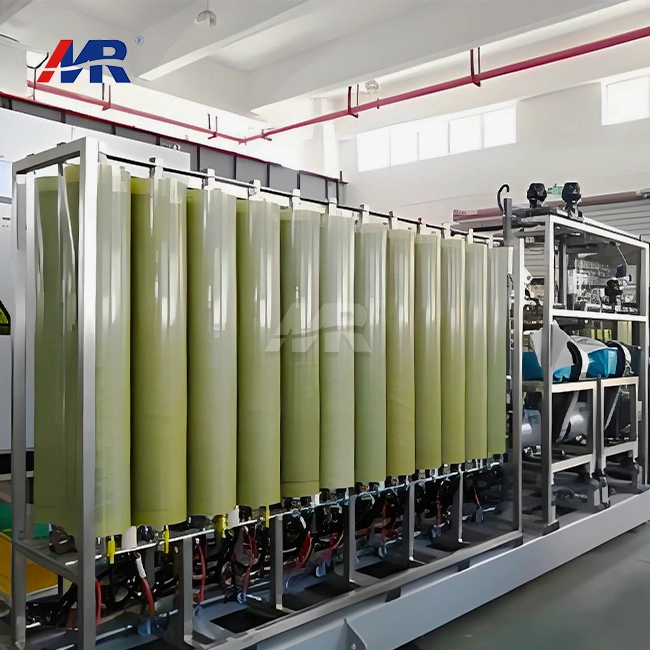
RO filtration removes the finest particles of the four membrane types. Microfiltration (MF) stops particles of about 0.1 to 10 microns, ultrafiltration (UF) works at roughly 0.01 to 0.1 microns, nanofiltration (NF) near 0.001 microns, and reverse osmosis (RO) near 0.0001 microns. MF catches sediment and larger microbes, UF captures bacteria and many viruses, NF reduces hardness and some organics, and RO rejects dissolved salts. I treat these ranges as a starting point, then check feed water, pressure, and membrane data before I choose equipment.
Why Micron Rating Matters in RO Filtration?
What a Micron Rating Tells You
We use the unit micron to measure everything. A human hair is about 50 to 100 microns wide, and most bacteria are about 0.2 to 10 microns wide. This number tells you what kind of particles a filter can stop. That lets me quickly compare MF, UF, NF, and RO before I open a document. The list of technologies is cut down to just one or two by the ranking. This saves time.
Why a Rating Alone Falls Short?
Removal isn't just based on the size of the pores. The effects can be different depending on the chemicals in the membrane, the temperature, the pressure, and the fouling. It's not just size that forces ions out of NF and ro membranes; charge effects and solution transport also do this. Two filters of the same grade might not work the same way in the same water. Before I believe a number, I always ask the maker to give me the test conditions, such as the operating pressure and feed concentration.
How Precision Affects Cost and Maintenance?
To separate things more finely, you need more pressure, which means you need more energy. As for MF and UF, they use low pressure. For brackish-water RO, they use 10 to 25 bar. This is because weak pretreatment can make finer membranes dirty more quickly. This means they need to be cleaned more often and cost more to replace. If UF will work, there is no reason to use RO. UF doesn't work when salt needs to be removed. Making sure that accuracy is in line with the real goal keeps the total cost of ownership low.
The Precision Chart: MF, UF, NF and RO Compared
Approximate Separation Ranges
This is how I keep track of my notes. These are only the general values; the exact numbers will depend on the membrane and the company that made it.
| Technology | Approx. size (microns) | Typical targets | Typical pressure |
|---|---|---|---|
| MF | 0.1–10 | Sediment, turbidity, larger bacteria | Low, about 0.1–2 bar |
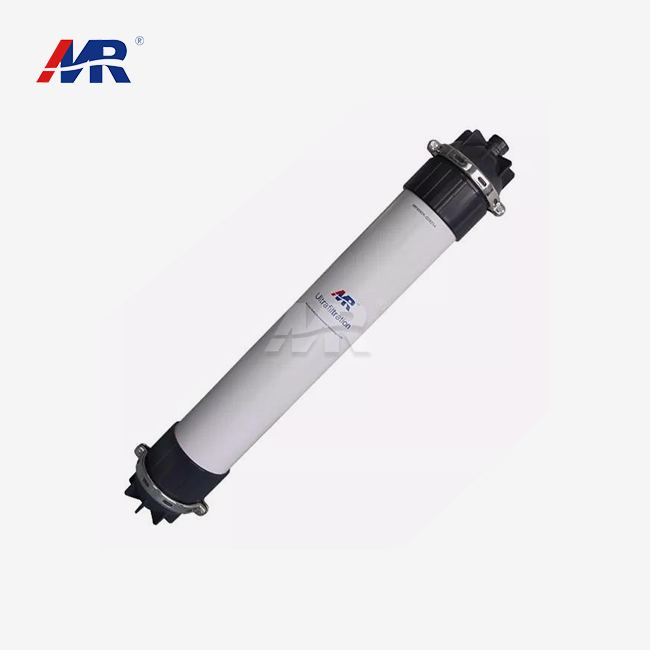
| UF | 0.01–0.1 | Colloids, bacteria, viruses, macromolecules | About 1–5 bar |
| NF | About 0.001 | Hardness, color, multivalent ions, some organics | About 5–20 bar |
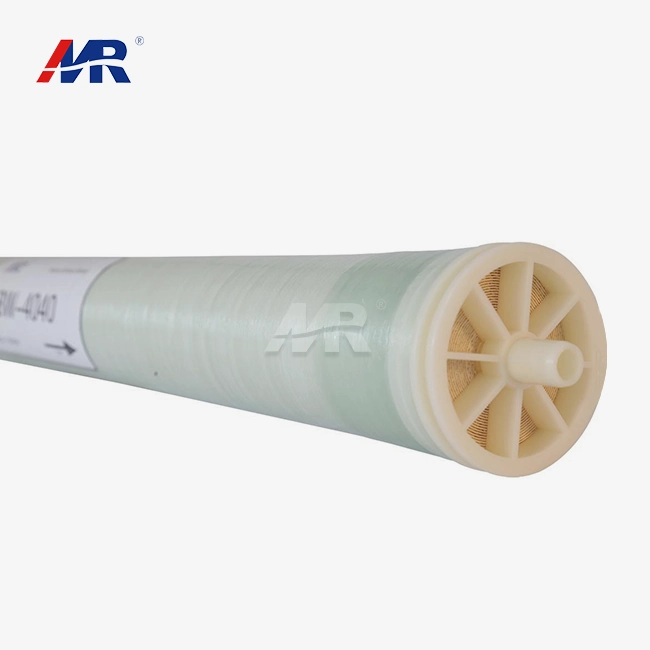
| RO | About 0.0001 | Dissolved salts, ions, small molecules | About 10–25 bar (brackish water) |
The bands' edges aren't clear, so I use them as guides instead of hard lines.
Nominal vs. Absolute Ratings
This rating for ro filtration tells you how many particles of that size the filter can get rid of. Each machine gets rid of a different number of particles. You can be sure that the filter will stop almost all particles that size or bigger if it gets an exact grade. MWCO, which stands for molecular weight cutoff, is a term often used in UF and NF membranes. Salt rejection is used by RO and is shown as a percent. If you know what grade a document uses, you can avoid making mistakes that cost a lot of money.
Why RO Is Not a Simple Sieve?
It is made up of thick layers of polymer that don't let water through. A lot of the salts stay behind, but water breaks down the barrier and flows through it. This model of solution-diffusion explains why RO doesn't take in ions that are too small to fit through any pores that can be seen. There must also be more pressure than osmotic pressure in the feed before water can pass through. Because of this, I read the number 0.0001 micron along with salt rejection, flux, and recovery.
How MF, UF, NF, and RO Work Alongside Conventional Filters?
MF and UF: The Low-Pressure Barrier
MF gets rid of cloudiness, solids in the water, and larger microorganisms. UF is finer and can pick up biological molecules, bacteria, and viruses. Based on how many things they need to move, both can work in dead-end or cross-flow mode. They can be used before NF or RO because they don't need a lot of pressure. They make sure that things don't get stuck in the thinner barrier.
NF and RO: Selective Ion Removal
NF in ro filtration makes things softer and changes the color and some organics and multivalent ions like calcium and sulfate. However, it lets more salts with only one charge pass. RO goes even further and gets rid of most of the salts that have been dissolved. Being able to remove salt from water and make water with low TDS makes it the best choice. Both of them work in cross-flow mode. The rejected salts are taken out of the system by a concentrate stream, so both must be good at keeping scaling and clogging under control.
Where Conventional Filters Fit
The media filter, the bag filter, the cartridge filter, and activated carbon can all handle more solids, but they are less accurate. They can go in front of membranes but not after them. Cartridge filters clean the water and keep the membranes safe. Activated carbon gets rid of chlorine, taste, and smell. This is important because chlorine is very bad for polyamide RO membranes. It is not possible to use activated carbon to remove salts from water instead of RO because carbon doesn't do that.
Selecting an RO System and Avoiding Common Problems
Build a Feed-Water Profile First
I need to see a water study before I can offer any gear. It should have the source, flow, temperature, pH, turbidity, TDS, hardness, iron, silica, organics, and microbial load. Then I tell it what I want to do: get rid of the dirt, soften the water, take out the salt, or use it again. A normal train goes through steps like filtering by cartridge or multimedia, activated carbon, MF or UF, and then RO. Next can be UV or remineralization if the job calls for it.
Fouling and Scaling: Causes and Fixes
Fouling can be caused by suspended solids, biological growth, oil, or the wrong amount of chemicals. If you set the hardness, silica, iron, manganese, or recovery level too high, it can scale. Both stop the flow and raise the pressure. It can be fixed by using sediment, carbon, MF, or UF for better pretreatment, using the right antiscalant, and cleaning it regularly. I also keep an eye on flow, conductivity, pressure, and differential pressure so I can catch drift early.
Quick Decision Matrix
Choose MF for clarification and solids in suspension. In terms of bacteria, viruses, and colloids, UF is the best choice. If you don't need to remove all the salt, choose NF to soften and remove color. Your water will be very pure and free of salt if you choose RO. A combination train that has been put through a pilot project is safer when the feed water changes a lot than a single technology in ro filtration.
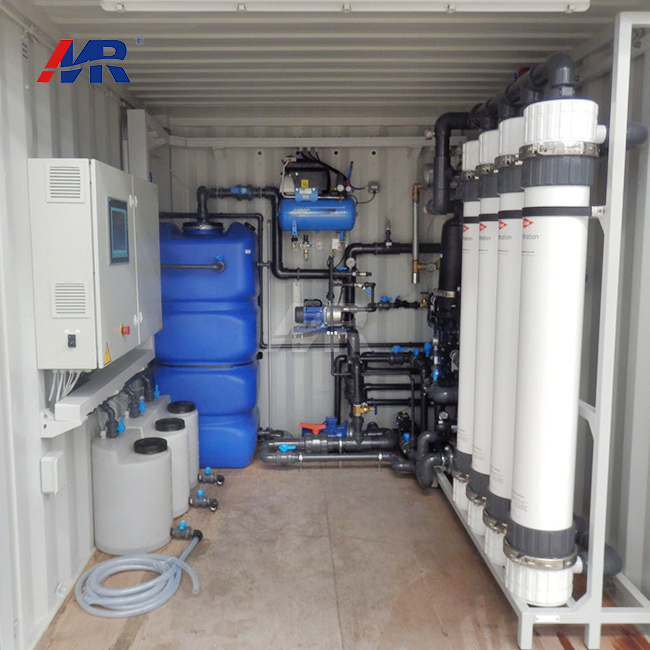
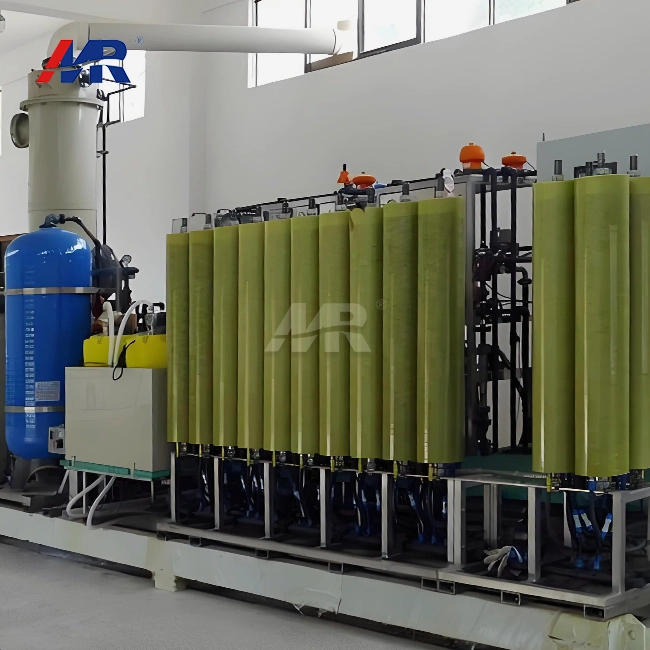
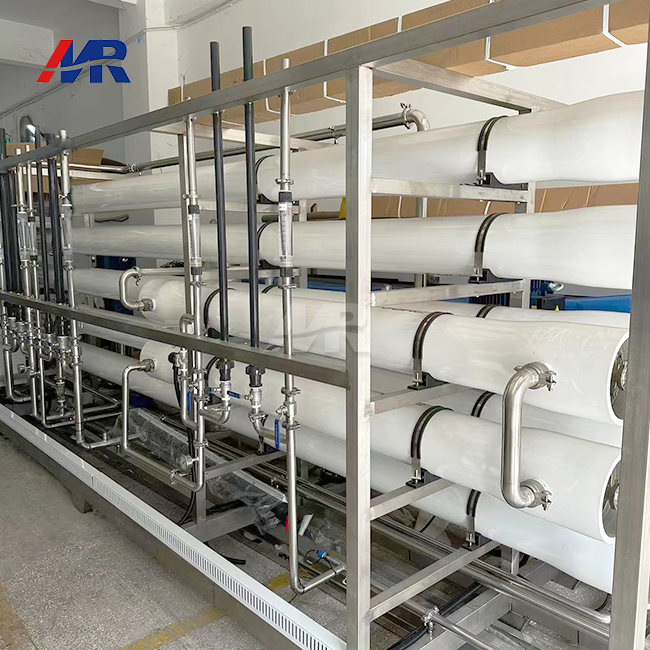
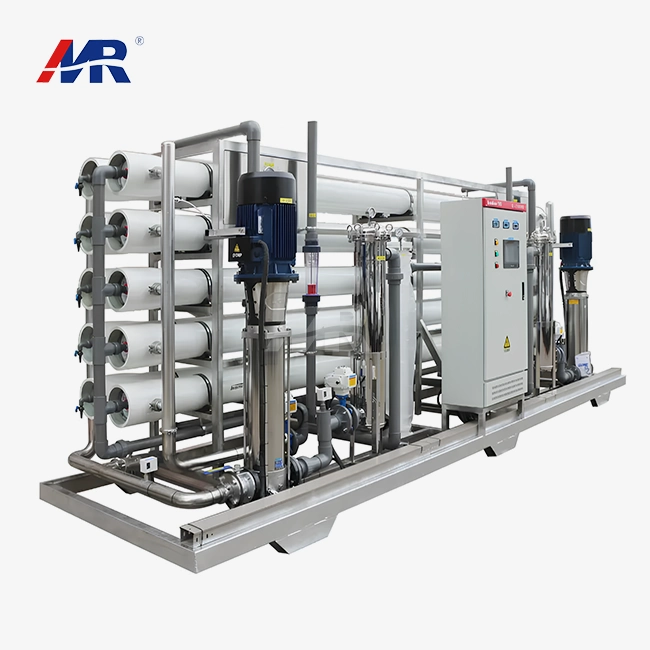
MR-BWRO-10TH from Morui: A Brackish-Water RO Option
Key Specifications
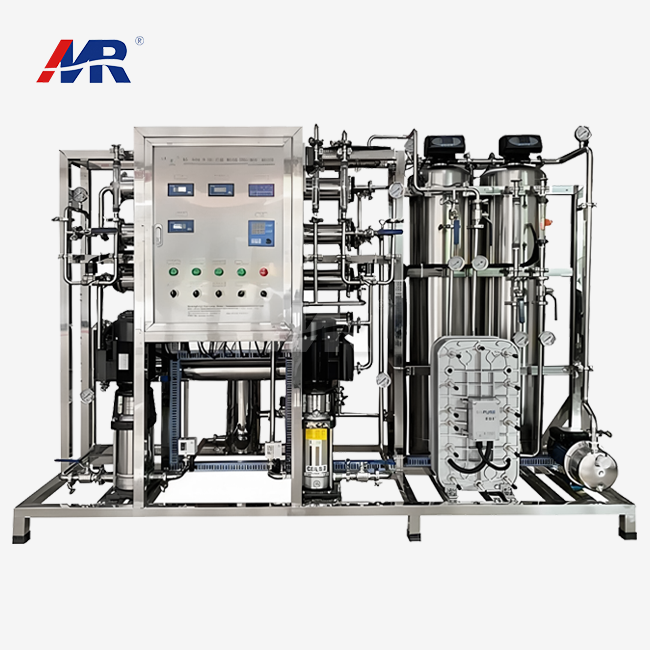
The Morui MR-BWRO-10TH is meant to make water that you can drink. These are the numbers that everyone knows. It takes 15 kW of power. The recovery rate is 55–65%, and the salt rejection rate is 98%. It is simple for buyers to see how this unit stacks up against other RO systems if they keep the test settings the same.
What These Numbers Mean
It means that the membrane keeps most of the dissolved salts out of the product water (98%). To give you an idea, feed water at 2,000 mg/L TDS would produce water near 40 mg/L. What the real results rely on are the pretreatment, the temperature, and the pressure. About 55 to 65 liters of product water are made for every 100 liters of feed, which is up to 65% of the feed. I always think about how to get rid of the rest that comes out as concentrate.
Morui Supply Strength for OEM and Maintenance Buyers
Morui has its own business that makes membranes and acts as an agent for Shimge water pumps, Runxin valves, and Createc instruments. The main machine and all of its parts can be bought from the same supplier by OEMs. Spare parts can also be found there by maintenance companies. Our group has more than 14 branches, 500 employees, and 20 engineers. We also provide installation and commissioning.
Conclusion
You can compare MF, UF, NF, and RO for ro filtration by their micron range. From about 0.1 microns to 10 microns and then down to 0.0001 microns, it sorts particles into groups. There are some things that are left out because the real performance relies on the feed-water quality, the pressure, and the chemicals of the membrane. RO works by letting solutions diffuse, and it gets rid of dissolved salts. MF and UF, on the other hand, first protect it. A feed-water study, a matching treatment train, and regular checks on pressure, flow, and conductivity keep fouling and scaling to a minimum. Specifications such as 98% salt rejection and 55–65% recovery should be read against the stated test conditions.
FAQ
Q1: Why does RO remove dissolved salts better than UF or NF?
A: A thick, non-porous membrane and high pressure are used by RO to overcome osmotic pressure. UF pores are too large for dissolved ions, and NF lets many monovalent salts pass.
Q2: Does chlorine harm RO membranes?
A: Yes, chlorine can damage many polyamide RO membranes. Activated carbon or chemical dechlorination usually removes it before the water reaches the membrane.
Q3: When should I replace a membrane or cartridge?
A: I base replacement on performance data, not the calendar. Rising differential pressure, falling normalized flow, or climbing permeate conductivity signals trouble. Actual feed-water conditions also change the interval.
Get Your RO Filtration Recommendation from Morui
Morui can make your water work with MF, UF, NF, or RO. Please send an email to benson@guangdongmorui.com with your feed-water analysis, flow target, and certification needs. Our engineers will help you set up the system. When you look at different RO filtration suppliers, make sure you ask about the MR-BWRO-10TH, the membranes we make, and the Shimge and Runxin parts we offer.
References
1. Membrane Filtration Guidance Manual, U.S. Environmental Protection Agency, 2005
2. Membrane Technology and Applications, Richard W. Baker, 2012
3. Reverse Osmosis and Nanofiltration (Manual M46), American Water Works Association, 2007
4. Reverse Osmosis Desalination: Water Sources, Technology, and Today's Challenges, Water Research, 2009
5. Transport Properties of Cellulose Acetate Osmotic Membranes, Journal of Applied Polymer Science, 1965
6. Membrane Filtration Handbook: Practical Tips and Hints, Osmonics, 2001