_1745823981883.webp)

How to Choose the Right industrial ro membrane System?
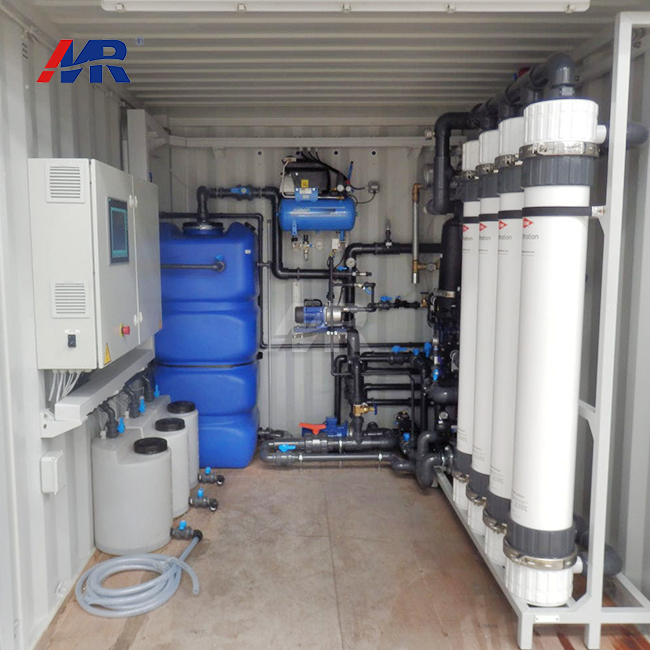
Choosing the right membrane/8040-reverse-osmosis-membrane">industrial ro membrane system starts with understanding your water source, output requirements, and industry-specific purity standards. An industrial RO membrane is a high-performance, semi-permeable filtration element—typically constructed from Thin-Film Composite (TFC) polyamide—engineered to remove over 99% of dissolved salts, organics, and contaminants at scale. Whether you operate a pharmaceutical plant, a food processing facility, or a power generation station, the membrane you select directly determines your water quality, energy costs, and system longevity. Getting this decision right saves significant capital and prevents costly operational disruptions.

What Exactly Is an Industrial RO Membrane System?
How Does It Differ from Residential Filtration?
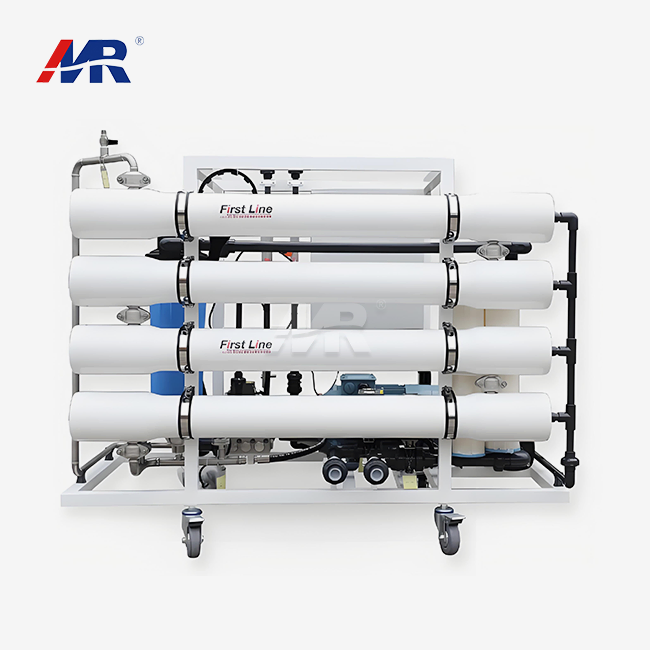
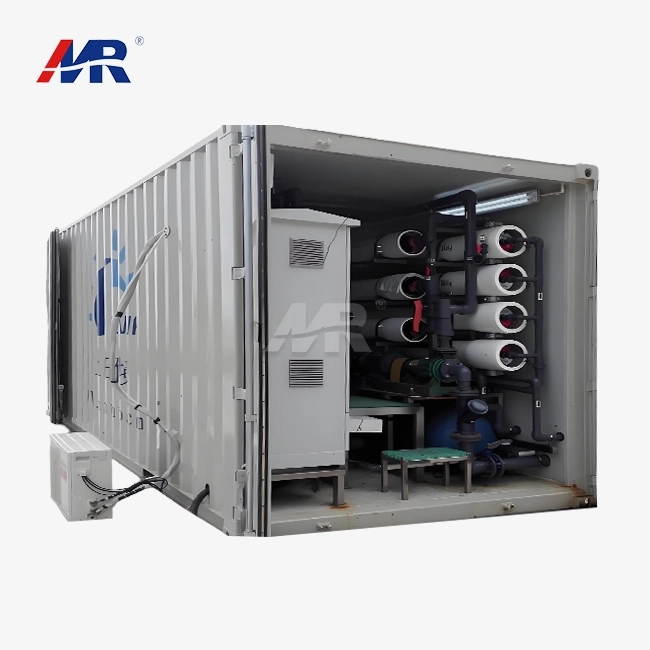
Forcing water through a semi-permeable barrier under pressure is what both industrial and household reverse osmosis systems do, but that's about all they have in common. Industrial membranes work at 150 to 1,200 psi, deal with thousands of gallons of water every day, and go through harsh chemical cleaning cycles that would kill a home filter in weeks.
These systems are the most important parts of water treatment facilities in many fields, such as making semiconductors, making medicines, and desalinating water for cities. The membrane gets rid of dissolved salts, silica, endotoxins, and microorganisms all at the same time, so the quality of the output stays the same even if the conditions of the feedwater change. The Water Quality Association says that industrial RO systems can get permeate conductivity levels below 10 µS/cm, which is higher than what can be achieved with ultrafiltration or carbon filtration alone.
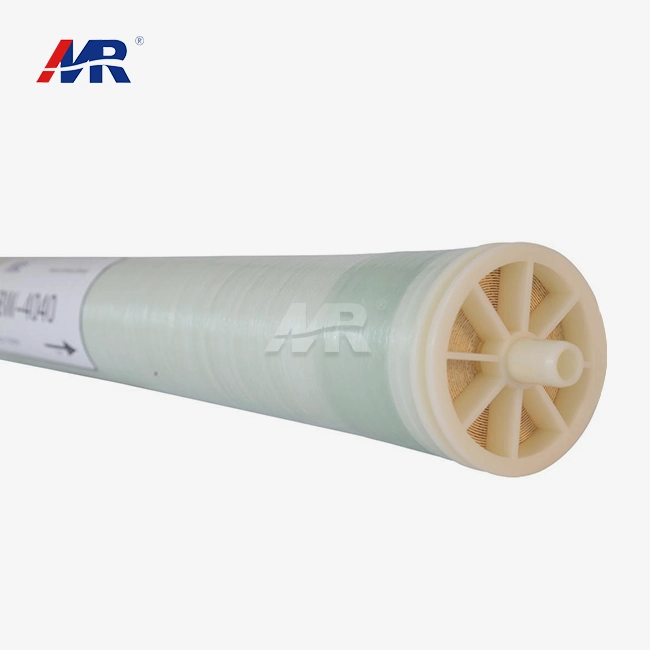
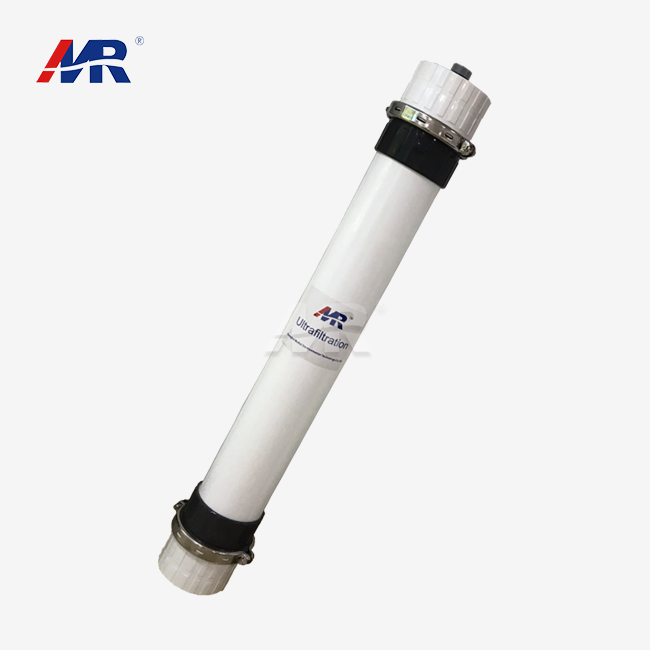
This industrial-grade standard is shown by Morui's MR-BW-4040 brackish water membrane. It works well for medium- to large-volume tasks, like preparing boiler feed, processing water for drinks, and pharmaceutical-grade purification circuits. It has a membrane area of 7.2 m², a rated flow of 2,500 GPD, an operating pressure of 1.55 MPa, and a salt rejection rate of 99.5%.
What Key Criteria Should You Evaluate Before Buying?
How Do Membrane Materials Impact Performance?
TFC polyamide and cellulose acetate (CA) are the two most common types of membranes used in industry. Polyamide membranes are the standard for most high-purity uses because they are very good at blocking salt and chemicals. Cellulose acetate membranes can handle small amounts of free chlorine, but they can only work in certain pH ranges and temperatures.
Here is a direct comparison to support your procurement decision:
| Criteria | TFC Polyamide | Cellulose Acetate |
|---|---|---|
| Salt Rejection | Up to 99.5%+ | 95–97% |
| Chlorine Tolerance | Near zero (requires dechlorination) | Moderate (up to 1 ppm) |
| Operating pH Range | 2–11 | 4–7 |
| Temperature Range | Up to 45°C | Up to 35°C |
| Fouling Resistance | Moderate (needs pre-treatment) | Higher inherent resistance |
| Typical Application | Pharma, electronics, boiler feed | Municipal, lower-purity industrial |
How Does RO Compare to Nanofiltration and Ultrafiltration?
It's important to make sure that reverse osmosis (RO) is the right technology for your needs before you buy a system. Ultrafiltration (UF) gets rid of germs and solids in the water, but it doesn't get rid of dissolved salts. This means that it's not good for boiler feed or high-purity computing water. Nanofiltration (NF) is a step in the process that removes divalent ions and softens water while still letting monovalent salts pass.
An industrial RO membrane system is the right choice if your process water needs to have conductivity below 50 µS/cm or remove more than 90% of the total dissolved solids (TDS). When RO is combined with EDI (electrodeionization), the purity goes even higher, reaching above 18 MΩ·cm. This can be used for things like cleaning chips or making USP-grade pharmaceutical water.
What Energy and Cost Factors Matter Long-Term?
The highest ongoing cost of any RO operation is the energy used. High-efficiency membranes with improved spacer shape lower the trans-membrane pressure needed to reach the goal flux. This lowers the amount of kilowatt-hours used to make one cubic meter of permeate. The International Desalination Association says that adding energy recovery devices to big brackish water RO systems can cut energy costs by as much as 40%.
When procurement teams figure out the lifecycle cost, they should look at how often chemicals are used, how often membranes need to be replaced (usually every 3 to 7 years), and how much pre-treatment costs. Over a five-year operating window, a higher initial investment in a good membrane often leads to a large drop in total OPEX.
How Do You Maintain an Industrial RO Membrane for Maximum Lifespan?
When Should Chemical Cleaning Be Scheduled?
When treating commercial water, preventative upkeep is a must. Best practices in the industry say to start a Cleaning-In-Place (CIP) cycle whenever any of the following standardized performance variations happen:
- Normalized permeate flow drops by 10–15% below baseline, which shows that early-stage fouling is preventing water from moving through the membrane channels.
- Normalized salt flow goes up by 5–10%, which means that the membrane might be breaking down or scaling, which makes rejection less effective.
- The differential pressure across the membrane array goes up by 15% or more, which means that particles or biofouling have gathered in the feed gaps.
A lot of big membrane makers use these limits, and they are in line with the ASTM D4194 testing rules for industrial RO membrane efficiency. If you move quickly on these signs, you can keep the membrane from becoming permanently compacted and make it last much longer than the average in the industry.
Biofouling and scaling are the two most common reasons why membranes fail too soon. Scaling is caused by the precipitation of calcium carbonate or barium sulfate at high saturation. Dosing an antiscalant upstream and disinfecting with UV light before the membrane stage have been shown to work as preventative measures. Free chlorine should never touch polyamide membranes. Oxidants must be neutralized with sodium bisulfite injection or activated carbon pre-filtration before the feedwater touches the membrane surface.
Which Brands and Suppliers Should You Consider?
How Do You Evaluate Supplier Credibility in a B2B Context?
Dow FilmTec, Toray, Hydranautics, and DuPont Water Solutions are among the well-known manufacturers in the industrial RO membrane market. Each brand has its own strengths. Dow FilmTec is known for consistently high-rejection brackish water elements. Toray is still a leader in desalinating seawater, and Hydranautics is known for low-energy membranes that don't foul.
In addition to checking the seller's name recognition, B2B buying teams should also make sure that the supplier is NSF/ANSI certified, follows ISO 9001 quality management standards, and can provide OEM customization or private-label elements for system integrators. Both the dependability of the lead time and the accessibility of technical information, such as element performance test results, are important factors to consider when judging.
Morui has its own plant for making membranes and other facilities for processing equipment. This way, we can directly check the quality of every part we offer. We also work with well-known brands like Shimge Water Pumps, Runxin Valves, and Createc Instruments. This lets us offer full RO systems instead of just individual parts.
What Does the Procurement and Installation Process Look Like?
It's not enough to just have the right standard. Professional installation makes sure that the pressure tanks, pipes, control systems, and membrane housing are all properly connected so that there is no channeling, bypass leaks, or uneven pressure distribution, all of which can shorten the membrane's life by a large amount.
After the installation is finished, standard performance logging should be done. During the first 24 to 48 hours of operation, normalized permeate flow, salt passing, and differential pressure should all be recorded. From now on, all choices about maintenance will be based on these standard numbers.
Before signing a provider deal, you should make sure you understand the after-sales help, such as guarantee terms, remote diagnostics, and on-site service access. Systems that are used for important things like pharmaceutical GMP water or nuclear boiler feed can't have long periods of downtime because their Technical support isn't responding.
Conclusion
It's important to think about the chemistry of the feedwater, the cleanliness you want to achieve, the amount you need, and the total cost of ownership when choosing an industrial RO membrane system. The MR-BW-4040 from Morui is reliable and can handle a wide range of medium- to large-scale commercial tasks thanks to its 99.5% salt rejection rate, 2,500 GPD capacity, and 7.2 m² membrane area. Choosing the right membrane specification, keeping it in good shape, and working with a reliable supplier are the best ways to protect your investment and make sure that the quality of the process water stays the same over years of use.
FAQ
1. How long does an industrial RO membrane typically last?
If you follow the CIP protocols and make sure the pre-treatment keeps the Silt Density Index (SDI) below 3, most industrial RO membranes will last between 3 and 7 years.
2. Can I use an RO membrane to treat seawater?
The MR-BW-4040 and other brackish water membranes are made to handle feedwater TDS levels of up to 10,000 mg/L. To remove salt from seawater, you need special high-pressure SWRO elements that can handle salinities higher than 35,000 mg/L.
3. What happens if chlorine contacts a polyamide membrane?
The polyamide active layer breaks down irreversibly due to oxidation damage caused by free chlorine. To get rid of chlorine before it gets to the membrane, sodium bisulfite injection or an activated carbon filter must be put in place upstream.
4. How do I know when to replace rather than clean a membrane?
When normalized salt passage goes over 20% above baseline after a successful cleaning cycle, or when physical damage like telescoping or element deformation is seen during inspection, replacement is needed.
5. What pre-treatment is essential before an RO system?
Multimedia filtering, antiscalant dosing, and dechlorination are common steps in effective pre-treatment. Ultrafiltration as a pre-treatment step greatly increases the service life of industrial RO membranes when the feedwater has a lot of fouling.
Partner with Morui for Your Next Industrial RO Membrane System
From choosing the elements to fully commissioning the system, Morui offers full industrial RO membrane solutions at 14 branch locations. We are a reliable industrial RO membrane provider for manufacturing, pharmaceutical, and local customers on a global scale thanks to our in-house membrane production, 20 specialized engineers, and years of experience treating industrial water. To talk about your unique water treatment needs, please contact our expert team right away at benson@guangdongmorui.com.
References
1. Metcalf & Eddy. Wastewater Engineering: Treatment and Resource Recovery. McGraw-Hill Education, 2014.
2. American Water Works Association. Reverse Osmosis and Nanofiltration (Manual of Water Supply Practices, M46). AWWA, 2007.
3. Baker, R. W. Membrane Technology and Applications. Wiley, 2012.
4. Water Quality Association. Reverse Osmosis Systems: Industry Standards and Performance Data. WQA, 2020.
5. International Desalination Association. IDA Water Security Handbook: Desalination and Water Reuse. IDA, 2021.
6. ASTM International. ASTM D4194: Standard Test Methods for Operating Characteristics of Reverse Osmosis and Nanofiltration Devices. ASTM, 2019.