_1745823981883.webp)

How to Choose an Ultra Filter Membrane
Choosing the right membrane/ultrafiltration-membrane-system">ultra filter membrane starts with understanding your feed water chemistry, target contaminants, and downstream process requirements. An ultrafiltration membrane typically operates at a pore size between 0.01 and 0.1 microns, removing suspended solids, bacteria, viruses, and macromolecules while allowing water and dissolved salts to pass through. Key selection factors include membrane material, module configuration, flux rating, fouling resistance, and compliance with standards such as NSF/ANSI 61. Matching these parameters to your industry's operational demands determines long-term system reliability and total cost of ownership.
Understanding How Ultrafiltration Membrane Technology Works
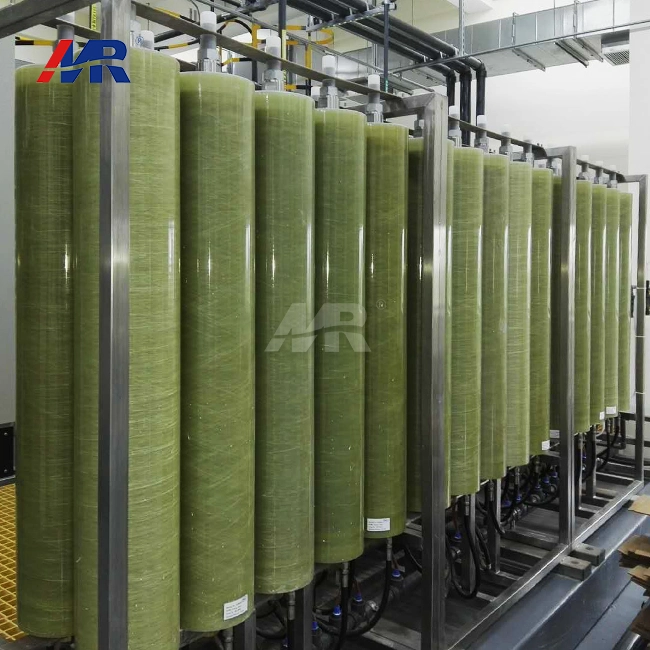
Pressure drives water across a semi-permeable barrier. The ultrafilter membrane keeps particles bigger than its rated pore size by using a sieving mechanism set by the Molecular Weight Cut-Off (MWCO), which is usually between 1,000 and 500,000 Daltons. A hollow fiber or spiral wound UF module keeps a set rejection level even when the influent turbidity spikes. This is different from traditional media filtration, which depends on depth loading.
What Makes UF Different from Other Filtration Stages?
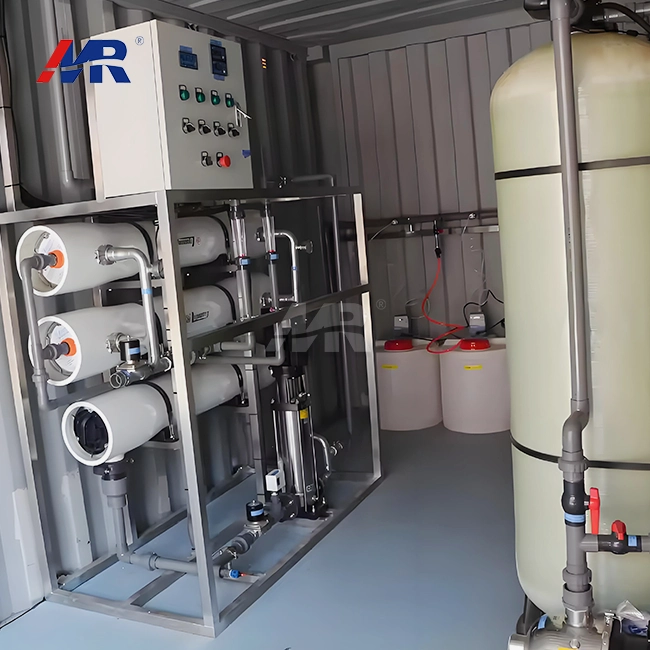
When it comes to pressure-driven separation, ultrafiltration is in the middle, between microfiltration (>0.1 µm) and nanofiltration (<0.01 µm). Without using chemicals or changing phases, it removes 4–6 logs of bacteria and viruses. This makes it more energy-efficient than distillation. It doesn't get rid of dissolved salts; nanofiltration or reverse osmosis are better at that. This difference is important when planning a treatment train with more than one step, like UF pre-treatment before an RO system in a saltwater desalination or power plant boiler feed situation.

Key Criteria to Consider When Choosing an Ultra Filter Membrane
Material composition is the foundational decision. Polyacrylonitrile (PAN), Polyvinylidene Fluoride (PVDF), and Polyethersulfone (PES) all have different trade-offs when it comes to how they work. The three main types of polymers used in industrial UF modules are shown below:
| Property | PAN | PVDF | PES |
|---|---|---|---|
| Hydrophilicity | High | Moderate | High |
| Oxidant Resistance | Moderate | Excellent | Moderate |
| Mechanical Strength | Good | Excellent | Good |
| Typical pH Range | 2–10 | 1–11 | 1–13 |
| Best Fit | General water treatment, food/beverage | Wastewater, MBR, high-chlorine feeds | Pharmaceutical, lab |
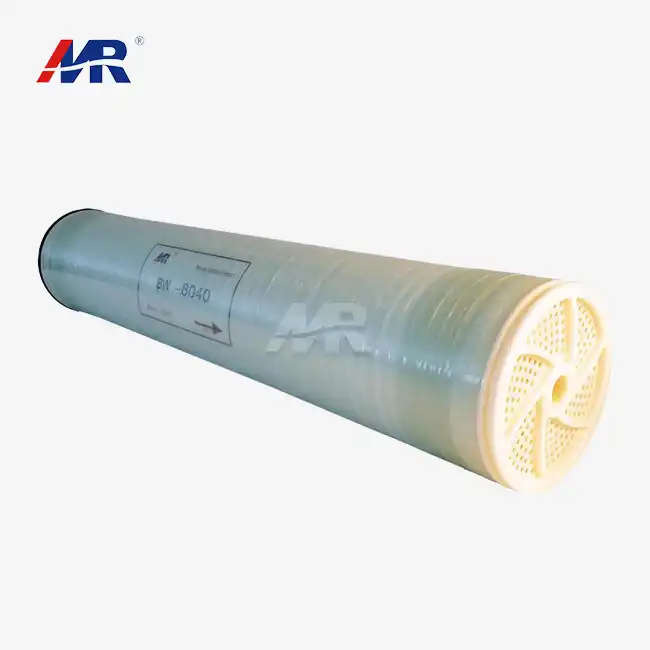
PAN ultra filter membranes naturally attract water, which lowers the chance of fouling and keeps the flow fixed without changing the surface. Morui's MR-UF-8060 module has a PAN material base with pores that are 0.02 µm in size, an effective filter area of 50 m², and a flux range of 40–120 LMH — parameters well-suited for pre-treatment systems, improving drinking water in cities, and food-grade clarification jobs.
How Does Membrane Configuration Affect Your System Design?
How the module fits into your pipe layout and cleaning process depends on how it is configured. High-pressure backwash cycles can be used with hollow fiber modules, which let flow paths go inside-out or outside-in. Spiral wound designs offer high packing density but can't handle high-solids flows as well. MBR systems that are immersed in aeration tanks often have flat sheet parts. The procurement engineers should make sure that the design they choose fits the available space, the working pressure, and the number of Clean-in-Place (CIP) cycles that their process allows.
What Flux and Rejection Specifications Should You Target?
Flux, which is measured in LMH (liters per square meter per hour), is directly related to how much energy the system uses and how much it produces. A module rated at 40–120 LMH gives you practical freedom across different feed qualities. It can run safely at 40 LMH on surface water that is cloudy and ramp up to 120 LMH on cleaner feeds to get the most work done. You should test the rejection rate against the contaminants you want to get rid of. For example, a pore size of 0.02 µm can successfully get rid of colloidal silica, bacteria, and small suspended matter, lowering the Silt Density Index (SDI) to below 3. This keeps the RO elements further down the line from premature fouling.
Evaluating Ultra Filter Membrane Options in the Market
Some well-known companies in the global ultrafilter membrane market are Pall, Koch Membrane Systems, Toray, and Hydranautics. Each is known for its strengths in a certain area of use. Pall is well-known in the medicine and high-purity water industries. Koch and Toray have a lot of experience with large-scale projects in cities and factories. But judging suppliers based only on how well-known their name is can hide important factors, such as wait time, OEM customization capabilities, expert support depth, and the availability of spare parts in your area.
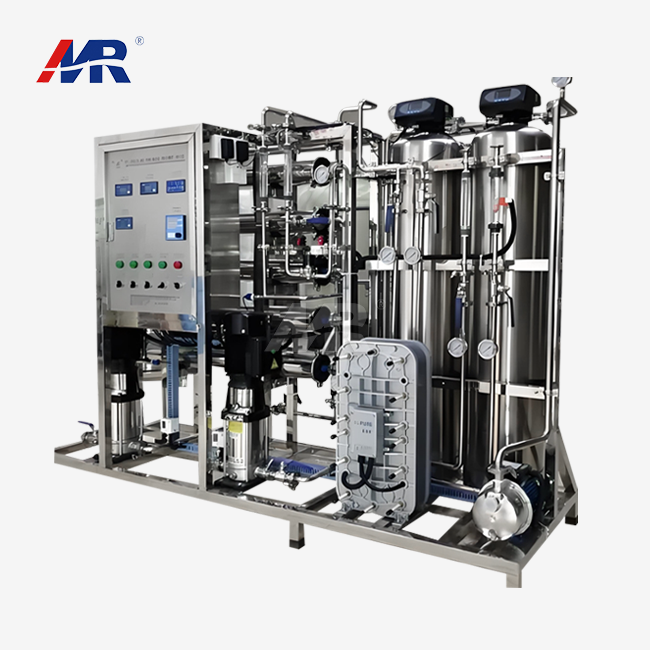
Morui has its own facility for making membranes and a number of facilities for processing equipment. This shortens the supply chain and lets engineers talk directly with each other. Instead of going through a distributor, procurement teams can directly contact Morui's engineering staff to set up module arrays, choose compatible pumps from its Shimge Water Pump agency line, and connect Runxin valves and Createc instruments into a system that works well, all within the same project scope.
When compared to spot-market deals, bulk buying agreements and OEM partnerships usually cut the cost per unit by 15–30%. They also set up priority service agreements that matter when unplanned downtime threatens production schedules.
Matching UF Membrane Features to Your Industry Needs
Different industries have performance standards that can't be lowered. Here are some common ways that the MR-UF-8060's specifications map to common industrial procurement scenarios:
- Municipal water treatment and water plant upgrades: High-turbidity surface water needs a steady drop in SDI. The MR-UF-8060's 50 m² area and 0.02 µm pore size provide reliable pathogen barrier performance at a flux range that accommodates seasonal flow variation, helping utilities meet Safe Drinking Water Act compliance targets without over-sizing capital equipment.
- Food and beverage processing: To clarify juice, concentrate dairy whey, and pre-filter drinks, you need ultra filter membranes that can handle harsh CIP processes with acidic and alkaline cleaning agents. Regular backwashing with sodium hypochlorite is possible with PAN because it has moderate oxidant resistance.
- Pharmaceutical and biotechnology: GMP settings need to be able to track materials and consistently reject them. Before accepting a membrane lot for production use, engineering teams in this field should ask for batch-specific test certificates that show the Pure Water Flux deviation is within ±10% of the number on the specification sheet.
- Electronics and semiconductor manufacturing: RO+EDI trains need feed water with very low SDI. It is common practice in chip-fab water systems to put a UF stage ahead of the RO bank. This is because even small particles can lower output.
These application profiles share a common thread — each benefits from stable, predictable membrane performance over an extended service life. If you clean and backwash industrial UF modules with water and do CIP every so often, they should last between 3 and 7 years.
Practical Tips for Procurement Managers
Before issuing a purchase order, run through this evaluation sequence to avoid costly mismatches between membrane specification and field conditions.
Here are the core checkpoints every procurement manager should verify before finalizing an ultrafilter membrane selection:
- Confirm feedwater characterization data: Turbidity, SDI, pH, temperature range, and chemical oxygen demand (COD) values must be on file before specifying a module. Membranes sized on estimated rather than measured feed data routinely underperform.
- Request a Bubble Point or Pressure Hold Test certificate: This ASTM F316-aligned integrity test verifies maximum pore size and detects seal defects. A supplier unwilling to provide this documentation is a commercial red flag.
- Validate tensile strength data for hollow fiber modules: High-quality PVDF and PAN fibers typically exceed 40–50 N of tensile strength to withstand air scouring stress during backwash cycles.
- Clarify CIP chemical compatibility in writing: Confirm that the membrane material tolerates your plant's preferred cleaning agents at the concentrations and temperatures at which you operate.
Establishing a CIP trigger protocol based on a 10–15% rise in Transmembrane Pressure (TMP) above baseline prevents irreversible fouling and extends membrane lifespan measurably. Plants that delay cleaning until TMP doubles typically reduce membrane service life by 30–40%.
Conclusion
Selecting an ultra filter membrane filtration module is a capital decision that affects treatment reliability, operating cost, and regulatory compliance across the full equipment lifecycle. The right choice aligns pore size, material chemistry, and flux capacity with your specific feed water conditions and downstream process requirements. Morui's MR-UF-8060 — with its 0.02 µm PAN membrane, 50 m² filtration area, and 40–120 LMH operational range — addresses the needs of municipal, industrial, and food-grade applications with measurable efficiency. Procurement managers who validate specifications rigorously and partner with technically capable suppliers consistently achieve the strongest return on membrane investment.
FAQ
1. How long does an ultrafiltration membrane typically last?
With consistent hydraulic backwashing and scheduled CIP cycles, industrial UF modules achieve 3–7 years of service life. The primary life-limiting factors are prolonged oxidant exposure and delayed chemical cleaning. PAN membranes perform reliably in neutral-to-mildly acidic conditions when cleaning protocols follow TMP-triggered schedules.
2. When should I choose UF over reverse osmosis?
Choose UF when your target contaminants are suspended solids, bacteria, viruses, or colloids, and dissolved salt removal is not required. RO is necessary when TDS reduction or desalination is the objective. In many industrial systems, UF serves as the RO pre-treatment stage — protecting RO elements and reducing overall chemical cleaning frequency.
3. Can a UF membrane handle high-fouling feed water?
Yes, provided the membrane is sized conservatively and operates with a reliable backwash cycle. A flux range of 40–120 LMH, as offered by the MR-UF-8060, allows operators to throttle output during high-turbidity events, maintaining sustainable TMP levels and preventing irreversible cake layer formation.
4. How do I detect a fiber integrity failure?
A sudden increase in permeate turbidity or a failed pressure hold test indicates a fiber breach. Sonic sensors or bubble testing can isolate the compromised module. Affected fibers can be pinned temporarily while a replacement is sourced.
Partner with Morui for Your Ultra Filter Membrane Requirements
Morui brings over 500 employees, 20 dedicated engineers, and an in-house membrane production facility to every project. Our MR-UF-8060 ultra filter membrane is available for industrial-scale procurement with OEM customization support. Contact us to request specifications, competitive quotes, or bulk pricing. Reach Our Team at benson@guangdongmorui.com to explore our full ultrafilter membrane supplier portfolio.
References
1. Cheryan, M. Ultrafiltration and Microfiltration Handbook. Technomic Publishing, 1998.
2. Baker, R. W. Membrane Technology and Applications. Wiley, 2012.
3. Mulder, M. Basic Principles of Membrane Technology. Kluwer Academic Publishers, 1996.
4. Journal of Membrane Science — Elsevier, Vol. 587, 2019. (uf membrane fouling and cleaning studies.)
5. NSF International. NSF/ANSI Standard 61: Drinking Water System Components — Health Effects. NSF, 2023.
6. ASTM International. ASTM F316: Standard Test Methods for Pore Size Characteristics of Membrane Filters. ASTM, 2019.