



How to Choose an RO Tank for High-Demand Water Treatment Systems
Choosing the correct RO tank for a high-demand water treatment system is more than just choosing the biggest vessel out there. The tank should be compatible with your system’s flow rate, required pressures and materials, and your daily water needs. A well-designed reverse osmosis storage tank eliminates membrane pump short-cycling, offers constant pressure, and keeps water pure within a sealed bladder or diaphragm chamber. Whether it is for a hotel, a food processing facility, or an industrial RO plant, the appropriate choice here is the key to the dependability of the system from day one.
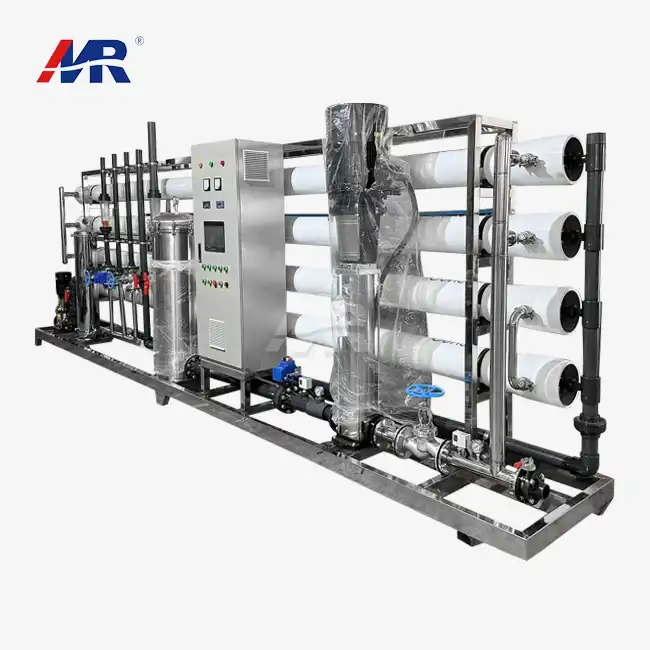
Understanding RO Tanks and Their Role in Water Treatment Systems
Why Storage Matters in an RO System
RO filters purify water at a slow rate. For smaller units, they can only manage up to two gallons of water an hour. Each glass would have to be removed from a holding vessel not under pressure, and that would take minutes to wait for. If the tank is the correct size, it can accommodate this sluggish rate of production and yet supply people with water when they need it at a decent flow rate. This buffering capacity has a direct impact on the amount of work that gets done and how pleased people are in corporate environments.
Pressure Dynamics and System Protection
A holding tank for RO operates like a tube with water and air. Most of the time, the air pre-charge within the tank is set between 5 and 7 psi at empty. The back-pressure signals the automatic shut-off valve when the tank is full. In this manner, the membrane and high-pressure pump don’t have to function when they don’t have to. This increases longevity and efficiency. According to NSF International, pressure tanks used in drinking water systems should be safe and powerful. These tanks must also fulfill the NSF/ANSI Standard 58.
Protecting Water Quality
You will observe a thin, impermeable barrier between the treated water and the pressurized air chamber within the tank. This process prevents CO2 gas, floating bacteria, and other hazardous items from entering the water supply. These sorts of defenses are essential in areas like hospitals, laboratories, and companies that produce food.
Key Criteria for Selecting the Right RO Tank
Capacity and Sizing
First, you need to choose an ro tank that can carry enough water for each day. A reasonable rule of thumb is that the tank should be able to store at least one to two hours of high-demand flow. When the tanks are too tiny, the pump turns on and off too frequently. This reduces the lifetime of the membrane and increases the energy cost. The size of tanks required for hotel or industrial RO systems is normally between 50 liters and several thousand liters, depending on their water processing needs.
Material Selection: Stainless Steel vs. Plastic
These are the key factors individuals consider before making a purchase:
- Stainless steel tanks are stronger, endure longer, and do not corrode as quickly. They operate best in settings with tight requirements regarding hygiene. Such as workplaces, food and drink, and pharmaceuticals. The finest 304 or 316 stainless steel will not break down when chemicals are used to clean it.
- Plastic tanks are lighter and cheaper; therefore, they are suitable for drinking water systems in establishments and other jobs that only require a little pressure. Filters comprised of NSF-approved, food-grade polyethylene or polypropylene prevent transfer of flavors and odors.
- Stainless steel tanks provide better corrosion resistance, mechanical strength, and durability. They are perfect for pharmaceutical, food & drink, and industrial applications with high cleanliness requirements. High-grade 304 or 316 stainless steel will survive chemical cleaning cycles without degradation.
- Plastic or composite tanks are lighter and less expensive, making them ideal for commercial drinking water systems and applications with mild pressure needs. Taste and odor transmission is prevented by NSF-certified food-grade polyethylene or polypropylene liners.
You don’t only want to know the price of the material; you want to know how long it will last, how frequently you need to maintain it, and how well it satisfies industry norms. Procurement teams should request complete material Certifications before source orders are closed.
Pressure Rating and Connection Compatibility
Every job has its own work pressure requirements. Standard industrial RO tanks have a maximum operating pressure of 100 psi and a maximum burst pressure of over 250 psi as a safety precaution. If your RO system is employed in an industrial environment with a lot of pressure, constantly compare the working pressure of the tank to its operating range. You need the connecting port and threads to be identical in size and shape to the pipework currently in place so as to avoid expensive alterations in the field.
Comparison of RO Tanks with Alternative Water Storage Solutions
RO Tanks vs. Standard Open Storage Tanks
Off-the-shelf tanks are cheaper and easier to use, but they let air into the cleaned water. This makes it more likely that microbes, CO₂ (which makes the water more conductive), and particles will get into the water supply chain. These are all things that shouldn't be in water that is used for medicines, food, or medical purposes. These risks are taken care of by an RO holding tank with a lid that keeps the area closed off and under pressure from production to delivery.
RO Tanks vs. UV-Equipped Tanks
A few operators believe that UV cleaning tanks could be used instead of other choices. However, UV systems only treat the germs in the water and not the pressure in the storage tanks. Each tool has its own use. For high-purity uses like lab water or hospital supply systems, a RO tank for pressure-buffered storage and a UV unit further downstream provide both a place to store the water and a final barrier against microbes. This uniform method is often used in water systems for pharmaceuticals.
When to Choose Which Solution
The choice will depend on how pure the application needs to be, how much space is available, and how much money is available for the lifecycle. A normal pressure RO tank can be used for basic drinking water needs in a business setting. The best setup for processes that need a lot of storage room and protection from microbes is one that has both a RO tank and a UV light source. When business buyers compare these options, they should think about how much the whole system will cost, not just how much each item costs.
Maintenance, Troubleshooting, and Ensuring Longevity
Routine Maintenance Practices
The water quality is protected, and the tank lasts longer with regular maintenance. Every year, I think you should use a low-pressure gauge to check the pre-charge air pressure and make any necessary changes. Always do this when there is no water in the tank. Checking the stability of bladders, fittings, and steel tanks for rust on the outside on a regular basis is an important part of managing assets responsibly.
Common Fault Indicators
If you are an operator or service boss, here are some red flags you should look out for:
- Tank feels heavy but delivers no water — this typically indicates a ruptured internal bladder or complete air charge loss, a condition known as waterlogging.
- Pressure drop at the point of use — may signal pre-charge loss, a partially failed bladder, or a restriction in the delivery line.
- Altered taste or odor — often traced to a degraded bladder liner or fittings that are not NSF-certified.
The tank probably doesn't hold any water if it feels heavy. This means that either the internal bag has burst or there is no more air in the tank. This is also known as waterlogging.
Supplier Support and Warranty
When shopping for tanks for big projects, find out what the warranty covers and how much expert help the company gives. The total cost of ownership for the tank goes down over its 3- to 5-year design life if the seller can quickly get new diaphragms, paperwork for recertification, and spare parts to the buyer.
Procurement Considerations for B2B Buyers and OEMs
Evaluating Supplier Capability
If companies are buying RO storage tanks from each other, it’s not simply the price per unit that counts. If a buyer wants to purchase anything, they should make sure that the supplier is ISO certified, can provide evidence of conformity (such as NSF/ANSI 58 test results), and can maintain a consistent production capacity for large or recurrent orders. Look for guaranteed lead times, export packaging requirements, and prompt replies to technical inquiries as indicators of a supplier you can trust.
Customization and Project-Specific Requirements
There are numerous corporate and industrial RO projects that need tanks of a specific size, or tanks connected in a certain manner, or tanks not pressure-rated to a standard. If the supplier has their own engineering and fabrication team, they may swiftly alter the tank’s parameters to align with the project plans. This is highly crucial for EPC builders and OEM manufacturers requiring tanks that interact with packaged system designs directly.
Morui's Position in the Market
Guangdong Morui Environmental Technology Co., Ltd. helps enterprises acquire water purification equipment for cities, industries, and other businesses. Morui offers technically sound RO tanks and can completely integrate your system within it. They have 20+ engineers, factories that produce membranes, and facilities that process all types of equipment. Morui also carries well-known brands like Createc Instruments, Shimge Water Pumps, and Runxin Valves. This allows procurement teams to get parts from one trusted supplier that operate together nicely.
Conclusion
Choosing the correct RO tank for a high-demand water treatment system entails matching the tank capacity, pressure rating, tank material, and connection parameters to the unique operating circumstances of each project. Maintenance problems, reduced water quality, and higher long-term expenditures result from tanks that are improperly designed or specified. Stainless steel structure is suitable for demanding industrial and food-grade situations. NSF-certified composite tanks are suitable for commercial applications. The investment in the long run is protected by ongoing pressure testing and bladder checks. Procurement risk is eliminated from complicated projects by working with a supplier that has engineering depth, manufacturing capability, and dependable documentation.
FAQ
1. How do I calculate the right tank size for my facility?
A practical starting point is to multiply your system's peak hourly demand by 1.5. For example, a facility requiring 40 liters per hour at peak should specify a tank with at least 60 liters of usable storage capacity. Always account for the pressure differential between pre-charge and working pressure when reading manufacturer capacity specifications, as rated volume differs from usable volume.
2. How often should I service the RO storage tank?
Check the internal air pre-charge pressure every 12 months using a low-pressure tire gauge when the tank is fully empty. Inspect all fittings and external surfaces for corrosion or leaks during each scheduled maintenance visit. In high-use commercial environments, a six-month inspection cycle is a reasonable precaution.
3. Is stainless steel worth the additional cost over plastic?
For food and beverage production, pharmaceutical water systems, and industrial applications with aggressive cleaning cycles, stainless steel tanks justify the price difference through longer service life and easier compliance documentation. For standard commercial drinking water installations, NSF-certified food-grade plastic tanks perform adequately at a lower capital cost.
4. Can I install an RO tank horizontally?
Most modern diaphragm-style tanks support horizontal installation. Vertical orientation is still preferred because it places less mechanical stress on the internal bladder over time. Always confirm the manufacturer's approved installation orientation before final positioning.
Get Your RO Tank Specification Right — Contact Morui Today
Businesses and industries all over the world buy approved RO tanks and full water treatment systems from Morui. We can make any changes you need and provide full compliance paperwork and quick engineering help for all of your projects because we are an experienced RO tank manufacturer**. You can talk to Our Team about your storage vessel needs and get a detailed plan that works for your system by emailing benson@guangdongmorui.com.
References
1. NSF International. NSF/ANSI 58: Reverse Osmosis Drinking Water Treatment Systems. NSF International, 2023.
2. American Water Works Association. Water Treatment: Principles and Practices of Water Supply Operations. AWWA, 2018.
3. World Health Organization. Guidelines for Drinking-water Quality: Fourth Edition Incorporating the First and Second Addenda. WHO, 2022.
4. WateReuse Association. Advancing Water Reuse: State of the Industry Report. WateReuse, 2023.
5. Crittenden, J.C., et al. MWH's Water Treatment: Principles and Design. Wiley, 2012.
6. U.S. Environmental Protection Agency. Membrane Filtration Guidance Manual. EPA, 2005.
 VIEW MOREseawater desalination pre-treatment
 VIEW MOREreverse osmosis membranes
 VIEW MORE2 stage reverse osmosis system
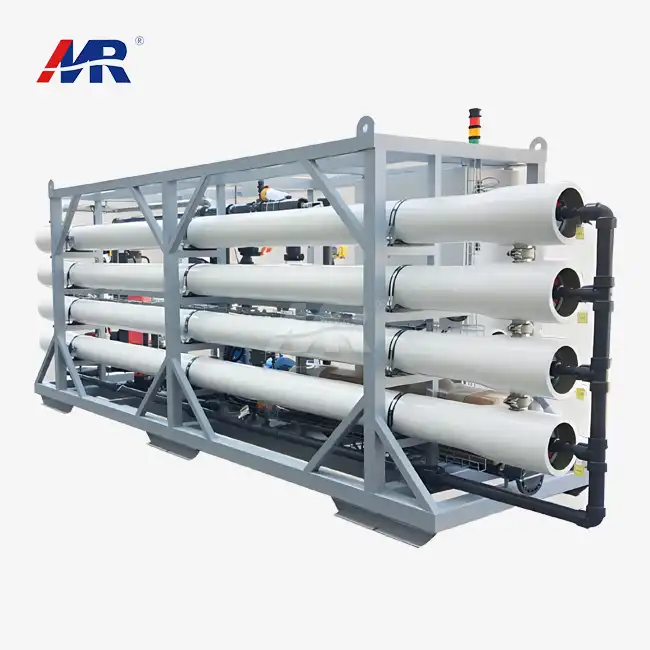 VIEW MORE12m3/hour seawater desalination equipment
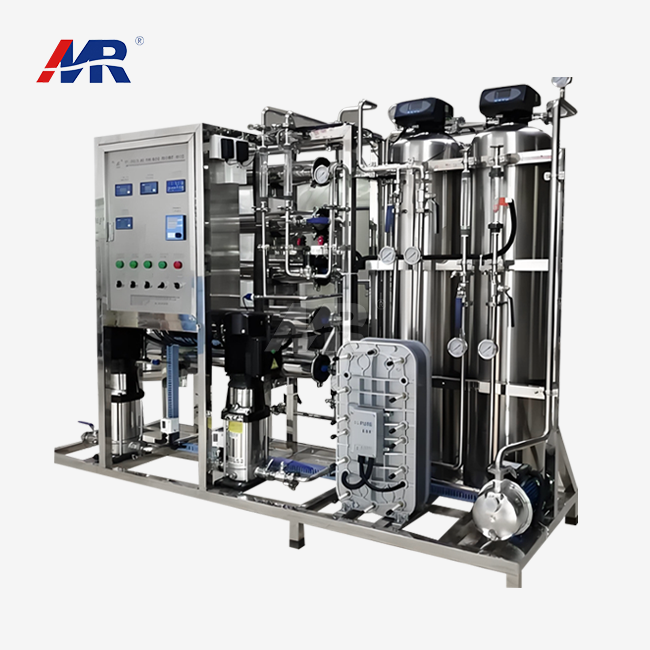 VIEW MOREEDI plant
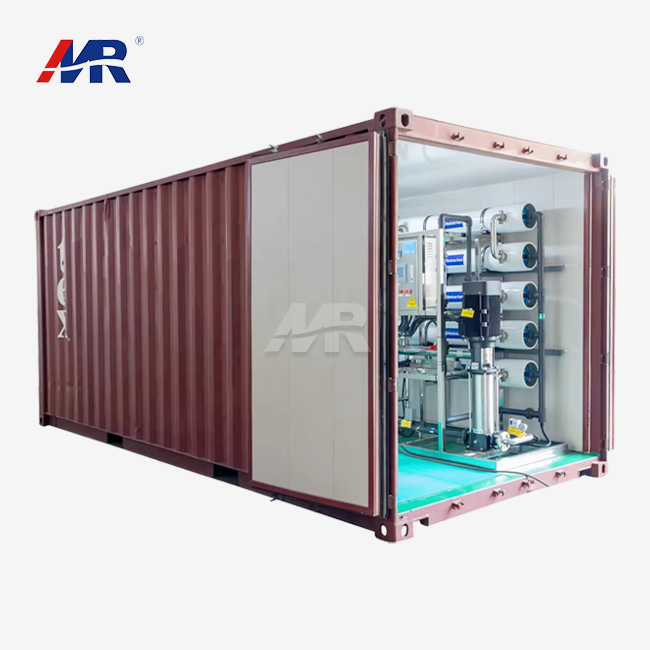 VIEW MOREmobile container reverse osmosis equipment
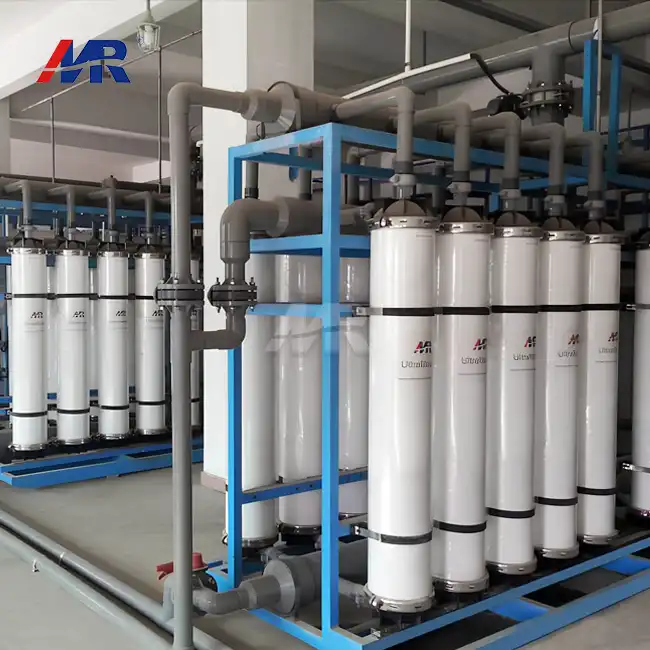 VIEW MORE20m3/hour ultrafiltration equipment
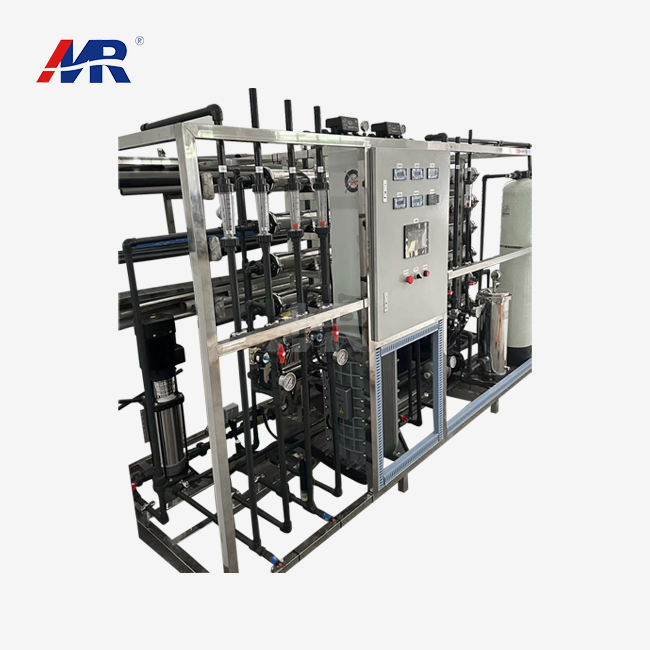 VIEW MOREedi water treatment system