



How Efficient Is an 8 Stage Reverse Osmosis System?
An 8 stage reverse osmosis system is efficient when its stages match the water it treats. For the MR-BWRO-10TH, I look at three numbers first: 98% salt rejection, 55–65% recovery, and 15 kW of power consumption. Those figures show how much dissolved salt the membrane removes, how much feed water becomes drinking water, and how much electricity the skid draws. Stage count alone does not decide efficiency, because pretreatment, membrane condition, feed-water quality, and maintenance all change the result. This guide explains each factor in plain terms so you can judge a system before you request a quote.
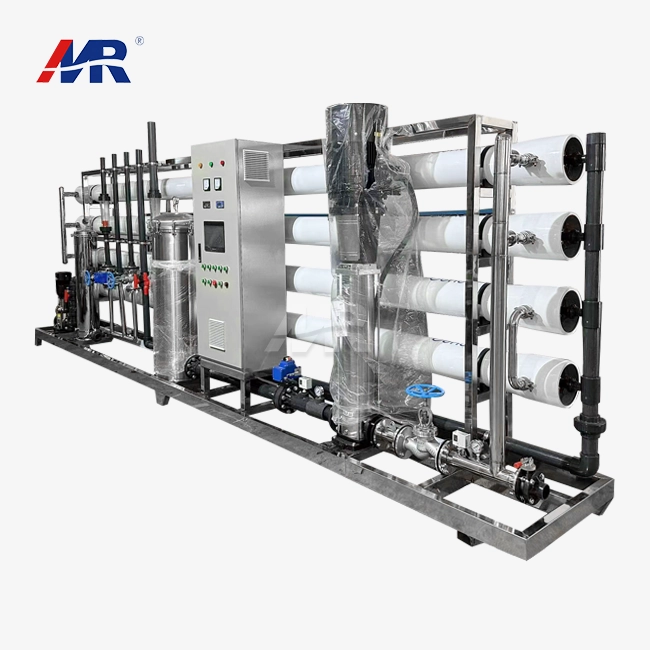
What Efficiency Means for an 8 Stage Reverse Osmosis System?
Salt Rejection and Water Quality
The salt rejection number tells you how much dissolved salt the membrane keeps out of the water. People say that the MR-BWRO-10TH can turn down 98% of salt. A saltwater well with 2,000 mg/L of dissolved solids would make permeate that is close to 40 mg/L at that rate. The U.S. EPA's second level of total dissolved solids is 500 mg/L. The real results aren't always the same because removal depends on the age, temperature, and pressure of the membrane and the ion. If someone wants to buy something, they should never just look at the packet number. They should also look at both a lab report of the raw water and test data from a permeate test.
Recovery Rate and Water Use
It tells you how much of the feed water is turned into output water. For every 100 gallons of feed, 55 to 65 gallons of drinking water are made. This is called 55% to 65% recovery. That which is left over is called concentrate, and it has a concentration of about 2.2 to 2.9 times the feed concentration of rejected salts when rejection is almost done. Calcium sulfate and silica tend to stick to the membrane, which makes scaling more likely. Higher recovery saves water, but it also raises the risk of scaling. That's why we don't just look for the highest number; we also look at your hardness, silica, and release rules.
Energy Use and Operating Cost
The MR-BWRO-10TH for an 8 stage reverse osmosis system says it needs 15 kW of power. The high-pressure pump pushes water through the barrier against the osmotic pressure, which is a big part of that load. Most of the time, treating brackish water costs less per gallon because it doesn't need as much pressure as treating seawater. Cost lines aren't just energy, though. On top of that, it takes money to do the work, use antiscalant, and change membranes and cartridge filters. I think you should add them all up and get a price per thousand gallons before you compare them.
How Stages, Feed Water, and Maintenance Shape Results?
Pretreatment and the RO Membrane
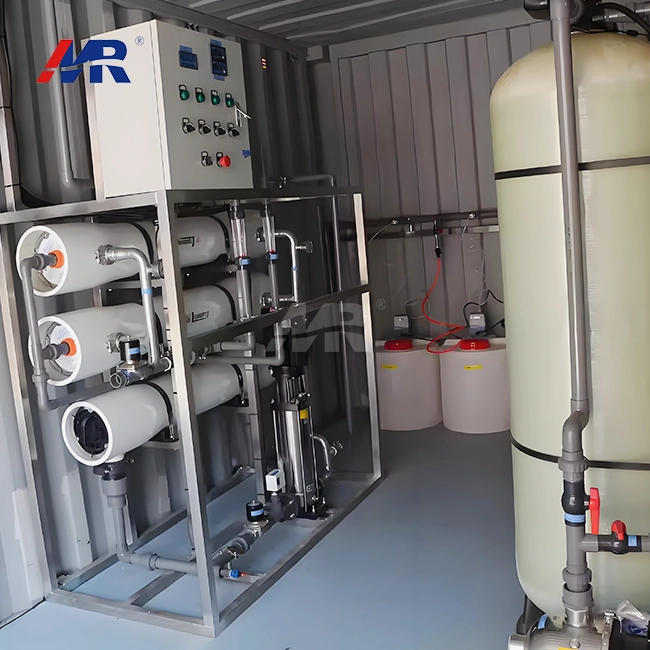
It is shown by the stage count, and each maker fills those spots in a different way. In a business setting, sediment and filter filtration are often the first steps to get rid of silt and rust. CO2 is used to get rid of chlorine, which is bad for polyamide membranes. Then, the ro membrane gets rid of the salts that have been dissolved. Later steps change or polish the water so it can be used. "8 stage" doesn't mean that everything will go well because plans are different. Find a supplier and ask them to make a list of all the steps, what they do, and the materials they use. We choose each step from the raw water report you gave us.
Feed Water, Temperature, and Pressure
Everything further down is affected by how clean the water that comes in is. Iron, manganese, hardness, silica, and organic matter can all slow down the process and cause membranes to get clogged up more quickly. How hot or cold it is is also important. The flow of permeate slows down by about 2% to 3% for every degree Celsius that the temperature drops. This means that a cold well in the winter will fill with less water than the same well in the summer. When the flow and feed pressure are both low, a booster pump can help. The water in the ground can also change with the seasons. Before we decide what size plant to build, I ask buyers to send me a recent analysis of the water and the coldest temperature they think it will get.
Filter Replacement and Maintenance
The observed efficiency of an 8 stage reverse osmosis system stays close to the rated numbers when maintenance is done. Carriage filters need to be changed when the water quality or pressure changes. When things are going well, membranes last about two to three years. But fouling can shorten their life. You should pay attention to these three signs: the permeate flow is decreasing, the permeate TDS is rising, and the pressure difference across the membrane stage is growing. It is possible to find these issues early if you keep daily records of flow, pressure, and conductivity. So that plant teams can keep track of these things better, we can add PLC data logging and remote monitoring to your order.
Choosing the MR-BWRO-10TH from Morui
Core Specifications
What are the main parts of the MR-BWRO-10TH? Its job is to turn salty water into drinkable water.
- Salt rejection of 98%: It tells you how much salt it can handle. It helps buyers understand what level of quality they should expect. Get the test report that matches, and then compare it to what you found when you looked at the raw water and the rules in your area.
- Recovery rate of 55–65%: The machine turns most of the water that comes in into usable water. We don't have a single point that works for all sites because the right point in that range depends on the silica, concentrate release, and feed hardness. We set it based on your water study instead.
- Power consumption of 15 kW: Plan how much you will spend on transformers, wires, and running costs based on this energy load. We look over the electrical details in the technical proposal before we start making things.
These numbers will help yOur Team set goals for power, discharge, and treated water.
Stage Count Versus Application Fit
Things don't always work better when there are more steps. There are more steps that need to be taken when the raw water has a lot of solids, chlorine, or bacteria that need to be removed. A faster process may work well for a clean city supply. More stages mean more pressure loss, more parts, and more service time. I think about what each stage takes away and how much it costs to stay current when I look at my options. If a stage doesn't have a job in your water report, it probably doesn't fit on the skid. Most of the time, the way the membrane is designed and how it is treated are more important than the number on the label when treating brackish groundwater for drinking.
OEM/ODM and Procurement Checklist
Morui is a business that makes things. It has its own plants for making membranes and processing tools. Five hundred people work for the company, and it has fourteen sister companies. It's been around for 25 years. As part of our OEM/ODM service, we can help you choose the best process based on the raw water quality. Our team can also finish a skid based on a plan you give us. Pumps, controls, instruments, pipe materials, and remote monitoring can be added or removed at any time. You can also buy Shimge pumps, Runxin valves, and Createc tools from us as an agent. Most US buyers want to see proof first, so let us know what kinds of certificates, test reports, and energy data your project needs. Before you place your order, make sure you have a written confirmation of the lead time, warranty terms, availability of spare parts, and help with configuration.
Conclusion
When it comes to 8 stage reverse osmosis systems, the best feed water is water that is compatible with the stages, membrane, and operating settings. It doesn't matter how many steps there are; the method still works well. The MR-BWRO-10TH can reject salt 98% of the time, recover 55% to 65% of the time, and use 15 kW of power. Before the membrane is used, it is treated to protect it. The real output depends on the quality of the feed, the temperature, and the pressure. The results stay close to the ratings because they are maintained regularly and simple track records are kept. A faster process may work better if the raw water is clean. Adding extra steps should only be done if they are known to fix a water issue. If you use this in real life, it means you should judge any system by its confirmed water data, measured performance, and cost over its whole life.
FAQ
Q1: Does an 8 stage reverse osmosis system waste more water than a simpler one?
A: Not because there are so many stages. How much water is used depends on how fast the wound heals. At a recovery rate of 55–65%, the MR-BWRO-10TH works. This means that 35–45% of the feed goes through as concentrate.
Q2: How often should the membrane be replaced?
A: There is no set amount of time that a membrane will last, but it relies on the quality of the feed, how often it gets dirty, and how often it is cleaned. If you keep an eye on the permeate flow, pressure difference, and conductivity, you won't have to guess when the change will happen.
Q3: Can this system meet drinking water rules?
A: A salt rejection rating of 98% is helpful, but the raw water, the final disinfection, and the rules in your area are still what it comes down to. Please send us your water report and the standards that need to be met. Then, our engineers will go over the process with you.
Request an 8 Stage Reverse Osmosis System Quote from Morui
Morui can read your report on raw water and give you ideas on how to move forward with your drinking water project. As an 8 stage reverse osmosis system manufacturer with its own membrane plant and 20 engineers, we offer OEM/ODM design, technical proposals, installation, and testing assistance. You can email benson@guangdongmorui.com with your daily water use and energy needs.
References
1. American Water Works Association, Reverse Osmosis and Nanofiltration (Manual M46), 2007.
2. Greenlee, L. F., et al., "Reverse osmosis desalination: Water sources, technology, and today's challenges," Water Research, 2009.
3. Elimelech, M., and Phillip, W. A., "The Future of Seawater Desalination: Energy, Technology, and the Environment," Science, 2011.
4. WateReuse Association, Seawater Desalination Power Consumption, 2011.
5. Baker, R. W., Membrane Technology and Applications, Wiley, 2012.
6. World Health Organization, Guidelines for Drinking-water Quality, Fourth Edition Incorporating the First Addendum, 2017.
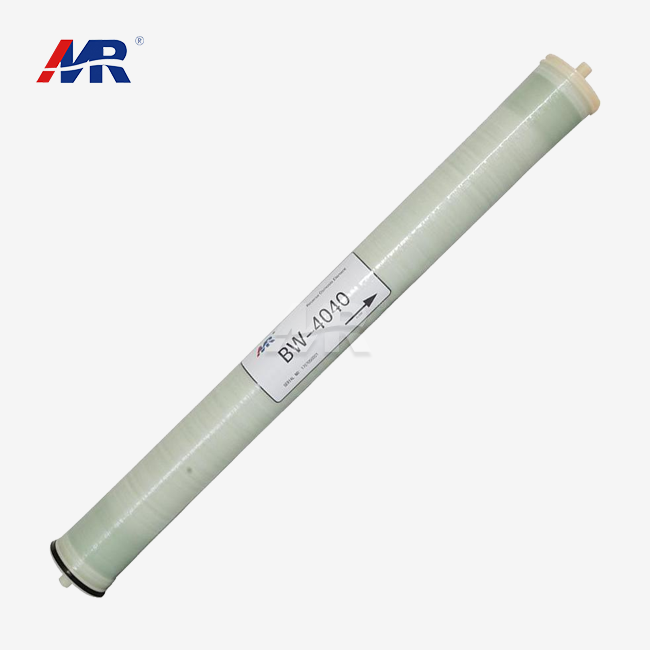 VIEW MORE4040 reverse osmosis membrane
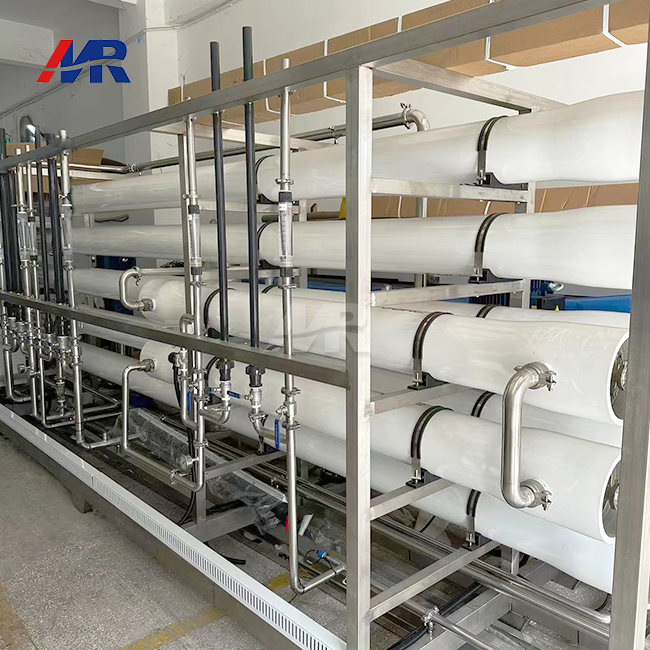 VIEW MOREosmosis drinking water system
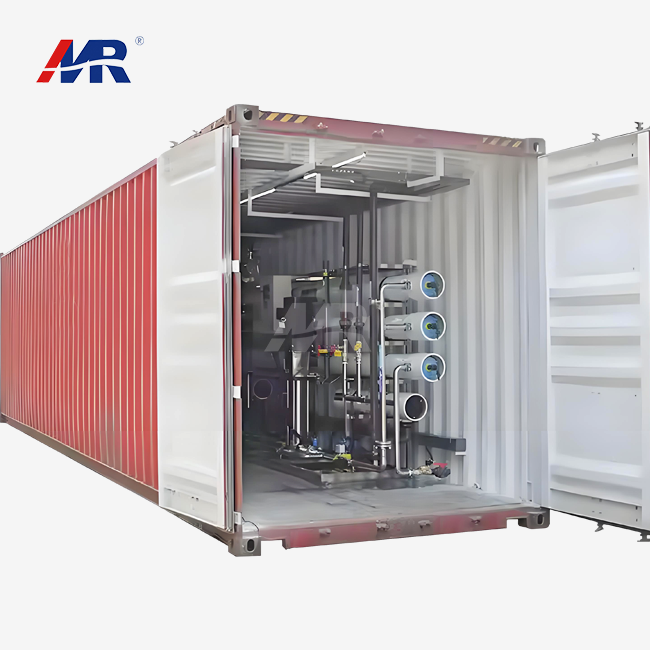 VIEW MOREContainerized Reverse Osmosis Systems
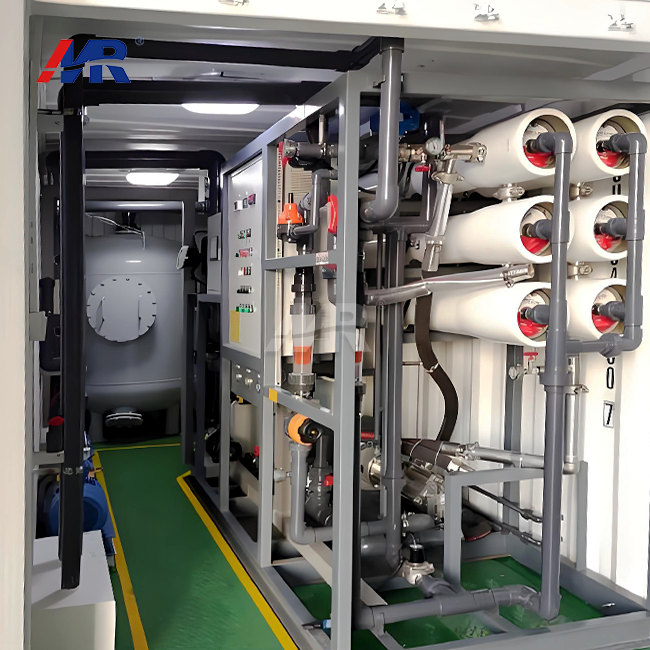 VIEW MOREcontainerized RO equipment
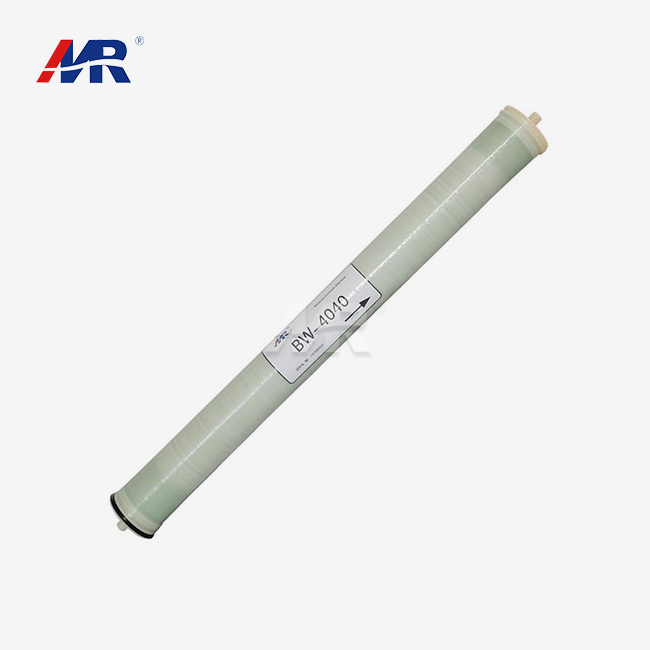 VIEW MOREindustrial ro membrane
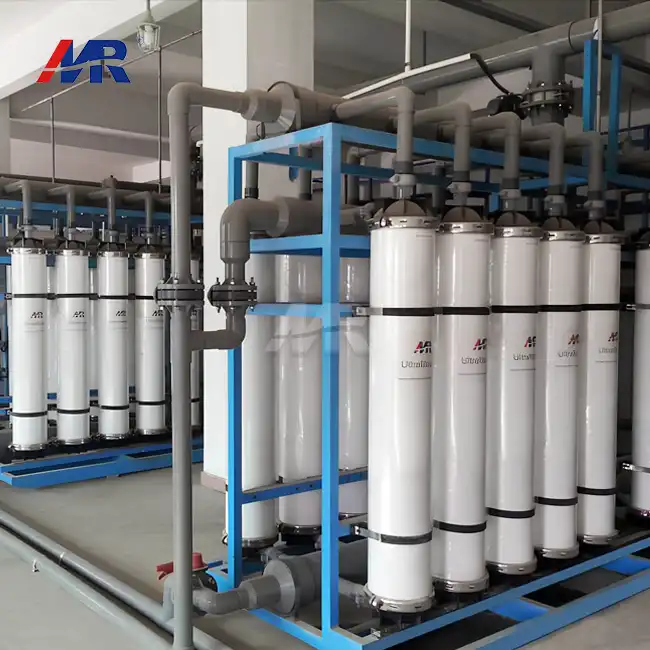 VIEW MORE20m3/hour ultrafiltration equipment
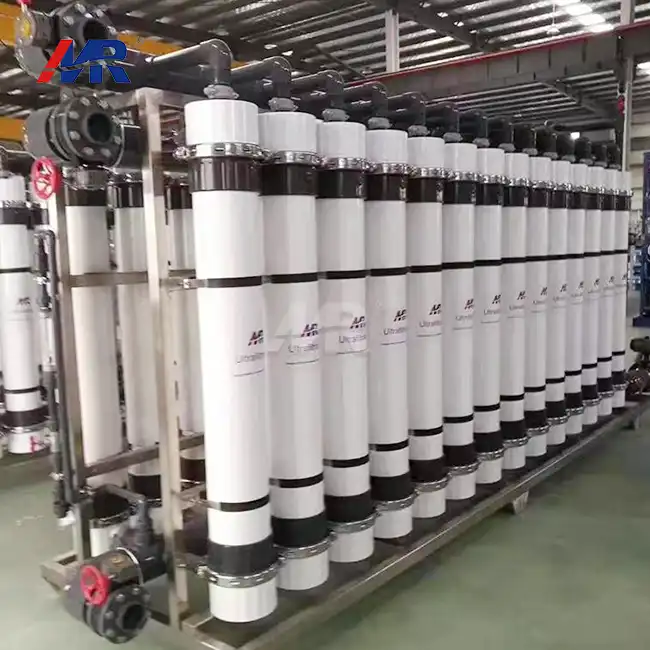 VIEW MORE70m3/hour ultrafiltration plant
 VIEW MOREcontainerized reverse osmosis system