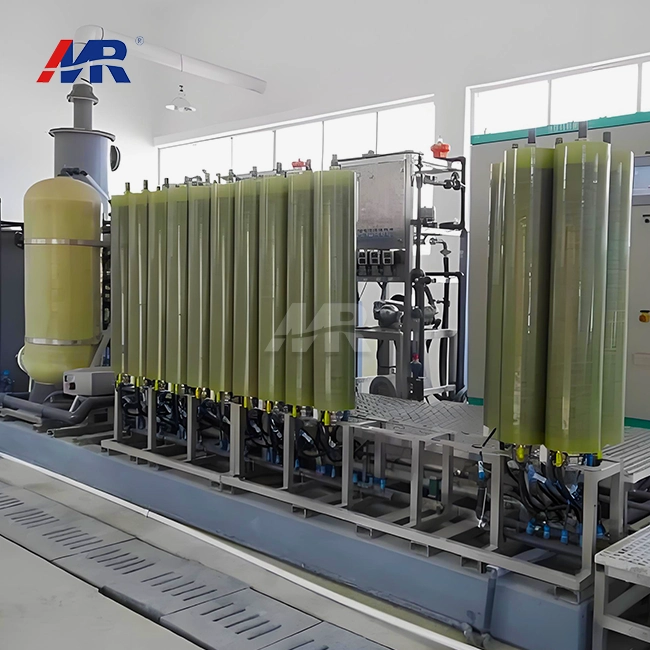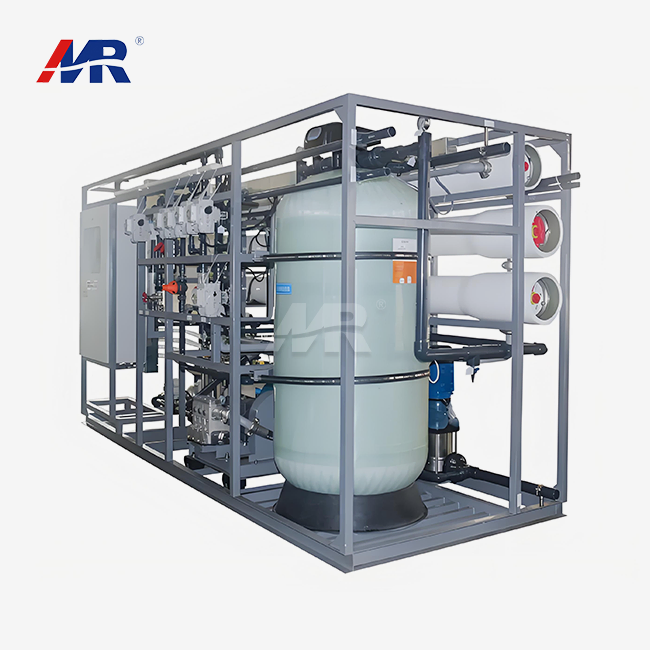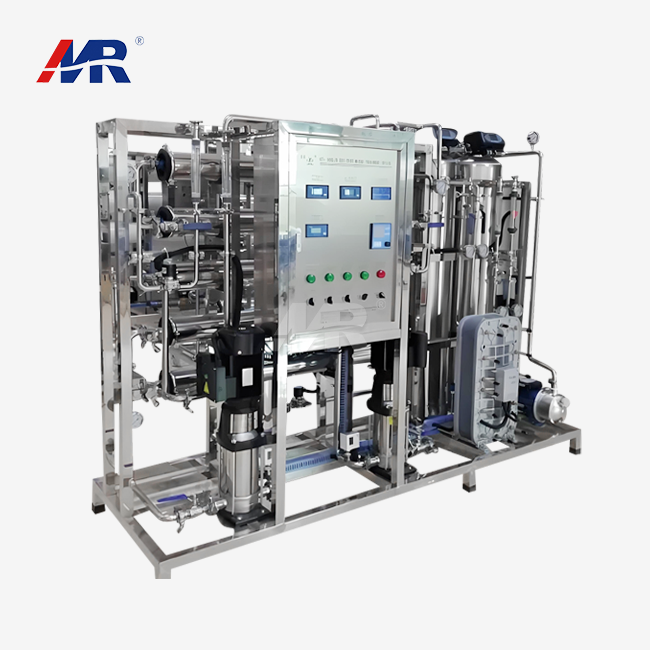



Is an 8 Stage Reverse Osmosis System Worth It for Commercial Sites?
An 8 stage reverse osmosis system is worth it for a commercial site when the water needs more than basic salt removal. If your feed water carries high TDS, hardness, chlorine, or a microbial risk, the extra stages for polishing, remineralization, or disinfection can protect equipment and keep taste consistent. If your municipal water already tests clean and demand is low, a 5- or 7-stage unit often delivers better value. Stage count alone does not decide performance. membrane quality, recovery ratio, pretreatment, and maintenance matter more. Below, I explain how to judge the choice using water data and cost.
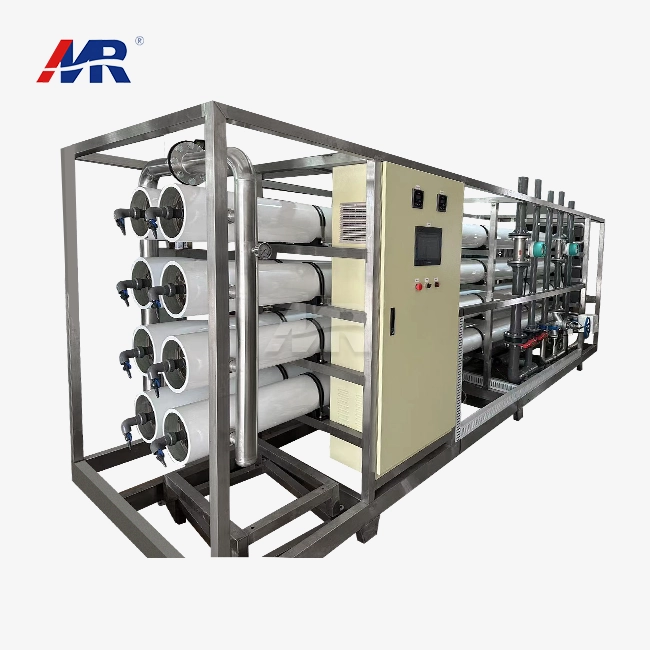
What Is an 8 Stage Reverse Osmosis System and When Do You Need One?
How Do the Eight Stages Usually Work?
I always ask for the filtration diagram because everyone has their own way of making things clear. Cleaning up the mess is the first thing that needs to be done. There are then two steps of carbon that get rid of chlorine and organics before they reach the barrier. What makes things stand out is the middle ro membrane. One more filter after the carbon makes the taste better. Minerals are added by an alkaline remineralization stage, and any germs that are still alive are killed by UV light. After one more polish stroke, the line is done. This is how the water moves when it's pushed through. The split moves the clean permeate forward while the salts that are more concentrated go down the drain. There are still some salts there after UV, but the barrier doesn't change. There's something different about each step.
What Reverse Osmosis Reduces and What Needs a Lab Test?
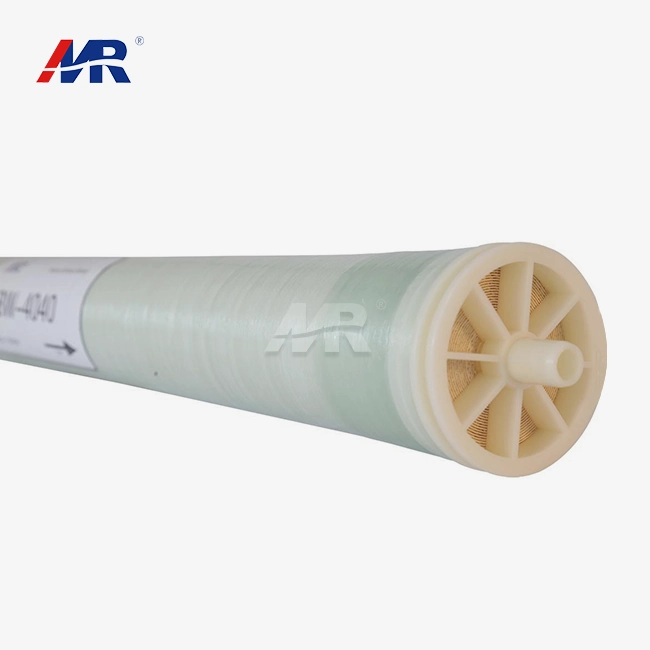
An RO membrane can get rid of a lot of heavy metals and most of the salts and minerals that make water hard. The chlorine is taken care of by the carbon steps. Like our MR-BWRO-10TH, which has a 98% salt rejection rate. Adding 400 mg/L TDS to feed water that already had 2,000 mg/L TDS would make things easy. What really happens is based on the chemicals, temperature, and pressure of the water. I believe that you should test arsenic and PFAS in a lab before telling people what to do or say about them. NSF/ANSI 58 tells you how to certify RO systems that make drinking water safer. This is what people in the US should ask their providers for.
Site Conditions That Justify the Extra Stages
Start with the numbers. The US EPA will let 500 mg/L of TDS be the second highest level. It tastes good, not because it's good for you. WHO says that more and more people don't want to drink water that has a TDS level above 1,000 mg/L. Most of the time, these things are in well wasecond-highesthe water is hard, scale forms on coffee, steam, and ice makers. Salt and chlorine, on the other hand, make water taste bad and machines not work. This will help restaurants, hotels, hospitals, and other businesses that want uniform taste and less drinking water the most. Because germs can grow again in stored water, you should add UV light to the tanks where you keep water. In case guests or employees don't like the taste, there is a way to make it better.
Is an 8 Stage RO System Worth the Investment for Commercial Sites?
Where the Value Shows Up?
It's cheaper to buy water, the equipment is safer, the quality stays the same, and the buyers have a better time with an 8 stage reverse osmosis system. These four things make the money back. People waste less water and have more space in the kitchen when they don't buy water jugs. Your heaters, steamers, and coffee machines will need service less often if you use water with low TDS. This is because scale doesn't build up in them.
Guests don't notice a big change between places now that the stream is clean. There is no difference in how the points taste. You can measure value. Write down how much you spend on bottled water, fixes because of size, and bad customer service for three months. After that, check those numbers to see how much the system costs each year. The extra steps should be there if it's clear that they are worth it. Don't do it if you can't show that you need it.
8 Stage vs. 5 Stage and 7 Stage Systems
Five stages make it up: sediment, carbon, membrane, post-carbon, and carbon. There are several steps that make sure that the water is safe to drink. Aside from the seven steps, it often has one or two extra ones, such as UV or remineralization. There is one more step to clean or polish the plan if it has eight stages. It costs more to buy things, keep things in stock, and do care work when there are more stages. You can clean it up and change the way it tastes. Tank units keep water ready for when you need it most, but they need a place to live and a way to stay clean. Without tanks, they take up less room on the floor, but the pump has to be strong enough to handle a lot of water. Don't look at the number of steps side by side. What you should do instead is compare the recovery ratio, the rating flow, and the number of returns.
When Eight Stages Are Too Many
Small sites with low demand and clean municipal water don't have to wait long. An 8 stage reverse osmosis system might be too much for a small rated that checks at less than 500 mg/L TDS and wants good water. It takes more work to keep an eye on the lights, check for leaks, and change the filters when there are more steps. Also, keep an eye on how they get better. Buying and paying for water that doesn't go down the drain costs money. When a system has poor recovery, it also sends more of the water that it takes in down the drain. Water that has been stored can be cleaned with a UV light, and adding minerals to the water can make it taste better. Think about what you need and skip steps that will help you with things you don't need.
Sizing, Cost, Maintenance, and Supplier Choice
Sizing and Installation Basics
The daily and peak flows, not the average flows, are used to figure out the size of an 8 stage reverse osmosis system. In the kitchen, you should keep an eye on the things that cook, make drinks, ice, steam, and make coffee. Work in an office? Keep track of the people who work there, what they do, any guests, and where things are kept. Some things need to be done in different ways in the kitchen, the bathroom, and the guest room.
Before you buy, make sure you know the feed pressure, temperature, TDS, hardness, drain access, power capacity, and service clearance. The UV chamber, the pump, the gauges, the reject and permeate lines, and the membrane housing should all be on your plumbing diagram. Set the pressure and add safety features like shut-off valves and overflow and leak protection. There is a lot of money that will be wasted if you don't do the water test.
Total Cost of Ownership and Upkeep
Purchase price is only the start. You can also add items like shipping, taxes, local service, setup, and commissioning. Then add up how much the work, downtime, energy, waste water, filters, and UV parts cost. For your information, a 15-kW unit that runs for an hour at $0.12 per kWh would use around $1.80 in electricity. When the amount changes, the pressure drops, or the carbon awastewater filters need to be changed, the taste changes. Keep an eye on the TDS of the product and the flow through the membrane to find fouling early. Note down when you try, when the alarm sounds, and when you switch the filter. In the long run, cheap units that have parts that aren't up to par, aren't cleaned well, or were badly fixed are likely to cost more.
Choosing a Supplier: The MR-BWRO-10TH from Morui
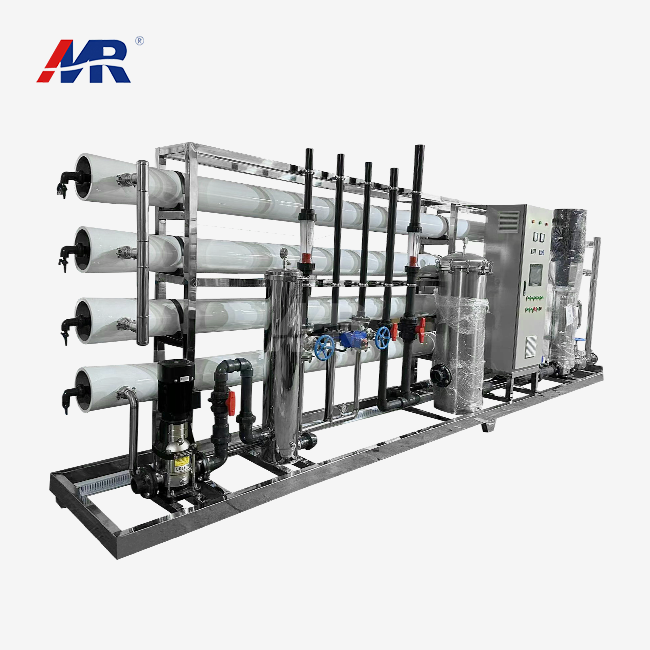
Our 8 stage reverse osmosis system, model MR-BWRO-10TH, is a turnkey unit for potable water production. It runs at a 55–65% recovery rate with 98% salt rejection and a power consumption of 15 kW per hour. Morui operates its own membrane production plant and equipment-processing factories, backed by 500 staff, 20 engineers, and 14 branch companies. We decide which steps and parts to use based on your raw-water report. We can also add or remove pumps, controls, instruments, piping materials, and remote monitoring to order. We also act as an agent for Shimge pumps, Runxin valves, and Createc instruments. Ask any supplier for membrane data, plumbing diagrams, test records, warranty terms, and spare-parts plans.
Conclusion
An 8 stage reverse osmosis system is good for businesses that deal with hard water, high TDS, or microbial risk, or that just want the water to taste the same everyplace. Pretreatment is the first step in making sure the membrane is safe. After the salts have been broken down, the membrane gets rid of them. Lastly, steps are taken to clean, polish, and remineralize the water; everything depends on measurable results such as bottled-water savings, less scale, and steady quality, not on stage count. Units with eight stages add cost and upkeep, so small sites with clean municipal water may not need them. Checking the source water, the recovery ratio, and the size based on peak flow decides whether the investment pays back.
FAQ
Q1: Is an 8-stage unit suitable for commercial use?
A: Yes, when it is sized for peak flow and fed with tested, pretreated water. Commercial duty also needs suitable pumps, housings, and service access.
Q2: Is eight stages better than five?
A: Not automatically. Membrane quality, recovery, and pretreatment drive performance. Extra stages add UV, minerals, or polishing.
Q3: How often should I replace filters?
A: It depends on pressure drop, taste, and volume. A common schedule changes sediment and carbon filters about every six months and membranes about every two years, but your water quality decides.
Q4: Can it treat hard or high-TDS water?
A: Yes, with pretreatment matched to a water analysis, such as softening or scale control. Test first, then configure the stages.
Request an 8 Stage Reverse Osmosis System Recommendation from Morui
Send Morui your source-water report, daily and peak demand, power supply, and destination market, and our engineers will recommend a configuration for your site. As an 8 stage reverse osmosis system manufacturer, we offer OEM and private-label options, plumbing diagrams, documentation, and after-sales service. Email benson@guangdongmorui.com to request a specification, quotation, or sample consultation.
References
1. U.S. Environmental Protection Agency, Secondary Drinking Water Standards: Guidance for Nuisance Chemicals, 1992
2. World Health Organization, Guidelines for Drinking-water Quality: Fourth Edition Incorporating the First and Second Addenda, 2022
3. NSF International, NSF/ANSI 58: Reverse Osmosis Drinking Water Treatment Systems, 2022
4. Richard W. Baker, Membrane Technology and Applications, 2012
5. American Water Works Association and American Society of Civil Engineers, Water Treatment Plant Design, 2012
6. Menachem Elimelech and William A. Phillip, The Future of Seawater Desalination: Energy, Technology, and the Environment, Science, 2011