



How Does an RO UF Filter Reduce Membrane Fouling?
An ro uf filter reduces membrane fouling by placing an ultrafiltration (UF) stage ahead of the reverse osmosis (RO) membrane. The uf membrane, with pores of roughly 0.01 to 0.1 microns, blocks suspended solids, colloids, bacteria, and large organic molecules before they reach the RO surface. Cleaner feed water lowers the Silt Density Index (SDI), steadies flux, holds differential pressure down, and stretches the time between chemical cleanings. UF does not remove dissolved salts or hardness, so scale control still matters. Below, I explain how the process works, how to maintain it, and where our MR-UF-80TH fits in wastewater applications.
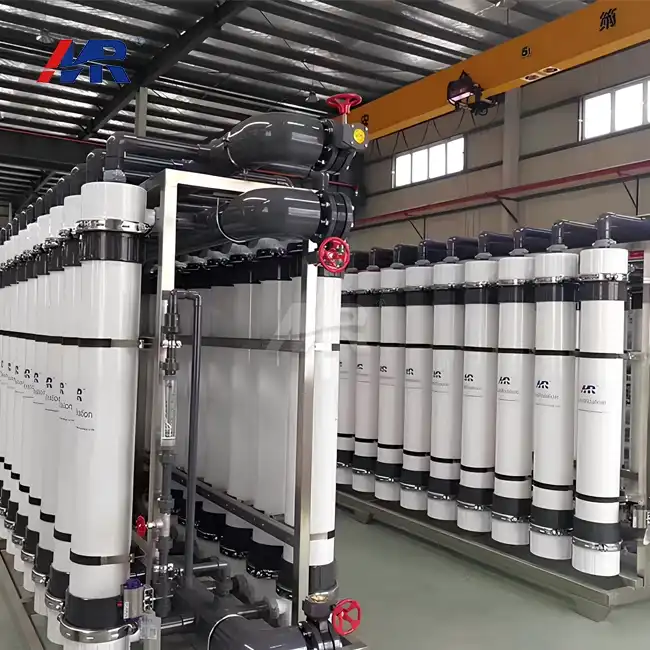
Understanding Membrane Fouling in RO and UF Systems
Four Types of Fouling
Membrane clogging is the buildup of bad stuff on or inside a membrane. It's split into four groups for me. Sticky mud, clay, and rust are to blame for this. Organic litter is made up of natural oils, organic matter, and other things that are similar. Building a biofilm on something is the first step in biofouling. Minerals that dissolve, like calcium carbonate or silica, reach a point where they can't dissolve any longer and start to crystallize. This is called scaling. In real life, there are times when more than one type is present at the same time. This is why a single filter doesn't always work. This type of water test will tell you which one is most likely to happen.
Warning Signs on Your Gauges
Filthy water shows up below before it does in the water. To keep the same flow going, either the pressure goes up or the flow goes down. It's possible for more salt to pass through because the difference in pressure between the RO tubes goes up. More power is used per cubic meter because the pumps have to work harder. A lot of RO makers say that the system needs to be cleaned when either the basic permeate flow drops by about 10% or the difference pressure rises by 15%. When you keep track of readings from the first time they were used, you can see the big picture and fix problems before they become really bad.
Why Feed Water Quality Sets the Pace?
What kind of water is used determines how quickly fouling forms. It is most of the time that garbage, turbidity, and organic matter are in surface water. Iron and manganese may be in well water, and it may be hard. A lot of RO makers limit the feed SDI to 5 or less, and many designers aim for less than 3 to keep things stable over time. The normal SDI process is laid out in ASTM D4189. Before you buy the tests, it doesn't cost much to check for turbidity, SDI, hardness, iron, silica, and total organic carbon. However, it costs a lot to replace membranes too soon. To make sure that a business RO UF filter system works well, the first thing that needs to be done is testing.
How Does an RO UF Filter Work Against Fouling?
The RO UF Water Filtration Process Step by Step
Raw water usually goes through pre-treatment, UF, cartridge filter, RO, and then post-treatment. Big particles can't get into the UF threads because of prefiltration. This physical barrier from the UF membrane makes sure that the water that gets to the RO stage is much cleaner and free of germs. Water is pushed into the ro membrane by the high-pressure pump. The capsule filter is the last line of defense. This order is very important. This is because the UF unit can only clean water that has already been through the membrane. It can't clean the RO surface if it is dirty.
What UF Removes and What It Does Not?
UF can hold on to bacteria, protozoa, colloids, big organic molecules, and solids that are floating in water. The fact that the U.S. EPA Membrane Filtration Guidance Manual says UF can get rid of Giardia and Cryptosporidium shows how strong the barrier is. Ions can still get through even if you break them up. There is still calcium, magnesium, silica, and iron and manganese in the water, but most of them have been broken down. For hard water, I would add doses of an antiscalant or softening agent to a RO-UF filter. If iron is present, I would also add oxidation. The scale is run by chemistry, and the particles are run by UF. They won't surprise you if you treat them like separate jobs.
Comparing UF With Sediment Cartridges, Carbon, and UV
Big particles are caught by sediment filters, but the quality of the feed affects how well they get rid of them. UF has a more stable cut-off because its pores don't change size. Carbon that has been activated gets rid of chlorine, some organics, taste, and smell. It works well with UF. A lot of polyamide RO filters can't handle chlorine well, so it's important to have it. UV light kills microorganisms, but it doesn't get rid of particles or keep a RO membrane from getting dirty. These technologies work well together in real life, and the RO UF filter works best when each stage does what it does best.
Design and Maintenance Steps That Keep Fouling Low
Start With a Water Analysis
Here are some facts that have been measured, not product claims. They are the first step to good design. Aside from turbidity, TDS, hardness, pH, alkalinity, bacteria markers, SDI, and iron, manganese, and silica, you should also check for these other things. They help you choose the flux, the backwash method, the type of UF material to use, and any other pretreatments you might want to use, such as activated carbon, scale control, or multimodal filtering. If the feed changes with the seasons, you should get more than one sample at different times of the year. Plan ahead for sampling ports, pressure gauges, flow meters, and cleaning ports from the start. These things speed up the process of fixing problems a lot. If a site doesn't do this, they might have to think about the system again after the first set of dirty membranes.
Backwash and Cleaning Routines
The main things that need to be done to maintain a RO UF filter are regular checks, planned backwashing, and cleaning based on conditions. When you backwash UF fibers, you get rid of solids that have built up in them, and when you backwash with chemicals, you get rid of organic and bacterial buildup. To clean a RO membrane, alkaline solutions get rid of organic fouling and acidic solutions get rid of mineral scale, as long as they don't go over the chemical and pH limits set by the company that made the membrane. UF makes it easier for RO to clean, but it doesn't get rid of it completely. If you keep track of pressures, flows, and conductivity, you can change cartridges and membranes at the right time and clean the system based on real performance instead of guessing.
Proving the Results With Data
Claims for a ro uf filter should be based on facts. Before you put it in place, write down the RO feed turbidity, SDI, permeate flow, differential pressure, salt rejection, energy use, and cleaning frequency. Once everything is set up, look at the same signs at different times of the year and with different loads. The feed quality is usually more stable when the UF stage is working. The SDI is lower, cleanings happen more often, and the permeate output is more stable. As long as the temperature and pressure numbers are the same, the comparison is still fair. People in the US often ask for water test reports and proof of performance, so you should plan to do that paperwork before the first order comes in, not after.
MR-UF-80TH and How to Choose a Supplier
MR-UF-80TH Specifications
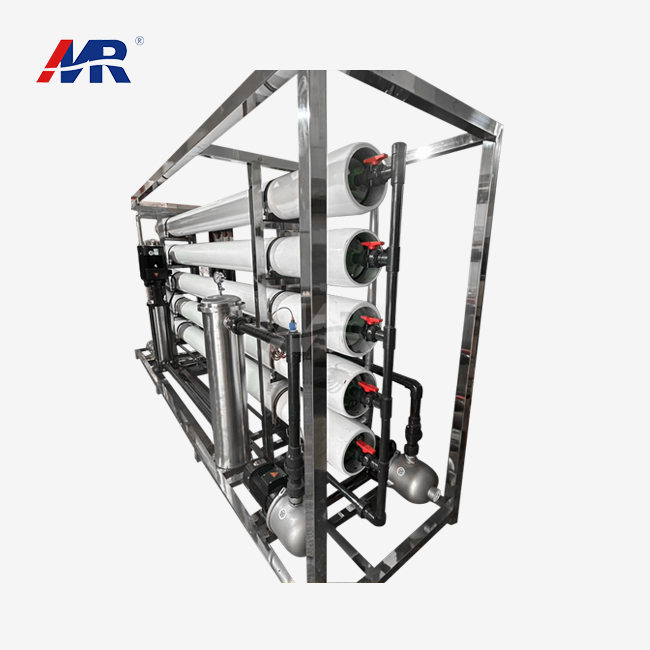
Morui also makes the MR-UF-80TH, which is another UF model that is made to treat wastewater. It says it needs 15 kW of power, can recover 80% to 90% of its power, and can work at 0.2 to 0.3 MPa pressure. The small range of pressures shows how UF works: at much lower pressures than RO, it separates particles. When the recovery rate is high, most of the feed is turned into clean water. In this way, the amount of concentrate stays low. Before giving a price, we go over the data sheet with each customer to make sure they understand project-specific details like flow rate, membrane setup, and limits.
Where It Fits in a Wastewater Reuse Train
A UF unit like this one usually comes after biological or basic treatment in a project that reuses wastewater and before any RO stages. It gets rid of the solids and microbes that normally stick to RO membranes. This makes the feed quality more stable for the next system. UF might be enough to clean to a target that can be used again and again. RO is the next step if you need to lower the amount of salts that are dissolved. A water study figures out the best way to do things. Our engineers can look at the data you give them about your effluent and tell you if softening, oxidation, or antiscalant dosing should be part of the design.
What to Ask an RO UF Filter Supplier?
Price is not the only thing you should look at. Find out how to get spare parts, the terms of the warranty, the lead time, the documentation, and the Technical support. Guangdong Morui Environmental Technology Co., Ltd has its own plant for making membranes. We are also a dealer for Shimge water pumps, Runxin valves, and Createc instruments, so you can buy membranes along with pumps, valves, and instruments. Our company has more than 14 offices, 500 employees, and 20 experts who work on everything from supplying equipment to setting it up and starting it up. Customers who are an OEM or a distributor can also ask about private-label packaging and bundled supply for new machines and replacements after the sale.
Conclusion
A RO-UF filter lowers membrane fouling because it gets rid of colloids, bacteria, large organic molecules, and suspended solids before water gets to the RO membrane. This keeps the feed SDI, flux, and differential pressure steady and makes cleaning times longer. Hard-water and well-water projects still need to soften, descale, or oxidize the water after taking a look at it. This is because UF doesn't get rid of dissolved salts, hardness, or silica. The right order of steps, a measured design basis, regular backwashing, condition-based cleaning, and keeping track of performance data all lead to dependable results. UF has a more uniform particle shield than sediment shells, carbon, or UV alone. But every tech tool is useful for a different task. For reusing wastewater, the MR-UF-80TH's listed power, recovery, and pressure values can help you choose a unit that will work best for your needs.
FAQ
Q1: Can UF completely prevent RO fouling?
A: No, UF cuts down on particulate, colloidal, organic, and biological fouling a lot, but it doesn't stop scaling from minerals that are dissolved in water. Scale control still needs to be loosened up or antiscalant dosed.
Q2: Should UF go before or after RO?
A: Before. Pieces and microbes can't get into the membrane when UF comes before RO. It can't get rid of fouling that has already happened if you put it after RO.
Q3: Can an ro uf filter handle hard water?
A: No, only with extra care first. Since UF doesn't get rid of calcium or magnesium, it's usually necessary to add softening, antiscalant, or pH adjustment after lab tests.
Q4: Is a replacement cartridge the same as a complete system?
A: No, a new membrane or capsule is only meant to be used once. There are pumps, valves, housings, cartridges, and post-treatment in a full RO-UF filter.
Q5: What are the MR-UF-80TH operating values?
A: It uses 15 kW of power, works at 0.2 to 0.3 MPa, and recovers 80 to 90% of the water that is put into it.
Talk to Morui About Your RO UF Filter Project
Feel free to email Morui your water analysis, target flow, and destination needs at benson@guangdongmorui.com. Our engineers will then figure out the best way to set up your wastewater or reuse project. We sell RO UF filters and also run our own membrane business. As a service provider, OEM, or customer, we help you by offering bundled supplies, a shared guarantee, and extra parts.
References
1. Water Treatment: Principles and Design (MWH), 2012
2. Membrane Filtration Guidance Manual (U.S. Environmental Protection Agency), 2005
3. A Review of Reverse Osmosis Membrane Fouling and Control Strategies (Science of the Total Environment), 2017
4. The Case for UF/MF Pretreatment to RO in Seawater Applications (Desalination), 2007
5. A Mini-Review on Membrane Fouling (Bioresource Technology), 2012
6. Standard Test Method for Silt Density Index (SDI) of Water, ASTM D4189 (ASTM International), 2014
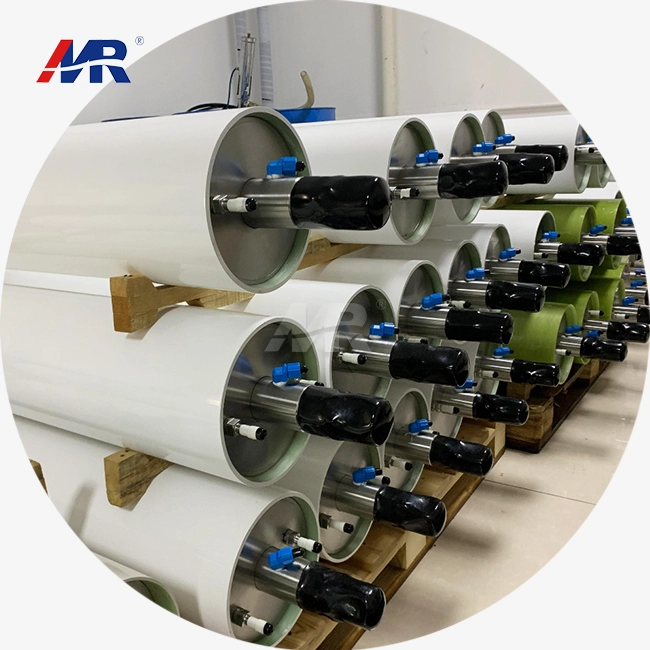 VIEW MORELandfill Leachate Treatment Plant
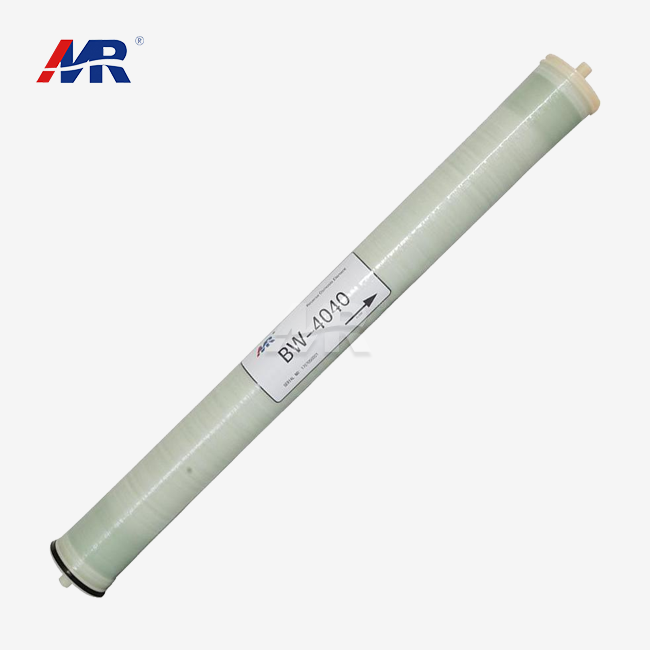 VIEW MORE4040 reverse osmosis membrane
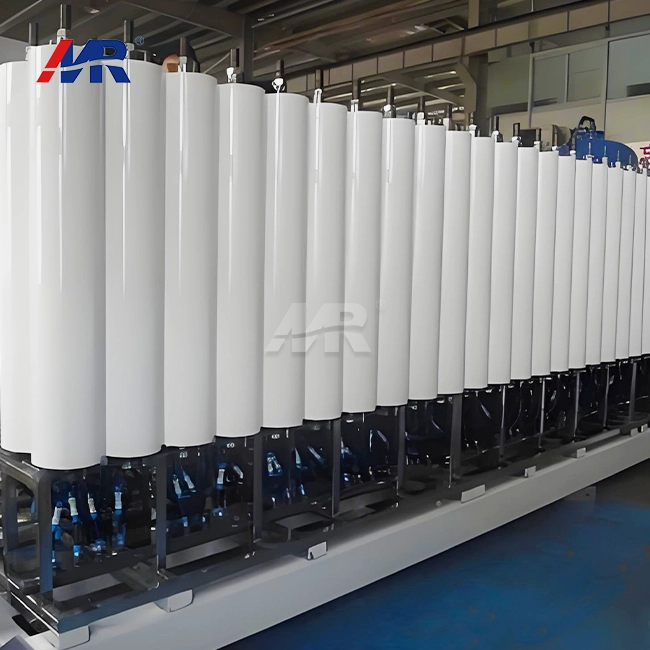 VIEW MORELandfill Leachate Treatment System
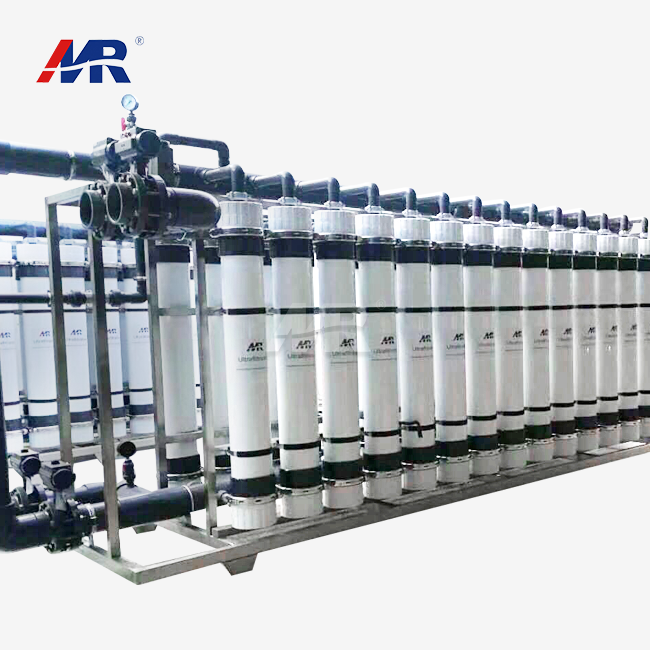 VIEW MOREUltrafiltration Systems
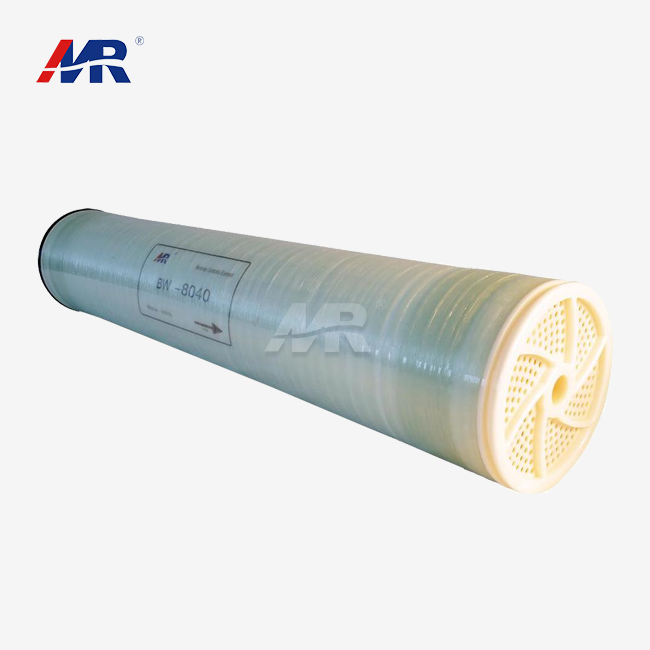 VIEW MORE8040 reverse osmosis membrane
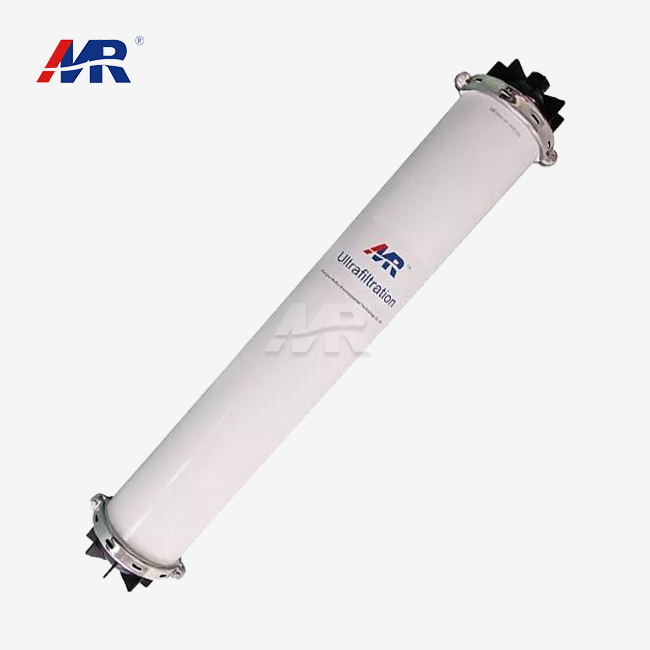 VIEW MOREultrafiltration membranes for water treatment
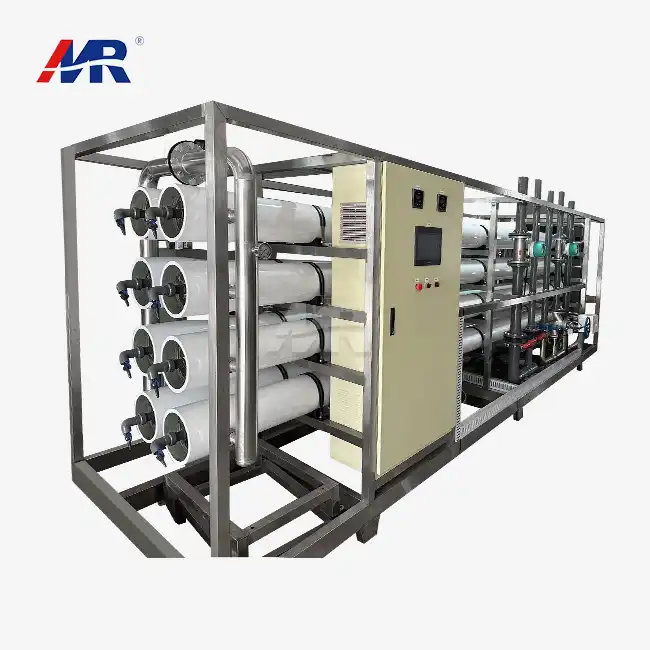 VIEW MORE8m3/hour two pass reverse osmosis system
 VIEW MOREreverse osmosis water treatment equipment