

_1745823981883.webp)

How Does a Wastewater Treatment Plant Work? Stages and UK Standards
A wastewater management plant is an industrial system that treats contaminated water from municipal, industrial, or commercial sources through a sequence of physical, chemical, and biological processes. Its goal is to remove suspended solids, pathogens, organic matter, and nutrients before safe discharge or reuse. In the UK, these facilities must comply with strict Environment Agency standards, including discharge permits and effluent quality limits. Whether serving a city utility or a PCB manufacturing facility, understanding how each treatment stage operates helps procurement engineers and project managers make smarter technology decisions.

Overview of Wastewater Treatment Plants
What Is a Wastewater Treatment Plant?
Sewage Treatment Plants (WWTPs) take in dirty water and send clean water back out. This clean water can then be legally discharged or used again. Water that needs to be cleaned goes through steps like screening, settling, organic digestion, and screening again. Setting up networks to collect wastewater, keeping track of it, and getting rid of or reusing it at the end are all parts of managing wastewater. Both are necessary to make systems that work as they should.
Common Plant Types in the UK
The UK has a lot of different kinds of plants. Wastewater treatment plants clean up the sewage that comes from about a million houses. Chemical, linen, and electroplating companies send their strong wastewater to industrial plants. In small towns and short-term industrial sites, modular and containerized devices can be used. There are various rules, pollution patterns, and hydraulic loads that need to be met for each type.
UK Regulatory Framework
There are rules from 2016 that say the Environment Agency (EA) is in charge of issuing discharge permits. People who work with BOD, dissolved solids, ammonia, and phosphorus need to follow the numbers. A trade pollution permit is also taken care of by the UK Water Industry Act 1991. If you don't follow the rules, you could get a fine of more than £20,000 or even be charged with a crime. The goal has always been for regulations to be in line with each other so that this can happen.
Key Stages of Wastewater Treatment Process Explained
Preliminary and Primary Treatment
In the first step of cleaning, rough things like plastics, rags, and grit are thrown away using bar screens and grit cells. Because of this step, pumps and other tools don't get worn out or stuck further down the line. When the tank is cleaned for the first time, about 30% of the BOD and up to 60% of the floating solids settle to the bottom. Things settle down and turn into raw sludge, which is then sent to different lines to be processed.
Secondary Biological Treatment
This is the second step, and it works with organics that are liquid or broken down. In the UK, the activated sludge method is used most of the time. An aeration tank gives oxygen to groups of microbes that break down organic waste in this way. Second-stage clarifiers separate the clean water from the waste. MBRs clean up all of the organic waste at once with membrane filters, leaving behind clear wastewater that can be used again. MBR devices can get rid of more than 98% of BOD.
Tertiary Treatment and Disinfection
In the third step of treatment, the effluent is made smooth so that it meets strict rules for being released or used again. To filter water, you can use sand. Activated carbon can get rid of toxic chemicals. UV light can kill germs. Chlorination and reverse osmosis (RO) can clean the water. Because they get rid of over 99% of dissolved salts and small toxins, ro membranes are easy to use again. RO is being used as the last step in more and more places in the UK that want to reuse or recover water. At this point, the water is safe to discharge or use again.
Sludge Treatment and Disposal
Taking care of sludge can make running a wastewater management plant cost up to half as much as it would otherwise. Being able to turn sludge into biogas and stable digestate without air is possible. A centrifuge or a belt press is used to get rid of water so that less of it has to be thrown away. The Sludge (Use in Agriculture) Regulations in the UK say that biosolids, which are made up of clean sludge, can be put on fields to get minerals back and save money.
Design Principles and Operational Best Practices in the UK
Hydraulic and Organic Load Assessment
Giving a correct account of the influent is the first thing that needs to be done to build a sound plant. Reports on water quality help engineers figure out the full and normal water loads, as well as the amounts of BOD, COD, and fertilizer. When it rains a lot, tanks slow down the flow. Variable frequency drives (VFDs) keep the flow steady in the pumps that bring fluid into biological tanks. It also keeps the process steady and use less energy.
Maintenance and Reliability
By setting up regular inspections, you can avoid problems that cost a lot of money. It is checked once a week that the membranes, air diffusers, and pump caps are stable to make sure everything is working properly. Getting rid of clogs, smell spikes from hydrogen sulfide, or strange turbidity readings right away will help you fix the issue before it gets worse. MBR and RO membranes made of PVDF should last between five and eight years if you clean them in place and use automatic backwashing.
Automation and Energy Efficiency
PLC-based SCADA systems are used in modern plants to automatically control the amount of dissolved oxygen in the water, the amount of chemicals that are added, and the sludge waste. It only takes about 0.6 to 1 kWh/m³ of energy to treat water with high-efficiency motors and fine bubble aeration. IoT devices send data in real time to dashboards so that it can be tracked online. Running the wastewater management plant for a longer time will cost less because there is no need for full-time staff on site.
Comparing Wastewater Treatment Technologies for Industrial and Municipal Applications
Aerobic vs. Anaerobic Systems
Air-based systems like activated sludge and MBR work well when the effluent isn't too strong. The air and water don't smell bad, but they need more power to mix. Anaerobic systems can handle COD levels above 2,000 mg/L because they make biogas that can be used again while using less energy. Which one to use is based on the strength of the influent, the size of the area that can be used, and the energy recovery goals.
Chemical vs. Biological Treatment
When you use coagulants, flocculants, or oxidants to clean with chemicals, the solids are quickly removed. Heavy metals and some industrial pollutants can be removed with this method. Over time, naturally treating large organic loads is cheaper, but the process has to be steady, and the people who work on it need to be skilled. So that more than one contaminant discharge limit can be met at the same time, a hybrid process train combines the two. Companies that make electronics, PCBs, and fabrics often do this.
Modular and Turnkey Solutions: Cost Considerations
Full systems that are flexible or in containers can be set up faster and for less money than general concrete-tank wastewater management plants. Set up of modular RO-based systems can be as cheap as $50,000 USD, but the cost can go up based on what they can do and how hard they are to use. There are more lessors and build-operate-transfer (BOT) options on the UK market. The cash prices are spread out over the hours that the store is open. Businesses like Evoqua, Veolia, Suez, and Xylem run the water systems for large cities. Morui, on the other hand, makes custom RO skids and modular systems for businesses. They charge less and ship them faster.
UK Regulatory Environment and Future Trends Impacting Wastewater Treatment
Current Standards: EQS and Post-Brexit Regulations
After leaving the EU, the UK kept the Environmental Quality Standards (EQS) from the Water Framework Directive. Laws from 2021 helped make this possible. Things that are important to keep out of water, like heavy metals, pesticides, and drugs, can only be there in very small amounts. A plan from the UK government called the Storm Overflows Discharge Reduction Plan (2022) makes water companies work harder to cut down on overflows that aren't taken care of by 2035. To improve their plants, they will need to spend extra cash.
Digitalization and Smart Monitoring
The way buildings work is changing because of digital water control. In companies of all kinds, AI is being used to improve processes, real-time sensor networks are being set up, and predictive repair algorithms are being used. A tracking tool that a user can use from anywhere lets them check pH, flow, sediment, and membrane differential pressure. This speeds up the response time and makes it simple to include proof of audit in regulatory filings.
Resource Recovery and Green Technologies
Places of business now see trash not as a problem that needs to be fixed but as a source of resources. This is going to change in the UK. It is now easy to get phosphorus, share effluent heat, make biogas, and grow or use cleaned water for process make-up. This is what the UK said they would do, and it will also save money in the long run by using these methods.
Conclusion
If procurement engineers and building managers know about every step of the treatment process, from the first screening to the second RO cleaning, they can pick systems that are legal and worth the money. In the UK, the rules are getting tighter. Firms that think ahead and create unique, well-thought-out answers will be able to stay in business and keep their good name when it comes to the environment. It is best to match the technology to the water quality profile so that the output is always legal. This is true whether you need a big biological plant for a city or a small RO system for an industrial site to reuse water for other uses.
FAQ
1. What is the difference between wastewater treatment and wastewater management?
Processes that use living things, chemicals, and electricity to clean water that goes to a wastewater treatment plant. There are networks for gathering wastewater, programs for keeping an eye on things, reports to officials, and plans for how the wastewater will be thrown away or used again at the end of the day. There are more things that a full wastewater management plant does than just clean the wastewater. It also handles the whole thing.
2. How often should a wastewater treatment plant be maintained?
At least once a week, you should check the seals on the pump, the diffuser's operation, and the membrane pressure differences. Every three months, the membrane is usually put through full mechanical checks and tests to see how stable it is. Audits are done every year to look over records of compliance, calibration, and getting rid of sludge. If you stick to preventive maintenance plans, your equipment will last much longer, and you will have fewer unplanned downtimes.
3. Are modular wastewater treatment plants suitable for industrial sites?
Some companies don't have a lot of equipment, some are only there for a short time, or they need to change how much they can hold at different times. In these Cases, flexible and containerized systems work well. They can be made in a factory, sent out as whole units, and used right away. Plants that make electronics, food, or medicines and need to get rid of high-purity process water or effluent must use modular RO systems to follow the rules.
4. Can a wastewater management plant operate fully automatically?
New plants with PLC-based SCADA systems can automatically handle things like aeration, chemical doses, sludge removal, and warning reactions. In order to keep things in good shape, they don't need people all the time.
Partner With Morui for Your Wastewater Treatment Project
Morui is the full name of a company that makes direct wastewater management plants. It has been in business for 25 years and has its own building where membranes are made. Twenty engineers work for the company. We can make RO skids, MBR systems, and other full treatment choices that companies and cities can use right away. If you live in another country, our systems can be set up in a way that meets NSF standards and come with CE paperwork.
You can email your water quality report to benson@guangdongmorui.com right away to get a price.
References
1. Environment Agency. Environmental Permitting (England and Wales) Regulations 2016 — Guidance for Water Discharge Activities. Environment Agency, 2016.
2. UK Government. Environment Act 2021. Her Majesty's Stationery Office, 2021.
3. Metcalf & Eddy / AECOM. Wastewater Engineering: Treatment and Resource Recovery, 5th ed. McGraw-Hill Education, 2014.
4. Water UK. Storm Overflows Discharge Reduction Plan: Progress Report. Water UK, 2022.
5. Judd, Simon. The MBR Book: Principles and Applications of Membrane Bioreactors for Water and Wastewater Treatment, 2nd ed. Elsevier, 2011.
6. UK Water Industry Research (UKWIR). Energy Efficiency in Wastewater Treatment in the UK. UKWIR, 2019.
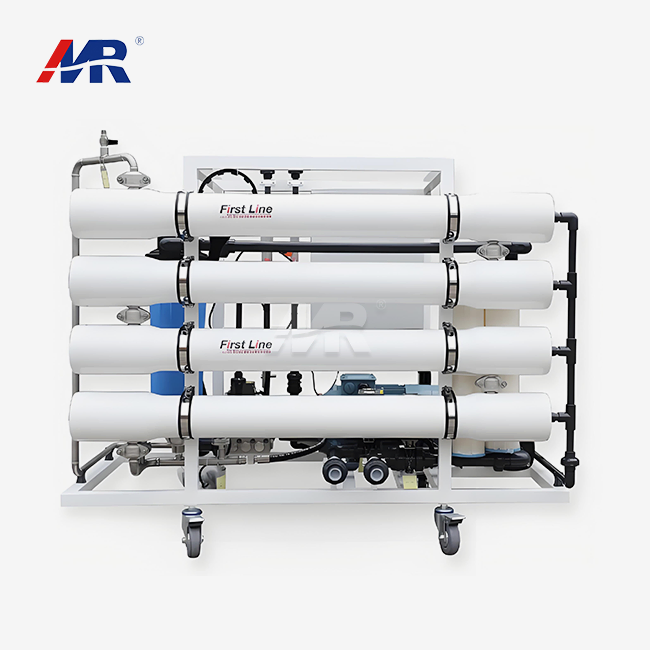 VIEW MOREseawater desalination equipment
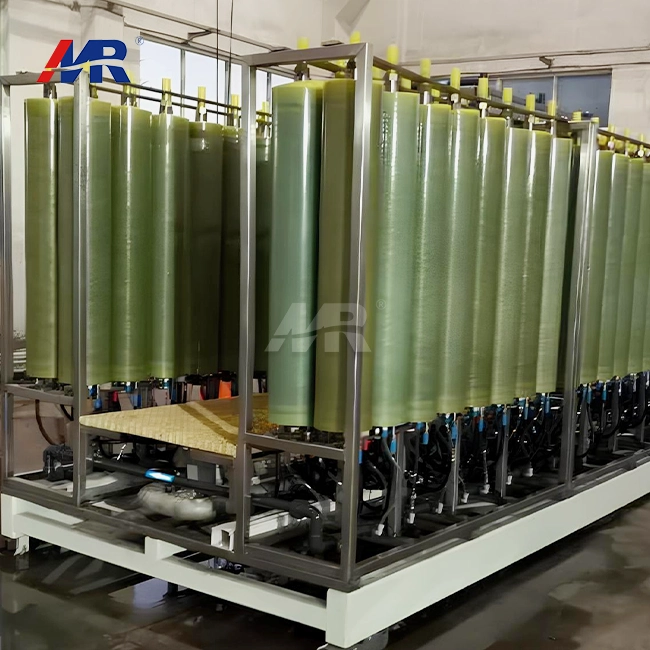 VIEW MOREDTRO for Wastewater Treatment
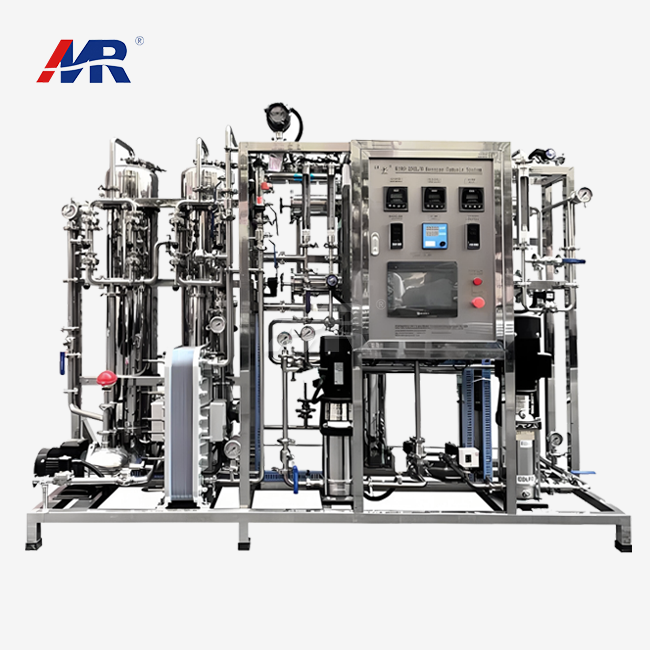 VIEW MORE1000LPH EDI plant
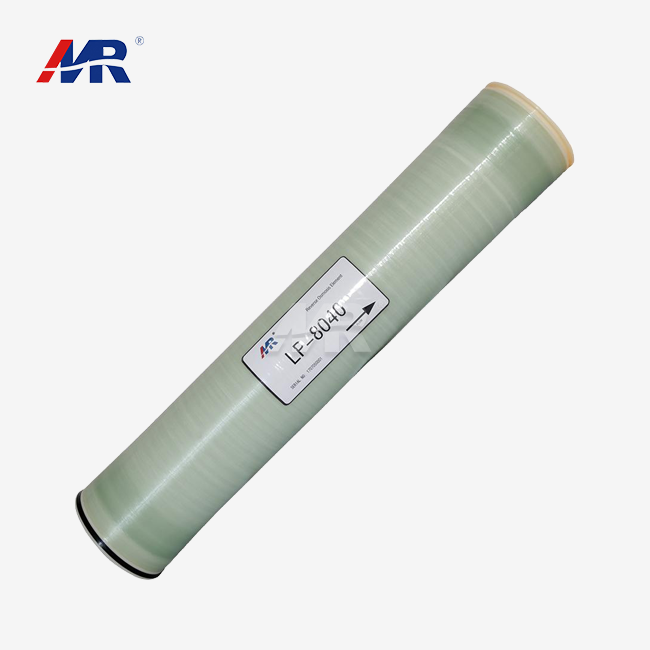 VIEW MOREreverse osmosis membrane
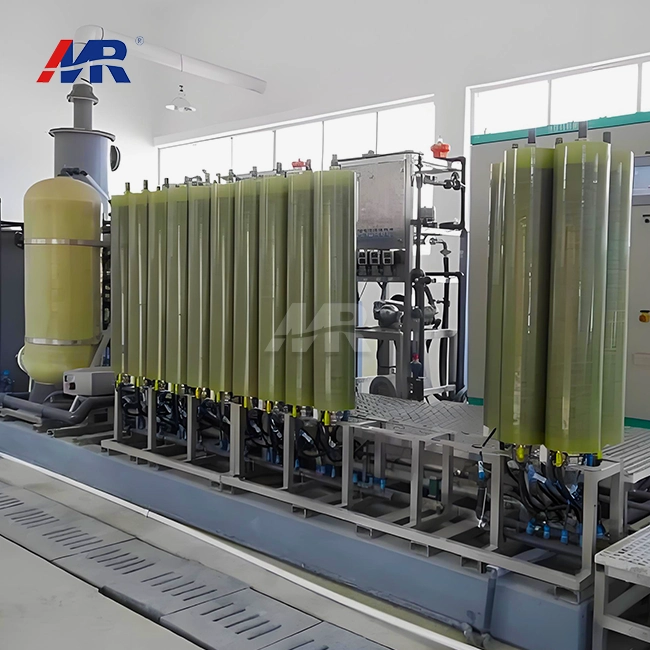 VIEW MOREDTRO Landfill Leachate Treatment
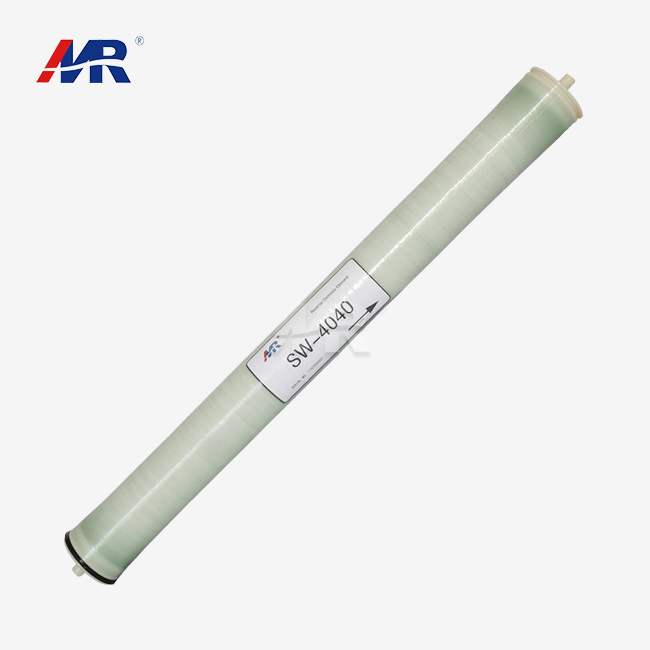 VIEW MORE4040 seawater reverse osmosis membrane
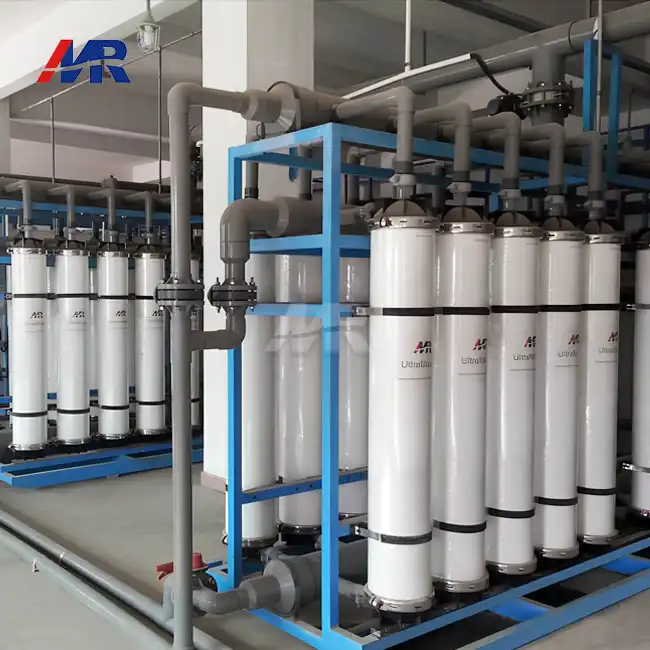 VIEW MORE200m3/hour ultrafiltration equipment
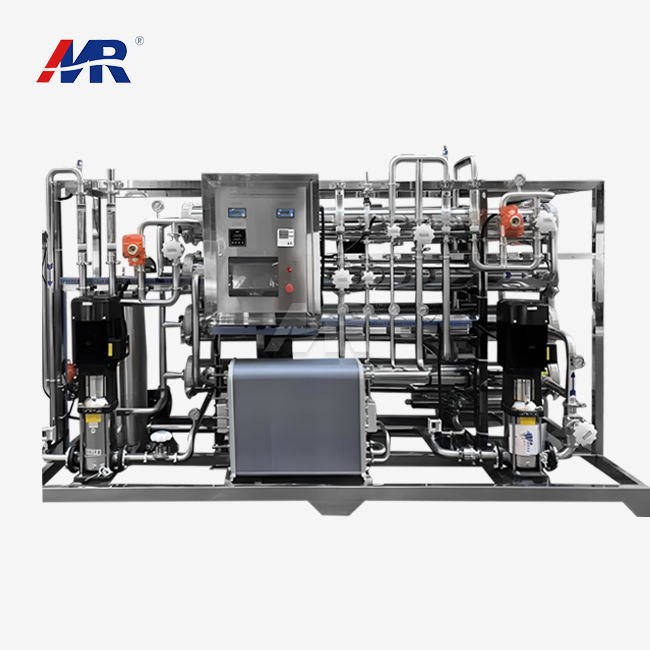 VIEW MOREelectro deionizer system
