



Does the Best RO for Hard Water Need a Softener Upstream First?
Often, yes, but not always. The best ro for hard water protects its membrane before it treats anything else. Reverse osmosis removes calcium and magnesium from product water, yet those same minerals can form scale on the membrane if the feed water is not managed. Low hardness with modest recovery may need only standard filtration. High hardness, high recovery, or continuous duty usually calls for a softener, antiscalant dosing, or both. I recommend a full lab analysis before you choose. At Morui, we size pretreatment from that report, and this guide shows how the decision works.
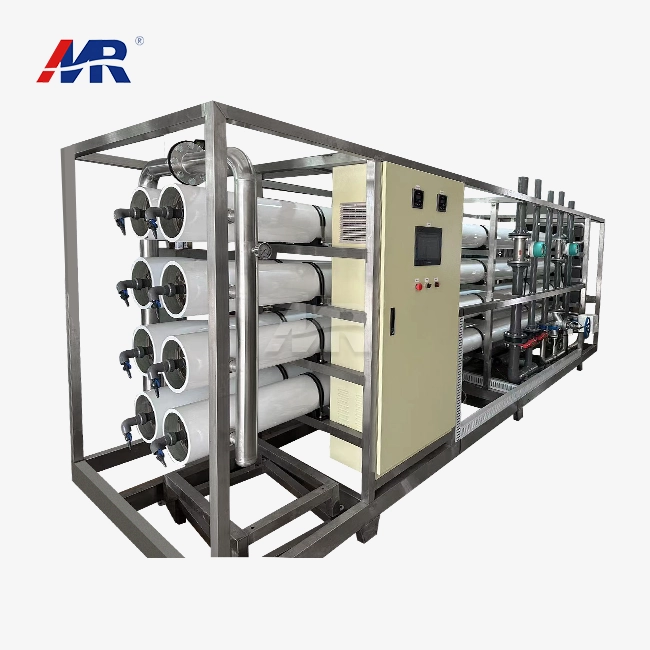
How Hard Water Affects Reverse Osmosis Membranes?
What Hard Water Really Means?
Ca and magnesium get broken down by hard water. What does "hard" mean in water? More than 120 mg/L means it is hard, and more than 180 mg/L means it is very hard. Seven GPG is about the same as 120 mg/L, since one grain per gallon is 17.1 mg/L. This is not the same as TDS. It is possible for a feed to have a high TDS and a low hardness because of sodium chloride. A feed that has a lot of calcium, on the other hand, might have a TDS that is in the middle. Copper, iron, manganese, and sodium can also make scaling more common. That's why I never guess how big a system is based on a TDS number alone. Our brackish water units are set up based on how hard the water is, and they can handle feed from 1,000 to 10,000 ppm TDS.
How Does Scale Form on the Membrane?
RO moves clean water through the membrane while salts are left behind in a smaller stream. Over time, things get worse, and there is more calcium, carbonate, and sulfate close to the membrane. Something turns into a crystal when it can't be dissolved any longer. Calcium carbonate is usually to blame, but calcium sulfate and silica can also be found in some groundwater. Being alkaline, warmer, and pH all rise as the carbonate scale moves faster. Antony et al. wrote in the Journal of Membrane Science that scale is a major reason for flux loss and the need for cleaning. We need to keep an eye on the scale because our systems can get back up and running up to 85% of the time.
Warning Signs and Cost Impact
Third, size doesn't usually show up all of a sudden. I watch for a bigger drop in pressure between steps, a rise in TDS in the output, and a rise in feed pressure. People in charge might also see more cleaning and more wastewater. The membrane has to work harder to make less of each sign. Also, there will be more downtime and more work. Each cubic meter of a plant will use more energy. It should only need 2.5 to 3.5 kWh/m³, but when the membrane gets dirty, it needs more power. If you catch the trend early, you can often save a membrane that has already been cleaned and can't be saved anymore.
Softener, Antiscalant, or Both?
RO and Softeners Do Different Jobs
Ion exchange is what a softener does in the best ro for hard water. Not calcium and magnesium are used in resin beads, but salt is made of them. For every calcium ion, there are two sodium ions. Salt gets in and makes the water less hard, so TDS stays about the same. Pressure is used to separate things in RO, and most of the dissolved salts, like hardness ions and other unwanted substances, are washed away. RO cleans the water, and a filter keeps the equipment safe. This separation is talked about in great depth in Richard Baker's book called "Membrane Technology and Applications." If you pick the right barrier, low-hardness water will only be able to get through as long as the feed side stays blank.
When Upstream Softening Makes Sense
Not every spot needs the same hardness number. The working hours, temperature, pH, alkalinity, sulfate, silica, and type of barrier are all important things to know. Water can still be filtered and descaled even if it's not very hard or soft. The plant is always running, the water is too hard or too acidic, or it costs a lot to be down. That's when I use a softener. There is an extra step needed for well water that has iron in it because the iron gets stuck in both the glue and the membranes. A rough guess based on the full water study is the only way to get a real answer. They check that before we give a price quote for a process.
Building the Pretreatment Train
Most of the time, the first step in a train is to store raw water or keep the pressure in check. On the next screen is the grit or multimedia screen. After that, iron and manganese are taken out if they are needed by the water. If there is chlorine in the water, activated carbon is added. The high-pressure pump, the membrane, and the cartridge filter are added after the antiscalant or softener. That depends on how much resin they can hold, how hard the water is, how fast they grow back, how much salt they use, and how often they empty their brine. It works well when there isn't much room or salt damage. But the dose needs to be right for the membrane and the way the water works. I mix them both together for complex feed.
Choosing the Best RO for Hard Water by Application
What Morui Brackish Systems Offer?
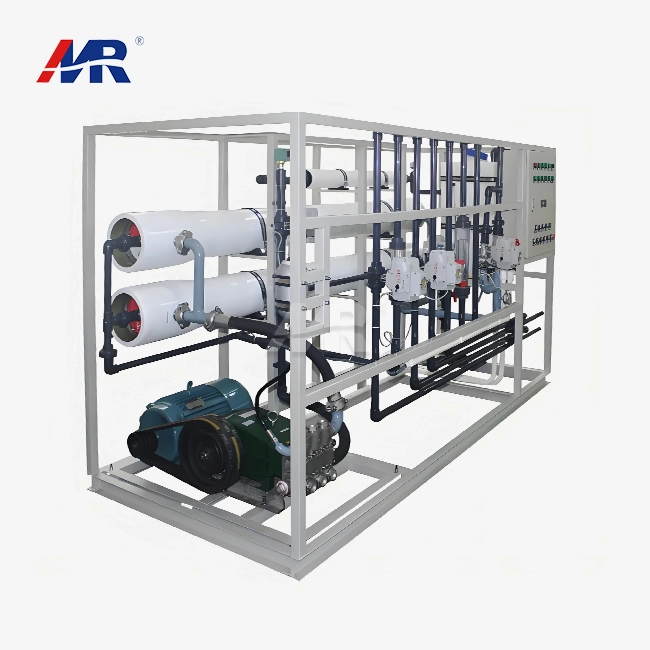
Our best ro for hard water units can handle 100 to 10,000 m³/day and 1,000 to 10,000 ppm TDS salty water. Up to 85% of the energy used is reused, and it only takes 2.5 to 3.5 kWh/m³. The barrier is made of a thin film that doesn't get dirty easily. The mesh is made in our own shop. A PLC-based control system lets you keep an eye on things from afar. It's built in modules, so you can add more space without making it bigger. The process starts with treating the water that comes in. The next steps are high-pressure pumping, membrane filtration, remineralization as part of post-treatment, storage, and distribution. This step is added if your study shows that hard feed needs to be softened or dosed.
Municipal, Industrial, and Well-Water Sites
A system can be used in various ways, and each method places a different amount of stress on it. Plants that make water for cities want to keep making water. Process water that doesn't change is needed by plants that make food and drinks. In mines and power plants, salty sources are used to fill boilers, cool them down, and feed them to processes. It's the same for farms and oil and gas companies. That's why I'm going to filter it some more before I make it smooth. It's turbid, full of germs, and the water in wells changes with the seasons. For bigger plants, you need to know the full flow rate, storage space, recovery rate, pump size, automation, cleaning-in-place access, and service room. It shouldn't matter what kind of tank it is or how many stages it has. A treatment's effectiveness that has been checked out should.
A B2B Procurement Checklist
You should have test results for TDS, conductivity, pH, alkalinity, iron, manganese, silica, turbidity, chlorine, temperature, microbiology, and TDS before you get quotes. There are many things that show how the membrane works, such as the operating pressure, energy needs, reject ratio, membrane brand, controls, and the water quality that comes out of it.
To find out how much something costs, you have to add up all of its parts, work, chemicals or salt, power, service, downtime, shipping, extra parts, and so on. As soon as possible, get test reports and certification papers for parts that will be used in water in the US. These papers often include NSF/ANSI 61. When OEMs buy something, they should also find out how the product can be monitored, how much of it can be made, what kinds of guarantees are available, and how much help is available from experts.
Protecting Membranes and Avoiding Costly Mistakes
Daily Monitoring and Cleaning
Trends show what's going on now and in the future with the best ro for hard water. While the softener is running, I keep an eye on the TDS of the product, the salt rejection, the differential pressure, the hardness at the softener outlet, the run hours, and the feed pressure. You should always check the salt level, cartridge filters, antiscalant pumps, and recovery settings on the softener.
How often it needs to be regenerated should depend on how hard the water is. After the break, flush the membranes and clean them only with chemicals that the company that made the membranes says are safe. Most of the time, acid cleaners get rid of metal scale and alkaline or specialty cleaners get rid of biological or organic slime. It's time to get a new part when cleaning doesn't fix flow or rejection. You can keep up with these trends better if you use both PLC data logging and online tracking.
Common Buying Mistakes
And because of this, most people only look at TDS and don't think about the risks for pH, silica, sulfate, iron, and manganese. Because they believe all membranes can handle scale the same way, they either put in softeners that are too small or don't pay attention to the contaminants in the well water. A cheap price might not be the best deal if the membrane breaks down a lot, doesn't last long, or needs to be fixed a lot. It's important for OEM buyers and distributors to check a few things before signing: are there enough spare parts and technical documents? Are the warranty terms clear? Are the shipping times reasonable? Is there a way to get in touch after the sale? This is how most people who share test data and answer technical questions quickly deal with problems.
Configurations by Buyer Scenario
I usually begin with multimedia filtration, cartridge filtration, antiscalant dosing, and the RO skid for a city's groundwater plant. I then add remineralization and take the water away. Hard feed might be mixed with carbon and a binder in a plant that needs to keep making things. At places with well water, the water is oxidized to get rid of the iron in it before it is made smooth. We can add or take away pumps, controls, tools, and line materials based on what the people who have plans already have in mind. We also sell Createc instruments, Runxin valves, and Shimge water pumps, which is useful when a project needs parts that fit together.
Conclusion
Whether the best ro for hard water needs a softener upstream depends on the feed water, not on a single rule. It matters what kind of water you put in it. The RO filters push calcium and magnesium out of the water that is made. These minerals can build up on the membrane, though, as recovery goes up. But softeners don't change the TDS much. They switch the hardness ions out for sodium ions instead. On the other hand, the antiscalant amount changes the scale chemically. If the water is hard, alkaline, recovers quickly, is always being used, or comes from a well, a softener, an antiscalant, or a mix of the two is more likely to work. To find the best way to protect the membrane's life and output, you should do a full lab test, find a pretreatment train that works with it, check it often, and compare costs.
FAQ
Q1: Can RO remove calcium and magnesium?
A: Yes. Most of both chemicals are removed by a good barrier. Sometimes, the feed side needs to be shrunk down even after the membrane has been set up.
Q2: Is a softener always required?
A: Yes, I often suggest one for well water that is very hard, needs a lot of softening, and will be used for a long time. When there isn't much room for growth, antiscalant may be enough by itself.
Q3: Does a softener lower TDS?
A: That makes sense. Salt is also used instead of calcium and magnesium. RO can get rid of a lot more types of dirty water that have been dissolved.
Q4: How should I compare prices?
A: Take a look at how much everything costs. Not just the price of the machine, but also the cost of energy, chemicals or salt, cleaning the water first, repairs, downtime, and extra parts. These costs add up over time.
Request a Best RO for Hard Water Recommendation from Morui
What kind of water study, flow goal, work hours, and paperwork from the area do you need to send to Morui? We will have our experts check the water to see if it needs to be softened, descaled, or both. Send an email to benson@guangdongmorui.com to find the best ro for hard water provider for your business, project, or OEM needs. PLCs control the different parts of the equipment we make for hard water. There are 20 engineers on Our Team, and we've worked together for 25 years, so you can trust us.
References
1. Journal of Membrane Science (2011): Antony et al., "Scale formation and control in high pressure membrane water treatment systems: A review."
2. Wiley (2012): Baker, Membrane Technology and Applications, 3rd edition.
3. Water Research (2009): Greenlee et al., "Reverse osmosis desalination: Water sources, technology, and today's challenges."
4. Science (2011): Elimelech and Phillip, "The Future of Seawater Desalination: Energy, Technology, and the Environment."
5. American Water Works Association (2007): Reverse Osmosis and Nanofiltration, Manual of Water Supply Practices M46, 2nd edition.
6. Science of the Total Environment (2019): Jones et al., "The state of desalination and brine production: A global outlook."
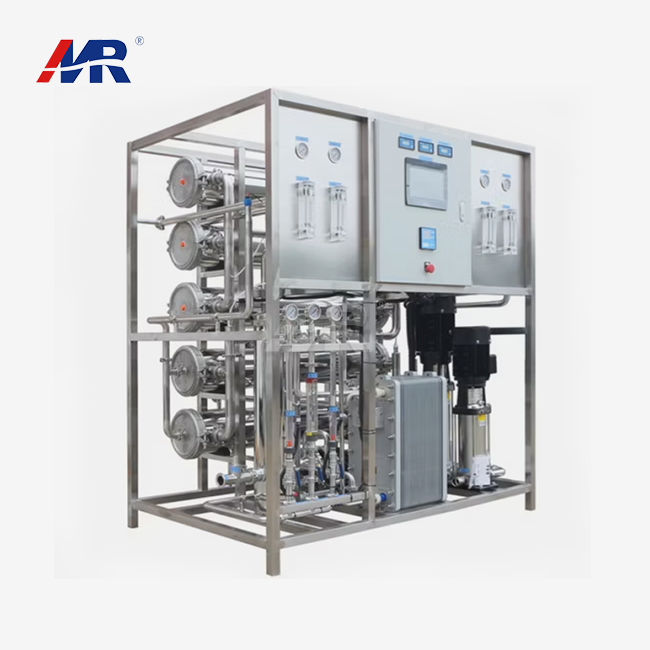 VIEW MOREro edi water system
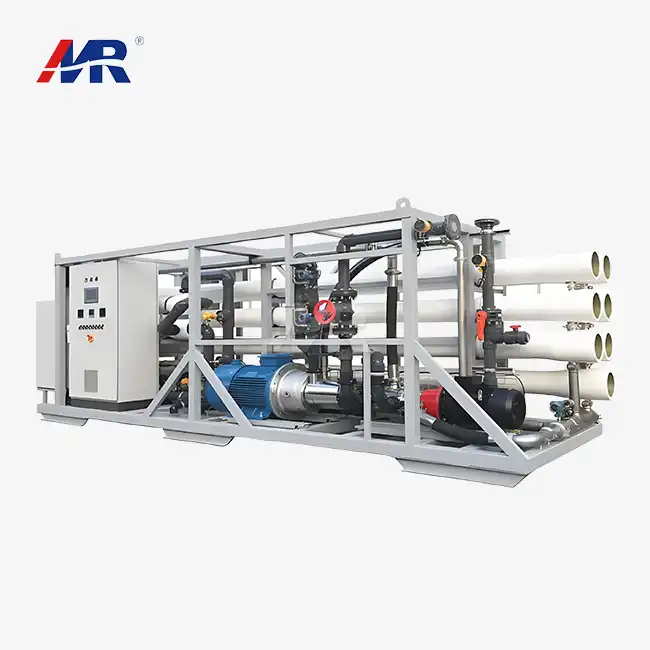 VIEW MORE20m3/hour seawater desalination equipment
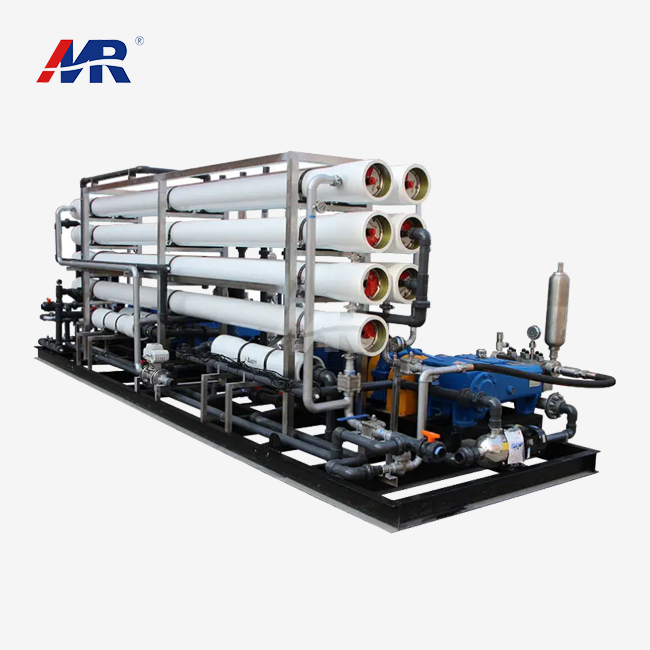 VIEW MOREseawater desalination machine
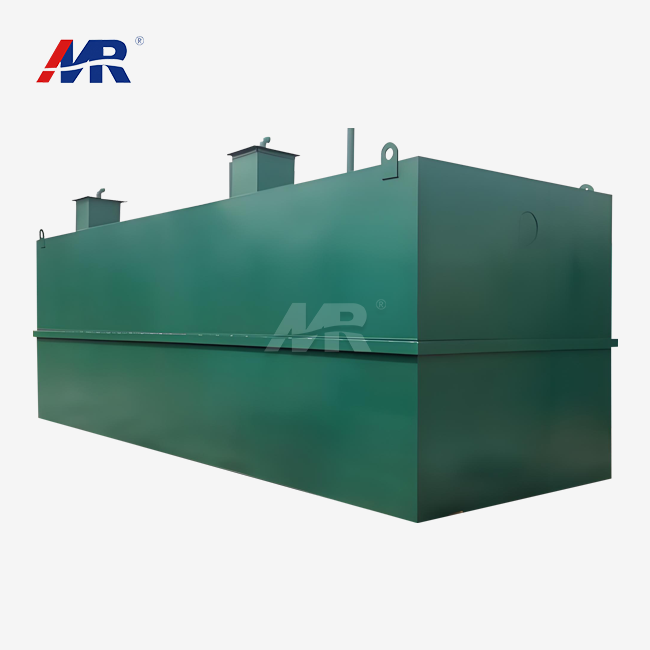 VIEW MOREwaste water treatment system
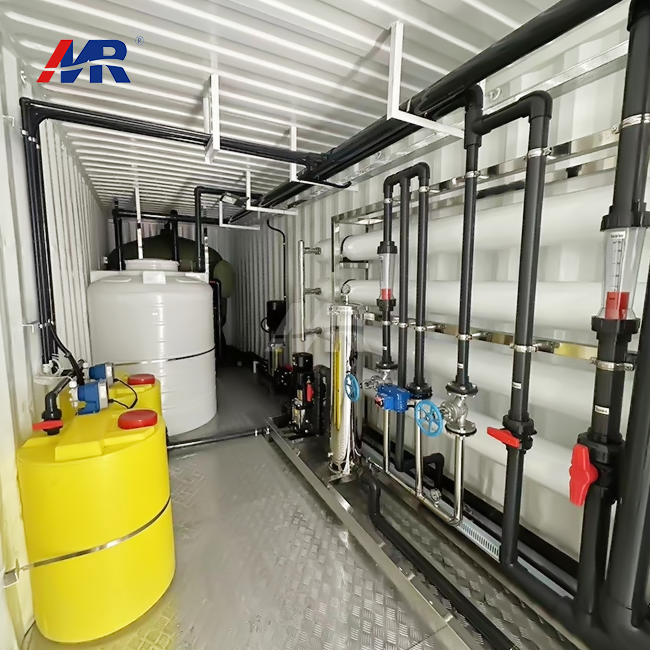 VIEW MOREcontainer reverse osmosis equipment
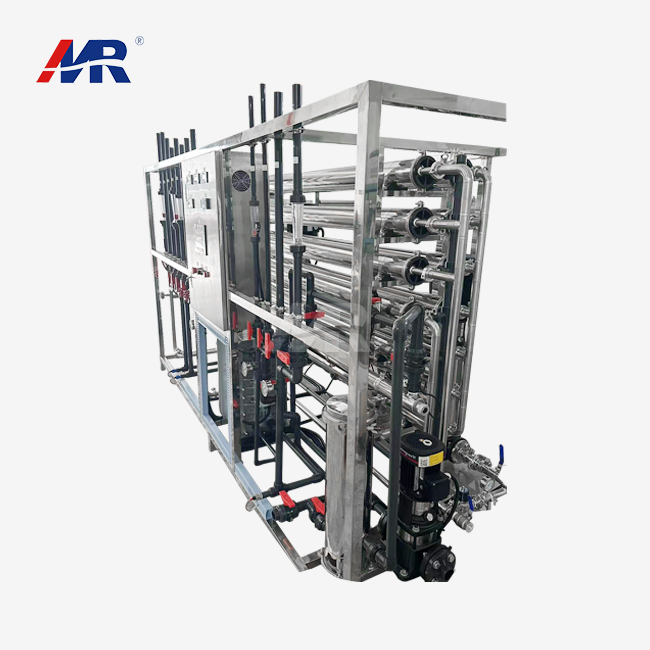 VIEW MOREedi water plant
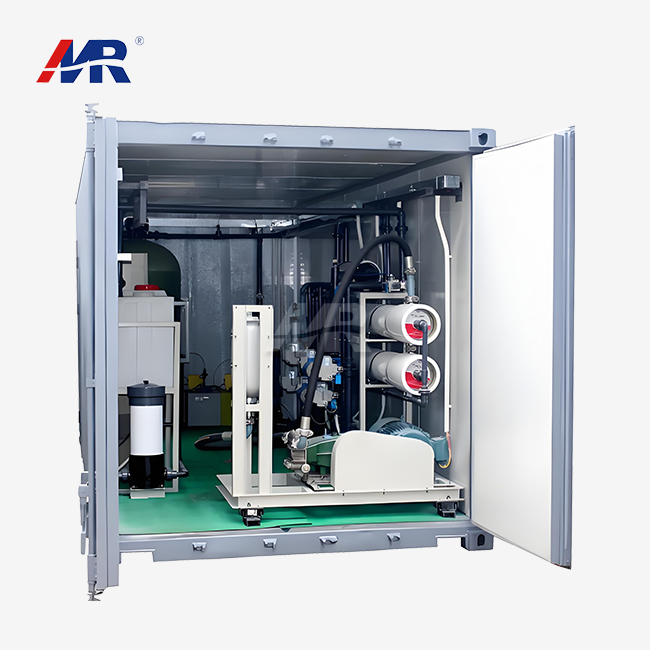 VIEW MOREcontainerized UF+RO system
 VIEW MOREseawater desalination pre-treatment
