



RO Water Treatment Machine Lead Time: Stock Units vs OEM Builds
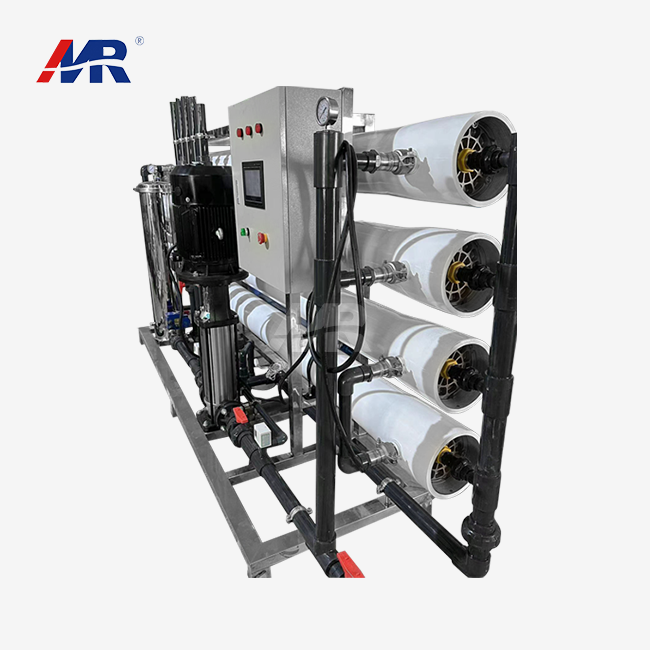
RO Water Treatment Machine Lead Time: Stock Units vs. OEM Builds comes down to one trade-off. Stock units ship sooner, while OEM builds take longer but match your water, site, and brand. A stock ro water treatment machine suits standard feed water and fixed capacity. An OEM build suits complex raw water, special controls, or private labeling. Lead time also covers more than manufacturing, because it runs from inquiry to qualified water production. Below, I explain what each path includes, how they compare, and how you can shorten the schedule without cutting engineering or testing.
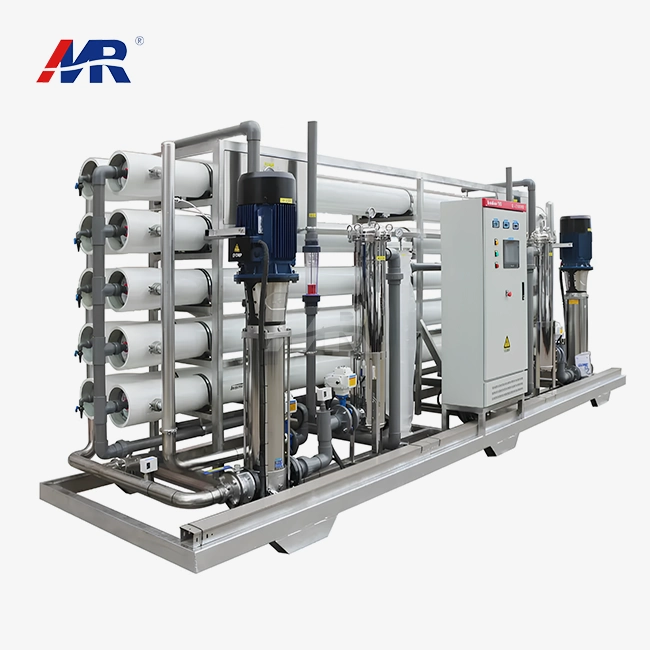
What Does RO Water Treatment Machine Lead Time Include?
From Inquiry to Qualified Water
When you ask for information, the lead time starts, and it ends when the RO water treatment machine makes enough water for your needs. After getting a price, technical proof, and engineering approval, the next steps are to make the product, test it in the plant, pack it up, ship it, clear customs, install it, and turn it on. People who buy something often only look at the factory step and are shocked when it starts up weeks later. We name and set a due date for each step of the project when we plan it.
Four Dates Buyers Should Separate
Four times should be set by the provider. That list shows the steps you and I need to take, like getting the site ready, getting feedback, or paying. The time it takes to make, put together, and program is part of the production lead time. It is ready to ship once it has been packed up and sent out. The whole process of getting there takes longer because of shipping, taxes, and transit time. Add the time it takes to set up and test to the time it takes to work. Risk is hidden in a quote with only one number. If you choose a term before 2020, you will also choose who is in charge of the freight and clearance. You will be able to keep track of all of your goals better if you give them different due dates.
Typical Ranges and What Moves Them
The schedule for stock units is usually the smallest. Half-standard systems have their own schedule in the middle, and OEM builds have their own schedule at the end. I can't give you a single number because it depends on the raw water quality, the size, the location, the shipping method, the papers, and the shipping method. There is no way for a 100,000 GPD plant and a 1,000 GPD unit to work together. It's also not the same to ship parts by air or by sea to a port in the United States. You can compare offers as long as you get a written number that works for you and a list of assumptions.
Stock Units vs OEM Builds: Choosing the Faster or the Better Fit
Stock Machines: When Speed Comes First
Stock systems are made up of parts that are ready to use and have already been thought out. Standard industrial, skid-mounted, and small business tools are some of the most common types. They can be used to quickly fix things or add more space because they don't need as much building work. A claim that something is "in stock" must be backed up in writing with test records, information on how it is being put together, and packaging. After that, make sure it fits your power supply, connections, controls, preparation, capacity, feed water, recovery, and power supply. An RO water treatment machine that is in stock works best when conditions are standard, can be written down, and are not likely to change after the unit is bought.
OEM Builds: Why Custom Takes Longer
It's already set up to work with a certain brand, product, or need for connection. It's on the list to gather information, make a plan for the process, get approval for the drawings, buy parts, put them together, program, test, and write up the results. You can change private labels, extra room, the shape of the container, automation, power standards, or the way it connects to a production line, among other things. This is possible because Morui has its own factories that make membranes and process tools. In other words, we can match the pipes, tools, pumps, and controls to the water test. People who take too long to make decisions, businesses that don't finish their water reports, and parts that need to be certified are usually the ones who cause delays.
Side-by-Side Value Comparison
It's not enough that the package gets sent quickly. Stock units are easier to get, but they can't be changed much. Still, OEM builds do the job and can connect to lines that are already there. They just need more work. Check to see how long the whole job takes, from getting permissions, inspections, shipping, customs, working on-site, and finishing. Next, think about the costs over the whole lifecycle. These include the energy used, the time it takes to recover, the chemicals used, the life of the membrane, spare parts, maintenance labor, and the time it takes to not work. It's possible that a cheaper machine that doesn't need as much power or cleaning is better. Check out the warranty terms, the paperwork, and the customer service after the sale.
What Shapes the Schedule and How to Shorten It?
Technical Factors Behind Lead Time
How many membranes, pumps, pressure vessels, pipe runs, electrical work, and testing hours are needed is based on the capacity. What kind of TDS, silt, grit, silica, iron, organics, or germs are in the feed water? The preparation will also be different. For example, membranes that are made of silica or are stiff are more likely to spread. The RO water treatment machine we use can handle up to 10,000 mg/L of TDS in the feed water. But the design that you end up with will depend on how well you analyze it. Find out what kinds of permits you need to do projects in the US. To give you an idea, NSF/ANSI/CAN 61 for drinking water parts and UL 508A for control screens are two kinds of permits that you might need.
Preparation That Shortens Delivery
If you want to be quick, plan ahead and don't skip steps. When you send your first request, please include information about the water analysis, capacity, working hours, product-water goals, site dimensions, utilities, compliance needs, destination, and Incoterms. Getting common tools, pumps, membranes, and valves takes less time. We sell Shimge pumps, Runxin valves, and Createc tools as an agent. Plan, write down, pay, check, and let the ship go — all need to be done by a certain date. Phased release can work if everyone knows what they need to do. Before you say "ready to ship," make sure you look over the instructions, certificates, and plant test records.
A Practical Procurement Workflow
Find out what kind of business it is, where the feed water comes from, how much water it can hold, when it's open, and how good the product water is. The next step is to pick a configuration, like single-pass, two-pass, containerized, or pretreatment-integrated. There are claims about recovery, energy use, part names, lead time, warranty, commissioning scope, spare parts, packing, shipping terms, and payment conditions in a full quote. Then, find out if the seller can make the product, if they have experience exporting, if they are willing to work with OEMs, if they test their Products in the factory, if they can give you references, and if they will help you after the sale. To be sure of the dates for engineering, production, inspection, shipping, and installation, you will need written answers.
After Delivery: Installation, Maintenance, and Final Selection
Site Readiness and Commissioning
That's not the end of the project. Make sure the foundations, drains, feed and product water lines, chemical storage, power supply, ventilation, and access for upkeep are all ready before the unit comes. The mechanical parts, lines, and electrical connections are usually checked during commissioning. The instruments are also calibrated, the pretreatment system is flushed, the membranes are loaded, the pressure is tested, the water quality is checked, and the operators are trained. When you check the fittings and lines, make sure you look at their numbers to see what pressure range the RO water treatment machine can handle (10 to 16 bar). As a "one-stop service," Morui sets up and runs the system. Now everything is in one place.
Maintenance and Remote Support
If you want to keep performance good, you need to do maintenance. You need to clean the membrane, change the cartridge filter, check the pump, make sure the instruments are calibrated, and look for leaks. When pressure and flow rates change, write them down. This is likely a sign of scaling or fouling. About 75% of those who are turned down need this care to get better. If you have operating data, photos, manuals, and spare parts on hand, you can figure out what's wrong faster. You can also keep a better eye on things when the controls are taken care of automatically. Your equipment might not need to be fixed for as long if you keep a list of extra parts on hand.
How to Choose Between Stock and OEM?
Pick stock if you need to get it done quickly, know how good the water is, and the amount and links are fine as they are. When it comes to fresh water, integration, tight rules for compliance, or branding and repeat delivery, choose OEM. A hybrid road starts with a normal base and then changes the grips, the links, the power, the capacity, or the way it is set up. We can handle flows of 1,000 to 100,000 GPD at 1.5 to 2.5 kWh/m³ and 3 to 11 pH. Before you place an order, make sure you understand the plan, performance, availability, guarantee, spare parts, and Incoterms.
Conclusion
Getting an RO water treatment machine is more difficult than making one in a building. Getting a quote, getting permission, testing, shipping, customs, setting up, and starting up are all parts of it. Buyers should keep the dates for production, ready-to-ship, delivery, and start-up separate. As soon as "in stock" is confirmed in writing, stock units ship items faster and follow standard, well-known rules. OEM builds take longer and must follow strict rules about safety, water, and integration. Both tracks are affected by things like the amount of water that can be fed, its quality, parts, licensing, and transportation. When full water information, set due dates for approvals, and tried-and-true parts are used, time is saved without risk going up. How much the membrane costs, how much energy it uses, how much it recovers, how long it lasts, how much it costs to maintain, and how much it costs to support all matter. The need to move quickly and the perfect fit are ahead of the best choice.
FAQ
Q1: How quickly can stock machines ship?
A: How fast it goes depends on how much stock is being looked at. Get written proof of who is putting together the date before you believe it. You should also get records of the plant tests and how the RO water treatment machine was packed.
Q2: Why do OEM systems take longer?
A: They need to look over the data, make a plan for the process, get approval for the drawings, buy the parts, add the code, and test them. The most time is wasted on water reports that are late and plan changes.
Q3: What information do you need for an accurate quotation?
A: Send your water analysis, capacity, product-water quality, site conditions, utilities, delivery date, and where the water is going. Also, make sure you know who is in charge of setting up the guaranty, getting it going, training people, and helping customers.
Request a Lead-Time-Based RO Water Treatment Machine Quotation from Morui
How much do you want, where are you, what will the goods be used for, and do you want them in stock or as an OEM? Tell Morui these things. We'll send you a technical suggestion with a clear due date. Making RO water treatment machines is something we do for a living. The process is safe for your water because of the work of twenty experts and 500 other people. Feel free to email benson@guangdongmorui.com to get in touch.
References
1. Incoterms 2020 Rules, International Chamber of Commerce, 2019
2. Reverse Osmosis: Industrial Processes and Applications, Jane Kucera, 2015
3. Water Treatment: Principles and Design, MWH, 2012
4. Membrane Technology and Applications, Richard W. Baker, 2012
5. NSF/ANSI/CAN 61: Drinking Water System Components, NSF International, 2023
6. UL 508A: Standard for Industrial Control Panels, UL Standards, 2018
 VIEW MOREseawater desalination equipment
 VIEW MOREedi water treatment
 VIEW MORE100m3/hour reverse osmosis equipment
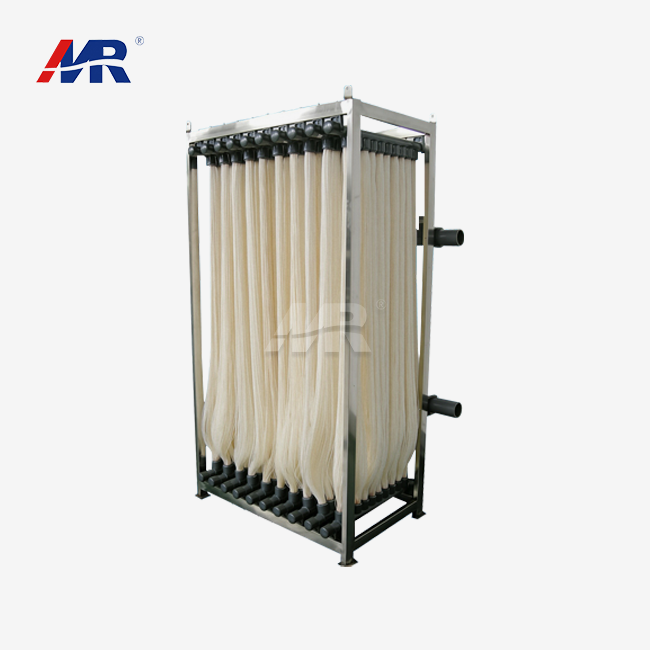 VIEW MOREbiological reactor wastewater treatment
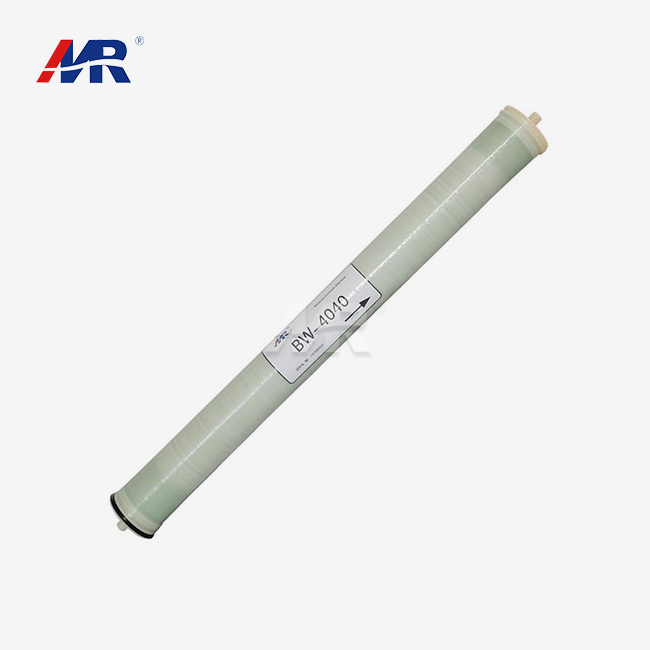 VIEW MOREindustrial ro membrane
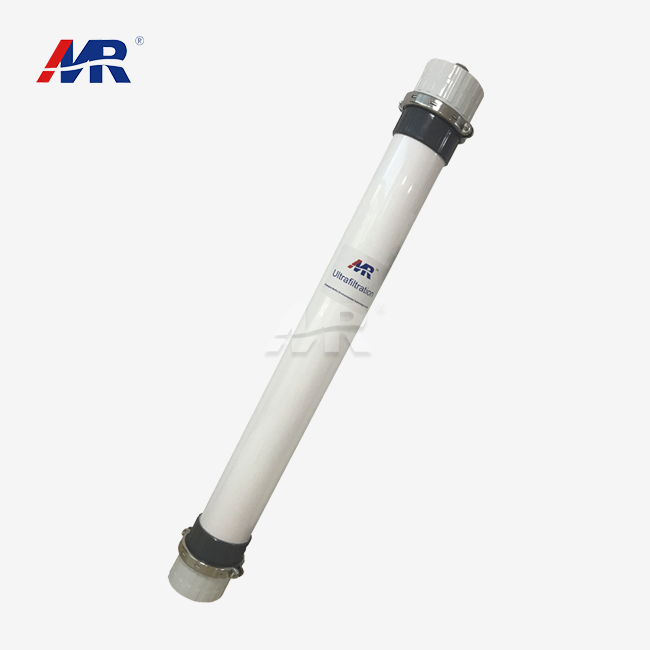 VIEW MOREultrafiltration membrane for wastewater treatment
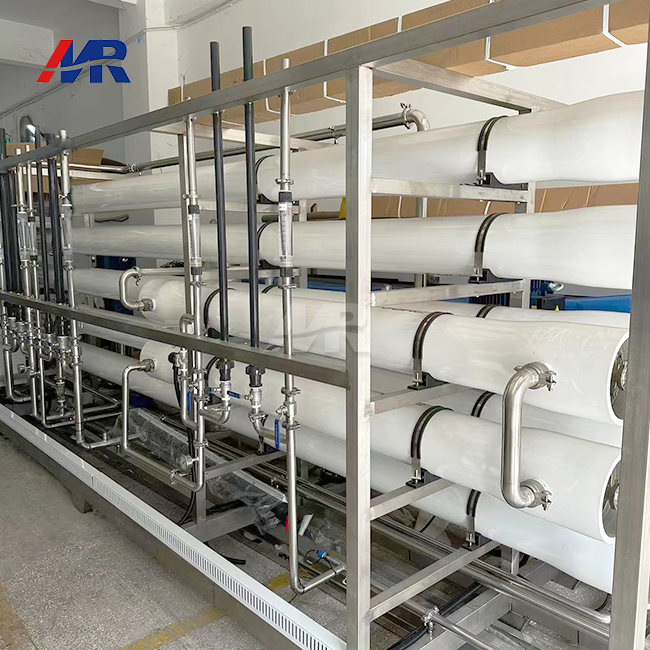 VIEW MOREosmosis drinking water system
 VIEW MOREunder counter reverse osmosis water system
