



Why Do Leachate Collection and Treatment Pipes Clog at the Sump?
Leachate collection and treatment pipes clog at the sump because the sump is where flow slows, solids settle, and leachate chemistry shifts. Biofilm grows on pipe walls, calcium carbonate and iron form hard scale, and fines, ash, and grease collect at the low point. Poor slope, undersized pipes, and dead zones make each problem worse. I see the same pattern at many sites. Small restrictions build quietly until pump cycles lengthen and sump levels climb. Knowing the causes helps operators clean the right way, prevent repeat blockages, and size downstream treatment correctly.
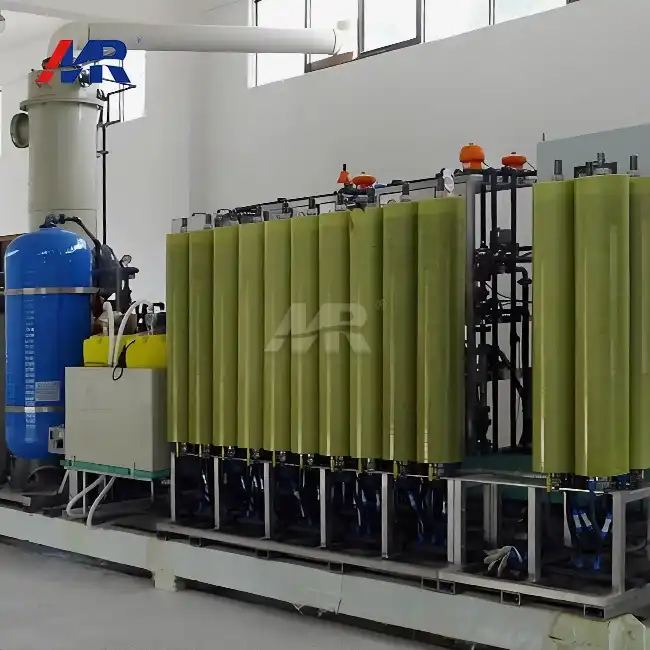
What Is a Landfill Leachate Sump and Why Does It Matter?
The Sump as the Low Point of the System
A waste overflow tank at the bottom gets rid of waste. Leachate moves through the trash, the layer that drains, and the lines that have holes in them. The water then gathers in the sump and is pumped to a spot where it can be saved or used to make leachate. In this case, the liner, pipes, pumps, and tanks are all moved to the pit. If something goes wrong here, things will not work right.
Why Regulations Care About Sump Performance?
40 CFR Part 258 says that parks that take trash from towns must find a way to collect leachate so that it doesn't rise above the cover more than 30 cm (1 foot). If the pipe is too small or the pit's drain is blocked, it's hard to get to the level. The environment and the permits are both more at risk when there is more leachate. Because of this, we can't use a bunch of different tanks and pipes to separate and process wastewater.
What Happens When the Sump Restricts Flow?
If you connect a pump to a smaller link, screen, or pipe, the pump has to run for longer to move the same amount of fluid. Pumps break down more quickly and cost more to run. The dump's level of leachate can rise, and the holding tanks can fill up faster than expected. After a pump clears the backlog, the treatment plant gets a flow of water that isn't smooth and has strong bursts of leachate in it. It is easier and cheaper to fix problems later on than to fix them early on.
What Causes Leachate Pipes to Clog at the Sump?
Biofilm and Microbial Growth
There is a lot of COD in leachate collection and treatment, which is good for bacteria. When the flow slows down or the pump starts and stops, biofilm forms on the pipe walls. We can't open as wide now. In Canadian dumps, mineral layers and the growth of living things that get in the way of collection methods are related. Biofilm gets thinner over time as it traps more tiny particles. Because of this, the parts where the leachate isn't moving tend to break down first.
Mineral Scale and Precipitation
The leachate has iron, manganese, calcium, and sulfide in it. If the pH, temperature, or pressure change near the pit, these ions could turn into scale. A lot of people say that calcium carbonate is one of the main things that makes collection devices not work. That's because water doesn't get rid of biofilm as often as it does scale. It's not just limited to the pipe that can get it. Plus, it can happen on the valves and pump openings, which makes things even worse.
Sediment, Grease, and Design Faults
Fines, ash, sludge, and grease sink to the bottom and trap more solids there. The pipe doesn't always break. There are dead spots, bad slopes, drain layers that are clogged, and lines that are too small and let water flow through. All of these things can make the sump fill up too quickly. I'll look into these design flaws as soon as I clear out the jams and they come back. If the fines keep coming out, cleaning the pipe won't help.
How Can Operators Diagnose, Clean, and Prevent Sump Clogging?
Diagnosing the Blockage
Start with what you know. You should keep an eye on the sump's level, the flow, the pressure, the number of times the pump runs, how much power it uses, and any alarms. Then check the pump's intake, screens, and valves. You can see settle, scale, or bits that have dropped where you can reach them with CCTV. There are tests in the lab that check for iron, manganese, sulfide, hardness, alkalinity, pH, COD, ammonia, TSS, and conductivity. These tests tell the difference between problems with sediment, minerals, and living things. The drainage layer could be the cause if the issues come back soon after you clean.
Choosing a Cleaning Method
Third, make sure that the cleaning method works with the way you're paying. A cleaner or a machine can get rid of grit and silt. That is possible with the right tip and pressure. A high-pressure jet can get rid of germs, grease, and dirt. Check to see if the Products you want to use are safe before you use them to get rid of scale. Acids and ozone can damage HDPE, PVC, pumps, and membranes. Using enzyme products on a regular basis can help, but they can't take the place of direct removal. If your pipes keep getting stuck, you may need to fix them or buy new ones.
Preventing Repeat Clogging
How things are made for leachate collection and treatment is the first step in making them safe. That the pipe is the right thickness, slope, amount of dead spots, holes, and cleanout places is very important. Screens and getting rid of grit keep pumps safe, and layers that slope down keep fines from moving. If you move the leachate around, it won't stay still for long. Clean up when the weather lets you. The iron, toughness, COD, and TSS are often checked. Then, as a group, you should make a maintenance plan with clear steps, extra parts, and event values. There'll be no confusion.
How Should Buyers Compare and Select a Leachate Collection and Treatment System?
Comparing Treatment Options
Every dump can't be set up the same way. Moving trash around can help it settle faster, but it also makes ammonia, salt, and clogs more likely. The COD and ammonia are taken care of by it; they break down on their own. It also reacts to changes in load and toxins. Yes, water can go through membrane systems like UF, NF, RO, and MBR. But, the systems need to be set up correctly to keep them from scaling and fouling. While running away takes a lot of energy, it also takes up a lot of space. It takes less time and space to move these plants around because they don't need to be moved as often.
Where DTRO Fits
To fix it, clean the lines on the side that receives the water. However, you will still need to deal with the very concentrated leachate. Disc-tube reverse osmosis (DTRO) does not keep the lines from getting plugged. After the extra water is collected, it will be taken care of. There is a lot of COD, salt, and scale in the leachate that we make at Morui. We will get ready, use the DTRO core, and take care of the concentrate as planned. Based on the type of trash, the rate of recycling can be anywhere from 50% to 90%. It's possible to store hardware in boxes and keep standards high while cutting costs.
Selection Criteria and Documentation
What kinds of trash you have, how old your dump is, lab tests, utilities, and how you plan to get rid of concentrates should you tell your service providers. They should also know your average and peak flow rates. Learn about testing in the field, automation, setting up, training, and how to get help after the sale. Check to see if the business has worked with landfills before.
If someone in the US wants to buy something, they should get effluent test results from a third party, find out how much energy was used, and check to see if the project needs any licenses. Chemicals, energy, cleaning, changing membranes, work, and downtime are some of the things that make up the total cost of ownership. Find the best deal on this. There are many of us. We have 500 employees, and twenty of them are engineers. We make screens in our own plant. We also sell Comet instruments, Shimge pumps, and Runxin valves.
Conclusion
Pipes in leachate collection and treatment get clogged at the bottom, where the flow slows down and solids settle. A lot of the time, biofilm, mineral scale, grit, and grease all stick together. If the slope isn't level or there is a drainage layer that can't see what's going on below the surface, things can get worse. There are several important parts that make up a good review. These are things like lab tests, inspections, and checklists. Also, it needs to match how the drop is cleaned. That starts with pipes that are well-made, have a steady flow, are checked often, and have a plan for how to fix them that is written down. US law says that the leachate can't be more than 30 cm deep over the barrier. The treatment and the people who are getting it are both safe with a clear drain. Before you buy a system, find out how much it will cost in the long run, how many times it has been used, and how well it did in tests.
FAQ
Q1: Why does clogging happen mostly near the sump?
A: Things start to gather at the bottom as the flow slows down. It also changes the leachate's chemistry, which makes biofilm and scale grow.
Q2: When is hydro-jetting effective?
A: Jet cleaning makes it easy to get rid of biofilm, grease, and other gunk. It's possible that you will need to use a chemical that has been shown to work or remove the hard mineral scale by hand. Before you do anything else, you should always check the pipe's design and top pressure.
Q3: Does treatment alone prevent collection-pipe blockage?
A: That's not right. After the trash is collected, it is cleaned up. Pipes should be well-built, checked, cleaned, and able to control flow so they don't get stuck. Odors won't get into the treatment plant if you clean it the right way.
Q4: What information do I need before requesting a quote?
A: You should let them know about the flow rates, leachate analysis, effluent standards, site utilities, residuals plans, and the engineering and service scope you need.
Request a Site-Specific Leachate Collection and Treatment Assessment from Morui
Morui can look at your pictures, plans, pump curves, and the most recent lab data from the tank and tell you how to use DTRO and clean your leachate collection and treatment. To get things going, train people, and help with containerized shipping, our business makes membranes and provides leachate collection and treatment. We want to hear about your project. You can email us at benson@guangdongmorui.com.
References
1. Code of Federal Regulations, Title 40, Part 258 (Criteria for Municipal Solid Waste Landfills), 2023
2. Canadian Geotechnical Journal, 1999 (Fleming, Rowe, and Cullimore, "Field Observations of Clogging in a Landfill Leachate Collection System")
3. Géotechnique, 2005 (Rowe, "Long-Term Performance of Contaminant Barrier Systems")
4. Waste Management, 2010 (Rowe and Yu, "Clogging of Finger Drain Systems in MSW Landfills")
5. Critical Reviews in Environmental Science and Technology, 2002 (Kjeldsen et al., "Present and Long-Term Composition of MSW Landfill Leachate: A Review")
6. Journal of Hazardous Materials, 2008 (Renou et al., "Landfill Leachate Treatment: Review and Opportunity")
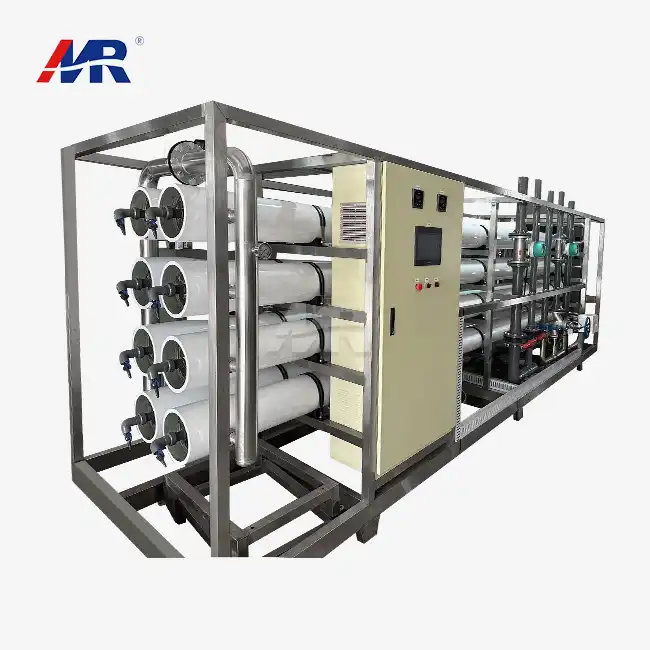 VIEW MORE8m3/hour two pass reverse osmosis system
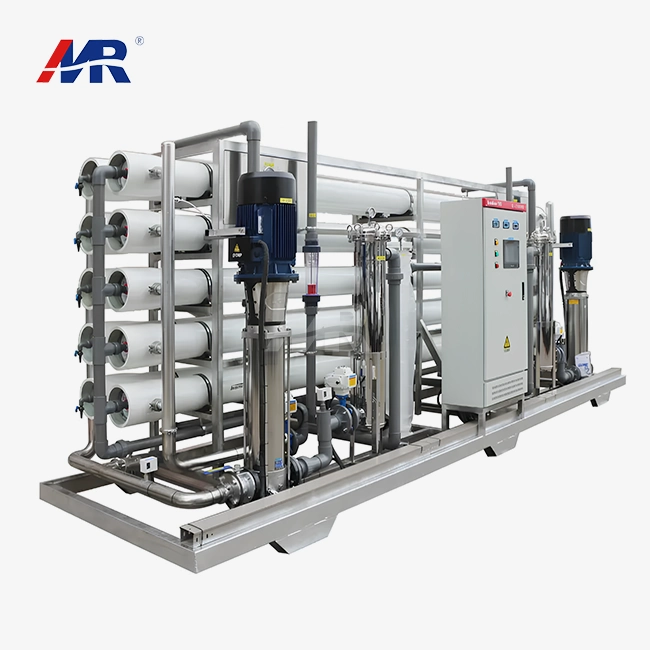 VIEW MOREreverse osmosis water purification plant
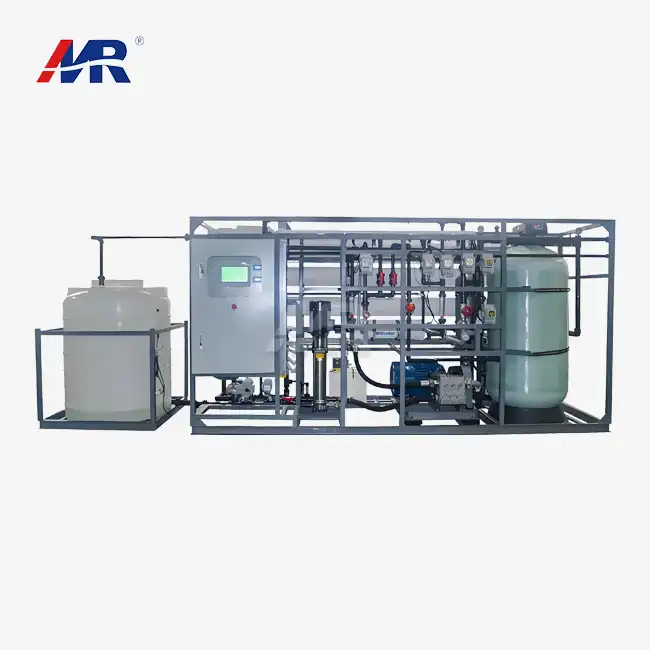 VIEW MORE5m3/hour seawater desalination equipment
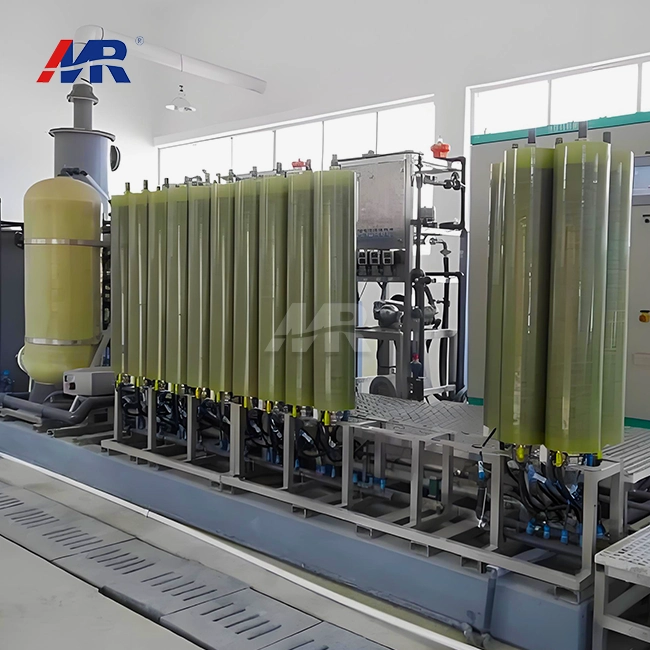 VIEW MOREDTRO Landfill Leachate Treatment
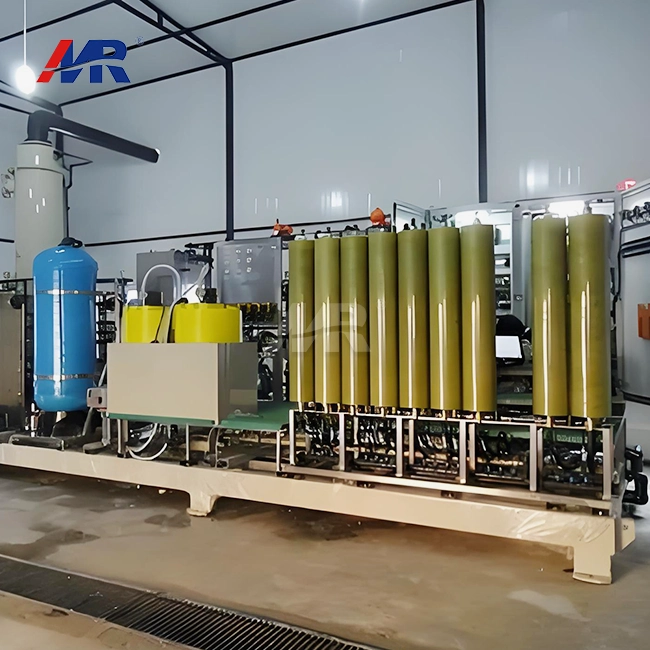 VIEW MOREDTRO Water Treatment
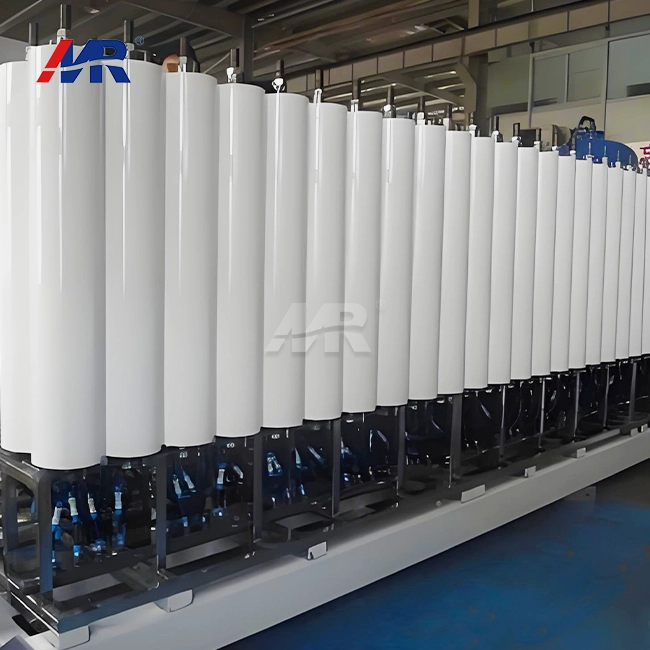 VIEW MORELandfill Leachate Treatment System
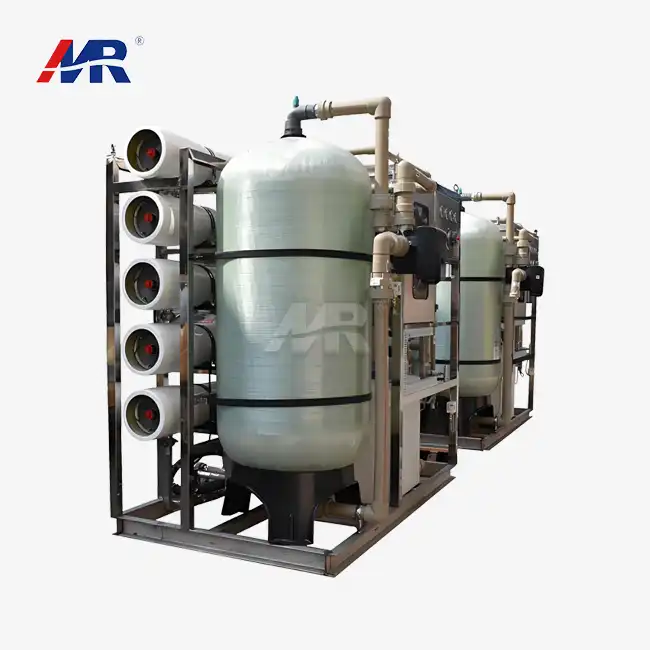 VIEW MORE8m3/hour seawater desalination equipment
 VIEW MOREhome wastewater treatment plant
