



When Should You Choose an RO UF Filter for RO Pretreatment?
You should choose an ro uf filter for RO pretreatment when your feed water carries turbidity, fine suspended solids, colloids, or bacteria that can foul reverse osmosis membranes. Ultrafiltration (UF) acts as a fine physical barrier, so the RO stage receives steadier water, often with a lower Silt Density Index (SDI). UF will not remove dissolved salts, chlorine, or hardness, so those issues need separate treatment. I wrote this guide for engineers, OEM builders, distributors, and maintenance teams in the United States who want a clear way to decide. It also introduces the Morui MR-UF-80TH.
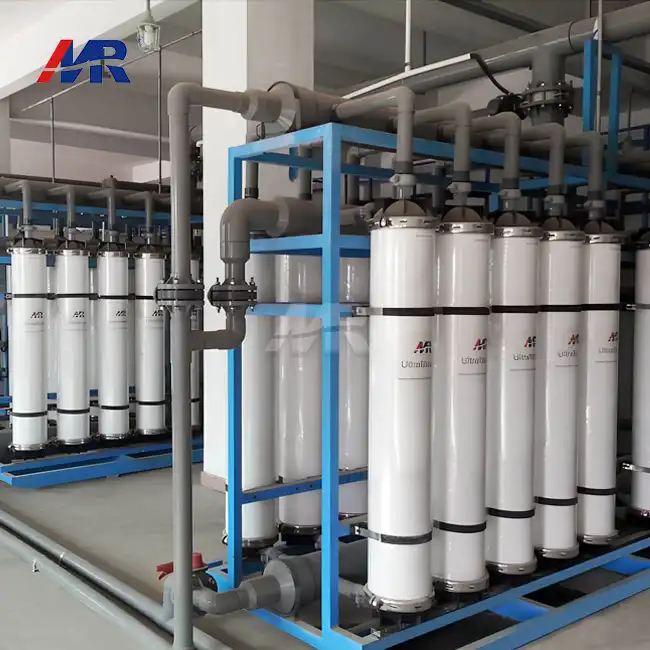
What Is an RO UF Filter and When Does It Make Sense Before RO?
It helps to know what each membrane does so you can decide if something fits. The next three parts talk about the different roles, the best water conditions for UF, and what it can't do.
How the Two Membranes Share the Work
There are two steps in it: ultrafiltration and reverse osmosis. Every step is meant to do something different. uf membranes have holes that are only 0.01 to 0.1 microns wide. This makes it impossible for germs, colloids, and suspended solids to pass through them. ro membranes stop dissolved salts and many small molecules from getting through at about 0.0001 microns. The MR-UF-80TH works at 0.2 to 0.3 MPa, the same pressure range that the U.S. EPA uses for low-pressure membrane processes. RO is like the killer, and UF is like the defender. Because RO, UF filtration, and RO salt rejection are different, we need to know how well each stage works.
Water Conditions That Justify UF
It is important to pay close attention to UF when turbidity is high or when it changes with the seasons. This word is often used to describe open water, well water that changes, and wastewater that will be used again. It is recommended that the feed SDI is less than 5, and many projects try to get it to be less than 3. UF stages help keep the feed water in that range, which can lower the amount of particulate buildup, pressure drop growth, and system cleaning requirements. Biofilm that forms on RO surfaces is eaten by bacteria, so the number of microbes is also important. Sand and big solids shorten the time it takes for UF to work, so screening or coarse filtration should still be done first. A seasonal look at the water or a pilot test should help with the decision.
When UF Alone Is Not Enough
UF doesn't usually drop TDS, conductivity, or dissolved hardness. Also, chlorine, chloramine, dissolved organics, iron, manganese, or silica need to be removed. In the event that these things are in your feed water, you might need to add activated carbon, softener, antiscalant amounts, oxidation, or special media to your UF system. Extra care needs to be taken with chlorine because oxidants damage polyamide ro uf filter membranes. UF keeps RO from getting physically clogged, but chemicals and dissolved matter need their own stage to deal with them. In a good pretreatment plan, each pollutant is paired with the right step to deal with it.
How an RO UF Filter Compares and What to Check Before You Buy
Once you know that UF works with your water, you should find out what other options are out there and compare them. That process is talked about in these three parts.
UF Versus Other Pretreatment Options
Multimedia filters can handle more solids and sediment than ro uf filters, but their cut-off isn't as smooth. Cartridge filters are the last line of defense, but they get clogged up quickly when solids build up, so they need to be changed often. Activated carbon doesn't get rid of small bits, but it does get rid of chlorine and some organics. UV light kills microorganisms, but the particles they leave behind stay in the water. Microfiltration is somewhere between ultrafiltration and filters. It doesn't block as well as UF. Multimedia and carbon are often put upstream, UF is placed in the middle, and a cartridge filter is put in front of RO for varying industrial or wastewater feed. Combined trains work better than single technologies most of the time.
Water Data to Collect First
Check the water with a normal, up-to-date analysis first. Find out about the temperature, iron, manganese, silica, TOC, microbiological indicators, conductivity, hardness, pH, and more. Next, write down the design flow, the peak demand, the recovery, the operating hours, and the storage needs for the water. Check to see if the membrane material is chemically stable with the water you plan to use and how you plan to clean it. Plus, the OEM and purchasing teams should ask for P&IDs, electrical drawings, control logic, records of factory tests, and steps on how to set up the product. Having clear data helps the provider figure out the right size for the system and makes it easy to compare quotes from different suppliers.
Maintenance and Total Cost of Ownership
UF needs more than just changing the membrane every so often. The strainers need to be checked regularly, along with backwashing, chemical-enhanced backwashing, cleaning-in-place, checking the pressure, and making sure the system stays intact. Biofilm growth, scale buildup, and oxidant exposure are still things that the ro uf filter stage needs to keep an eye on. If someone says that a membrane will last a certain amount of time, you should not believe them. This is because membrane life depends on things like water quality, recovery, pressure, chemical exposure, and how the membrane is used. When you get prices, you should add up how much it costs for things like labor, wastewater, chemicals, capital, energy, and downtime. What if the price is low? It might still cost more if a lot of energy is used, cleaning is done, or there is downtime.
MR-UF-80TH for Wastewater Treatment: Specifications and Morui Support
From the way the choice is made, this is how a certain number fits. We'll talk about what it does, how to use it, and who made it below.
MR-UF-80TH Key Specifications
This line doesn't need to be changed because it's already full. It's used to clean up pollution. 15 kW/hour of electricity is used. Eighty to ninety percent recovery is achieved. The operating pressure is between 0.2 and 0.3 MPa. If the recovery rate is high, not as much feed is lost as scrap. If you have to pay to discharge water or want more water that you can use again, this is important. It takes less energy to run a pump when the pressure is low. Here are four pieces of information. If you need more, like flow or control setup, please ask for the project data sheet.
Where This Unit Fits
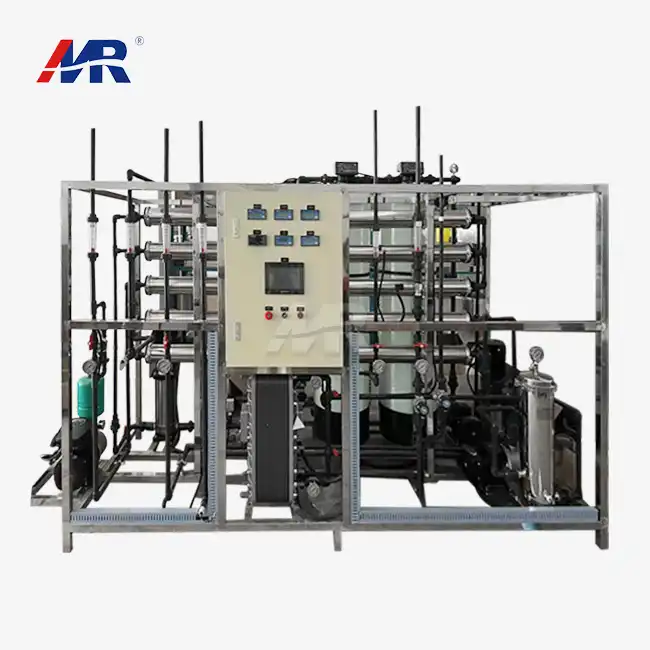
The MR-UF-80TH is made to clean up wastewater, like in projects that recover water where UF clears the water before cleaning it even more. A RO stage further down the line still needs to work if you want water with low TDS. The treatment train as a whole is based on the water analysis. Any business that wants a more stable RO feed, OEMs that are making skids, or repair shops that want to update can use this kind of unit. Different types of users have different needs when it comes to Certifications, disinfectants, and hardness. Before you finish a project in the U.S., check to see what the state and local rules are for recycling and getting rid of trash.
Why Work With Morui
The Guangdong Morui Environmental Technology Co., Ltd. cleans up sewage from houses and industries, turns seawater into drinking water, and desalinates water. There are a number of plants that handle the tools that we run as our own business. Fourteen parts of our group work together with 500 people and 20 engineers. We also sell Shimge water pumps, Runxin valves, and Createc instruments. This means that a project can get all of its instruments, pumps, and valves from the same group. We give you the tools, set them up, and turn them on. OEM and private-label buyers can talk to our engineers about custom parameters and supply that comes in a bundle.
Conclusion
An RO UF filter is the best way to treat water before it goes through a membrane when bacteria, colloids, suspended solids, or changing turbidity do. These things can make the feed SDI higher than what RO manufacturers recommend. Some things that UF does not get rid of are hardness, chlorine, dissolved salts, and most dissolved organics. That being said, you might still need to use oxidation, carbon, softening agents, or antiscalants. If you compare UF to multimedia, cartridge, carbon, UV, and microfiltration, you can see that combined trains are usually better at dealing with changing feed water than one technology by itself. You shouldn't buy based on price or nominal flow. Instead, you should look at a water study, recovery goals, cleaning plans, and the total cost of ownership. These ideas are used to clean wastewater in the MR-UF-80TH, which can handle 15 kW/hour, 0.2 to 0.3 MPa, and 80 to 90% recovery.
FAQ
1. Is UF better than RO for pretreatment?
Their jobs are different. You can get rid of bacteria, colloids, and suspended solids with UF, and you can get rid of dissolved salts with RO. This is because UF comes before RO, not after it.
2. Does an ro uf filter work for hard or well water?
This is for well water that has particles or is cloudy. Even though the hardness has been broken down, it still needs to be softened or antiscalant dosed. Before you get your gear, check the water.
3. How often should I clean or replace membranes?
There isn't a set amount of time that works for all sites. It's important to pay attention to the quality of the feed, the recovery, the pressure, the chemical contact, and how often you clean up. Track the flow through the feed and the difference in pressure to keep up with upkeep.
4. What does the MR-UF-80TH handle?
It cleans wastewater and needs 15 kW of power per hour and 0.2 to 0.3 MPa of pressure to work.
Request a Customized RO UF Filter Recommendation from Morui
Want to find a company that can help you with your sewer project by giving you RO UF filters? Shimge pumps, Runxin valves, and help with installation and start-up for the MR-UF-80TH are all made by Morui. If you email benson@guangdongmorui.com your feed-water analysis, flow goal, and project site, our engineers will make a basic plan for you. We're happy to hear from both OEM and private-label customers.
References
1. U.S. Environmental Protection Agency, Membrane Filtration Guidance Manual, 2005
2. American Water Works Association, Reverse Osmosis and Nanofiltration (Manual M46), 2007
3. Richard W. Baker, Membrane Technology and Applications, 2012
4. Valavala et al., Pretreatment in Reverse Osmosis Seawater Desalination: A Short Review, Environmental Engineering Research, 2011
5. MWH, Water Treatment: Principles and Design, 2012
6. ASTM International, ASTM D4189 Standard Test Method for Silt Density Index (SDI) of Water, 2014
 VIEW MOREDTRO for Wastewater Treatment
 VIEW MORE12m3/hour seawater desalination equipment
 VIEW MOREreverse osmosis membrane
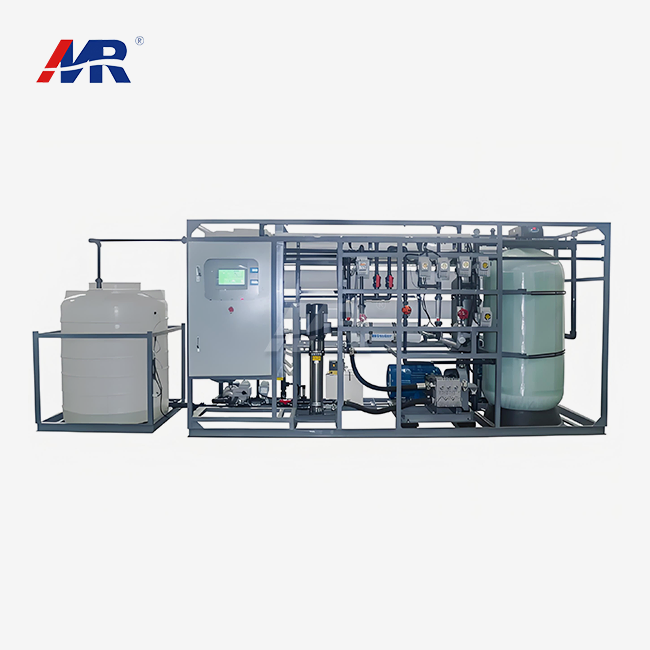 VIEW MOREseawater treatment system
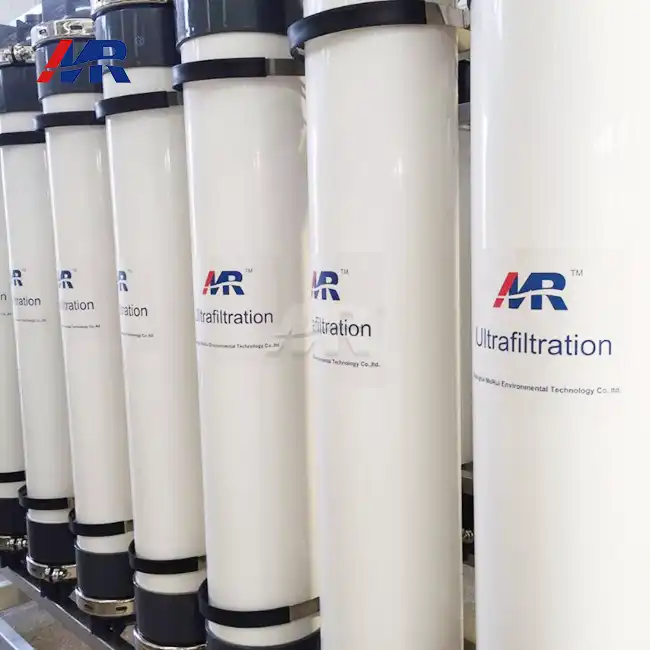 VIEW MORE90T/H ultrafiltration equipment
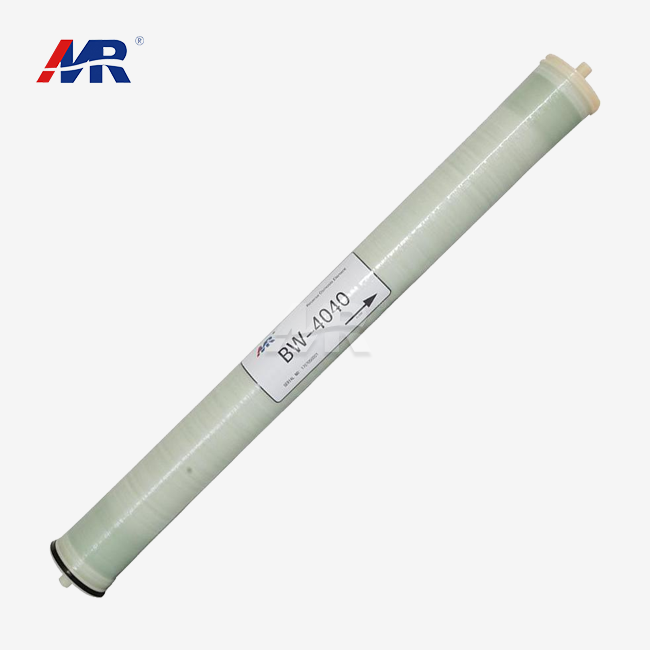 VIEW MORE4040 reverse osmosis membrane
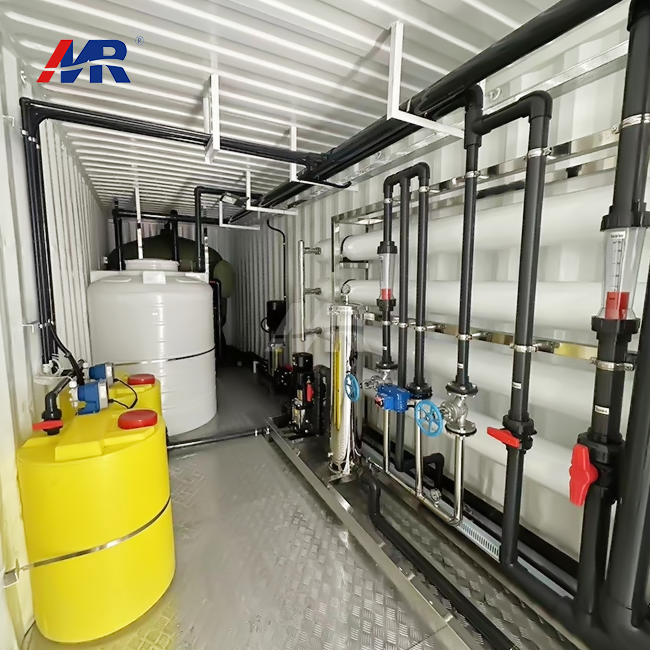 VIEW MOREcontainer reverse osmosis equipment
 VIEW MOREedi water purification system
