



Single-Stage vs Two-Stage RO: Which System Fits Your Manufacturing Workshop?
The correct one is determined by your feedwater and the quality of water your operation requires. A single-stage RO is suitable when the feedwater is steady and the quality aim is modest. When salinity is high or fluctuating, when you wish to increase recovery by reusing first-stage concentrate, or when your process cannot handle swings, a 2 stage reverse osmosis system suits better. I developed this guidance for US buying managers, process engineers, and shop owners. It compares the two designs, explains how to pick, and illustrates where our MR-BWRO-50TH fits in.
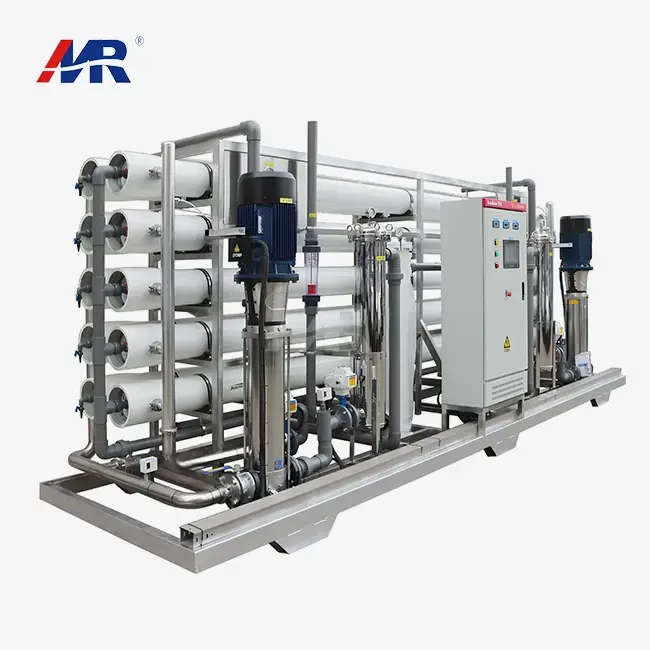
Understanding Single-Stage and Two-Stage RO Configurations
What Each Term Means
A single-stage RO system forces pretreated water through one membrane array. The outcome is permeate (clean water) and concentrate (reject water). A 2 stage reverse osmosis system takes the concentrate from the first array and puts it into a second array, recovering more permeate from water that would otherwise go down the drain. This is sometimes confused with the two-pass design where the permeate is treated a second time to get reduced conductivity. Both are correct, but they tackle distinct issues. Concentrate staging aims recovery and water utilization; pass staging targets purity. Before comparing pricing, I always ask customers to establish what meaning a provider wants.
How Water Flows Through Each Design
Both approaches start with pretreatment, often sediment filtration, carbon filtration, and commonly antiscalant dosage. The first membrane array is fed by a high-pressure pump. The concentrate exits the unit in a single stage. In a two-stage reverse osmosis system, the concentrate goes to the second array and additional permeate. The latter membranes are more likely to foul since the concentrate becomes saltier as it progresses. Performance is therefore a function of more than the number of stages. Standard publications such as Kucera’s Reverse Osmosis: Industrial Processes and Applications indicate that output and water quality are affected by feed TDS, hardness, silica, iron, chlorine, SDI, temperature, and membrane state.
Why Terminology Causes Confusion in Quotes
“2 stage reverse osmosis system” and “three-stage” are loosely used by suppliers. Some mean two filters before a membrane. Others mean two sets of pressure vessel arrays. A phrase that just gives a stage count allows opportunity for surprises. I would suggest that you ask for a process flow diagram, membrane model and quantity, design feed conditions, estimated recovery, and guaranteed permeate quality in writing. That way you may compare offers on an equal footing. For U.S. projects, additionally inquire about whether wetted components have NSF/ANSI 61 listings, since that standard includes health implications of components in drinking water 2 stage reverse osmosis systems.
Industrial RO System Comparison: Performance in a Manufacturing Workshop
Water Quality and Salt Rejection
Salt rejection is the percentage of dissolved salts that the membrane rejects. Our MR-BWRO-50TH has a salt rejection rate of 99%. For example, a feed stream with 1,000 mg/L TDS would provide permeate of around 10 mg/L under rated circumstances. For comparison, the U.S. EPA secondary standard for TDS in drinking water is 500 mg/L, which is a recommendation for flavor and appearance, not a health restriction. A second pass or further polishing only counts when your process requires a conductivity much lower than that provided by a single RO pass. That number is not determined just by stage count. Feed quality and membrane type are the most important.
Recovery, Reject Water, and Scaling Risk
Recovery is the proportion of feed water that is converted to permeate. Single-stage units are typically about 50%; however, staging may increase that percentage. MR-BWRO-50TH recovery rate is 55-65%. The final figure will depend on feed chemistry for your location. Higher recovery reduces reject water and disposal cost. But it concentrates hardness and silica. If antiscalant dose and pretreatment are insufficient, scale builds up on the final membranes and production decreases. That’s why I never provide a recovery objective unless I’ve seen a water analysis. A slow, steady recovery may be less costly in the long run than an aggressive one that requires regular cleaning.
Capacity, Pressure, and Peak Demand
Size the system for peak demand, not average daily demand. A workplace that takes its water in one short shift requires higher hourly capacity than one that distributes the same amount over 24 hours, unless a storage tank buffers the peaks. Cold water reduces production as well, as the permeate flow goes down with the temperature; hence, winter circumstances in northern regions need checking. Pressure is also important. Higher salinity feed means higher operating pressure, which means bigger pumps and more energy. The MR-BWRO-50TH uses 55 kW of electrical power; thus, I would recommend checking your site’s electrical supply early.
Matching RO Design to Your Workshop and Feedwater
Municipal Water vs Well Water
City water is often steady and low in TDS; therefore, a single-stage RO system is typically enough for rinse and utility water. A second stage is mostly useful for stringent conductivity objectives. Brackish and well water act differently. Hardness, iron, manganese, turbidity, silica, and biological growth might vary by season. You can’t remedy a poor pretreatment with a 2-stage RO system in production. I start with softening, iron removal, or multimedia filtration as the analysis dictates. The MR-BWRO-50TH is developed for brackish water desalination, including generation of drinking water, and is thereby suitable for groundwater sources with high salinity.
When RO Alone Is Not Enough
Some objectives are not limited to a single RO phase. For ultrapure water used in electronics or PCB cleaning, RO is typically followed by EDI or mixed-bed polishing. Microbial control requires either UV or final filtration. The heavy iron, the harsh silica, the oil… these require their own pretreatment before the membranes even encounter the water. Multi-shift facilities should also arrange for redundancy, storage, and monitoring; an unscheduled halt costs more than an additional tank. Start with the end use—rinsing, boiler make-up, product contact—and you won’t purchase a 2 stage reverse osmosis system that accomplishes too little or too much.
A Simple Selection Method
I do four things for each purchase. First, find out what grade of water your application requires. Second, get a recent lab study of the feedwater. 3. Determine average, peak, and projected demand. Fourth, compare lifetime cost, including purchase price, installation, energy, membranes, filters, chemicals, discharge, and servicing. Single-stage when feed is steady, aims are modest, and capital is restricted. Select two phases where salinity is high or changeable, discharge costs are a consideration, or quality fluctuations impact your operation. Then consider protective measures like conductivity monitoring, automatic flushing, pressure protection, and PLC or remote monitoring.
Morui MR-BWRO-50TH, Maintenance, and Procurement
MR-BWRO-50TH at a Glance
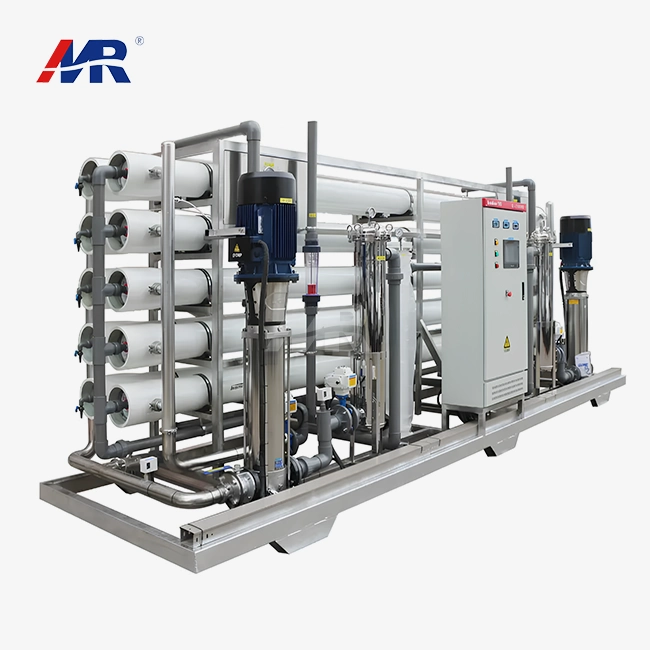
The MR-BWRO-50TH is a 2-stage reverse osmosis system for generation of potable water from brackish sources. Rated salt rejection is 99%, and recovery is 55-65%. Power usage is 55 kW. We create it as a turnkey skid and may add or delete pumps, instruments, controllers, pipe materials, and remote monitoring to fit your project. We also have Shimge pumps, Runxin valves, and Createc instruments, so component selection is still under one roof. We have our own membrane manufacturing and many equipment factories with 500 people, 20 engineers, and 14 branches.
Maintenance and Filter Replacement
Good maintenance includes well-maintained membranes and budgets. Operators are required to record feed pressure, differential pressure, permeate conductivity, product flow, and concentrate flow. Do not change filters depending on the calendar but according to the pressure decrease, operational hours, and feedwater quality. Free chlorine destroys polyamide membranes, and hence carbon filters must be changed in a timely manner. Warning signals include increasing permeate conductivity, decreasing flow, increasing pressure, frequent warnings, and vibration. Regular flushing, operator training, performance records, and a limited supply of crucial parts all help prevent downtime and speed up troubleshooting.
What to Request from a Supplier
Before buying any commercial 2 stage reverse osmosis system, ask for a P&ID, equipment datasheet, membrane and pump specifications, design feed assumptions, projected permeate quality, recovery data, installation requirements, warranty conditions, and commissioning tasks. OEM customers and distributors should also look at private-label choices, packaging, minimum order quantity, lead time, factory testing, and spare-filter supply. For U.S. projects, always check with us first to ensure local electrical requirements and paperwork. An early check prevents redesign after the skid ships.
Conclusion
RO performance depends on more than just the number of stages. A single-stage RO is good for steady feed water and modest quality objectives; a 2 stage reverse osmosis system is good for higher or fluctuating salinity and workshops that desire less reject water. Because supplier nomenclature varies, use a process flow diagram and documented recovery and permeate data to establish what a quotation contains. Recovery improvements must equal pretreatment, since cleaning demands increase with scale. Sizing is driven by peak demand, temperature, pressure, and power supply, and tougher targets may need EDI, UV, or further pretreatment. The MR-BWRO-50TH has 99% salt rejection and 55-65% recovery. This is an example of why specs need to match a water analysis.
FAQ
1. Is a 2-stage reverse osmosis system always better than a single-stage unit?
No. It helps when salinity is high or variable, or when cutting reject water matters. With stable, low-TDS feed and moderate targets, a single stage often costs less to buy and run. Your feedwater analysis decides.
2. Can a two-stage system treat well water?
Yes, if pretreatment matches the water. Hardness, iron, manganese, silica, and turbidity need control before the membranes. Without it, scaling and fouling cut output no matter how many stages you install.
3. How often should I replace filters?
Follow pressure drop, operating hours, feedwater quality, and manufacturer guidance instead of a fixed date. Rising differential pressure or chlorine breakthrough signals that replacement is due.
Talk to Morui About Your Workshop's RO Requirements
Share your feedwater analysis, target conductivity, hourly demand, and power standard with Morui, and our engineers will recommend a configuration, maintenance plan, and quotation. If you are comparing a 2 stage reverse osmosis system supplier, we also support OEM, private-label, and custom skid projects. Email benson@guangdongmorui.com to start your inquiry.
References
1.. U.S. Environmental Protection Agency, Secondary Drinking Water Regulations: Guidance for Nuisance Chemicals, 1992
2. Jane Kucera, Reverse Osmosis: Industrial Processes and Applications, 2015
3. Crittenden et al., MWH's Water Treatment: Principles and Design, 2012
4. Greenlee et al., Reverse Osmosis Desalination: Water Sources, Technology, and Today's Challenges (Water Research), 2009
5. NSF International, NSF/ANSI/CAN 61: Drinking Water System Components – Health Effects, 2023
6. Richard Baker, Membrane Technology and Applications, 2012
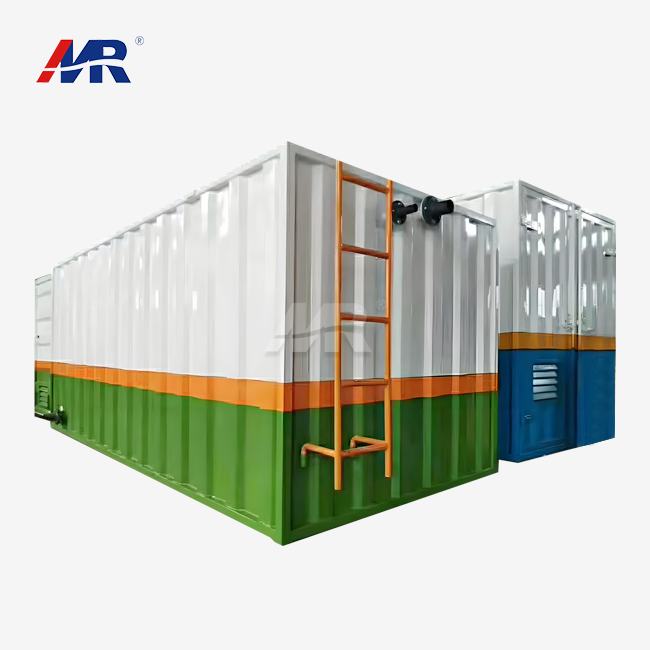 VIEW MOREindustrial sewage treatment plant
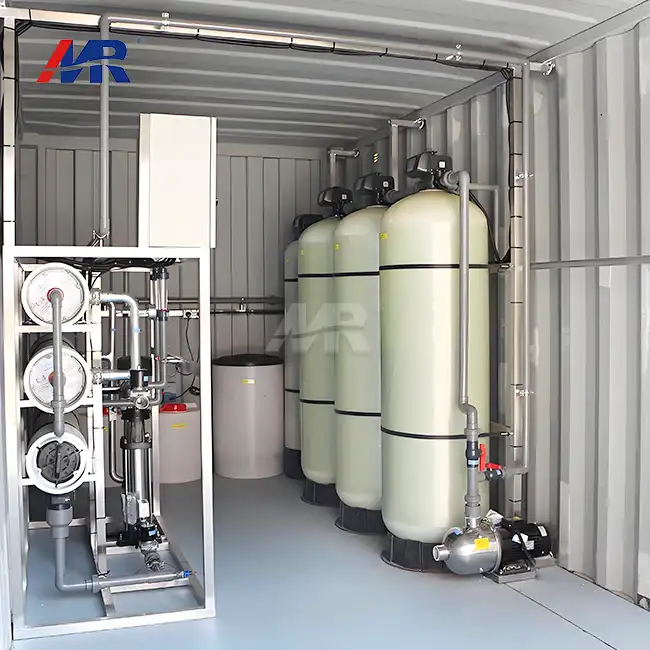 VIEW MOREcontainer ro equipment
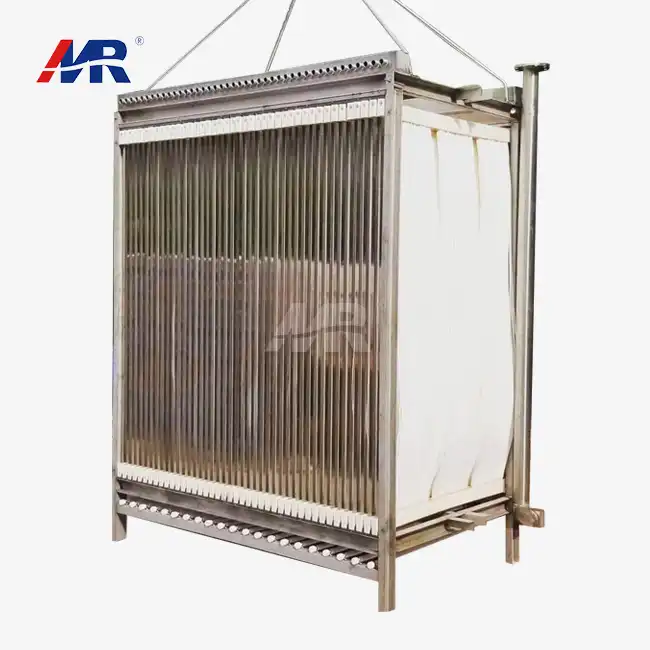 VIEW MOREmembrane bioreactor
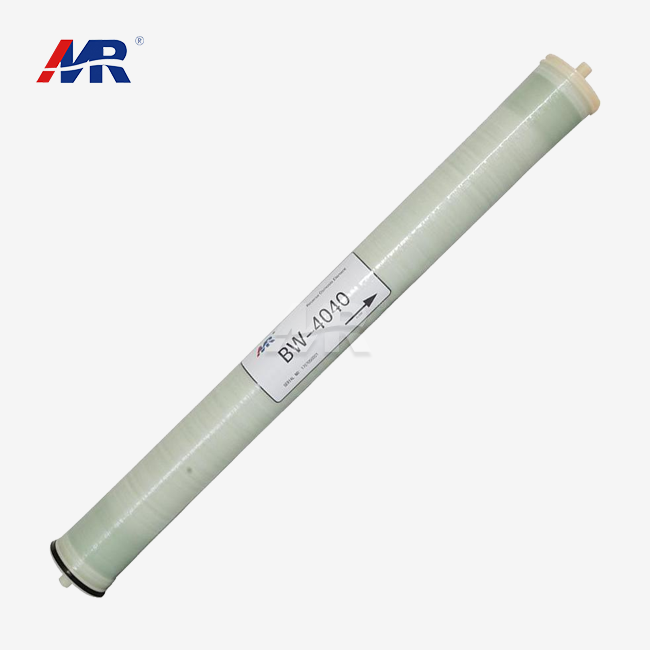 VIEW MORE4040 reverse osmosis membrane
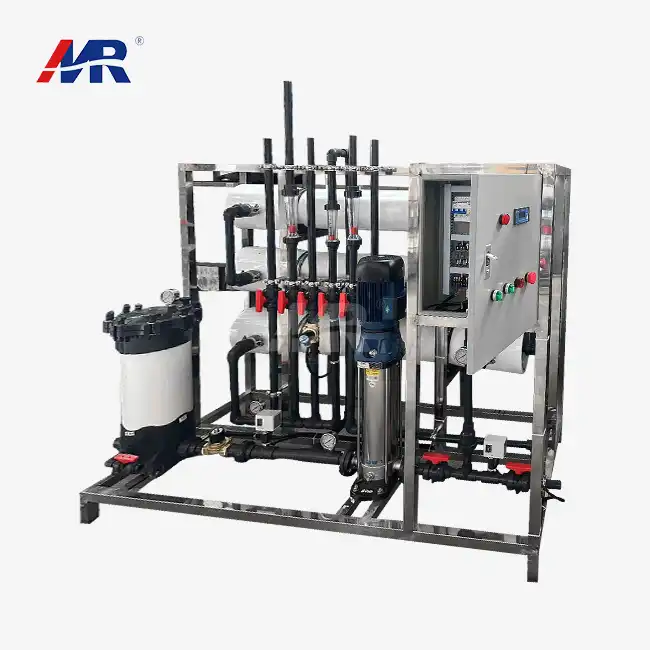 VIEW MORE3T/H reverse osmosis equipment
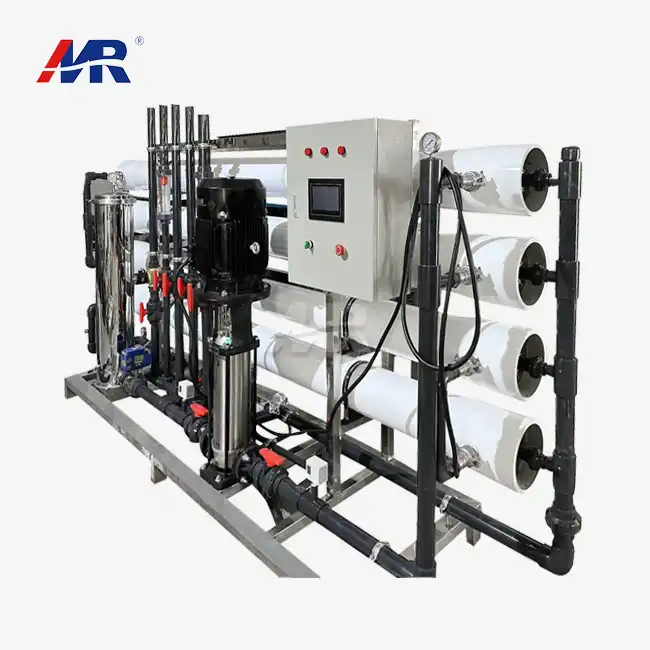 VIEW MORE12m3/hour reverse osmosis BWRO system
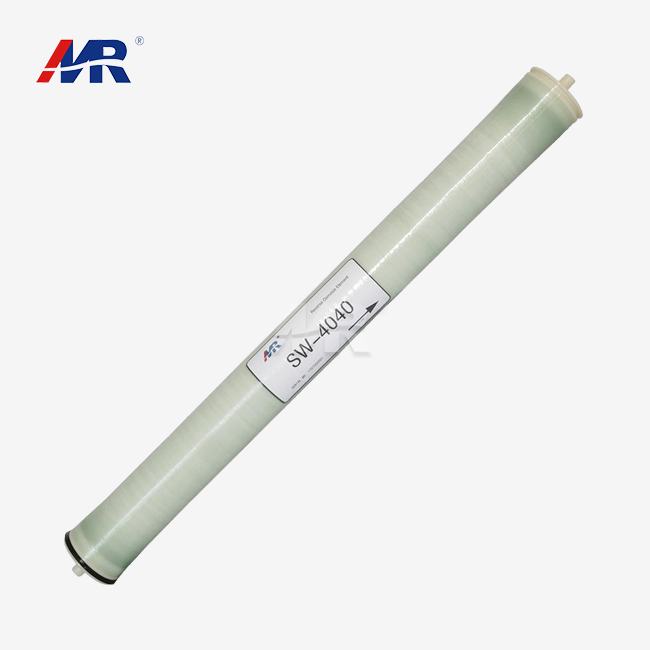 VIEW MORE4040 seawater reverse osmosis membrane
 VIEW MOREreverse osmosis water purification plant
