How Do DTRO Elements Work in Wastewater Treatment?
membrane">DTRO Elements work by forcing pretreated wastewater across flat membrane discs under high pressure. Water molecules pass through the membrane as permeate, while salts, dissolved organics, and many other contaminants stay behind in a concentrate stream. The discs sit inside a pressure tube with open flow channels, so the liquid moves quickly across the surface and carries away solids that would clog tighter designs. This makes disc tube reverse osmosis a practical choice for landfill leachate and other high-salinity, high-COD streams. Pretreatment, monitoring, and sound operating control still decide how well the system performs over time.
Why Difficult Wastewater Calls for Disc Tube Reverse Osmosis
Conditions That Overwhelm Standard Treatment
Many salts, ammonia, solids in suspension, and changes in pH can be found in industrial brines and leachate from dumps. A lot of the biodegradable load is removed by biological treatment. However, it can't get rid of dissolved salts or organics that don't break down. The small feed gaps in a traditional spiral wound RO can catch solids and get clogged up quickly if the feed is very dirty. Operators are under more stress because of strict limits on liquid discharge and goals for zero liquid discharge. In the US, buyers also want stable permeate quality, recovery that works, easy maintenance, clear paperwork, and a quick response from knowledgeable staff. DTRO was created to handle this type of landfill leachate for the first time.
What Is a DTRO Membrane Element?
Pressure is what makes disk tube reverse osmosis work. They are stacked on top of each other on a central tension rod that is locked inside a pressure tube. The rod is made of a central tension rod. Each cushion holds two membrane sheets together, and there is a drainage channel between them. The guide disks shape the feed path, and seals keep the feed from getting into the filtrate. The feed goes into the concentrate exit, over the disks, and then out. People use this stack, which can be changed, to talk about "DTRO Elements." Because it is in close contact with the wastewater, it is the most used part of the system.
Element Versus Complete System
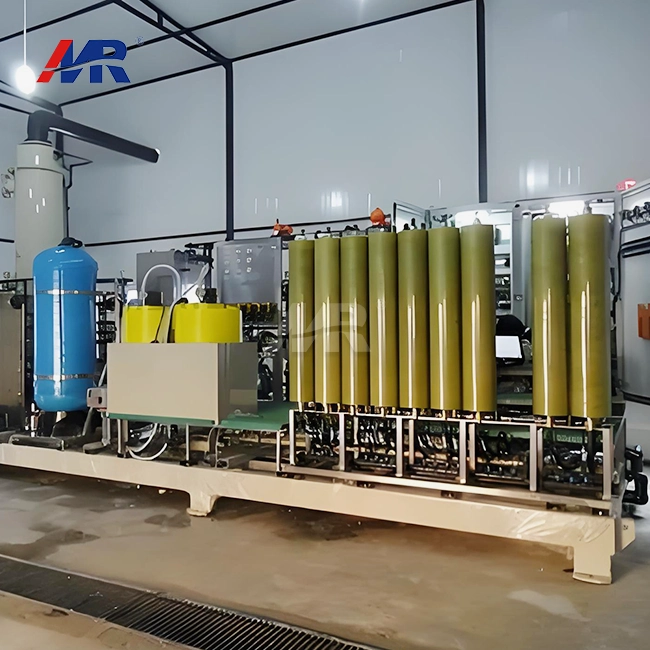
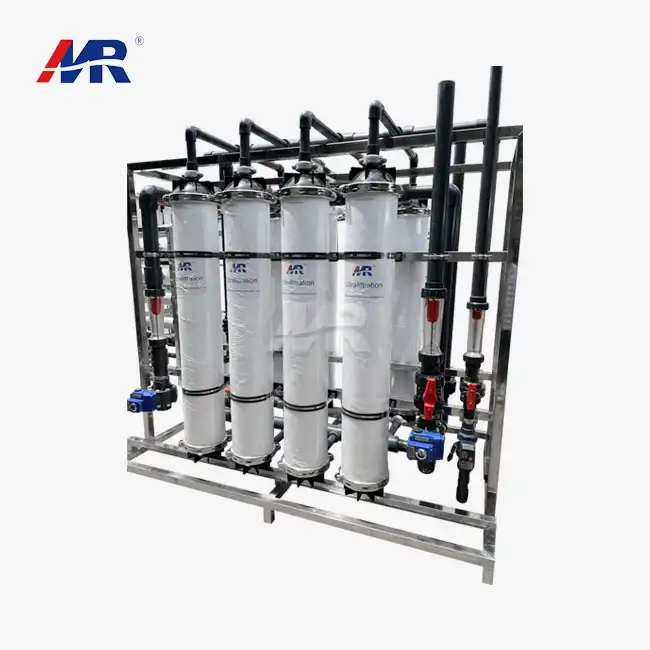
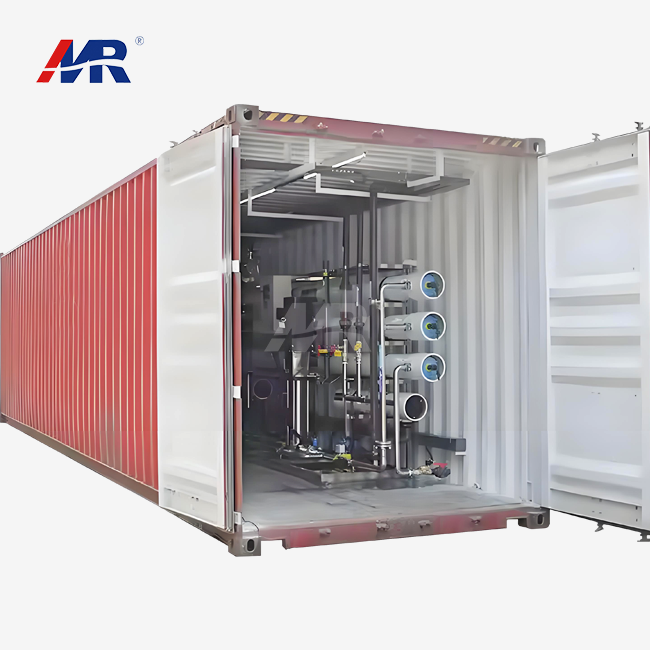
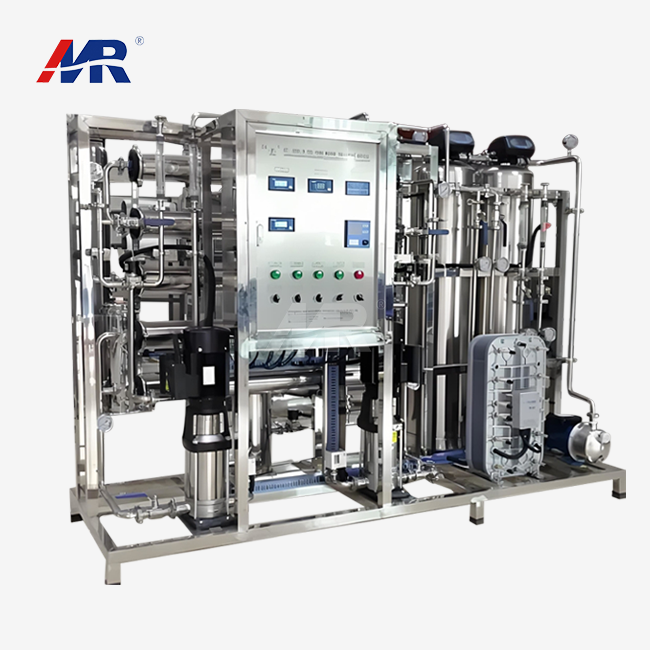
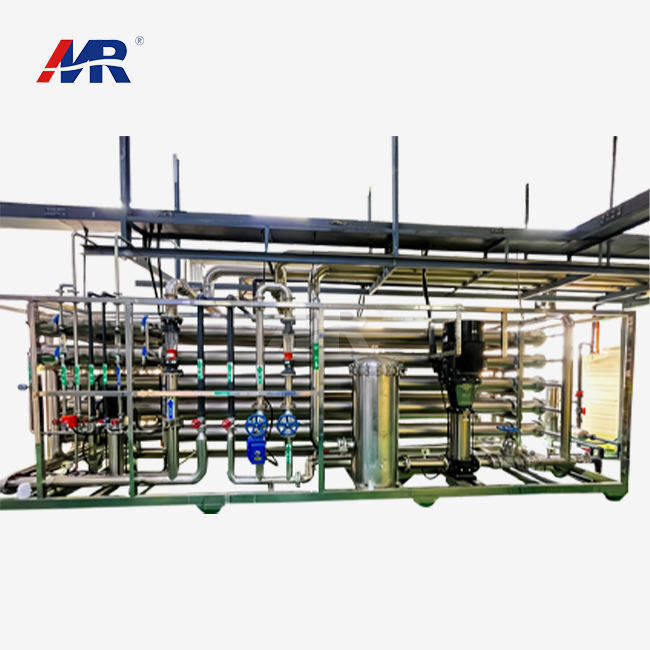
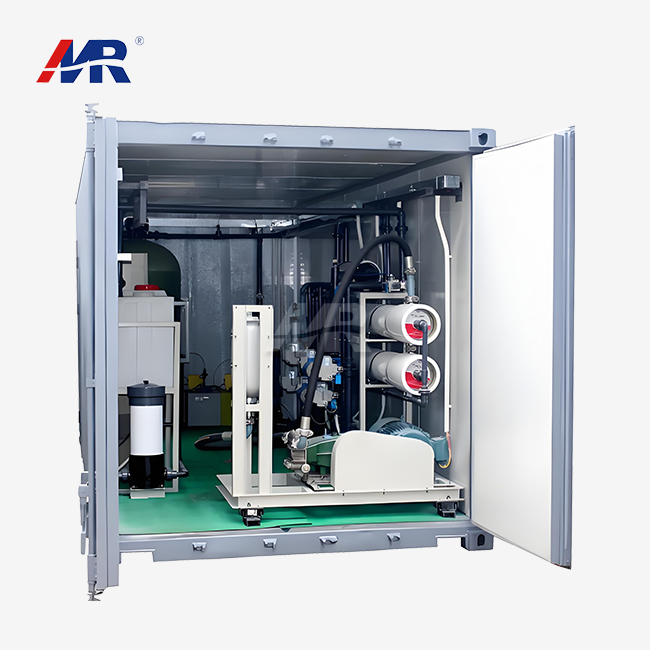
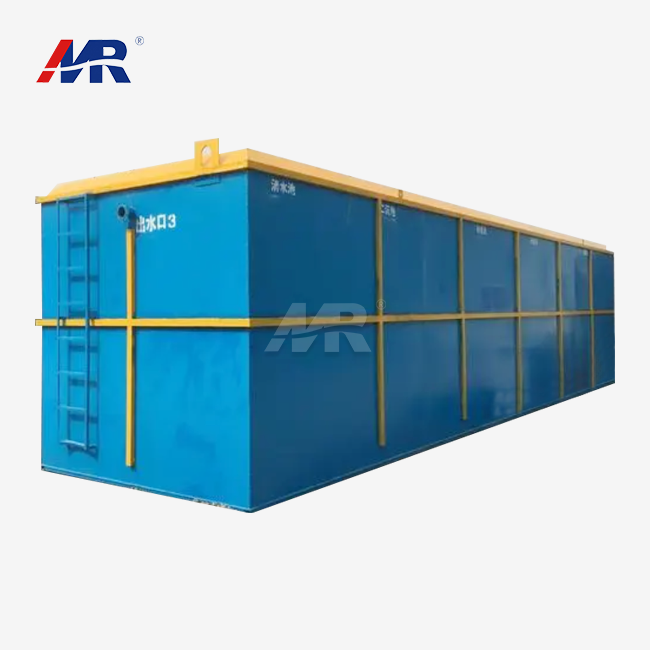
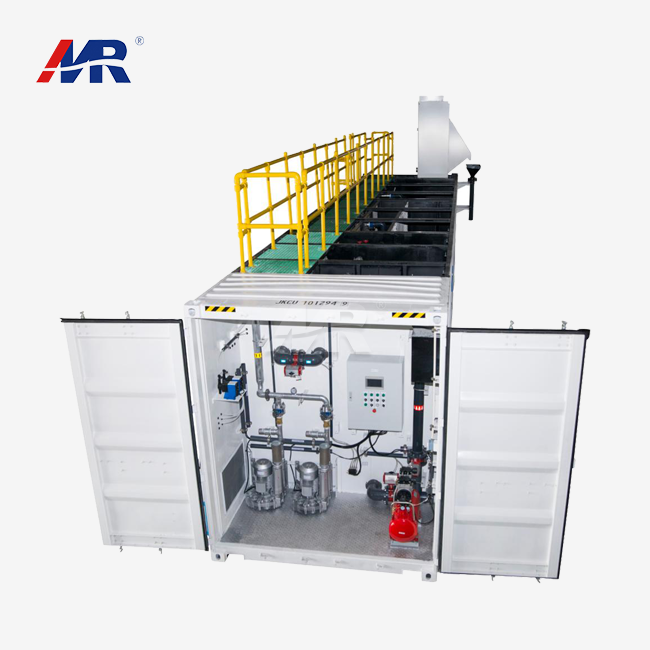
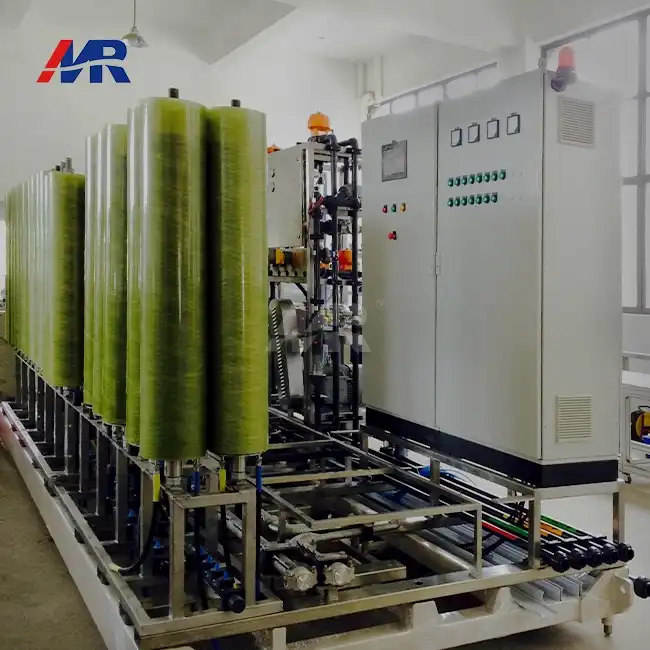
This is not the same as a plant that cleans. It generally needs to be pretreated, and the concentrate needs to be handled as well. There are instruments, pipes, controls, cleaning tools, a high-pressure pump, and a circulation pump in a full DTRO system. It is important to make sure that the supplier really does offer what you need before you buy. This could be single parts, replacement disks and seals, full skids, or custom OEM and retrofit packages. If you are not clear now, measurements and link details will not match up later. Morui has both core goods and containerized systems that come with preparation, a DTRO Elements core, and the ability to handle concentrates. Our own plant for making membranes backs up these systems.
How DTRO Elements Work Step by Step
From Feed Entry to Permeate and Concentrate
The first things that wastewater that has already been cleaned goes through are screens and cartridge filters. It is then moved into the pressure tube by a high-pressure pump. It goes through the spaces between the stacked disks there. Water moves through each membrane surface (the feed) and collects in the cushions before leaving through the permeate exit. As the feed moves, more and more concentrate comes out. This is made up of solids and salts that were rejected. The workers then either send the concentrate to be processed further, such as by evaporation or solidification, or they leave it at the spot to be handled further.
Pressure, Osmotic Pressure, and Recovery
This process can only happen when the feed pressure is greater than the osmotic pressure of the solution. To keep the pump going, osmotic pressure has to go up when TDS goes up. Recovery goes up, osmotic pressure goes up, and flux goes down. This makes the concentrate saltier. What the water is cold is also important because it is thicker and goes more slowly through the filter. How stable the membrane is and how likely it is to scale depend on the pH level. Concentration polarization is the name for the salty layer that shows up on the membrane's surface. It also affects the net force of pushing. Operators keep these things in check so that permeate goals can be met without going too far with the water chemistry.
Open Channels, Cross-Flow, and Fouling Limits
In DTRO Elements, the flow path is wide and open, so it goes quickly across the surface. Moving in that direction gets rid of dissolved solids and lowers polarization, which is good for sticky high-COD feeds. DTRO can still get dirty, though, because if it isn't taken care of properly, organic, biological, colloidal, and scaling deposits can form. It is safe for the membrane upstream to be used for screening, clearing, filtering, chemical conditioning, and pH control. There are red flags when the permeate flow slows down, the differential pressure rises, the permeate conductivity rises, and the energy use goes up. You can keep cleaning short and well if you notice these signs early. But each step of the cleaning process has to stick to the chemical and pressure limits set by the company that made the membrane.
Where DTRO Elements Are Used
Landfill Leachate and the MR-DTRO-40TD
Leachate has different amounts of COD, salt, TDS, and complicated organics based on the weather and how old the trash is. Our MR-DTRO-40TD was made to clean leachate from dumps. The recovery rate is 50–70%, and it needs 32 kW of power. The COD level that goes into it must be less than 25,000 mg/L. It can only work in a certain range with those numbers. If the feed has more COD than the maximum, it needs more preparation or a review of the design. A lot of different types of places are used for different things, like leachate treatment stations, waste-to-energy plants, landfill leachate systems, and transfer stations.
Role in ZLD Treatment Trains
In ZLD projects, DTRO is often used as a step to concentrate things before they evaporate or crystallize. When membrane separation is used instead of heat absorption, the evaporator can handle less load. This is because separating membranes typically takes less power. This is how wastewater from electroplating, chemical, or drug plants is put to use. If you want to treat waste before letting it go, you can use it as a first or second stage of concentration. DTRO is only one part of a longer process of treatment. The concentrate still needs to be thrown away or dealt with in some other way. First, tests must be done to see if the mining, power, food, and specific chemical sources can work together.
DTRO Elements vs. Spiral Wound RO
There are thin spacers in between the membrane sheets that are wound in a spiral around a core. They are smaller but have a bigger barrier area. They also cost less when the water is clean or well-treated. Disks with open channels are used in DTRO Elements. It is possible for these disks to handle higher levels of solids, COD, and salt, but each vessel usually has less membrane area. It's not always clear which style is better. It depends on the feed type, the temperature, the pressure, the recovery, the membrane area, and how many times it has been cleaned in the past. People who want to buy something shouldn't just look at the price. They should also compare the adjusted flow, rejection, pressure drop, cleaning regularity, and the total cost of ownership.
Selecting, Verifying, and Maintaining DTRO Elements
Data to Collect Before Choosing
To make a smart option, the first thing to undertake is comprehensive water research. Know the flow, TDS, conductivity, COD, ammonia, chloride, turbidity, hardness, scaling ions, pH, temperature, and quality of the feed you are trying to recover. Then look at the chemistry of the membrane, its working area, its pressure grade, how effectively it cleans, its size, and how it connects. Get test results, full drawings, warranty conditions, and post-sale service from the folks you purchase from. You can’t learn all you need to know from the unit pricing. But the lifetime cost, which takes into account the membrane’s lifetime, energy use, and cleaning performance, does.
Preparing an RFQ and Replacement Compatibility
The RFQ is straightforward, and it is quicker to acquire quotations. Include the wastewater type, the flow rate, the recovery objective, the system model, the element sizes, the membrane area, the operating pressure, the quantity, the delivery nation, the delivery timeline, and the paperwork to be done. It is crucial to be clear on whether you want original, compatible, or unique parts. Also be cautious with used or repaired pieces; they must fit and lock correctly. When you swap parts from one supplier to another, you may have to adjust how pressure, flow, heating, cleaning, and control is done. Buyers in the US generally request third-party energy statistics and sewage test findings. Put them at the top of your list of priorities.
Verifying Performance and Troubleshooting
The data obtained may be used for performance judgment. This comprises normalized permeate flow, salt rejection, permeate conductivity, recovery, feed and concentrate pressure, differential pressure, energy utilization, and frequency of filter cleaning. “Pilot testing is the way to go with ZLD integration, changing leachate, and large recovery goals.” Too little pressure, too much scaling, or insufficient temperature might mean the flow is slowing. That suggests either the shield or the membrane is shattered. Or there was a chemical assault. Differential pressure jumps often indicate blocked channels or insufficient pretreatment. Things typically fail before their time because of the way they are utilized. Compare with a standard average and test each vessel individually.
Conclusion
DTRO Elements take water out of salts and dissolved organics by forcing cleansed wastewater through stacked disks of membrane that have holes in them. The system, because of its design and cross-flow, can manage flows containing a lot of COD and salt, such as leachate from landfills. But you still have to filter, screen, monitor the pH, and clean extremely carefully. Recovery, pressure, temperature, and osmotic pressure of the system show the operation of the system. You should assess it with recorded data like normalized flow, refusal, and differential pressure. DTRO is superior to spiral wound RO when the feed is highly dirty. The spiral patterns look better with a clean feed. The selection should be made on real water analyzes, compatibility of equipment, and cost throughout the life of the system.
FAQ
1. What are DTRO Elements?
These are the stacks of flat membrane disks and guide disks that can be moved inside a DTRO pressure tube. When you put pressure on them, they separate water from salts and pollutants that have dissolved in it.
2. Can DTRO treat landfill leachate?
Yes. This technology was made to work with leachate. The MR-DTRO-40TD can handle COD levels below 25,000 mg/L and has a recovery rate of 50–70%. Each project is still based on the plan made before treatment and the results of the pilot.
3. What should I send for a quotation?
Please include your wastewater analysis, flow rate, recovery goal, design of the current system, element sizes, amount needed, delivery location, and any paperwork you need. This information helps the engineer make sure the parts will fit together well and choose the best ones.
Contact Morui for DTRO Elements Supplier Support
Is the flow going down or up in terms of conductivity? If you give Morui your data, it can tell you if it makes sense to delete or add something. We offer DTRO Elements and have our own factory that makes membranes. We offer OEM choices for the MR-DTRO-40TD, as well as pricing, paperwork, extra parts, and checks on the feedwater and pressure vessels. Follow this link or email benson@guangdongmorui.com to get a copy or price.
References
1. Landfill Leachate Treatment: Review and Opportunity, Journal of Hazardous Materials, 2008
2. Membrane Technology and Applications, Richard W. Baker, 2012
3. Basic Principles of Membrane Technology, Marcel Mulder, 1996
4. A Mini-Review on Membrane Fouling, Bioresource Technology, 2012
5. Wastewater Engineering: Treatment and Resource Recovery, Metcalf & Eddy, 2014
6. Principles of Water Treatment, Kerry J. Howe et al., 2012