



Reverse Osmosis Tank Installation: Key Factors for System Reliability
Proper installation of a reverse osmosis tank directly determines how well your entire RO system performs. An RO pressure tank is a hydro-pneumatic vessel that stores membrane-filtered water and delivers it on demand—without requiring the membrane to run continuously. When sized, pre-charged, and connected correctly, it prevents permeate backpressure, stabilizes output flow, and protects membrane life. Whether you are engineering a commercial drinking-water station, an industrial process-water line, or a food-grade purification system, getting the installation right from day one saves time, money, and maintenance headaches down the road.
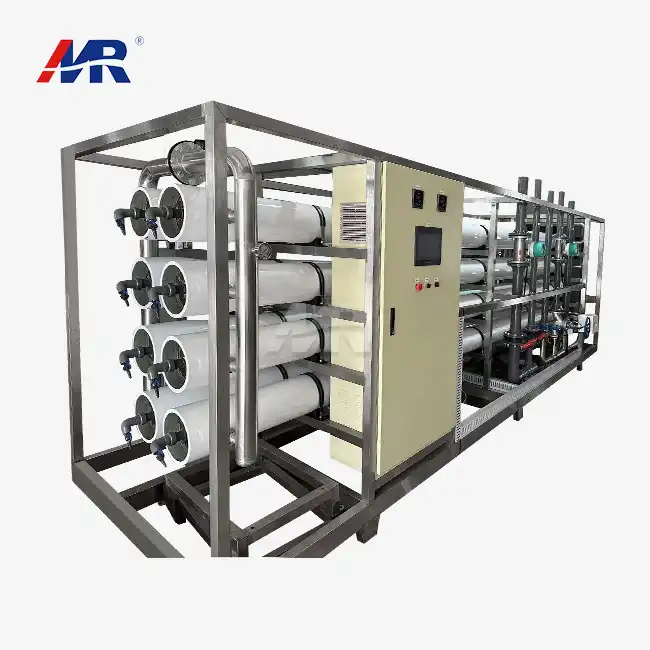
Understanding Reverse Osmosis Tanks and Their Function
What an RO Pressure Tank Actually Does
Depending on the size of the system, a standard ro membrane only makes 50 to 500 gallons of water per day. End users would have to wait minutes for each glass if there wasn't a way to store it. The RO storage tank fills in that gap by holding filtered permeate under pressure so it can be used right away at full flow rate. This gets rid of the need for the membrane to work all the time, which saves energy and keeps system parts from wearing out.
Internal Construction and Key Components
Professional tanks are made with more than one layer. High-grade carbon steel or stainless steel makes up the outside shell. There is a food-grade raw polypropylene (PP) liner inside that comes into direct contact with the water inside. There is a chlorobutyl or EPDM diaphragm between the water chamber and the air chamber that has already been charged. Some important technical specs are a maximum working pressure of 100 PSI and an air pre-charge of 5 to 7 PSI at the factory. NSF/ANSI 58 says that these materials must meet certain standards. These standards make sure that no chemicals or metals leak into the held fluid.
How Pressure Dynamics Affect System Performance
When the water room fills up, the pressure of the compressed air in the chamber next to it goes up. When the valve opens, that pressure pushes water to the tap. If the pre-charge pressure is too high, the tank doesn't hold as much water and needs to be refilled more often. If it's too low, water supply slows down and backpressure builds up on the barrier. So, one of the easiest ways to protect the membrane's health and keep output steady is to keep the air charge at the right level.
Key Factors to Consider During RO Tank Installation
Selecting the Right Tank Capacity
A lot of commercial installations go wrong when they try to choose the wrong capacity. If the tank isn't big enough for high demand, the RO membrane has to work almost all the time, which speeds up wear. When a tank is too big, it takes up too much floor space and lets water pool. A general rule is that the total volume of the tank should be at least two to three times the system's peak hourly draw rate. A tank that can hold 100 to 150 gallons of water is a good place to start for a hotel or food processing plant that needs to use 50 gallons of water per hour at peak.
Pre-Charge Pressure and System Pressure Balance
Before you connect any water lines for a reverse osmosis tank, use a standard tire gauge with the water side completely drained to check the air pre-charge. It is recommended to set the pre-charge to 5 to 7 PSI, which is about 60% of the system's inlet water pressure. This ratio protects the diaphragm and gets the most water into use each cycle.
Before turning on the system, engineers should do these important pressure checks:
- Verify the air pre-charge with the tank empty; adjust to the rated factory specification (typically 5–7 PSI for standard commercial units).
- Confirm inlet water pressure is within the tank's rated working pressure—never exceed 100 PSI maximum.
- Check the system shutoff valve setting to ensure the membrane stops production when the tank reaches 2/3 of feed pressure, preventing over-pressurization.
- Test for pressure drop across the tank's port fitting after the first fill cycle to confirm the diaphragm is seating correctly.
These checks stop the two most common problems that happen after installation: tanks that get wet and diaphragms that break too soon. It takes less than 30 minutes more to finish them before the full system startup, but it can save weeks of downtime.
Installation Placement and Connection Best Practices
Place the tank on a steady, level surface that can hold all of its weight in water. When full, this can be more than a few hundred pounds for commercial tanks made of stainless steel. To stop leaks, cover all threaded parts with food-grade PTFE tape. Be careful not to tighten too much, as this can damage the port body on the tank. Put in a separation valve right at the tank port so that the vessel can be fixed or changed without having to shut down the whole system. In places with a lot of humidity, it's best to keep the tank off of concrete floors with a bracket mount that won't rust.
Maintenance and Troubleshooting for Long-Term Reliability
Routine Maintenance Schedule
RO pressure tanks need to be checked on a regular basis to keep them clean and in good shape. You should use a clean, dedicated gauge every six months to check the air pre-charge pressure. Never use one that has been used for car or industrial pneumatics. Clean the water chamber once a year by running a food-grade hydrogen peroxide solution through the system according to the manufacturer's instructions. Sanitization every three months is the standard in the food, beverage, and pharmaceutical industries.
Recognizing Early Warning Signs
Finding speed problems early on saves money on fixes. Keep an eye out for these signs:
- Slow refill after the first draw — often signals a depleted air pre-charge or a fatigued diaphragm.
- Continuous RO system run time — the membrane never shuts off, indicating the tank is not holding pressure.
- Metallic taste or odor in dispensed water — points to liner degradation or corrosion on an unlined carbon steel shell.
- Water weeping from the air valve — confirms diaphragm failure; the tank requires replacement, not repair.
Water leaking from the air valve confirms that the diaphragm has failed; the tank needs to be replaced, not fixed.
Diaphragm Lifespan and Replacement Planning
Under normal commercial loads, a good chlorobutyl diaphragm in a reverse osmosis tank system that is well taken care of will last 5 to 10 years. It won't last as long if you run it above its rated pressure, let the tank cycle dry over and over, or put it in chlorinated water without a carbon pre-filter. Include checking the diaphragm in your yearly repair plan, and keep an extra tank on hand for installs that are very important to the business.
Comparative Insights: Choosing the Right RO Tank for Your Application
Material Selection: Stainless Steel vs. Carbon Steel vs. Composite
The environment and chemistry of the water should be taken into account when choosing materials. Stainless steel tanks cost more up front, but they last longer and don't rust as easily in humid industrial areas. They also need less upkeep on the outside. Carbon steel tanks with PP liners work well in controlled indoor settings where there isn't much moisture outside and saving money is important. Composite or fiberglass vessels are lighter and work well for RO packages that need to be moved around or placed on a skid where weight is an issue.
Matching Tank Specifications to System Requirements
There are different needs for each RO system. For a lab water system, you need food-grade materials that are NSF-certified and a smaller drawdown volume. On the other hand, tanks that can handle more than 80 PSI and large-diameter port hookups may be needed for boiler feed or process water. Before you buy, you should make sure you know the maximum operating temperature, connection size (1/4" JG fitting for residential use vs. larger NPT sizes for industrial use), and whether the unit comes with paperwork like an NSF/ANSI 58 or a pressure vessel test certificate.
Total Cost of Ownership vs. Initial Unit Price
Total cost of ownership gives a fuller picture than unit price, which is what procurement teams usually look at. In five years, a cheaper tank that doesn't come with spare diaphragms, doesn't have full technical documentation, and doesn't have standard fittings can cost more in downtime and replacement labor than a mid-range tank from a supplier that does offer full technical documentation, consistent production capacity, and reliable delivery schedules.
Why Source Your RO Tanks from Morui?
Guangdong Morui Environmental Technology Co., Ltd. is a full-service water treatment company with more than 500 employees, 20 engineers, and a number of places where equipment is processed. We sell RO pressure tanks for use in businesses, factories, and schools, and we help buyers with technical information, customization options, and pressure certificates that have been checked by the factory.
Our tanks are made with materials that meet NSF/ANSI 58 standards. They have food-grade PP bottoms and come with test records from the plant with every shipment. We also keep suitable parts in stock, like Shimge water pumps, Runxin control valves, and Createc instruments, so buying teams can get a system that fits perfectly from a single source. We can produce and package goods for export, so it doesn't matter if you need a single unit for a test project or a lot of them for a regional delivery network.
We back up every tank with engineering advice, pressure tests before shipping, and full support after the sale. Before production starts, Our Team works directly with water treatment experts, EPC project managers, and OEM buyers to make sure that all the requirements are met. This way, there is less chance of having to make expensive changes during installation.
Conclusion
It takes more than just connecting a vessel to a pipe to properly set up a reverse osmosis tank. System reliability is affected by many things, such as the size of the capacity, the calibration of the air pre-charge, the choice of materials, and a structured maintenance plan. When these things match up with your system's operating pressure, flow needs, and application standards, you get consistent water delivery, membrane protection, and longer asset life. The best way to protect your investment is to take the time to check the specifications before installation and work with a supplier who offers documentation and Technical support.
FAQ
1. What pre-charge pressure should an RO tank have before installation?
This number should be about 60% of the water pressure coming into the system. Always check the pressure and make any necessary changes before the first fill run.
2. How often should a commercial RO storage tank be sanitized?
Sanitize every 12 months in normal business settings. A food-grade sanitizing agent should be used every three to six months in places that process food, make medicines, or provide medical care.
3. What causes a reverse osmosis tank to stop pressurizing water?
A low air pre-charge, a ruptured diaphragm, or a tank that is too small and can't handle high demand are the most typical reasons. First, check the air pressure.
4. Can RO tanks be used in outdoor or high-humidity environments?
Tanks made of stainless steel that have been coated to protect them can handle some exposure to the outdoors. Standard carbon steel shells need to be installed indoors or in a protective housing to keep them from rusting when they are outside.
Connect with Morui for Custom RO Tank Solutions
Morui is a verified reverse osmosis tank maker that builds solutions to meet the needs of businesses and industries. Our research team looks at what your system needs and suggests tank types with pressure ratings, liner materials, and port configurations that are a good fit. To get a detailed price or product catalog that fits the needs of your project, email us at benson@guangdongmorui.com.
References
1. American Water Works Association (AWWA). Water Treatment Plant Design. 5th ed., McGraw-Hill, 2012.
2. NSF International. NSF/ANSI 58: Reverse Osmosis Drinking Water Treatment Systems. NSF International, 2021.
3. Crittenden, J. C., et al. MWH's Water Treatment: Principles and Design. 3rd ed., John Wiley & Sons, 2012.
4. Metcalf & Eddy. Water Reuse: Issues, Technologies, and Applications. McGraw-Hill, 2007.
5. Water Reuse Association. Reverse Osmosis and Nanofiltration Manual of Water Supply Practices. American Water Works Association, 2018.
6. Kucera, Jane. Reverse Osmosis: Industrial Processes and Applications. 2nd ed., Scrivener Publishing / Wiley, 2015.
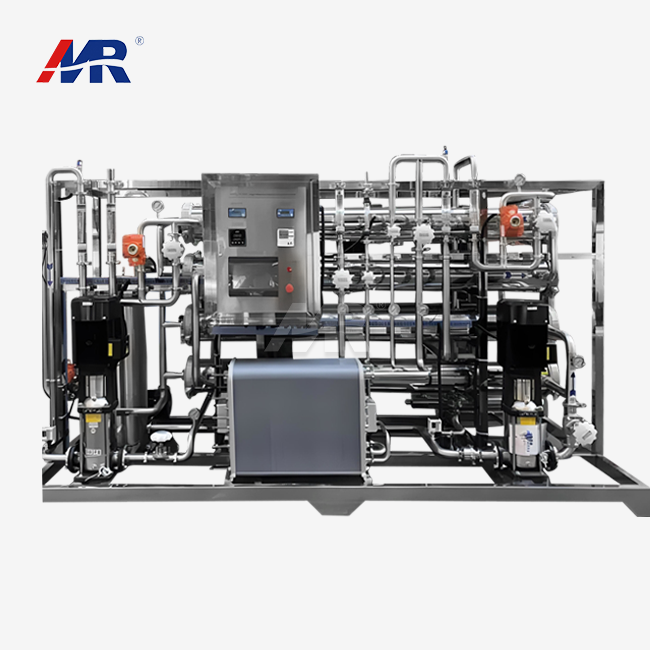 VIEW MOREelectro deionizer system
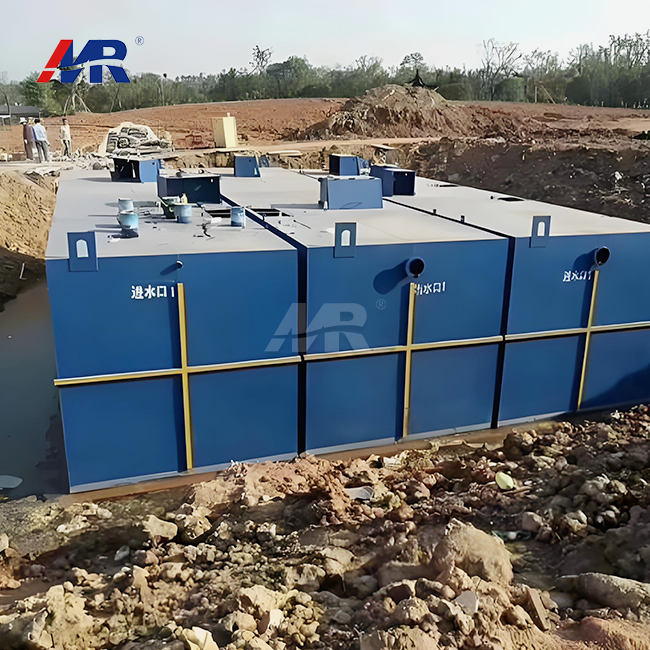 VIEW MOREwastewater treatment plant units
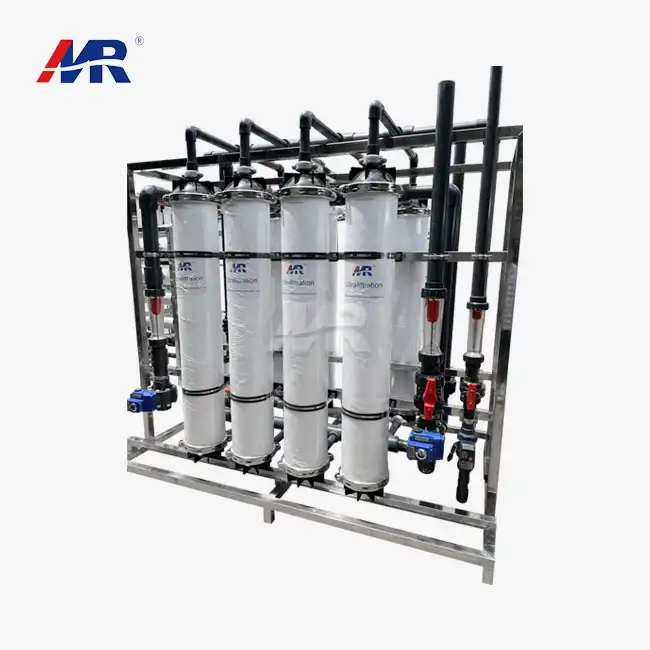 VIEW MORE15T/H ultrafiltration system
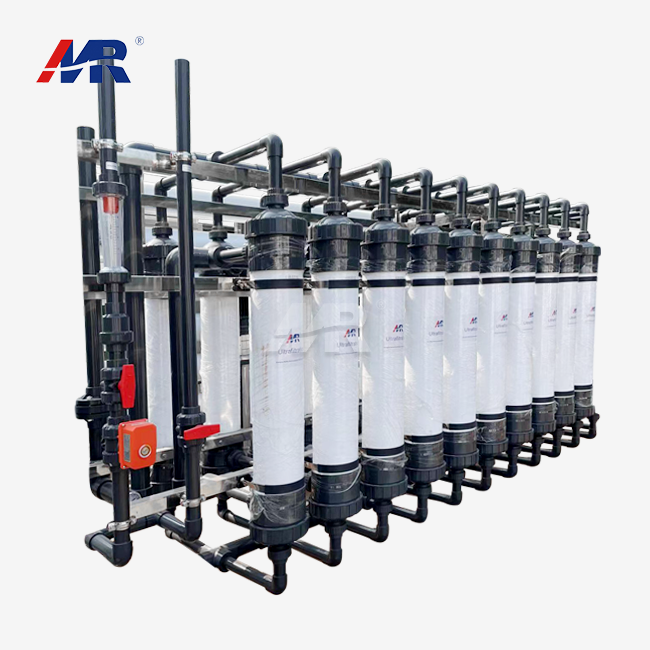 VIEW MOREultrafiltration drinking water system
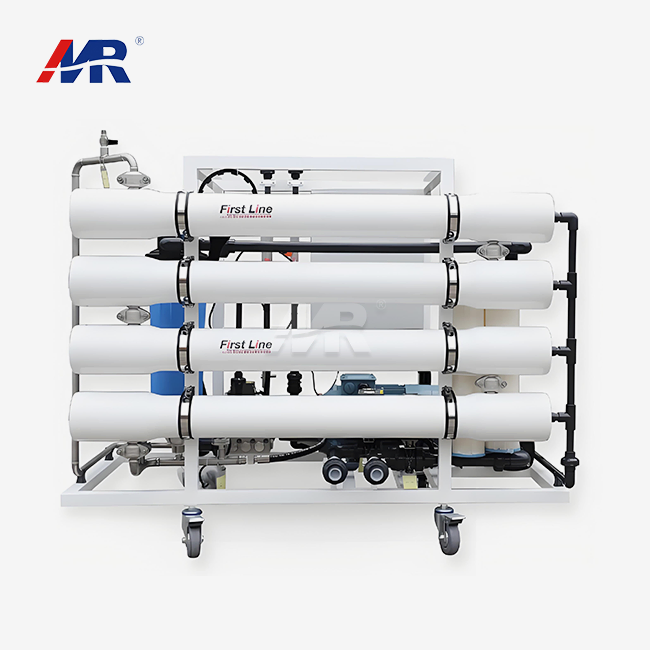 VIEW MOREseawater desalination equipment
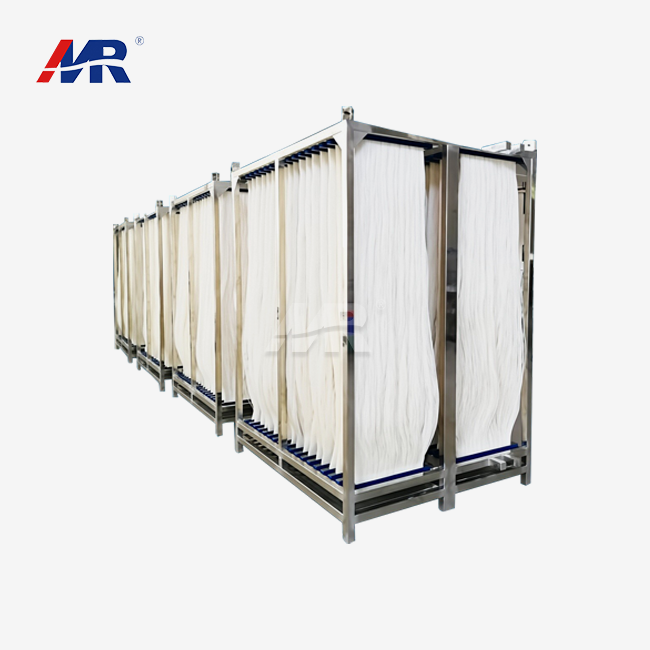 VIEW MOREbioreactor wastewater treatment
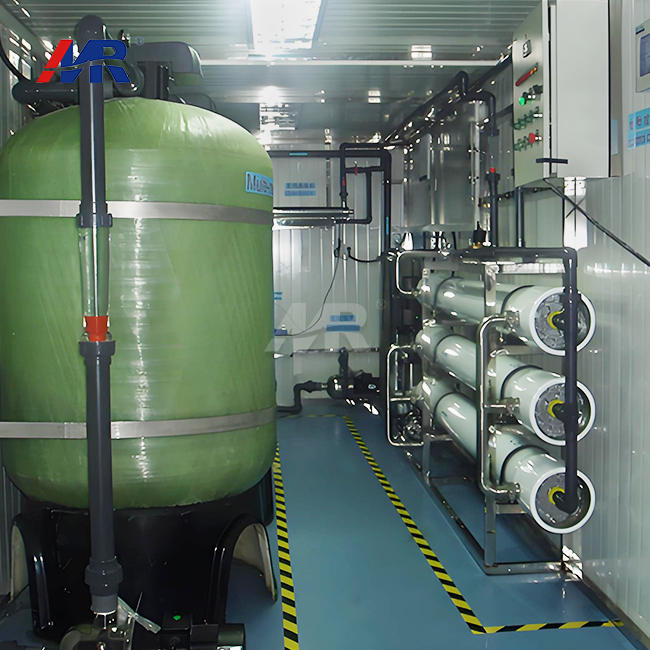 VIEW MOREContainerized Mobile Water Treatment Systems
 VIEW MOREDTRO Elements