Water Softener and Reverse Osmosis System Procurement Checklist
If you're sourcing treatment equipment for your facility, brand, or distribution channel, having a clear procurement checklist saves time and prevents costly mistakes. A well-specified water softener and reverse osmosis system addresses two separate water quality problems at once: mineral hardness that damages equipment and dissolved contaminants that affect taste, safety, and process consistency. This guide walks through everything a B2B buyer needs to confirm before placing an order, from technical specs to supplier vetting, so you can make a confident, well-documented purchasing decision.
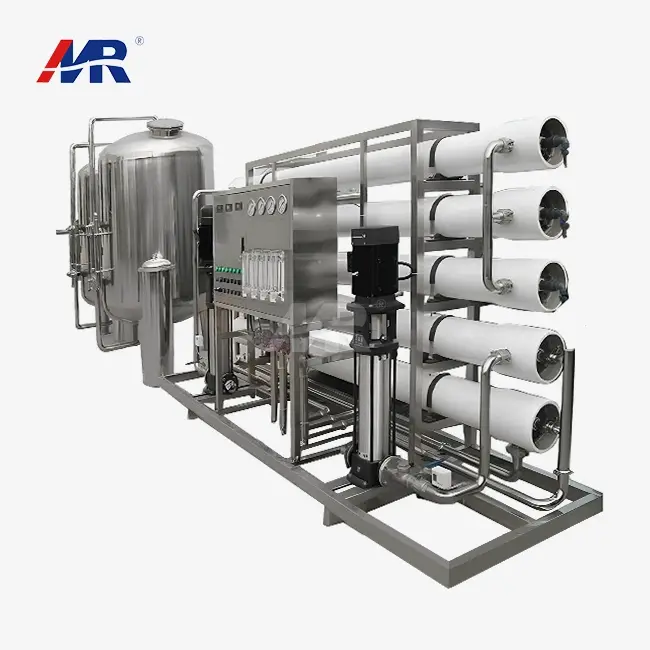
Understanding Water Softener and Reverse Osmosis Systems
Before you compare Products, you should know what each technology does and where it works best with the others.
How Water Softeners Work
This machine changes the salt and potassium ions in water to calcium and magnesium ions. Water gets hard because of these ions. Scale doesn't build up in pipes, boilers, hot water systems, or the parts of appliances that heat up this way. Things that are used with water that is hard (more than 7 grains per gallon) can lose up to 30% of their value over time. Softeners are a quick and low-cost fix for that.
How Reverse Osmosis Membranes Work
An RO filter that is only 0.0001 microns thick can get rid of up to 99% of heavy metals, bacteria, fluoride, and TDS. People worry about their health when they drink the very pure permeate water that comes out of the membrane. It tastes bad and is a little acidic because it doesn't have any minerals in it.
Why Combining Both Technologies Makes Sense
CaCO3 scaling is a main reason why ro membranes fail too soon, so it's important to put a softener in front of them to protect them. After RO, adding an alkaline or remineralizing filter changes the pH and brings back minerals that are good for you. This cleans and improves the taste of the water. These two stages will work best for boiler workers who need consistent quality output, coffee and tea chains, and water brands.
Key Procurement Criteria for Water Softener and Reverse Osmosis Systems
Before you ask for quotes, make sure the specs are right. This will save you time and keep the tools from being wrong.
Source Water Assessment
First, get a full water study report that shows the hardness (in GPG or mg/L as CaCO₃), pH, TDS, iron level, chlorine level, and bacterial load. Most water used for drinking in the US has a TDS of 200 to 400 mg/L. Well water and industrial feed water, on the other hand, can have very different amounts. What you say about the study has a direct effect on how much softener resin can be used, which membrane is picked, and what mineral formula is used after the treatment.
Performance and Flow Capacity
Match the output of your system to the time of day when it's needed the most. It is important to ask about the softener's salt efficiency, the membrane rejection rate (%), the filtrate recovery ratio, and the flow rate (GPM or GPD). At gas stations and fast food chains, make sure the output isn't too low by checking the pressure drop across the whole system.
Certification and Compliance Requirements
NSF/ANSI Standard 44 covers ion-exchange water softeners in the US market, and NSF/ANSI Standard 58 covers RO systems for drinking water in the same market for a water softener and reverse osmosis system. Mineral filters, or filters that add minerals back to the water, should be allowed by NSF/ANSI 42 or 61 after RO. This means that food and water can be touched without harm. Getting the WQA Gold Seal is extra proof from a third party. You need these licenses to use them in OEM brands, food service, and stores.
Comparison of Water Softener and Reverse Osmosis System Options
You can set up your app in a way that works best for you without spending too much or too little. Learn about your choices.
Standalone Softener vs. Standalone RO System
When the only goal is to stop scale from building up, a stand-alone cleaner works best in boilers, cooling towers, and laundry machines. It works best when getting rid of contaminants is the most important thing and the water isn't too hard to begin with. Because neither option can solve the problems on its own, most major buying projects in the food service, drinking water, and OEM filter-making industries choose a mix of the two.
Integrated Combo Systems and Hybrid Designs
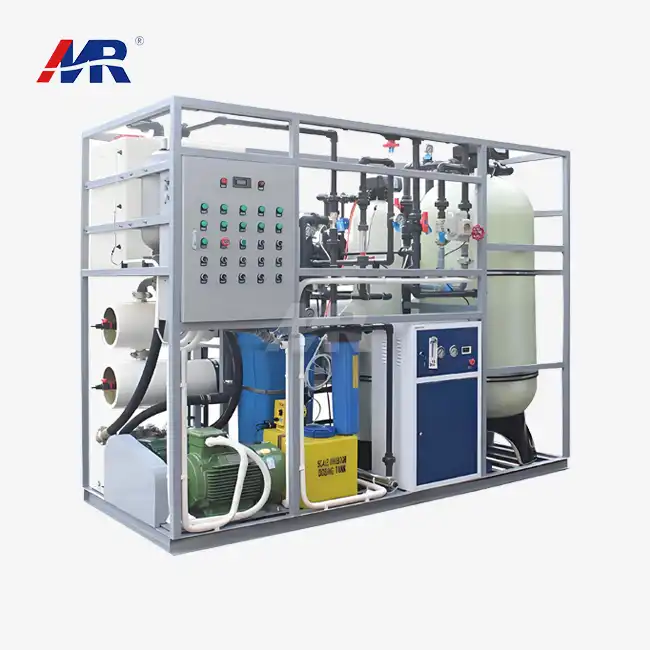
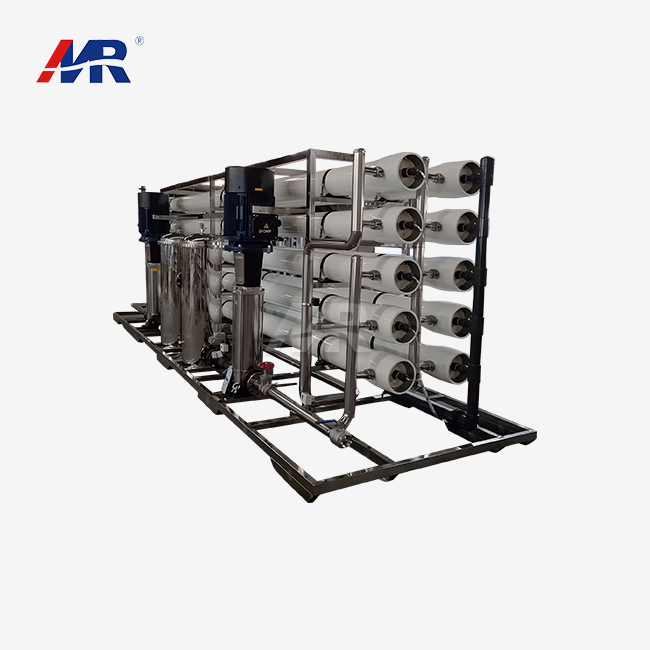
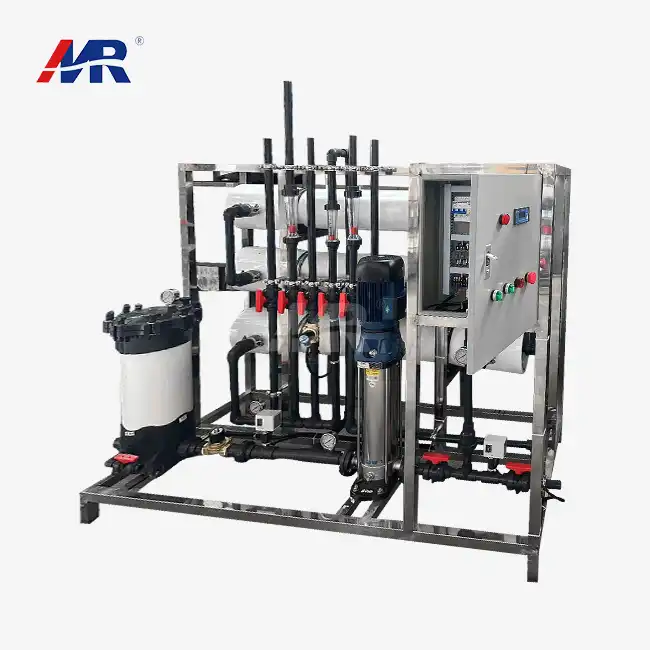
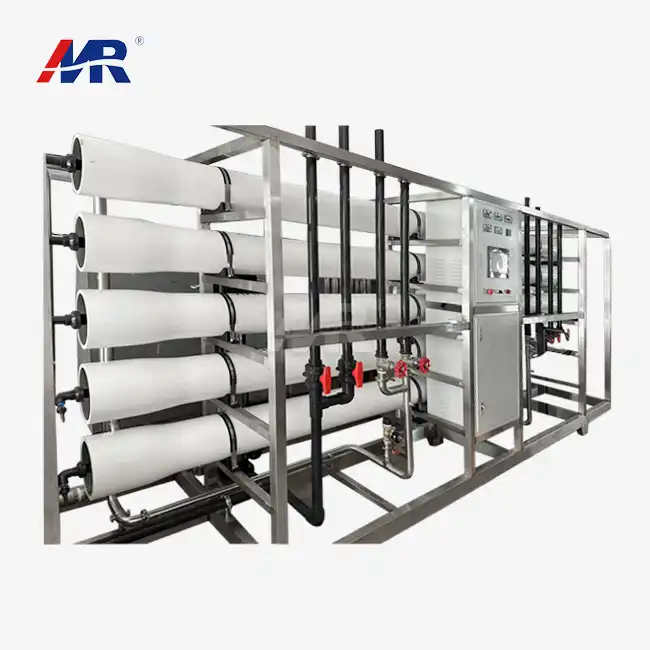
It's easier to install and faster to get the system up and running when the frame holds both a water softener and a RO system. It also takes up less space. With a modular design, you can add more room without having to buy a whole new machine. Some makers are now putting smart flow sensors and TDS monitors inside the shell. People won't have to switch between tools to get up-to-date information this way. It lowers operational risk, which is good for people who are in charge of more than one site.
Post-RO Remineralizing Cartridges as a Value-Add Step
More and more post-RO mineral tubes are being sold because they fix the problem of "flat water" that comes with normal RO output. The most important things to look at when comparing are the rate of mineral release, the life of the cartridge, and the TDS target at the outlet. A private-label remineralizing cartridge with a controlled mineral mix is more than just an extra for OEM filter brands. They can use it to make their goods stand out. This group of buyers also looks at lab studies and secret taste test results to find out how good the water is.
Trusted Brands and Suppliers for Procurement
Choosing the right supplier for your business is very important because it can make or break the project. Price alone isn't enough right now.
What to Look for in a Supplier
Don't just look at the spec sheets. Get test results from companies that have had their water quality checked by a third party. Some of the parts that need to be changed often are the mineral cartridges, the glue, and the membrane housings. Make sure the seller keeps them. It is important to know how long it takes to get standard SKUs compared to custom or OEM runs. They are more likely to be able to do a good job with both of these tracks if the suppliers make them clear.
OEM and Private-Label Capability
OEM skills are just as important for a purifier brand or outlet for supplies as good items. A good source for a water softener and reverse osmosis system can change the minerals in the cartridge, how fast they are released, and how the cartridge looks to meet the water quality goals of your brand. You should ask them if they can make small samples, give you exclusive formulas with NDA protection, and make a composite cartridge design that works with the way your machine is already set up.
Morui as a Supplier Option
Guangdong Morui Environmental Technology Co., Ltd. plans and builds tools for remineralization and RO. These tools make water clean and safe to use. In Morui's own factory that makes membranes, more than 500 people work hard. The products used have been approved by the NSF and are safe to touch water. With every order, it also sends test results on the water for free. It is also okay for Morui to sell Shimge Water Pumps, Runxin Valves, and Createc Instruments. Important parts of the system don't come from subcontractors that not many people know about. Instead, they come from big, trusted brands.
Installation, Operation, and Long-Term Management
Anything you choose won't work well if it's not set up correctly and isn't checked and fixed often.
Installation Planning Checklist
Before the tools get to your spot, make sure the following are true:
- Incoming water pressure: RO filters need a feed pressure of at least 40 to 60 PSI; That is not enough water for you. You should add a booster pump to the list.
- Drain and brine line routing: So that ion-exchange softeners can backwash, the drain and brine lines need to be set up in a certain way. The lines must also be able to fit through the brine tank.
- Pre-filter stages: Because of the silt and carbon pre-filters, particles and chlorine can't hurt the RO membrane or the softener resin.
- Electrical requirements: It's important that the voltage is the same across all of the tracking screens, control valves, and extra pumps.
Before they get there, these four things should be checked to make sure the work doesn't get held up, which can cost money and cause problems.
Routine Maintenance Schedule
As long as the system is in use and fixed regularly, the quality of the treated water will always meet the standards. Plans for resin renewal should not be based on how the timer is usually set, but on how hard the water really is. If the feed water is good and the system is under a lot of stress, the RO membranes should be changed every two to five years. Change the mineral cartridges as often or as much as the manufacturer tells you to after RO. Write down the date and time of each replacement along with a reading of the water quality to get a baseline of how well it worked. Keep this paper trail because it will help you file an insurance claim if the quality of the output drops quickly.
When to Upgrade or Expand Capacity
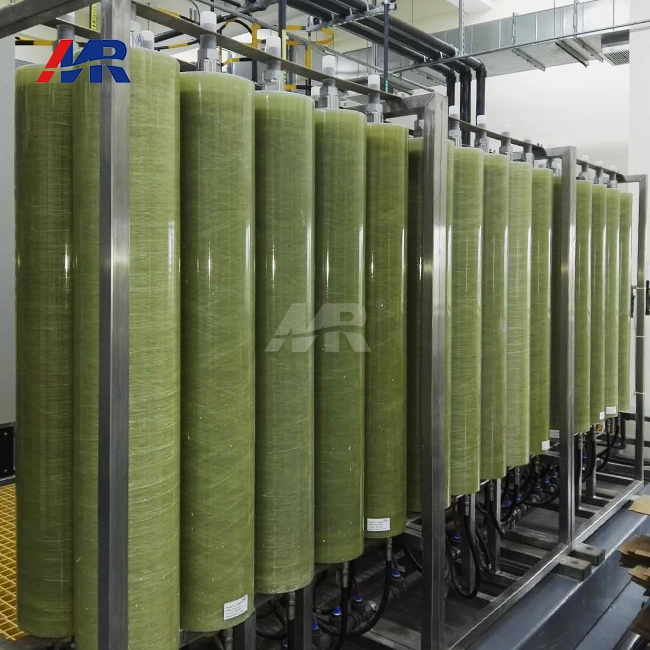
The daily permeate volume needs to be more than 80% of the rated output, the TDS rejection needs to be above your goal level, or new rules for your water quality category go into effect. This means you need to add more space. This kind of setup doesn't need a new frame when you want to add membrane layers or softener resin tanks. In other words, the update costs a lot less than buying a new computer.
Conclusion
You should look at more than just unit prices to find the best water treatment system. It depends on information about the source water, flow rates, license compliance, and the long-term prices of the goods. A water softener and reverse osmosis system method with softening, RO, and a mineral stage after treatment is the most common way that this type of method is used in B2B. You can use this to make OEM filters, keep boiler scale from building up, and do food service in an industrial setting. Check off everything on this list before you sign the order. This will protect your money and business.
Frequently Asked Questions
1. Do I need a water softener before an RO system?
If the water is harder than 7 GPG, put a softener in front of the RO membrane. This will keep calcium carbonate scale from building up on it and make it last a lot longer. With this full water study, you can find out if the water that comes from your well is already soft or low in hardness. If it is, you can skip this step.
2. What certifications should a post-RO mineral cartridge carry?
Before they can be used with drinking water in the US, all parts that come in contact with water need to be approved by either NSF/ANSI 42 or NSF/ANSI 61. People who eat out and shop need these rules to make sure that things don't leak chemicals into clean water that are bad for them.
3. Can I private-label a remineralizing cartridge with a custom mineral formula?
Those who can do OEM work can change how the cartridge looks, how fast it releases, and what kinds of materials are used. To make a lot of something, ask for a small sample order and a report on how good the water is that goes with it.
4. How often should RO membranes be replaced?
There is no set amount of time that a membrane will last. It depends on the quality of the feed water, the daily flow rate, and how well the pre-treatment worked. The best way to tell if a membrane needs to be changed is to look at the exit TDS rejection rate.
Partner with Morui for Your Next Water Treatment System Order
Businesses and industrial water softener brands from all over the US can get the help they need from Morui for their water softener and reverse osmosis system needs. Our plant follows water-contact standards set by the NSF, and each order comes with a report on how well the water was cleaned. Our engineering team can help you with your project from the test phase all the way through full production, whether you need standard cartridge stock or a private-label mineral formula with NDA terms. To get a price or product information, email us at benson@guangdongmorui.com right now.
References
1. Water Quality Association. WQA Technical Fact Sheet: Reverse Osmosis. WQA, 2022.
2. NSF International. NSF/ANSI 58: Reverse Osmosis Drinking Water Treatment Systems. NSF International, 2021.
3. NSF International. NSF/ANSI 44: Residential Cation Exchange Water Softeners. NSF International, 2020.
4. Crittenden, J. C., et al. MWH's Water Treatment: Principles and Design. Wiley, 2012.
5. Metcalf & Eddy. Water Reuse: Issues, Technologies, and Applications. McGraw-Hill, 2007.
6. American Water Works Association. Reverse Osmosis and Nanofiltration: AWWA Manual M46. AWWA, 2021.