


How Does bioreactor wastewater treatment Work?
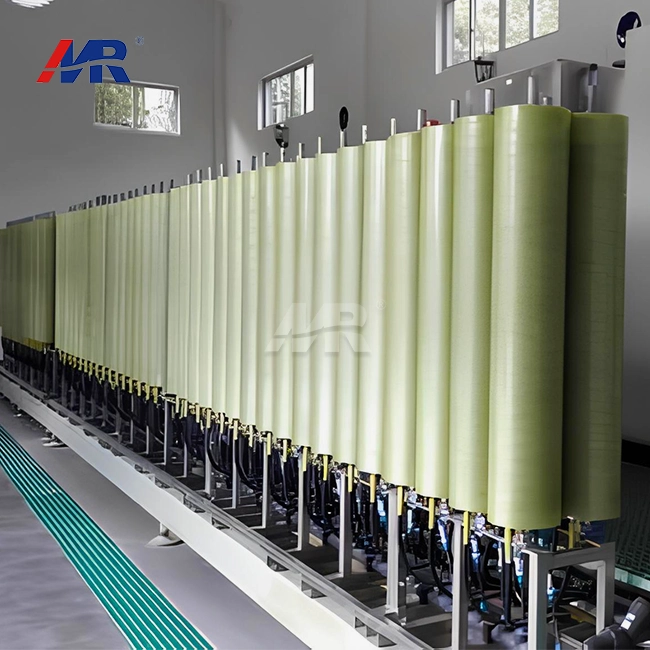
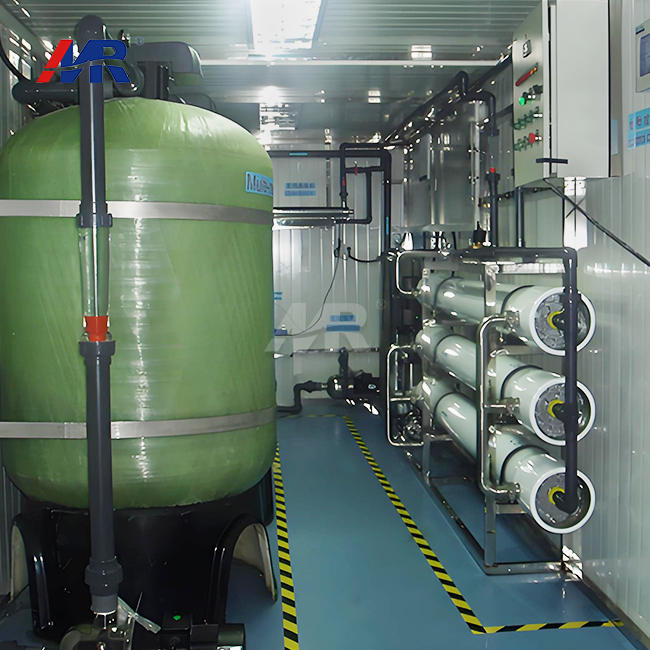
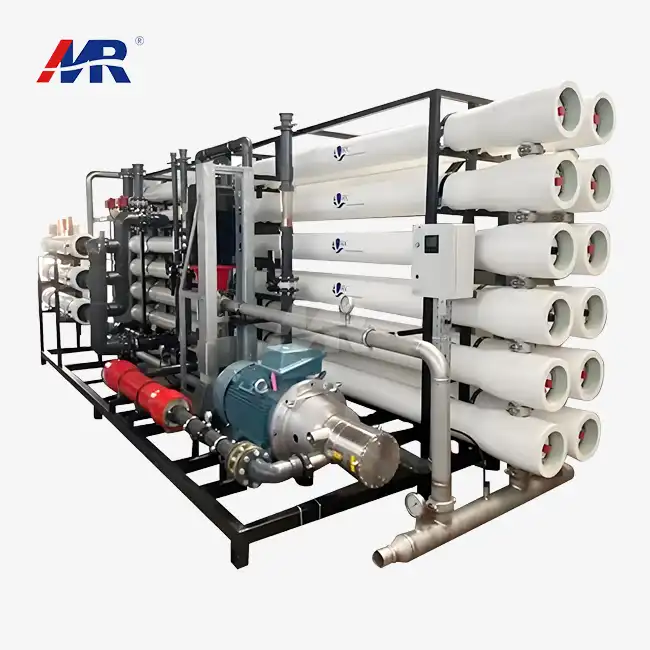
The bioreactor wastewater treatment is an engineered biological process in which microorganisms, including bacteria, protozoa, and fungus, break down organic pollutants, nutrients, and suspended particulates inside of a tank that is under regulated conditions. In order to accelerate the breakdown of pollutants to a degree that is far higher than what can be accomplished by traditional settling tanks, the system generates an environment that is optimised, either aerobic, anaerobic, or anoxic. When coupled with membrane separation, such as in a Membrane Bioreactor (MBR), the process generates effluent that is devoid of contaminants and is suitable for either direct reuse or controlled release. The end result is a system that is both small and high-performing, and it answers genuine concerns such as being limited in area, having uneven effluent quality, and having escalating expenses associated with sludge disposal.
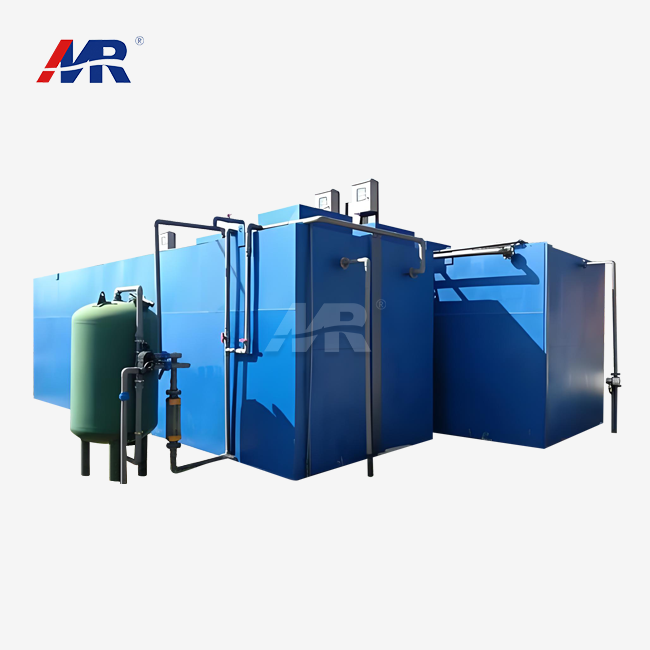
Understanding the Principles and Processes Behind MBR Treatment
How Microbial Communities Do the Heavy Lifting
The environment of a bioreactor is home to a wide variety of microorganisms. It is nitrogen, phosphorus, and organic stuff that has been dissolved that provides them with the energy that they need. Ammonia is converted into nitrate by bacteria that live in oxygen zones. These bacteria break down carbon that is produced by plants and animals. Nitrate is converted into nitrogen gas, which is a harmless gas, by bacteria that are able to break it down in anoxic zones. According to the statistics provided by the Water Environment Federation, the two-stage biological activity that is carried out by MBR systems is what enables them to function properly and eliminate more than 95% of BOD.
The Step-by-Step Treatment Flow
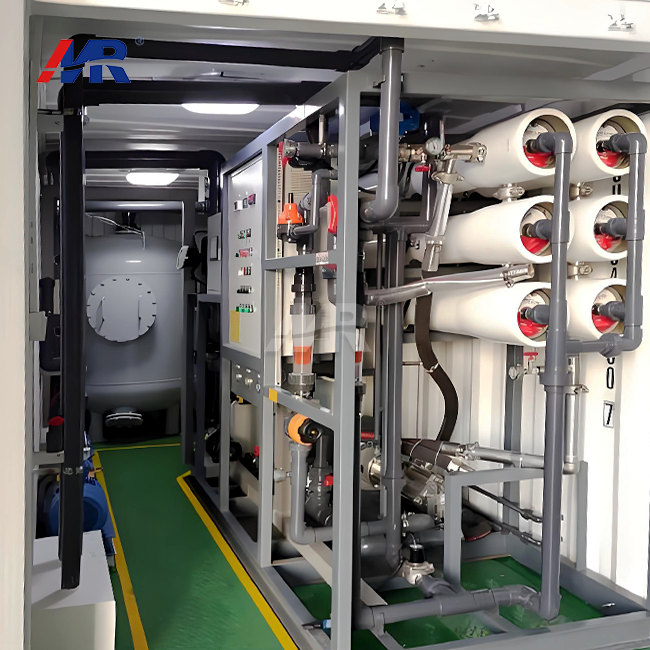
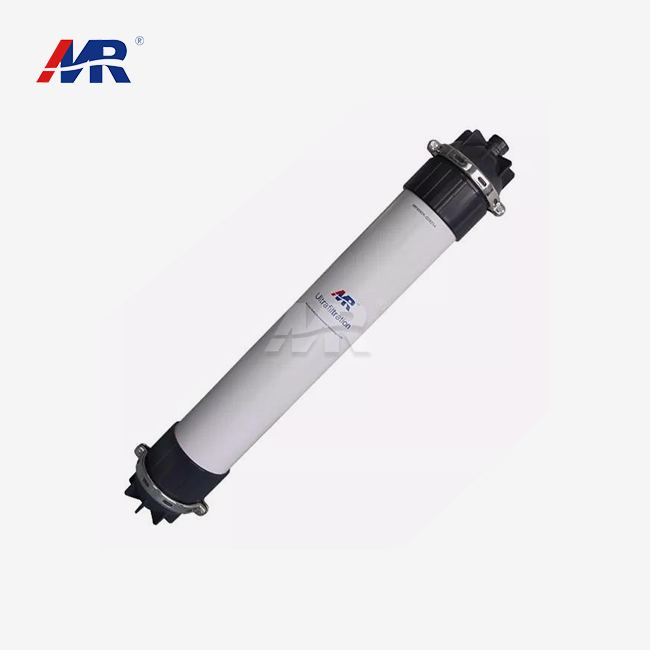
A screening process is performed on the raw influent in order to remove any large materials that may be present. After that, it is placed into the biological tank. The organic stuff that is present there is broken down by activated sludge, which is a thick combination of microorganisms. An MBR is capable of treating water; however, it does not use a gravity clarifier in order to remove sludge from the water. Rather of that, it draws the clean water directly via hollow-fiber membranes that are hidden inside the tank. When it came to previous plant designs, this one process required the combination of a great number of other stages altogether.
Aerobic, Anaerobic, and MBR: Three Paths to Treatment
- As a result of the continuous supply of dissolved oxygen, aerobic bioreactors make it possible to expedite the process of nitrification and the removal of organic debris. They are useful for treating municipal sewage as well as wastewater from food processing companies, both of which include significant amounts of biodegradable COD.
- Bioreactors that are anaerobic are able to operate without the presence of oxygen because they convert organic matter into biogas, which is composed of methane and carbon dioxide. Although they need longer start-up times, they are suited for high-strength industrial wastewater and have the capacity to recover energy. In addition, they are suitable for use in wastewater treatment plants.
- When activated sludge is combined with physical membrane filtration in membrane bioreactors (MBRs), the need for a secondary clarifier is eliminated. This results in the production of effluent that frequently satisfies the reuse criteria established by Title 22 in the state of California or discharge limitations that are comparable to those established by the Environmental Protection Agency (EPA).
Comparing Bioreactor Types: Making the Right Choice for Industrial Wastewater
Aerobic vs. Anaerobic: Trade-offs That Matter
Aerobic systems are able to treat wastewater more quickly and maintain a higher quality, but they need a significant amount of electrical energy for aeration, often between 0.3 and 0.6 kWh per square metre of treated water. However, in order to create biogas that may help offset running costs, anaerobic systems need more precise temperature regulation and longer hydraulic retention durations. The majority of municipal and light-industrial uses in the United States continue to be accommodated by aerobic or mixed systems as the preferred option.
Where MBR Outperforms Conventional Activated Sludge
A conventional activated sludge plant needs a large secondary clarifier and often a tertiary polishing step to meet reuse standards. An MBR replaces both with a single membrane tank in a bioreactor wastewater treatment system. Studies published in Bioresource Technology show that MBR systems consistently achieve turbidity below 0.2 NTU and TSS near zero—results that conventional clarifiers simply cannot guarantee. The footprint reduction is equally compelling: MBR installations typically occupy 30–50% less land than equivalent conventional plants.
Industry-Specific Selection Guide
The right technology depends on your influent characteristics and discharge target:
- Food and beverage processors dealing with high-fat, high-COD wastewater benefit from an MBR's tolerance for organic load swings and its ability to produce reuse-quality effluent on a small site.
- Municipal WWTP upgrades seeking Class A reclaimed water without expanding the plant boundary find MBR module retrofits practical and cost-effective.
- Aquaculture and textile operations with variable discharge volumes can size MBR units by daily capacity (m³/d) and add modules as production grows.
These application patterns show why procurement engineers increasingly specify MBR technology over older clarifier-based designs when regulatory pressure and land cost are both rising.
Designing and Operating Effective Bioreactors
Reactor Configuration and Material Selection
When it comes to biological performance, three things matter: the shape of the tank, the hydraulic retention time (HRT), and the sludge retention time (SRT). Nitrifying bacteria that grow slowly can settle down during longer SRTs, which are usually 15 to 30 days in MBR systems. Because of this, MBRs always remove less than 10 mg/L of nitrogen. Polyvinylidene fluoride (PVDF) is the usual material for membranes because it is strong, doesn't react with chemicals, and lasts a long time if it is cleaned with chlorine often.
Monitoring Parameters That Protect Performance
This is what operators do every day: they check the pH, MLSS, DO (dissolved oxygen), and TMP (transmembrane pressure). The membrane is getting clogged when the TMP goes up. This starts the cleaning process before the flux drops too low. These factors can be recorded immediately by modern MBR control panels, which means that staff don't have to be on-site all the time. This feature is very helpful for installations that are large or spread out.
Automation and Sensor Integration
This is a fully automated PLC control system that needs to be monitored. It links aeration fans, membrane air-scour cycles, chemical dosing pumps, and wastewater valves into a single loop. With remote SCADA access, engineers can change setpoints and check alarms from anywhere. This amount of automation saves money on labor and makes sure that treatment doesn't stop when an operator isn't around. This is great for island sites, temporary building sites, or community stations in rural areas.
Business Perspective: Procuring the Right MBR Solution
What U.S. Buyers Should Verify Before Purchasing
People in the US who want to buy big pieces of equipment for bioreactor wastewater treatment should make sure they get written records on the quality of the waste, how much energy is used (in kWh/m³), and proof of any Certifications that are needed, such as NSF/ANSI or water-contact approvals. How much it costs to own over a 10-year period depends on the membrane flux requirements and cleaning plans that are recommended. Ask the service providers how often and how much it costs to change the membranes so you can make a good lifetime budget.
The Morui MR-MBR-30: Specifications Worth Knowing
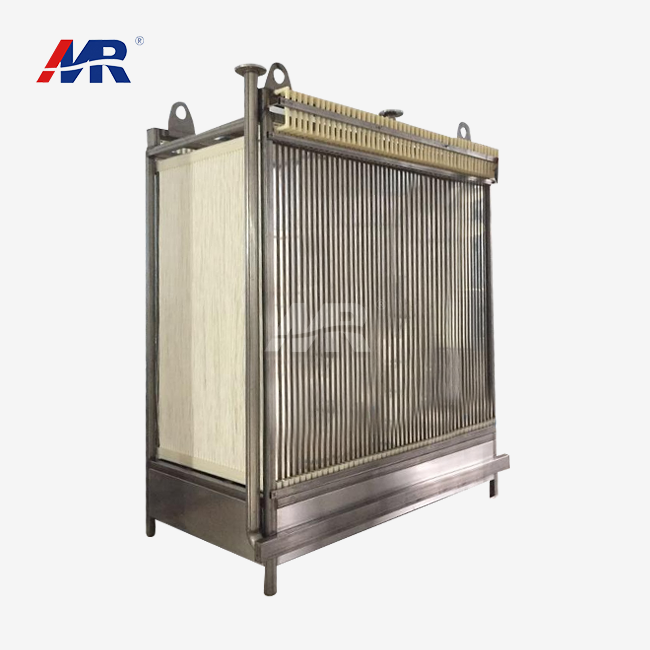
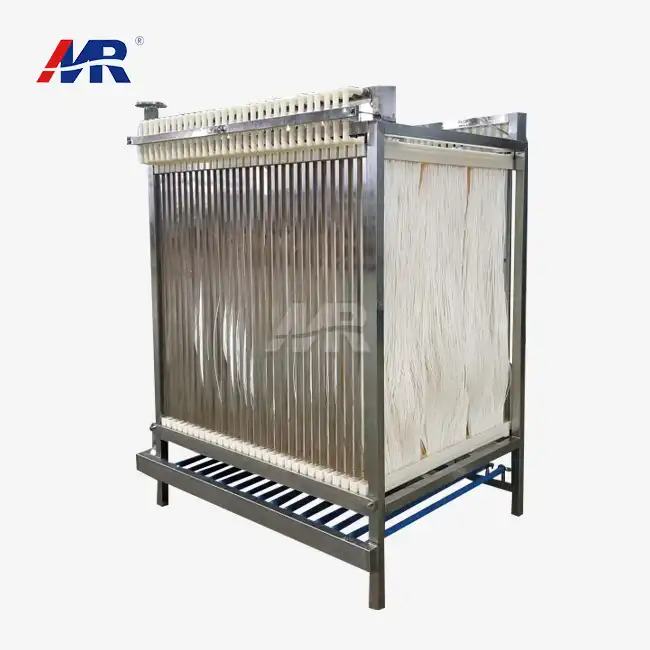
Guangdong Morui Environmental Technology Co., Ltd. makes the MR-MBR-30. There is an MBR sewage treatment unit built around a PVDF flat-sheet membrane module that meets the following confirmed requirements:
- Membrane area: 30 m²
- Material: PVDF (polyvinylidene fluoride)
- Pore size: 0.2 µm
- Module dimensions: 2000 × 1250 × 30 mm
30 m² is the size of the membrane. The substance is called PVDF (polyvinylidene fluoride). The module is 2000 × 1250 × 30 mm and has pores that are 0.2 µm in size.
Cost, ROI, and Long-Term Value
An MBR system costs more to set up than a simple activated sludge plant, but it quickly pays for itself in lower running costs. Moving and getting rid of less trash costs less money. If the quality of the wastewater is good, fines for breaking the rules may not be given, and in many U.S. states, recycled water credits are available. People who own cities that moved to MBR technology say they got their money back in full in five to eight years, even though they used less space, chemicals, and time to build clarifiers.
Real-World Results and What's Coming Next
Proven Performance Across Sectors
At a food processing factory that was treating high-COD effluent at a rate of 200 m3/d, an MBR system was installed after it was installed. The biological oxygen demand (BOD) level decreased from 800 mg/L to below 10 mg/L, which is far lower than the maximum level that the Environmental Protection Agency (EPA) permits for release. Eighty percent of the wastewater that is cleansed at a community station on the coast that cleans fifty cubic meters per day of wastewater from households is now used to water plants. Because of this, the use of freshwater is significantly reduced. They concur with the findings that were published in the Journal of Membrane Science on the efficiency with which PVDF flat-sheet and hollow-fiber modules function when the flux rates are at the same level.
Emerging Technologies Shaping the Next Generation
They are becoming better at combining polymers and coating the exterior, which helps PVDF membranes last longer. This is because the people who create them are getting this better. The provision of predictive fouling control is now feasible thanks to sensors that are linked to the Internet of Things. To put it another way, algorithms have the ability to identify strange TMP patterns before they need correction. By adjusting the blower output in real time based on information about the load that is coming in, artificial intelligence-driven aeration control has been shown to save 15–20% of the energy that is used. These modifications are gradually finding their way from research environments to commercial MBR programs. Those individuals who purchase computers that are equipped with open communication standards at this time will be able to make use of these technologies as soon as they become the standard.
Regulatory Drivers Accelerating MBR Adoption
The Environmental Protection Agency (EPA) is continuing to tighten the fertiliser discharge restrictions that are mandated by the Clean Water Act. Consequently, plant owners are shifting toward biological treatment that is more effective as a result of this, as well as state-level regulations that mandate the reuse of water in regions that are experiencing drought. When you use MBR technology, it is simple to demonstrate that you are adhering to the regulations for renewing permits and having new structures authorised. This is because MBR technology has a history of generating effluent of a high quality.
Conclusion
Bioreactor wastewater treatment, particularly in the form of MBR, is a technically sound and financially realistic way to meet the standards for discharge and reuse that are currently in place. It is always possible for MBR systems to make high-quality wastewater in less room, with less sludge and more stable processes than older methods. To do this, they use both biological breakdown and physical membrane filtering. The main engineering ideas are the same whether you are improving a plant in the city, setting up a community station in the middle of nowhere, or treating wastewater from food processing. These are matched biology, reliable membranes, and automated control.
Frequently Asked Questions
1. What does a membrane bioreactor remove from wastewater?
All of the pathogens, as well as BOD, TSS, nitrogen, and phosphorus, are eliminated by an MBR system. Bacteria and a large number of viruses are physically blocked by the 0.2 µm barrier, while the biological stage is responsible for the management of dissolved organics and nutrients. The majority of the time, effluent is able to achieve Class A or comparable reuse criteria.
2. How long do MBR membranes last?
The typical lifespan of PVDF flat-sheet membranes is between eight and twelve years, provided that they are cleaned with the appropriate chemical procedures, which include periodic maintenance cleaning and recovery cleaning. The actual level of service life is contingent upon the quality of the influent, the operating flux, and the cleaning discipline.
3. What is the difference between MBR and conventional activated sludge?
In conventional activated sludge, the separation of sludge from treated water is accomplished by the use of a gravity clarifier. This solution results in a reduction in effluent clarity and necessitates a wide footprint. In an MBR, the clarifier is replaced by a membrane that is submerged, which results in the production of cleaner effluent in about half the area.
4. Can an MBR system handle variable flow rates?
Indeed. When it comes to hydraulic loads, MBR units are able to function well. The capacity of modular designs may be matched to the peak flow needs, and automated controls can alter the aeration and membrane filtering cycles in response to variations in flow.
Partner With Morui for Your Next MBR Project
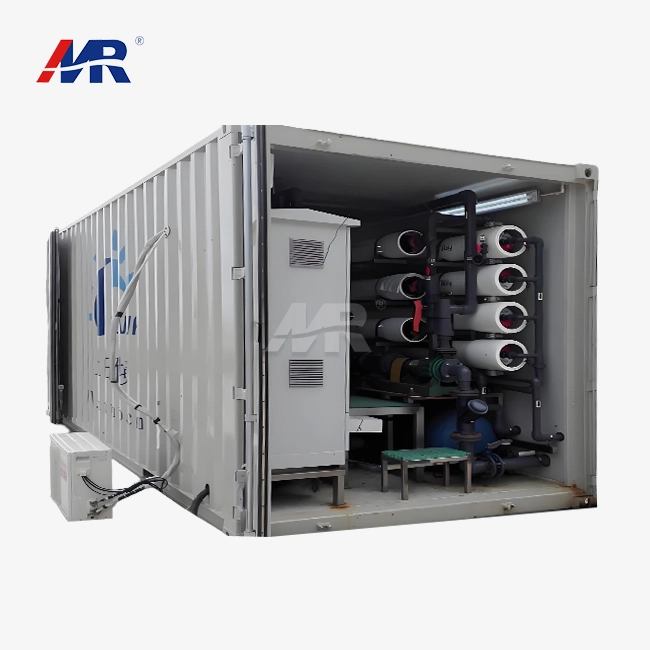
The MR-MBR-30 is one of Morui's full bioreactor wastewater treatment systems. They sell everything from single PVDF membrane modules to fully integrated, PLC-controlled units. The company Morui has been making MBR systems for a long time. They can help with OEM/ODM projects, special plans for underground or containerized systems, installation training, and service after the sale. We can give U.S. buyers confirmed sewage quality backed by the paperwork they need because we have 20 engineers and make membranes in-house. You can email benson@guangdongmorui.com to talk about your project needs.
References
1. Water Environment Federation. Membrane Bioreactor Technology for Wastewater Treatment. WEF Press, 2012.
2. Judd, S. The MBR Book: Principles and Applications of Membrane Bioreactors for Water and Wastewater Treatment. Elsevier, 2011.
3. Bioresource Technology. "Performance of membrane bioreactors in municipal wastewater treatment: A review." Elsevier, 2018.
4. Journal of Membrane Science. "PVDF membrane fouling control strategies in submerged MBR systems." Elsevier, 2020.
5. U.S. Environmental Protection Agency. Membrane Bioreactors: Wastewater Treatment Technology Fact Sheet. EPA, 2007.
6. Tchobanoglous, G., Burton, F. L., & Stensel, H. D. Wastewater Engineering: Treatment and Resource Recovery. McGraw-Hill, 2014.