_1745823981883.webp)

How Effective Is Reverse Osmosis for Well Water Treatment?
Up to 99% of the suspended solids, heavy metals, nitrates, and microbes that are typically found in polluted groundwater can be removed by reverse osmosis for well water. Municipal water is treated in a standard way, but well water has variable chemical profiles that need strong membrane-based filtering. High Total Dissolved Solids (TDS), farm runoff contamination, and locally occurring arsenic are some of the big problems that RO technology helps solve. Because of this, membrane filtration is the best way for businesses, farms, and other sites that need reliable, high-quality water from private groundwater sources.
Introduction
The quality of well water in business and industry settings often comes with its own problems that make operations less reliable and make it harder to follow the rules. Different amounts of contaminants, changes in mineral content with the seasons, and the lack of city pre-treatment all make it hard for procurement professionals to find reliable water purification options.
Reverse osmosis for well water has become the most popular way to clean well water in many fields, from food processing plants that want to make sure their Products are safe to pharmaceutical companies that need to meet GMP standards. Businesses that work in places where public water infrastructure isn't available or isn't stable will benefit the most from this technology because it can provide consistent, high-purity water by successfully removing a wide range of impurities.
This guide looks at how well RO works in treating well water and gives expert decision-makers and site managers information based on facts. We look at how this technology solves certain problems in the business world, contrast it with other ways of treating these problems, and talk about some useful things to think about when choosing a system. Businesses can improve the quality of their water, keep their operations running smoothly, and meet stricter government rules more easily if they know what RO systems designed for treating groundwater can and can't do.
Understanding Reverse Osmosis and Its Role in Well Water Treatment
The Core Technology Behind Membrane Filtration
In reverse osmosis for well water, contaminants are trapped while water molecules are pushed through semi-permeable walls. Thin Film Composite (TFC) membranes are the standard for treating groundwater. They have pores as small as 0.0001 microns, which means they can filter out dissolved minerals, chemical molecules, and even some viruses. When treating salty well water, the pressure used is usually between 50 and 150 psi, but this can change based on the temperature and TDS levels at the source.
What Contaminants Does RO Remove from Well Water?
Groundwater sources often have different levels of contaminants than public water sources. RO systems are good at getting rid of sediments from rock formations, heavy metals like arsenic and lead that leach from the nearby soil, nitrates that come from farming, and hardness minerals like calcium and magnesium. The technology also works well to stop microbes that cause disease, like cysts of E. coli and Cryptosporidium, which carbon filtering alone can't properly get rid of. Testing from industrial settings regularly shows that TDS reduction rates are higher than 95%. The exact contaminants that are removed depend on the type of membrane and the working conditions.
How RO Compares to Alternative Treatment Technologies
Traditional well water cleaning methods are not as good as membrane-based systems when it comes to performance. Carbon filtering is great at getting rid of chlorine and organic chemicals, but it doesn't touch minerals that have been dissolved. Ion exchange is how water softeners get rid of hard water, but it can't get rid of nitrates or heavy metals. UV sterilization kills bacteria successfully without getting rid of chemical contaminants. RO technology combines these functions of cleaning into a single treatment train. However, for best results, pre-filtration steps are often needed to protect the membrane's health and increase the time between service visits.
Comparing Reverse Osmosis with Other Well Water Treatment Methods
Performance Differences Across Treatment Technologies
Knowing how different purification technologies work helps buying teams choose the right tools for the job. Water softeners work to lower the levels of calcium and magnesium that build up in boilers and heat exchangers and cause scaling. However, these systems also add sodium ions to the water while leaving other dissolved solids alone. By adsorbing them, carbon block filters get rid of chlorine byproducts and volatile organic chemicals, but they can't get rid of metal contamination.
UV decontamination kills microbes without using chemicals and doesn't change the chemistry of the water, so it's perfect for the last step in cleaning. But UV light doesn't work as well in water that has a lot of iron or haze. Reverse osmosis for well water membrane systems gets rid of the widest range of contaminants, but they also produce wastewater that needs to be disposed of properly. When you combine pre-filtration, RO treatment, and UV cleaning in a hybrid setup, you get full protection that works well with difficult groundwater profiles.
System Configurations and Scalability Considerations
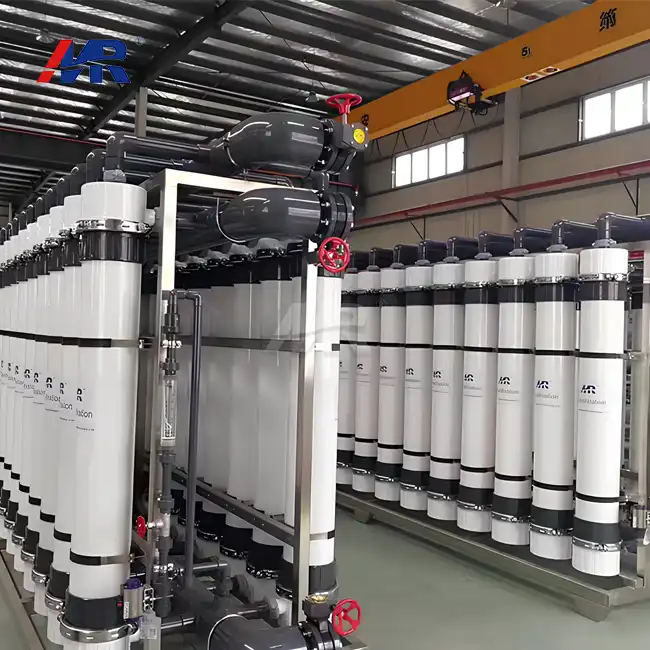
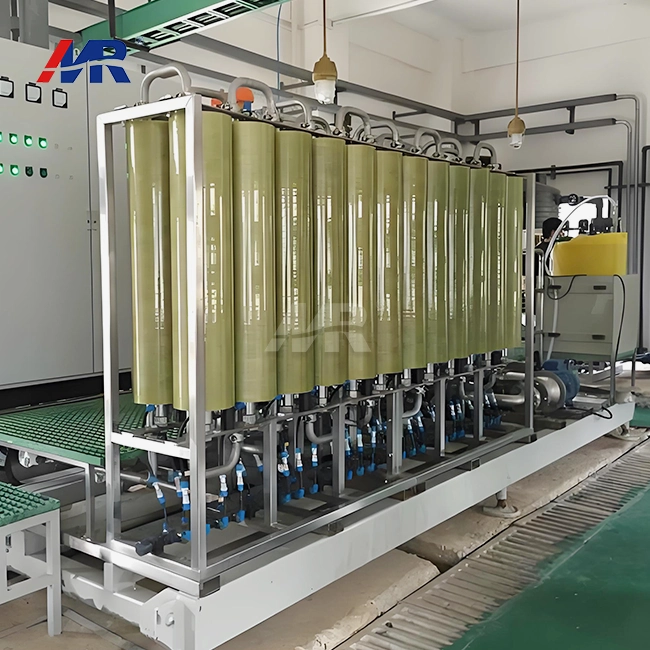
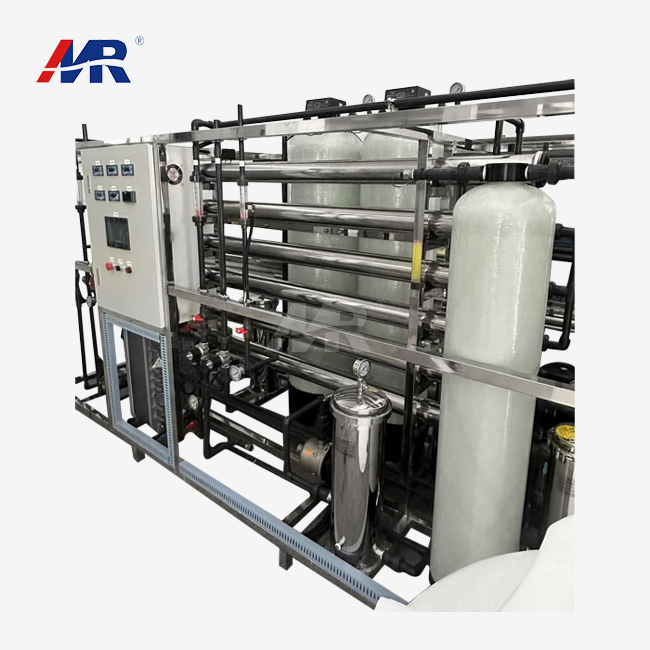
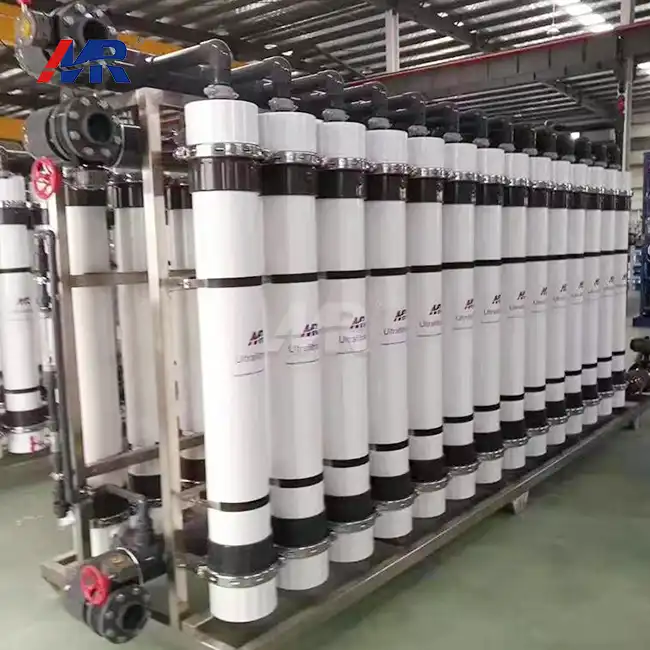
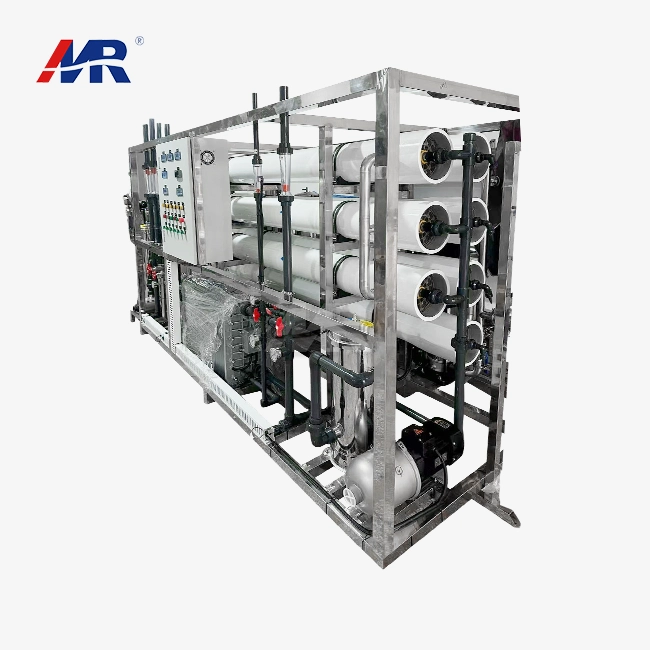
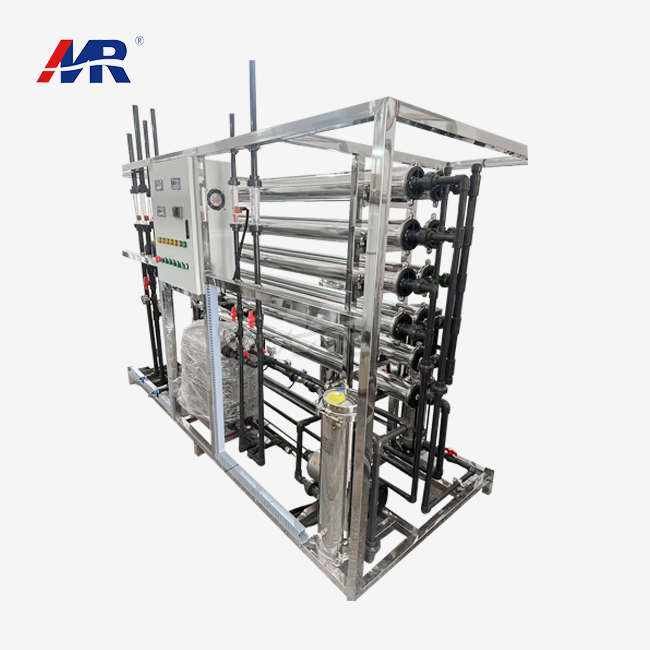
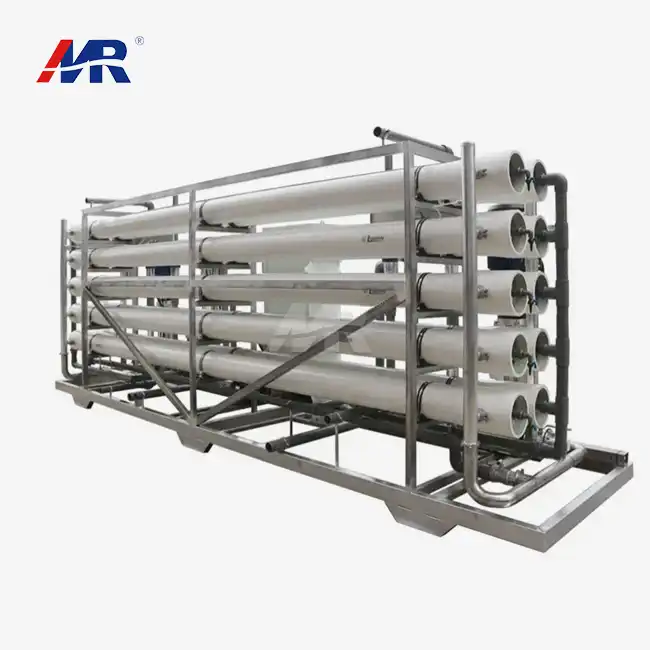
For commercial and industrial uses, system designs need to be different from those used in homes. Whole-facility systems that treat all incoming well water need a lot of infrastructure investment, but they get rid of the need for redundant equipment at each place of use. Modular rack-mounted units let you add more space in stages as the need for production rises. When compared to equipment that is run by hand, automated systems with programmable logic controllers require less work. Integrated monitoring gives real-time performance data that lets you plan ahead for repair.
Systems with pressurized holding tanks are better for places where demand changes often, while tankless designs with direct-feed options work well for places that need instant high-volume access. The right configuration is chosen by looking at how much water is used each day, how much flow is needed at peak times, and the amount of floor space that is accessible.
Maintenance, Installation, and Operational Considerations for RO Systems
Pre-Treatment Requirements for Optimal Performance
The properties of groundwater have a direct effect on how long membranes last and how well systems work. Wells that produce water with more than 0.3 mg/L of iron need special steps of oxidation and filtering before reverse osmosis for well water treatment to keep the membrane from getting clogged permanently. Hardness levels above 200 mg/L usually need a water softener or antiscalant spray to keep mineral buildup on membrane surfaces to a minimum.
When water comes from small wells or rock aquifers, it needs to be pre-filtered through graded media filters or cartridge housings with a rating of 5 microns or less. Aeration or activated carbon pre-treatment can help facilities that get their water from wells that smell like hydrogen sulfide. For good pre-treatment planning, you need to do a full water study that checks for TDS, pH, alkalinity, hardness, iron, manganese, silica, and the Langelier Saturation Index.
Filter Replacement Protocols and Service Intervals
Regular maintenance plans keep treatments working well and stop expensive fixes from having to be done in an emergency. If the TDS is low, sediment pre-filters usually need to be replaced every three months. If the turbidity level is high, they may need to be replaced every month. Under normal conditions, carbon blocks that get rid of organic pollution or chlorine usually last between six and twelve months.
ro membranes need to be replaced every two to five years, based on the quality of the feedwater and how well they are cleaned. Monitoring performance with TDS meters and flow rate sensors lets you know early on when the membrane is breaking down. If the quality of the extract drops or the feed pressure goes up, it means that the membrane needs to be inspected. Concentration polarization is kept to a minimum by automatic flush processes that happen after each production run. This greatly increases the service life of the membrane.
Installation, Infrastructure, and Space Planning
For the system setup to go smoothly, there needs to be enough real infrastructure in addition to the treatment equipment. Facilities must offer three-phase electricity to bigger business units and consider backup power for activities that need water to be available all the time. The plumbing should be able to handle getting rid of concentrates, either to drain systems that follow local rules or to holding tanks so they can be taken away from the site.
Controlling the temperature has an effect on how well the membrane works. For best results, the temperature should be between 15°C and 25°C. For installations in rooms that don't have air conditioning, heat trace or insulation may be needed to keep them working well in the winter. Clearance requirements for removing the membrane housing and servicing it affect where the equipment is placed, and chemical injection systems (which can use antiscalants, cleaning solutions, or pH adjustments) need to be stored and contained properly.
Market Insights: Choosing and Procuring the Right RO System for Well Water
Critical Selection Criteria for Industrial Applications
When making a procurement choice, you should weigh a lot of technical and business elements. The system's water supply must match the water needs of the facility, taking into account both normal everyday use and times when the facility needs the most water. Recovery rates—the amount of feedwater that is turned into a clean reverse osmosis for well water product—affect both how efficiently the system works and how much concentrate it needs to be disposed of. Depending on the source TDS, most well water systems can recover 50 to 75% of the water they use.
Energy use has a direct effect on running costs, so how well the pump works and how complex the control system is should be taken into account when judging it. Certifications of equipment back up claims of effectiveness and make sure it meets legal requirements. Certification to NSF/ANSI Standard 61 makes sure that products are safe for use with drinkable water, while systems used in pharmaceutical processes must meet USP Purified Water monographs. Manufacturing quality licenses, such as ISO 9001, show that equipment makers follow consistent production standards.
Evaluating Supplier Capabilities and Support Infrastructure
Long-term business success depends a lot on how knowledgeable and available services are from suppliers. In addition to replacing broken tools, warranties should cover technical assistance and emergency response. Downtime risk is affected by how readily available replacement membranes are, which makes sellers with large inventories very valuable.
Having engineering help with system size and pre-treatment design stops mistakes that cost a lot of money. Timelines for operation are shortened by turnkey installation services that include mechanical, electrical, and control system integration. Training programs that teach facility staff how to operate and fix problems make the facility less reliant on outside service providers. When it comes to parts delivery and field service, brands with established North American distribution networks are faster than straight imports, which need longer wait times.
Pricing Structures and Total Cost of Ownership
The initial cost of cash is only a small part of the total cost over its lifetime. Operating costs, such as replacing filters and membranes, using a lot of energy, and getting rid of concentrates, add up over the ten to fifteen years that most equipment lasts. Facilities that use well water with a high TDS level may spend 30 to 40 percent of their starting equipment cost each year on energy and products.
Variable frequency drives that are energy-efficient use less power when demand is low. Automated cleaning methods reduce the number of times that membranes need to be replaced. More smart purchasing choices are made by looking at the total cost of ownership instead of just the purchase price. When buyers in bulk negotiate servicing contracts or multi-site setups, they can often get better prices than buyers who only buy one unit.
Benefits and ROI of Implementing Reverse Osmosis for Well Water in B2B Contexts
Regulatory Compliance and Quality Assurance
Meeting reverse osmosis for well water quality standards for a certain business protects both the integrity of the product and the image of the brand. Consistent low-TDS water is important for food and drink makers to keep taste profiles and shelf stability. Pharmaceutical companies that make liquid medicines need water that meets strict chemical and bacterial standards set by the pharmacopeial standards.
To keep flaws from happening during semiconductor processing, electronics manufacturing needs ultrapure water with a resistance higher than 18 megohm-cm. Demineralized water is used in power plants to keep boiler tubes and turbine blades from scaling and depositing. These high standards can only be met with membrane systems, which come with proof paperwork that can be used for quality checks and regulatory reviews.
Operational Efficiency and Equipment Protection
High-purity water makes devices further downstream last longer and requires less upkeep. When clean water is used in cooling towers, heaters, or process uses, scaling, corrosion, and microbial growth are slowed down. This means fewer shutdowns in case of emergencies, longer guarantees on equipment, and lower costs for chemical cleaning.
Autoclaves, glassware washers, and scientific instruments work better when they are fed water that has been cleaned and doesn't contain any minerals that could affect the results. By keeping their water quality stable, aquaculture sites with recirculation systems lower the risk of disease. Using RO-treated irrigation water in farming leads to higher food yields because exact control of nutrient delivery is possible.
Sustainability and Resource Conservation
Modern RO technology works with companies' environmental goals in a number of ways. Older designs wasted more water than high-efficiency systems, which can collect about 80% of the water they use in ideal conditions. Larger sites have energy recovery devices that take in hydraulic pressure from concentrate streams. This cuts the net power use by 30 to 60 percent.
Lessening the use of chemicals to stop scale and rust means less need to handle and get rid of dangerous materials. Facilities that used to get bottled water supplied no longer have to worry about the carbon emissions that come with transportation. Case studies from factories that installed RO systems show that their water-related running costs dropped by 20–35% within 18–24 months. This shows that the systems not only help the environment but also make a lot of money.
Conclusion
Reverse osmosis for well water has been shown to effectively clean well water for industrial and business use, even though untreated groundwater sources have complicated contamination patterns. Because it can get rid of suspended solids, heavy metals, nitrates, and microbes, the technology is essential for places that need to keep their water clean. Organizations can meet regulatory requirements while improving operating efficiency by strategically choosing systems that take into account pre-treatment needs, upkeep schedules, and the total cost of ownership. As standards for water quality keep changing and groundwater supplies are put under more stress, membrane-based treatment is a smart long-term investment that will protect both product quality and business stability.
FAQ
1. Does reverse osmosis effectively remove nitrates and heavy metals from well water?
Reverse osmosis for well water membrane devices removes 85–95% of the nitrate compounds that are usually found in farming areas where fertilizer use affects groundwater. Most of the time, heavy metal rejection rates are higher than 95% for toxins like arsenic, lead, chromium, and mercury. How well something is removed relies on the type of membrane, the working pressure, and the temperature of the water. Regular testing makes sure that the system keeps working well between membrane changes.
2. What pre-treatment does well water require before RO processing?
Wells with more than 0.3 mg/L of iron need oxidation filtering to keep the membrane from getting stained. If the hardness is more than 200 mg/L, softener or antiscalant doses can help. Membranes are protected from damage by a sediment filter rated at 5 microns or less. For each groundwater source, the right pre-treatment plan is based on a full water analysis that shows the exact amounts of contaminants.
3. How often do repair checks need to be done on industrial RO systems?
Depending on how much sediment they hold, pre-filters need to be changed every one to six months. As long as they are used correctly, membranes should last between two and five years. Monitoring the pressure difference and permeate quality every day lets workers know when performance changes. Sanitizing every three months and cleaning the membrane once a year makes the repair gaps longer. When compared to basic setups, automated systems require less human input.
Partner with a Trusted Reverse Osmosis Manufacturer for Your Well Water Treatment Needs
Guangdong Morui Environmental Technology offers complete groundwater cleaning options that are made to fit the needs of the manufacturing, pharmaceutical, food processing, and agricultural sectors. Our engineering team creates unique membrane systems that deal with specific types of well water pollution. These systems include pre-treatment steps that protect expensive equipment and increase working uptime. Our group has more than 500 employees, including 20 specialized engineers. It runs factories that make membranes and plants that process equipment. Its 14 regional branches make sure that customers all over North America can get fast Technical support.
We are official sellers of Shimge Water Pumps, Runxin Valves, and Createc Instruments, and we use only the best parts in our turnkey setups, which come with full testing services. We have experience desalinating seawater, cleaning up industrial wastewater, and making ultrapure water for use in semiconductors. Our single-source responsibility covers equipment specification, installation, operator training, and long-term service agreements. This is helpful for procurement experts who are looking for trusted reverse osmosis for well water providers. Email our technical team at benson@guangdongmorui.com to talk about your facility's groundwater treatment needs and get thorough offers that include water research, system sizing, and estimates of the total cost.
References
1. American Water Works Association (2021). Reverse Osmosis and Nanofiltration: Manual of Water Supply Practices M46. Denver: AWWA Press.
2. Greenlee, L.F., Lawler, D.F., Freeman, B.D., Marrot, B., & Moulin, P. (2019). Reverse osmosis desalination: Water sources, technology, and today's challenges. Water Research, 43(9), 2317-2348.
3. National Ground Water Association (2020). Private Well Water Treatment Systems: A Technical Guide for Homeowners. Westerville: NGWA Press.
4. U.S. Environmental Protection Agency (2022). Drinking Water Treatment Technology Unit Cost Models and Overview of Technologies. EPA Office of Water Report 815-R-22-001.
5. World Health Organization (2021). Guidelines for Drinking-water Quality: Fourth Edition Incorporating the First and Second Addenda. Geneva: WHO Press.
6. Membrane Technology and Research Institute (2020). Commercial and Industrial Reverse Osmosis System Design and Performance Optimization. Technical Bulletin Series MT-2020-07.