

_1745823981883.webp)

How Does a Submerged Membrane Bioreactor Work?
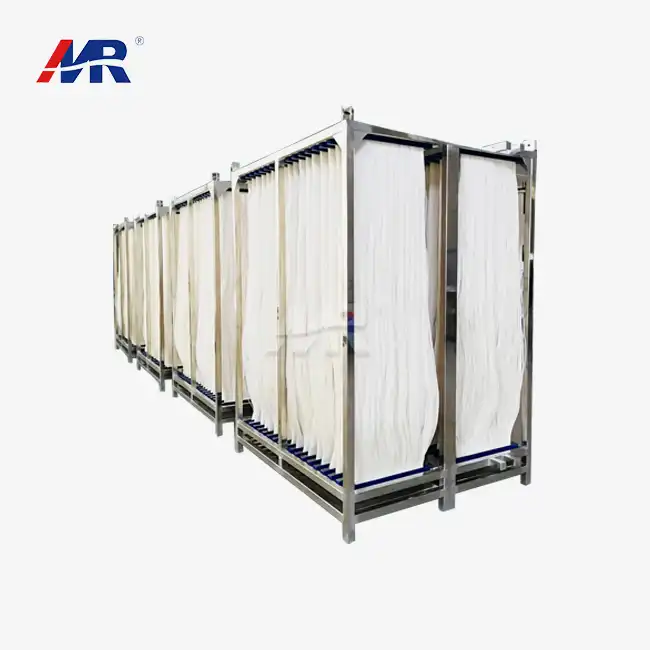
A membrane/bioreactor-wastewater-treatment">submerged membrane bioreactor, also known as an SMBR, is a combined biological treatment of activated sludge and membrane filtration that takes place in a single tank. In order to eliminate the need for gravity settling, the membrane modules are positioned directly inside the bioreactor. A vacuum is used to pull treated water through the hollow-fiber walls of the PVDF material, which are 0.2 µm thick. Without the need for a secondary clarifier, this design is able to physically retain all of the suspended particles, germs, and the majority of pathogens while simultaneously allowing clean permeate to flow through. Within a footprint that is up to fifty percent lower than that of a typical activated sludge plant, the end result is effluent that fulfils the requirements for reuse or direct discharge on a constant basis.
Understanding the Submerged Membrane Bioreactor System
What Sets It Apart from Conventional Activated Sludge
A standard activated sludge (CAS) system involves the treatment of water, which then flows into a separate settling tank. In this tank, the sludge is allowed to flocculate and settle before the purified effluent is discharged. Poor settling, which is a chronic issue at large solids loads, negatively impacts the quality of effluent in a direct manner. The use of an SMBR completely eliminates that phase. Due to the fact that the membrane functions as a physical barrier, the effluent quality remains constant independent of the behaviour of the sludge that settles.
Core Components You Need to Know
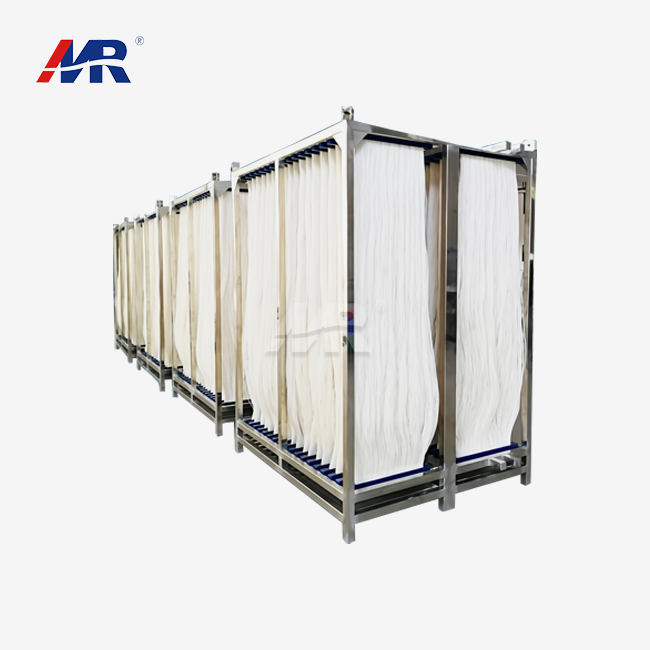
The bioreactor tank is where microorganisms break down organic pollutants; the mixed liquor is filtered by submerged membrane modules; a coarse-bubble aeration system is below the modules and scrubs the membrane surface and adds oxygen; and a PLC-based automation panel controls the filtration cycles, backwash intervals, and alarms. Every SMBR machine is made up of four separate parts that all work together. Morui's MR-MBR-18 has PVDF membrane panels that are 1,300 × 1,250 × 30 mm and a total filtering area of 18 square meters. This is so that all four parts can be put together in one unit.
Step-by-Step Process Flow
Raw garbage is first put through a fine screen, and then it is cleaned to get rid of any big pieces. The activated sludge is then put into the aeration tank, where it breaks down the nitrogen, phosphorus, and biological oxygen demand (BOD). Water moves through holes in a membrane that is 0.2 µm thick with the help of a low-pressure permeate pump. Anything bigger than that stays behind. This could be suspended solids, pathogens, or colloidal debris. To keep the mixed liquid suspended solids (MLSS) in the ideal range of 8,000–12,000 mg/L, extra sludge needs to be thrown away on a regular basis. The wastewater that the filtrate makes is clear and can be recycled.
Advantages and Challenges of Using Submerged Membrane Bioreactors
Where SMBRs Clearly Win
The technology solves three real-world problems that conventional systems struggle with. Here are the core advantages of this approach:
- Superior effluent quality: The 0.2 µm membrane pore size physically removes bacteria and protozoa. Effluent turbidity typically falls below 1 NTU, meeting Class A reclaimed water standards.
- Reduced footprint: Operating at MLSS concentrations of 8,000–12,000 mg/L versus 2,000–4,000 mg/L in CAS systems cuts reactor volume by roughly 30–50%, which matters greatly for urban retrofits and remote sites.
- Lower sludge output: Higher SRT in an SMBR means more complete endogenous decay, reducing surplus sludge generation and associated disposal costs by 30–40% compared with CAS.
These three factors together make the submerged membrane bioreactor technology attractive for municipal upgrades, food-processing plants, and decentralized community stations where space, sludge disposal, and water quality are all concerns simultaneously.
Challenges That Require Active Management
Fouling of the membrane is the primary difficulty that arises during operation. As time passes, biofilm and tiny particles progressively accumulate on the surfaces of the membrane, which results in a reduction in flow. Fouling, if left unmanaged, reduces the membrane's lifespan and increases the amount of energy it draws. Continuous air scouring, in which coarse bubbles sweep over the surface of the membrane, and planned chemical cleaning with sodium hypochlorite and citric acid are the two approaches that engineers use to handle this issue. Every three to six months, the majority of operators plan a maintenance clean, and once a year, they schedule a recovery clean. PVDF membranes, such as those used in the MR-MBR-18, generally have a lifespan of five to ten years if they are cleaned in a methodical manner and subjected to a pre-treatment screen.
Balancing Operational Cost Against Performance
Membrane scouring aeration results in somewhat greater energy consumption compared to CAS energy consumption. Depending on the strength of the influent and the MLSS, the typical energy consumption of an SMBR ranges from 0.3 to 0.8 kWh/m3 of permeate. The removal of sludge return pumping and the operation of secondary clarifiers, on the other hand, compensate for a significant portion of that difference during the course of the equipment's lifespan.
Comparing Submerged Membrane Bioreactors with Alternative Systems
SMBR vs. Conventional Activated Sludge
CAS systems are mature and have a low initial cost; nevertheless, they need large clarifiers, are susceptible to sludge thickening, and seldom generate effluent with a total suspended solids concentration (TSS) below 10 mg/L without the requirement for extra polishing. When discharge or reuse regulations are severe, the smart membrane bioreactor (SMBR) is the preferable solution because it consistently provides total suspended solids (TSS) below 2 mg/L and consumes about half the land area.
SMBR vs. External (Side-Stream) MBR
A membrane that is located outside of the bioreactor and recirculates mixed liquor at a high crossflow velocity is referred to as an external membrane bioreactor (MBR). This structure maintains the cleanliness of the membranes, but it requires two to four times more energy per cubic metre than a submerged configuration. This makes submerged systems far more energy-efficient at the municipal and mid-range industrial sizes, which is where the majority of projects are located. Submerged systems employ gentler vacuum filtration.
SMBR vs. MBBR and SBR
In comparison to CAS, moving bed biofilm reactors (MBBR) and sequencing batch reactors (SBR) both have a smaller footprint; nevertheless, none of these reactors can reliably generate effluent with a total suspended solids concentration (TSS) below 10 mg/L without a further polishing process. With an SMBR, biological treatment and separation are combined into a single vessel, which helps to reduce the length of the process train and the expenses associated with civil construction for new-build projects.
Procurement Guide: Selecting and Buying Submerged Membrane Bioreactors
Key Technical Criteria to Evaluate
When selecting a submerged membrane bioreactor system, procurement teams should verify three technical parameters before issuing a purchase order. First, confirm membrane material and pore size: PVDF at 0.2 µm is the current standard for municipal and food-industry wastewater because of its chemical resistance and tensile strength. Second, check rated flux under your specific influent TSS and temperature conditions — published flux values are often measured at favorable lab conditions. Third, request documented membrane life data and warranty terms from the manufacturer.
What to Ask Your Supplier
In addition to the membrane itself, you should enquire with potential providers about the functioning of the PLC control, the possibility of remote monitoring, the chemical cleaning techniques, and the availability of replacement parts within your area. For purchasers in the United States, it is important to determine if the system has the necessary Certifications, such as NSF/ANSI 61 for water-contact Products. The engineering team at Morui offers process-package design, factory acceptance testing, and on-site commissioning assistance, all of which help buyers who are new to MBR procurement to limit the amount of risk they are exposed to.
Morui MR-MBR-18 at a Glance
Morui's standard submerged membrane module for integrated sewage treatment units is referred to as the MR-MBR-18. The PVDF flat-sheet membrane that it utilises provides an active filtering area of 18 square metres per module, with a pore size of 0.2 micrometres. These panels have dimensions of 1,300 × 1,250 × 30 mm, which enables them to be stacked in a modular manner to accommodate daily treatment capacity. In addition to providing OEM/ODM options for underground, above-ground, and containerised installations, the device is capable of supporting PLC automation and provides remote operation and maintenance access as an optional feature.
Maximizing the Performance and Longevity of Your SMBR System
Aeration and Membrane Placement Best Practices
It is recommended to position coarse-bubble diffusers immediately below membrane panels at a spacing that ensures a consistent distribution of bubbles over the whole width of the module. Inconsistent aeration results in the formation of dead zones when sediments settle on membranes, which speeds up the process of localised fouling. Maintain the air-to-permeate ratio (SADm) within the range that is advised by the manufacturer, which is normally between 0.15 and 0.40 Nm3 of air per m2 of membrane per hour. This will allow you to strike a balance between the efficacy of scouring and the expense of energy.
Reducing Energy Consumption Through Automation
Contemporary SMBR controllers make advantage of intermittent filtration cycles, such as nine minutes of filtration followed by one minute of rest, in order to enable membrane surfaces to recover in a passive manner prior to the accumulation of fouling. When combined with variable-frequency drives placed on blowers and permeate pumps, this results in a reduction of 15–25% in the amount of energy that is used in comparison to constant-speed operation. Out of the box, the MR-MBR-18's programmable logic controller (PLC) is capable of supporting these cycles, and its settings may be adjusted to accommodate the specific requirements of the site.
Troubleshooting Common Operational Issues
When transmembrane pressure (TMP) builds more quickly than anticipated, the first step in remedial action is to ensure that air scouring is operating in a uniform manner. In most Cases, a blocked diffuser is the root cause of this phenomenon. In the event that the TMP continues to increase after air scouring has been verified, a maintenance chemical clean should be scheduled. The presence of persistent TMP problems after cleaning may be an indication of irreversible fouling caused by oil or surfactants, which indicates that there is a pre-treatment gap upstream of the membrane tank. Detecting these signals at an early stage helps to avoid damage to the membrane and extends the service life.
Conclusion
A submerged membrane bioreactor integrates biological degradation and membrane filtration into one compact process, producing effluent that meets reuse or discharge standards consistently. Compared with conventional clarifier-based systems, it occupies less space, generates less sludge, and produces higher-quality permeate. The trade-off — membrane fouling management and slightly higher energy — is manageable with proper aeration design, automation, and scheduled cleaning. For municipal upgrades, factory wastewater treatment, or decentralized community stations, the technology offers a solid balance of performance and lifecycle cost that conventional systems rarely match.
Frequently Asked Questions
1. How often does the membrane need to be cleaned?
Maintenance cleaning with sodium hypochlorite and citric acid is typically scheduled every 3–6 months based on TMP trends. Recovery cleaning is performed annually or whenever flux drops below the design threshold despite maintenance cleaning.
2. What is the realistic membrane lifespan?
With proper pre-treatment (fine screening, oil/grease removal where needed) and consistent cleaning, PVDF membranes in a well-operated SMBR typically last 5–10 years. Morui backs its MR-MBR-18 modules with documented warranty terms available on request.
3. Can an existing activated sludge plant be upgraded?
Yes. Retrofitting is common: clarifiers are taken offline, and membrane modules are installed in existing aeration tanks. This approach can double or triple treatment capacity within the original site boundary without major civil work.
4. Is this technology suitable for high-strength industrial wastewater?
An SMBR handles high-strength organic wastewater from food processing, textile dyeing, and aquaculture effectively, provided MLSS and HRT are sized for the influent COD load. Morui's engineering team sizes each system to the specific influent profile.
Partner with Morui for Your Next MBR Project
Guangdong Morui Environmental Technology Co., Ltd. is a dedicated submerged membrane bioreactor manufacturer with its own PVDF membrane production facility and multiple equipment processing factories. The MR-MBR-18 and our full range of integrated MBR units come with process-package design, factory testing, on-site commissioning, and after-sales support. Contact our engineering team today for a project-specific quote at benson@guangdongmorui.com.
References
1. Judd, S. The MBR Book: Principles and Applications of Membrane Bioreactors for Water and Wastewater Treatment. Elsevier, 2011.
2. Meng, F., Chae, S.-R., Drews, A., Kraume, M., Shin, H.-S., & Yang, F. "Recent advances in membrane bioreactors: Configuration, operation, and application." Water Research, 2009.
3. Côté, P., Masini, M., & Mourato, D. "Comparison of membrane options for water reuse and reclamation." Desalination, 2004.
4. Kraume, M., & Drews, A. "Membrane bioreactors in wastewater treatment — Status and trends." Chemical Engineering & Technology, 2010.
5. United States Environmental Protection Agency (EPA). Membrane Bioreactors: Overview of MBR Technology. EPA/600/R-12/056, 2012.
6. Hai, F. I., Yamamoto, K., & Lee, C.-H. (Eds.). Membrane Biological Reactors: Theory, Modeling, Design, Management and Applications to Wastewater Reuse. IWA Publishing, 2013.
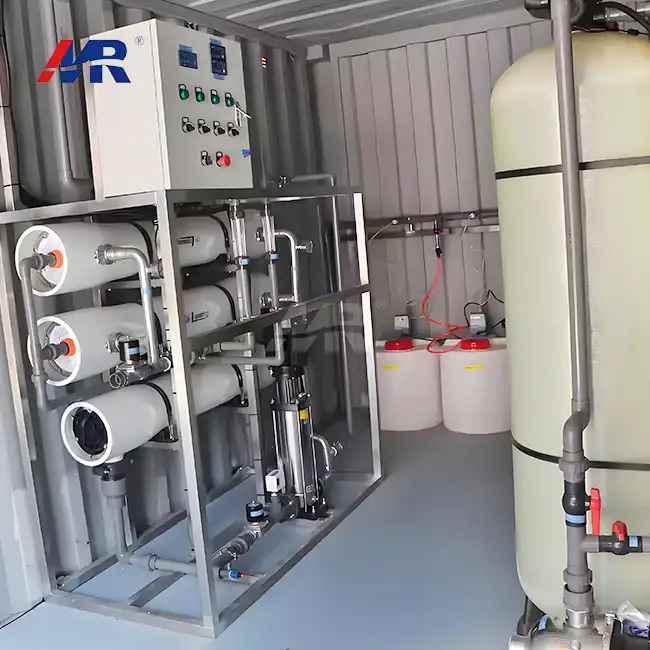 VIEW MOREcontainer 3m3/hour RO equipment
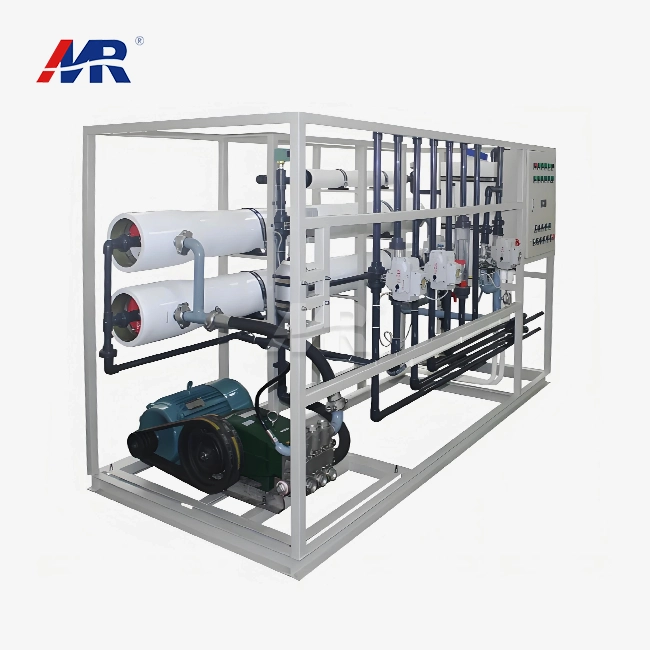 VIEW MOREseawater desalination pre-treatment
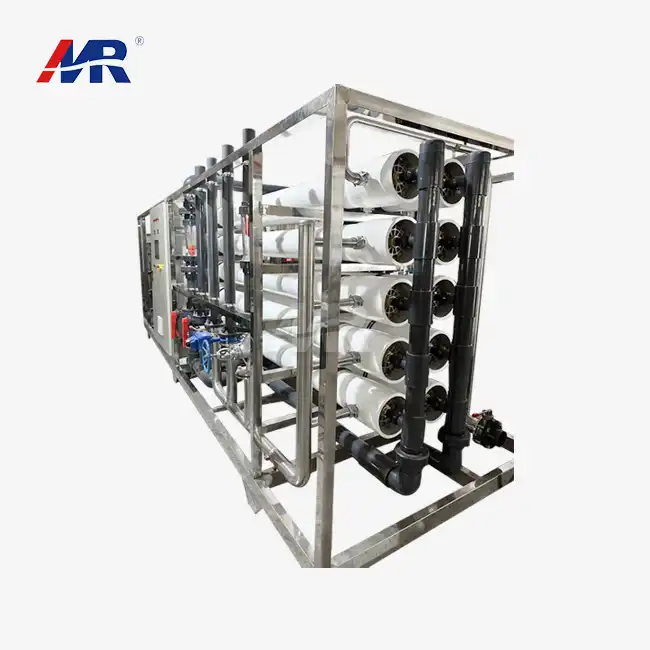 VIEW MORE50m3/hour reverse osmosis equipment
 VIEW MORE45m3/hour seawater desalination system
 VIEW MOREindustrial sewage treatment plant
 VIEW MOREbioreactor wastewater treatment
 VIEW MOREedi system in water treatment
 VIEW MOREDTRO Elements
