

_1745823981883.webp)

How Does a Brackish Membrane Work?
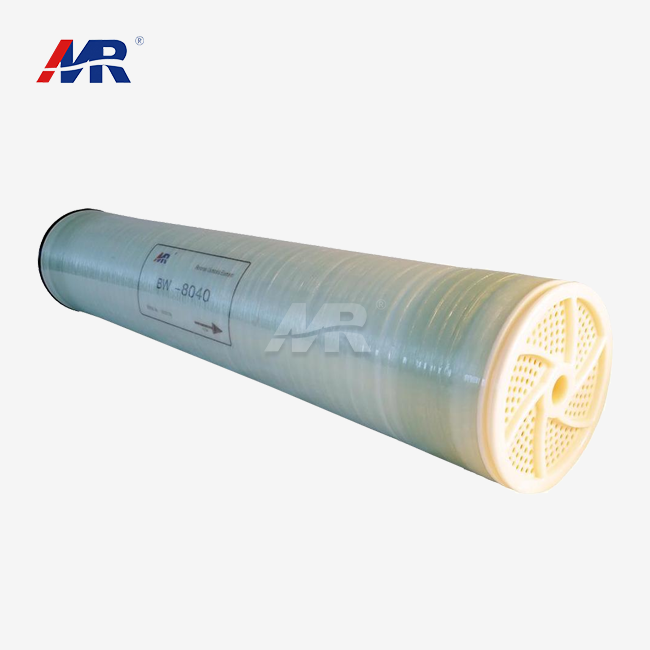
A membrane/8040-reverse-osmosis-membrane">brackish membrane is a semi-permeable filtration element engineered to treat water with Total Dissolved Solids (TDS) ranging from 1,000 to 10,000 mg/L — the salinity range typical of groundwater, well water, and estuarine sources. Built from a cross-linked aromatic polyamide thin-film composite (TFC) layer, it uses reverse osmosis pressure to force feedwater through the membrane while blocking dissolved salts, heavy metals, and organic contaminants. Operating at around 1.55 MPa, it delivers high salt rejection with lower energy input than seawater membranes, making it the preferred choice for industrial and municipal water treatment worldwide.
Understanding Brackish Membrane Technology
What Defines a Brackish Membrane?
A brackish water RO element works with water that is in the middle of the salt range, between fresh tap water and full ocean. The polyamide TFC structure is made up of three bonded layers: a polyester support web, a microporous polysulfone interlayer, and an extremely thin active polyamide skin that actually gets rid of the ions. This layered architecture makes the element structurally rigid while keeping the permeability it needs to make a lot of output every day at a moderate pressure.
How Reverse Osmosis Drives the Process
Natural osmotic pressure is pushed aside by applied hydraulic pressure, which is usually between 150 and 225 psi (1.03 to 1.55 MPa). This forces feedwater through the semi-permeable barrier. Dissolved ions, bacteria, and organic matter are turned away and leave as concentrate. Water molecules pass through. For example, the Morui MR-BW-8040 element can handle up to 10,500 GPD of permeate flow and a 99.5% salt rejection rate. This means that less chemical needs to be added and the downstream treatment load is lower.
Membrane Types and Their Filtration Range
There are three types of membranes used to clean water:
- Reverse osmosis (RO): Rejects ions as small as 0.0001 microns; ideal for TDS reduction and desalination — this is the category the MR-BW-8040 occupies.
- Nanofiltration (NF): Passes monovalent ions selectively; suited for softening and color removal where full desalination is not required.
- Ultrafiltration (UF): Removes suspended solids and bacteria but passes most dissolved salts; often used as RO pre-treatment.
When you choose the wrong type for the quality of the feed water, you risk not treating it well enough or spending too much on equipment that isn't needed.
Benefits and Challenges of Brackish Membrane Systems
Key Operational Advantages
RO elements for brackish water work at lower pressures than membranes for seawater. This means that less electricity is used to make each cubic meter of permeate. The MR-BW-8040 has two active area sizes—34 m² or 37 m²—so builders can fit the flux rate to the energy budget of the site. Most brackish RO systems get recovery rates between 70% and 85%, which means they waste less feedwater than brackish membrane systems for seawater, which usually only get 35% to 50% recovery rates.
These are the main benefits this element class gives you:
- Energy efficiency: Operating at 1.55 MPa instead of the 5.5–8 MPa required by seawater membranes cuts pump energy costs significantly across long replacement cycles.
- High throughput: At 10,500 GPD per 8040 element, a multi-element pressure vessel array can match great municipal or industrial daily demand without oversized infrastructure.
- Salt rejection consistency: A 99.5% rejection rate holds stable across the 1,000–10,000 mg/L TDS feed range, supporting predictable product water quality for downstream processes.
These benefits lower OPEX directly for people who run water plants and people who make equipment that integrates elements into their own systems.
Common Challenges: Fouling and Scaling
Even though they work very well, polyamide TFC membranes can get calcium carbonate scaling, silica precipitation, and biofilm formation. This is especially likely to happen in groundwater that is very hard. Fouling raises the pressure across the membrane, lowers the flow through it, and can shorten the life of an element below the normal 3–5 year service window. Regular dosing of an antiscalant, clean-in-place (CIP) cycles with acid and alkaline, and pre-treatment with multimedia filtration are all common steps that are taken to reduce the damage. Regularly checking the normalized permeate flow and salt rejection once a week lets workers know when fouling starts to happen before it gets too bad to fix.
Brackish Membrane vs Other Membrane Technologies
Brackish RO vs Seawater RO
Seawater ro membranes can handle TDS levels above 35,000 mg/L, but they need 800 psi or more of operating pressure, which means they need more expensive, heavy-duty pumps. For feed waters with less than 10,000 mg/L TDS, brackish water elements work at about a quarter of that pressure. This is a big cost savings for desalination and well water treatment projects that aren't supposed to use seawater-grade pressure.
Nanofiltration and Ultrafiltration as Alternatives
Nanofiltration keeps divalent ions like calcium and magnesium but lets sodium chloride pass through. This means it can only soften water and not completely remove salt from it. Ultrafiltration gets rid of sediment and bacteria, but TDS stays pretty much the same. When the goal is making low-TDS permeate from moderately salty feedwater, neither technique can match the ion rejection depth of a brackish RO element. UF pre-treatment before RO, on the other hand, lowers the amount of particulate fouling and is thought to be best practice in many city sites.
When Ion Exchange Fits Better
Ion exchange resins are great for cleaning high-value, low-volume streams that need to remove certain ions (like nitrate, arsenic, and softening) at amounts that are too low for RO to be cost-effective. RO is still the cheaper and more scalable way to go for high-flow commercial uses that want to reduce TDS across the board. When ion exchange cleaning is added to brackish RO, the water quality meets the standards for medicinal use.
Procurement Considerations for B2B Buyers
Evaluating Membrane Specifications
When buying 8040 standard elements, procurement teams should check the nominal active area (the MR-BW-8040 has 34 or 37 m²), the maximum operating pressure, the tested salt rejection under standard ASTM D4194 conditions, and the pH cleaning tolerance of the brackish membrane. US buyers expect third-party test results and proof that the product is safe for water contact, like NSF/ANSI 61 certification. These things should be asked for before making large orders.
Assessing Supplier Reliability
The thing that is most likely to affect a plant's long-term performance is uniform batch quality across container-load sales, not just public specs. Morui owns its own membrane plant and has dedicated production lines. This means that the element specs stay the same from the first sample to the hundredth container. If an OEM buyer needs private-label parts or custom active area grades, a factory that can cast them in-house can also provide full data files that support system-level Certifications.
Price, Warranty, and Supply Chain
Standard 8040 elements are bought by the piece, so the unit price, warranty terms (usually 1–2 years against manufacturing defects), and lead time are the main things that distributors and operators who have planned replacement cycles look at when making deals. A supplier with multiple equipment processing facilities and well-established logistics channels is more reliable than a trading company that buys and sells stock from other companies.
Ensuring Optimal Performance and Longevity
Monitoring Parameters That Matter Most
I suggest keeping an eye on four things every week: the normalized permeate flow, the normalized salt passage, the pressure difference across each pressure tank, and the temperature of the feedwater. A 10% drop in standardized permeate flow or a 10% rise in salt passage, according to the Water Quality Association, means water quality needs to be improved. Temperature adjustments are important because permeate flux goes up by about 3% for every 1°C rise. This means that direct flow numbers that don't normalize for temperature can lead operators astray.
Recovery Rate Optimization
Most brackish RO systems work at 75% to 80% recovery for well water. Increasing recovery increases the concentration of scale ions in the brine stream, which speeds up fouling. An antiscalant dosing pump that is sized to the chemistry of the feed water, not just a general scaling index, lets workers safely get close to 85% recovery. This lowers the amount of feedwater used and the cost of disposal without shortening the life of the elements.
Real-World Performance Evidence
A 2021 AWWA case study says that an urban groundwater plant in the southwestern US that treated well water with 2,000 mg/L TDS found that moving from an older cellulose acetate system to polyamide TFC 8040 elements cut energy costs by 22% per cubic meter. Industrial boiler feed water systems that use high-rejection brackish elements have shown that the permeate TDS stays below 20 mg/L from a feed of 3,000 mg/L, meeting the requirements for boiler makeup water without the need for extra polishing.
Conclusion
Some RO elements for brackish water work by putting controlled hydraulic pressure across a polyamide TFC barrier to separate contaminants and dissolved salts from feedwater that is reasonably salty. With its 10,500 GPD output, 99.5% salt rejection, 1.55 MPa working pressure, and choice of 34 or 37 m² active area, the Morui MR-BW-8040 is a good choice for operators, equipment makers, and wholesalers that serve markets in the US and around the world. Having the right brackish membrane specification, the right pre-treatment, regular monitoring, and a reliable supply relationship all work together to keep system performance stable and replacement costs stable over the entire lifecycle of an asset.
FAQ
1. How long does a brackish membrane typically last?
Most polyamide TFC elements can be used continuously for 3 to 5 years if they are properly pre-treated and cleaned with CIP on a regular basis. If antiscalant doses and pre-filters are not kept up to date properly, feedwater with a lot of silica, hardness, or biological load will shorten that window.
2. Can these elements handle fluctuating TDS levels?
Yes. The MR-BW-8040 can handle feed TDS levels up to 10,000 mg/L, and the polyamide TFC chemistry can handle changes in TDS levels within that range without damaging the structure. As the feed salinity changes, operators should change the operating pressure to keep the design permeate flow.
3. How does a brackish element differ from a seawater membrane?
When the pressure is above 800 psi and the TDS is above 35,000 mg/L, seawater RO elements have a thicker active layer. Brackish elements work at 150–225 psi, use less energy, and get better recovery rates, but they aren't made to handle high-salinity seawater without first diluting it with water that is lower in salt.
4. What certifications should US buyers request?
In the US market, performance test results that meet NSF/ANSI 61 (drinking water component safety) and ASTM D4194 are expected. Not only should you ask suppliers for catalog requirements, but also batch test results.
Get Brackish Membrane Pricing from Morui — Manufacturer Direct
Morui sells the MR-BW-8040 brackish membrane straight from our own factory, and we can handle both standard wholesale orders and private-label OEM orders. As a brackish membrane maker with a lot of experience, we back up every part with batch test results, detailed datasheets, and help with choosing the right application. To get a quote or sample evaluation right away, email Our Team at benson@guangdongmorui.com.
References
1. Metcalf & Eddy / Aecom. Water Reuse: Issues, Technologies, and Applications. McGraw-Hill, 2007.
2. American Water Works Association (AWWA). Reverse Osmosis and Nanofiltration (M46 Manual). AWWA, 2019.
3. Crittenden, J. C., et al. MWH's Water Treatment: Principles and Design. Wiley, 2012.
4. Greenlee, L. F., et al. "Reverse osmosis desalination: Water sources, technology, and today's challenges." Water Research, 2009.
5. Water Quality Association (WQA). Reverse Osmosis Systems: Technical Reference Manual. WQA, 2020.
6. Hydranautics / Nitto. Membrane System Design Guidelines for RO and NF. Technical Bulletin 2021.
 VIEW MORE500m3/day reverse osmosis RO plant
 VIEW MOREmembrane bioreactor mbr
 VIEW MOREDTRO Water Treatment
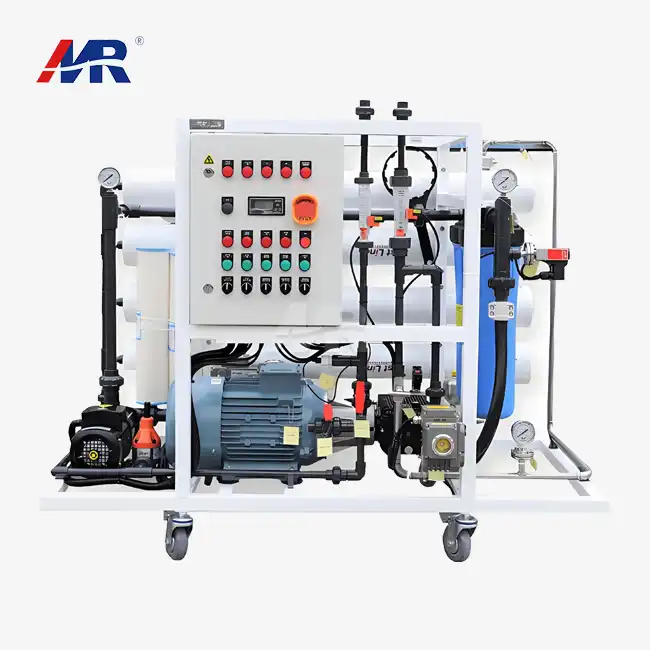 VIEW MORE2m3/hour seawater desalination equipment
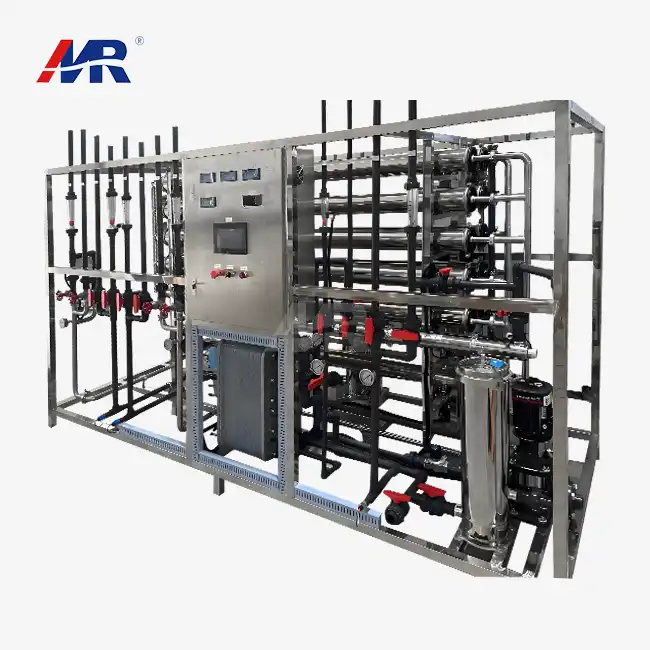 VIEW MORE2000 liters/hour EDI system
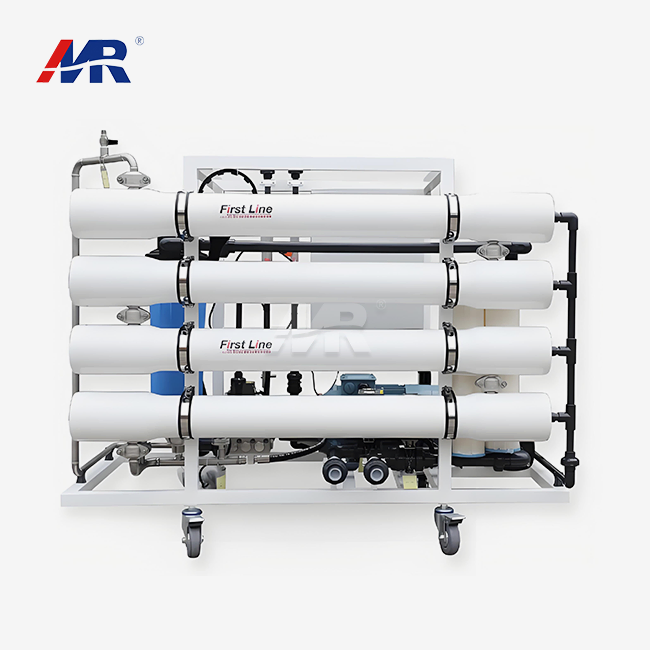 VIEW MOREseawater desalination equipment
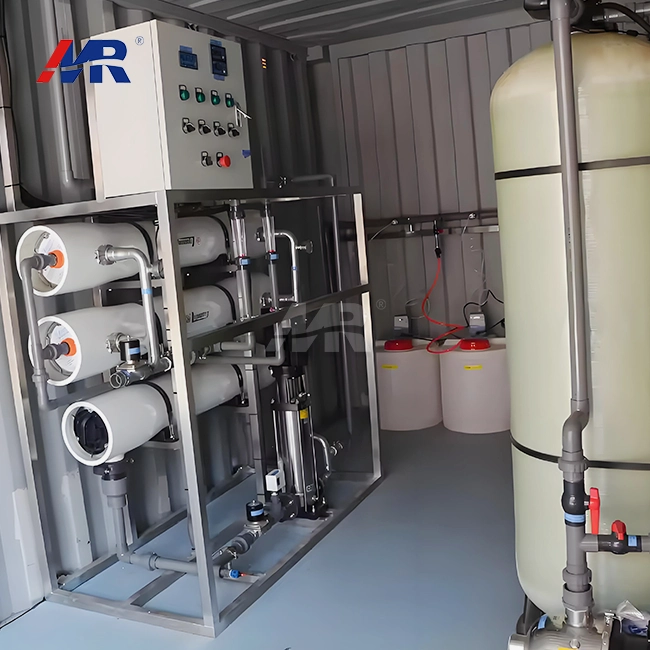 VIEW MOREcontainerized reverse osmosis system
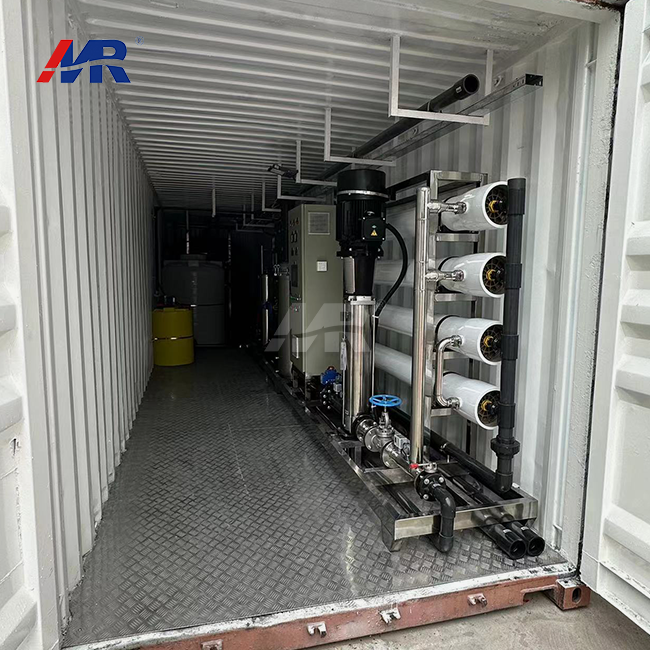 VIEW MOREcontainerized ro system
