

_1745823981883.webp)

Why Choose an Osmosis Water Purification System for Safer Home Water?
The most thorough treatment device you can put under a kitchen sink is an osmosis water purification system. It forces tap water over a semi-permeable membrane and eliminates up to 99% of dissolved impurities like heavy metals, chlorine, and microorganisms. In this article, I explain why households, workplaces, restaurants, and clinics select reverse osmosis. I discuss what it eliminates, how it compares to charcoal filters, and how to size, purchase, and maintain one. I also provide you with trade-offs since a successful buy begins with honest data. Looking for price or a bespoke design? All osmosis water filtration systems are designed and built in-house by Morui, and each query is reviewed by our experts. Please provide your feed water report, daily demand, and installation space to benson@guangdongmorui.com. If you are in need of an osmosis water purification system manufacturer for a residential complex, hotel, or clinic, we can estimate from a single water test.

Why Is Reverse Osmosis Effective for Home Water Purification?
Reverse osmosis is successful because the membrane physically prevents what can't travel through it. It is not about flavor or scent; it is about size and charge. That’s why a single osmosis water filtration system can handle dissolved salts, metals, and chemical compounds that a basic filter leaves behind. The idea is scalable, too. In a kitchen unit, the same membrane technology is used as in a municipal plant. I notice the physics remains true at every scale, and we at Morui develop equipment throughout the spectrum.
What Is an Osmosis Water Purification System?
The Osmosis water purification system is a treatment device that employs pressure to push water through a semi-permeable membrane. Permeate, or clean water, goes through. Reject water flushes to the drain, leaving behind dissolved salts, metals, and numerous organic compounds. Most residential units include a sediment filter and a carbon filter ahead of the membrane. It is followed by a polishing carbon filter. The method is also known as reverse osmosis, RO, or osmosis water filtering. The term "reverse" counts. The water is drawn toward the saltier side by natural osmosis. Pressure reverses that flow, so clean water is left behind, with pollutants.
How Does the Membrane Work in Practice?
Tap water enters the osmosis water purification system and comes in contact with a sediment filter. That filter strains sand, rust, and silt. The chlorine and numerous organic chemicals are subsequently removed using a carbon filter, protecting the membrane. Pressure pushes the purified water against the ro membrane. Water molecules pass through. Most dissolved ions and bigger molecules are left behind. The water is then polished for flavor and odor after the carbon filter and sent to the storage tank. This is how the Morui 5-stage Osmosis Water Purification System works. The membrane performs the work; the other steps help it endure longer.
Performance is defined by pressure and temperature. Morui has a working pressure of 150-300 PSI with a feed water range of 40°F to 100°F (4°C to 38°C). The colder the water, the less production. Higher pressure yields more production. I usually question purchasers about their tap pressure and winter water temperature before suggesting a design. Those two figures determine if you require a booster pump for your osmosis water purification system and the size of the storage tank.
Who Faces the Biggest Water Risks Today?
The size of the issue is tremendous. In 2025, the WHO and UNICEF Joint Monitoring Program found that 2.1 billion people did not have access to properly managed drinking water. That’s approximately one in four individuals globally. Old pipes are a danger even in rich nations. The US EPA completed its Lead and Copper Rule Improvements in 2024. The regulation mandates most water utilities to replace lead service lines in 10 years. It also reduces the action threshold for lead from 15 ppb to 10 ppb. Those are lengthy timelines.” Today’s family in need of protection can’t wait for a pipe program.
In Asia, South America, and Africa, the mix of buyers may be diverse. Brackish groundwater, aging distribution networks, and irregular supplies all drive households toward point-of-use treatment. They get a well-defined osmosis water purification system to the tap with a regulated, tested outcome. It also provides builders and distributors a product they can explain to consumers with genuine testing results.
What Does an RO System Remove From Drinking Water?
How much an osmosis water filtration system can remove depends on the membrane, the pressure, and your supply water. But the standard that dictates residential RO units is a good foundation. NSF/ANSI 58 covers RO systems at the point of use. NSF’s published summary states it assesses material safety, structural integrity, TDS reduction, efficiency, recovery, and contaminant reduction claims. TDS reduction is needed for certification. Claims about cyst reduction and chromium reduction are optional. A certificate informs you what the lab tested and nothing more. I reviewed every certificate with that restriction.
How Does RO Handle Dissolved Solids, Metals, and Salts?
Total dissolved solids, or TDS, quantifies the minerals and salts in the water. High TDS means salty or bitter-tasting water and scale on kettles and equipment. An RO membrane will reject most dissolved ions, including sodium, chloride, nitrate, fluoride, and many metals such as lead and arsenic. Morui claims their osmosis water filtration system eliminates up to 99% of impurities such as heavy metals, chlorine, and micro-organisms. I see that value as an upper limit in excellent circumstances. Your feed water is the secret to real results. The WHO Guidelines for Drinking-water Quality (2022) are based on health-based objectives and on regular monitoring. I use the same rationale and ask for a lab result before I guarantee a number.
Can an Osmosis Water Purification System Remove PFAS?
PFAS are man-made compounds that stay in the environment for a long time. In April 2024, the US EPA established enforceable limits of 4.0 parts per trillion for PFOA and PFOS in public water. Its information page notes granular activated carbon, reverse osmosis, and ion exchange as methods that eliminate PFAS. The same paper recommends homeowners with lingering concerns pursue in-home therapy approved to reduce PFAS. This is important for purchasers, because RO varies by size and fee. The osmosis water purification system offers you a physical barrier, and you may verify it with a lab test.
The chart below highlights what the public sources say about common toxins and where an osmosis water filtration system fits in. I held onto the evidence column. If a source doesn’t make a claim, I say it doesn’t.
| Contaminant | Where it comes from | What the evidence says | Source |
|---|---|---|---|
| PFOA and PFOS (PFAS) | Industrial discharge, consumer products | EPA set a 4.0 ppt limit in 2024 and lists RO as a proven removal technology | US EPA PFAS fact sheet, 2024 |
| Lead | Old service lines and household plumbing | EPA lowered the action level to 10 ppb and requires lead line replacement within 10 years; RO membranes reject dissolved metal ions, so ask for lab data on your model | US EPA / Federal Register, 2024 |
| Dissolved salts (TDS) | Geology, brackish groundwater, seawater intrusion | TDS reduction is the required performance test under the home RO standard | NSF/ANSI 58 summary |
| Cysts such as Cryptosporidium | Contaminated surface water | Cyst reduction is an optional claim that a lab can verify under the same standard | NSF/ANSI 58 summary |
| Chlorine and taste compounds | Disinfection of municipal supply | Carbon stages handle these; the pre- and post-carbon filters in a five-stage unit do this work | Morui product specification |
What Does RO Not Do?
No osmosis water filtration system will cure all water problems. RO itself does not contribute any minerals. It may let some of the dissolved gases flow. If the membrane is compromised or the seal is loose, unfiltered water may get through. Whether your supply is susceptible to microbial contamination, ask your provider whether they have a disinfection step such as UV. Unless your unit has a certificate for microbial reduction, you still have to boil when there’s a boil-water warning. Test your treated water, too. A TDS meter takes seconds and will tell you when the membrane is starting to fail. Consider that the meter is a warning, not a report card,
How Does RO Compare With Carbon Water Filtration?
Carbon filters and an osmosis water purification system are for separate concerns. Carbon adsorbs chlorine and numerous chemicals that create foul taste and odor. It is not very effective at removing dissolved ions and is not good at handling nitrate and fluoride. RO bridges that divide. The following comparison lays the two ways side by side so you can match each to your water. I included the scenarios when carbon is the wiser purchase. Because forcing RO on every home benefits nobody.
| Feature | Carbon filter | Osmosis water purification system |
|---|---|---|
| Main strength | Chlorine, taste, odor, some organic compounds | Dissolved salts, metals, and a wide range of contaminants |
| Dissolved salts and TDS | Little effect | Rejects most dissolved ions |
| Nitrate and fluoride | Poor removal | Strong removal under good conditions |
| PFAS | Granular activated carbon appears on the EPA list; results depend on contact time and bed life | Appears on the EPA list; membrane separation by size and charge |
| Water use | No reject stream | Sends a reject stream to drain |
| Upfront cost | Lower | Higher |
| Maintenance | Cartridge changes | Pre- and post-filters every 6 to 12 months; membrane every 2 to 5 years |
| Minerals in treated water | Retained | Mostly removed; an optional remineralization stage restores some |
Where Does Carbon Win?
Carbon is cheaper and simpler. If your municipal supply is excellent enough for local standards and all you have is a chlorine taste, a decent carbon cartridge fixes it. You save water, you do not waste water, and you maintain the natural minerals. I tell these purchasers the truth. The best would be a complete osmosis water filtration system, but more equipment than they require. But the situation looks different if test findings reveal excessive TDS, nitrate, or metals, or if municipal policies favor tighter pollutant management.
Why Does Morui Combine Both in One Treatment Train?
RO membranes don’t like chlorine, so they are protected by a carbon stage. A sediment stage safeguards the carbon. The post-carbon stage refines flavor after the membrane. Put them together, and each portion has a specific duty, and the pricey part, the membrane, lasts longer. Morui’s under-counter osmosis water purification system sequence is sediment filter→carbon filter→RO membrane•post-carbon filter→storage tank. We also have our own membrane manufacturing, thus we control the most important aspect of this chain.
Can Reverse Osmosis Improve the Taste of Tap Water?
Yes, reverse osmosis water purification technology typically enhances flavor. It’s straightforward. Most tastes people detest are due to chlorine, sulfur compounds, and dissolved salts. The carbon phases remove chlorine and many organics. The membrane reduces the level of dissolved solids. Finally, a carbon polish traps stray odor before the water enters your glass. So coffee, tea, soups, and ice all taste cleaner. Restaurant and cafe owners are seeing the difference in espresso, and they’re also noticing the reduced scale on their machines.
What Causes Bad-Tasting Tap Water?
Municipal disinfectants like chlorine safeguard water on its route to your house, but leave a taste. Old pipes impart a metallic taste. Some groundwater is rich in sulfur or salt. The coastal region has an increase in TDS because of seawater intrusion. Each reason calls for a different remedy. Carbon removes the flavor of disinfection. The membrane handles salt and plenty of metals. That's why I like a combination osmosis water purifier system instead of a single cartridge. Match each step with the issue, and the taste complaint generally sorts itself out.
Does RO Water Taste Flat, and What Happens to Minerals?
Some people refer to RO water as flat, since dissolved minerals give water body. More important is health. WHO conducted an expert consultation in 2003 and, in 2005, issued its report Nutrients in drinking-water. The study discovered substantial epidemiological data to connect calcium and magnesium in drinking water to a reduction in ischemic heart disease mortality. “Re-instituting those minerals in demineralized water would probably be beneficial to the consumers,” it stated. For most individuals, food provides most of the calcium and magnesium; therefore, a well-rounded diet fulfills the majority of the demand. But, for any osmosis water filtration system used on a daily basis by a family, I do advocate the optional remineralization step. It takes some of the harshness away and softens the flavor.”
Is an RO System Suitable for Every Household?
An osmosis water purification system suits most households that want a controlled drinking and cooking supply. It suits fewer households that cannot provide a drain line, floor space, or stable pressure. Let me walk through both sides so you can judge your own case. I start with the settings where I see the strongest fit, then move to the Cases where I ask buyers to pause.
Which Settings Gain the Most From RO?
Morui's under-counter system has five main uses. See below for what each gets and what to look for. Details matter since each location has a varied daily demand and downtime tolerance.
- Home kitchens: Under-sink osmosis purifies water for drinking, coffee, tea, and cooking. No one brings hefty bottles home with a sink faucet that dispenses clean water. Compact under-counter designs save counter space and connect to the cold-water supply. Allow for a drain connection and a few minutes of installation.
- A shared osmosis water purification system replaces bottled water coolers and weekly deliveries in office break rooms. Staff drink more water when it tastes nice and is accessible. Size the tank for morning and early afternoon peaks and assign someone to record filter changes to stay on schedule.
- Cafes and restaurants: Coffee, ice, soups, and rice are made using filtered water. Lower dissolved solids reduce espresso, steamer, and ice maker scale. Chains benefit from consistent water since it repeats taste across shifts and branches. Request a peak-service unit.
- Clinics and small hospitals employ under-counter water dispensers for personnel and patients. Medical-grade systems are needed for dialysis and sterilization. Morui's expanded range encompasses industrial applications, so tell our engineers your use case. Continuous, tested water benefits staff and patients.
- Educational institutions: Universities put RO units near drinking water and labs. Taste improvements make students drink more water. Facilities teams should include the filter calendar in their maintenance system since a missed update impacts hundreds of users, not one home. Schools can easily reduce single-use bottle waste.
These five places have something in common. Each prioritizes water quality above pricing. RO wins when water quality matters.
When Should You Think Twice About RO?
An osmosis water filtration system requires a few items to be in place. You'll need a cold water supply, a drain connection, and room for the filters and the tank. If the pressure from the tap is low, the output will be reduced, and you may need a booster pump. Renters require the landlord’s permission to drill a faucet hole. Households with a clean municipal supply and only a taste complaint may choose carbon. Another expense to consider is reject water. An RO unit throws some of the feed away to drain, and hence consumes more water than it produces. Before you purchase, ask any provider what their recovery rate is.
What RO System Capacity Does a Family Need?
Sizing an osmosis water filtration system begins with demand, not the largest unit on the shelf. I allow 4 liters per person per day of pure water for drinking, tea, coffee, and cooking. That is my personal rule of thumb for planning, and you may adapt it for climate and lifestyle. Multiply by the number of users to find the daily demand. Then take a look at peak demand, since most people draw water in the morning and evening. The table below demonstrates how the arithmetic scales from a tiny apartment to a huge community.
| Setting | Users | Daily purified water demand | Sizing direction |
|---|---|---|---|
| Couple's apartment | 2 | 8 liters | Compact under-sink unit with a small tank |
| Family home | 5 | 20 liters | Standard under-counter unit with a tank for peak draws |
| Small office | 50 | 200 liters | Higher-output unit with a larger storage tank |
| Residential compound | 1,000 | 4,000 liters (4 m³) | Commercial skid-mounted system |
| Large community | 20,000 | 80,000 liters (80 m³) | Municipal-scale membrane plant |
How Big Should the Storage Tank Be?
A tank fills the gap between sluggish membrane production and quick faucet flow. Don’t size it for the full day; size it for your peak hours. Morui’s stated specs for its osmosis water purification system include daily output of up to 500 m3 and a tank capacity of 200 m3. The footprint is 4 x 1.5 × 1.8 meters. These numbers are for larger arrangements for compounds, hotels, and institutions. My planning limit of 500 cubic meters per day meets the drinking and cooking needs of around 125 000 people. Kitchen units have much smaller tanks, and I size the tank to your actual peak demand.
What Does the Feed Water Range Mean for You?
The feed water temperature for Morui is between 4°C and 38°C. The osmosis water purification system should only be connected to a cold water line. Damages the membrane and shortens its life. Hot water hookup. In frigid climates, anticipate less production in winter. In warmer areas, confirm that the supply line remains in range throughout the summer. Tell your supplier about both ends. I would rather size a unit for your worst month and not have to apologize for sluggish production in January.
What Should You Check Before Buying an RO System?
The purchase of an osmosis water purification system often includes a technical buyer, a financial buyer, and frequently an owner. They ask each one other questions. The technical buyer needs credentials and data. The financial buyer seeks operating expenses. The owner is interested in knowing if the provider will still answer the phone in three years. I made the checks below to provide a firm ground for all three to stand on.
Which Certifications and Test Data Should You Request?
Ask for the NSF/ANSI 58 certificate and find out what claims it addresses. TDS reduction is listed as a necessary test in the report by NSF itself, but cyst and chromium reduction are optional. NSF/ANSI certified components are used in Morui’s Osmosis water filtration system for safety and quality assurance. Compare vendor papers to the scope of the standard. Request a lab report on your own feed water, too. A certificate shows the design works in a test. Your water report shows it is suitable for your location.
What Does a Reliable Supplier Look Like?
Look for depth behind the product. Guangdong Morui Environmental Technology Co., Ltd. is a water treatment expert. We supply equipment, one-stop installation, and commissioning for industrial wastewater, home sewage treatment, saltwater desalination, and drinking water production. We have more than 14 branches, 500 workers, and 20 engineers in our organization. We have our own membrane-producing facility and certain equipment processing factories. Shimge water pumps, Runxin valves, and Createc instruments are also represented. See information on moruiwater.com. Ask that each seller of an osmosis AC water purification system provide the same amount of information.
Which Questions Belong on Your Buying Checklist?
For each shortlisted supplier, use the numbers below. Answers separate ready partners from catalogs. I wrote each item utilizing buyers' most typical questions.
- Certification: Request the NSF/ANSI 58 certificate and verify model, test date, and claims. A brand may claim approved parts but not a system. Morui's osmosis water filter uses NSF/ANSI-certified parts. Compare our papers to rivals' before choosing.
- Get TDS, hardness, nitrate, lead, and chlorine lab tests before picking a model. Hard water and chlorine damage membranes without a carbon pre-stage. Avoiding this step makes suppliers guess. Our engineers will provide a water-specific configuration after getting your feedback.
- The item should suit your tap pressure and water temperature. Morui: 150-300 PSI, 4°C-38°C. Compare your measurements to these ranges. What proportion of feed water becomes drinking water? Low recovery rates raise water costs and drain loads. Get the recovery figure in writing.
- Pumps, valves, and instruments might malfunction in the field; thus, replacement parts are crucial. Morui promotes Shimge water pumps, Runxin valves, and Createc instruments, making genuine replacements simpler to locate. Contact every component supplier in your country regarding delivery time. Written lead times guarantee uptime.
- Installation/commissioning: Bad pressure or drainage might damage a great piece of equipment. The Morui membrane production and equipment processing facilities enable one-stop installation and commissioning. Request a comprehensive start-up checklist and basic staff training before system deployment.
If a provider can't answer five questions, keep looking. An adequate osmosis water purification system includes paperwork, components, and support.
How Often Should a Home RO System Be Serviced?
Schedule osmosis water purification system servicing around the weakest link. Pre- and post-filters require replacing every 6–12 months. Two to five years is usual for the primary RO membrane. Water quality may shorten or lengthen these industrial ranges. Chlorinated or sediment-rich feed water shortens life. Clean, low-TDS feed water extends it. Despite their low-maintenance nature, osmosis water filtration systems need upkeep.
What Does a Simple Service Calendar Look Like?
Mark your osmosis water purification system installation date. Pre-filters should be checked at month six since sediment loads vary by area. Sanitize the system and replace pre- and post-filters by month twelve. Test TDS monthly using a handheld meter and record the reading. If rejection or output lowers after new filters, replace the membrane. Commercial users like cafés and clinics should decrease intervals since increased usage wears components quicker.
Which Warning Signs Mean You Should Act Now?
Slow flow, chlorine taste, increasing TDS, fitting leaks, and a running drain line are signs. Clogged pre-filters or low pressure cause slow flow. Returning flavor indicates carbon exhaustion. Rising TDS indicates a membrane. A constant drain sound may indicate valve failure. Contact your osmosis water purifier provider early. A modest repair is cheaper than membrane replacement, and early intervention safeguards drinking water.
Conclusion
Osmosis water purification system filtration works when carbon cannot remove dissolved pollutants. Practical evidence. EPA considers RO a proven PFAS remover. The NSF/ANSI 58 standard tests for purchasers. WHO and UNICEF figures indicate how many people need clean water. RO's drawbacks include water rejection, mineral loss, and upkeep. Remineralization, size, and a service calendar solve most of them.
The best way is easy. Request Certifications, replacement parts, and commissioning assistance after testing your water and sizing for demand. When water is pure, choose carbon. Choose osmosis water purification if your lab result requires more. Since Morui makes both small and big kitchen units, we can advise you without pushing the incorrect size.
FAQ
1. How much water does an osmosis water purification system waste?
Every osmosis water purification system sends part of its feed water to drain as reject water. The share varies with membrane design, pressure, and feed quality. Ask your supplier for the recovery rate in writing and compare it across models. Higher recovery means less water to drain. If water is scarce or costly where you live, make recovery a deciding factor in your purchase.
2. Is RO water safe for children and for daily drinking?
RO water is clean, and most adults drink it daily without trouble. WHO's 2005 review found that low-mineral water may lack calcium and magnesium that support health, so a remineralization stage is a sensible option. For infants and young children, ask a pediatrician about the best water for formula and daily drinking. A balanced diet remains the main source of minerals.
3. Can an osmosis water purification system remove PFAS?
The US EPA lists reverse osmosis among the technologies that remove PFAS, and its 2024 rule sets a 4.0 ppt limit for PFOA and PFOS. Results vary by membrane and feed water. If PFAS concerns you, ask the supplier for test data on the exact model and use a certified lab to confirm results at your tap.
4. Can I install an under-sink osmosis water purification system myself?
Many handy owners install small kitchen units with a cold-water feed, a drain clamp, and a faucet. Commercial and larger systems need trained installers, because pressure settings and drain design affect performance and warranty. Morui offers one-stop installation and commissioning. Whoever installs the unit should test the water after start-up and keep the readings.
5. Does an osmosis water purification system need electricity or a pump?
That depends on your tap pressure and the unit design. Morui's published operating pressure is 150-300 PSI, so ask about the pump configuration for your model. Low household pressure reduces output on any RO unit. Tell your supplier your measured pressure, and they can specify a booster pump if you need one.
6. How is RO water different from distilled water?
Distillation boils water and collects the steam, which leaves most contaminants in the boiling vessel. An osmosis water purification system uses pressure and a membrane at room temperature and uses less energy. Both produce low-mineral water. RO also offers an optional remineralization stage, which lets you add back some mineral content for taste and balance.
Talk to Morui About an Osmosis Water Purification System Sized for Your Site
Your water report and your daily demand are all our engineers need to start. Morui supplies each osmosis water purification system with installation and commissioning support. Email benson@guangdongmorui.com with your feed water data, user count, and space limits. Morui is an osmosis water purification system manufacturer with its own membrane factory. We can recommend a layout, a capacity, and a service plan for your home, office, restaurant, or clinic.
References
1. US Environmental Protection Agency (2024). PFAS National Primary Drinking Water Regulation: Fact Sheet. Used in: the PFAS section, Table 1, Table 2, the conclusion, and the FAQ. https://www.epa.gov/system/files/documents/2024-04/pfas-npdwr_fact-sheet_general_4.9.24v1.pdf
2. US Environmental Protection Agency, published in the Federal Register (2024). National Primary Drinking Water Regulations for Lead and Copper: Improvements (LCRI). Used in: the water risk section and Table 1. https://www.federalregister.gov/documents/2024/10/30/2024-23549/national-primary-drinking-water-regulations-for-lead-and-copper-improvements-lcri
3. WHO and UNICEF (2025). 1 in 4 people globally still lack access to safe drinking water. Used in: the water risk section and the conclusion. https://www.who.int/news/item/26-08-2025-1-in-4-people-globally-still-lack-access-to-safe-drinking-water---who--unicef
4. NSF International (current edition). NSF/ANSI 58: Reverse Osmosis Drinking Water Treatment Systems. Used in: the removal section, Table 1, and the buying checklist. https://www.nsf.org/ca/en/knowledge-library/nsf-ansi-58-reverse-osmosis-drinking-water-treatment-systems
5. World Health Organization (2005). Nutrients in Drinking-water. Used in: the taste and minerals section and the FAQ on safety. https://www.who.int/publications-detail-redirect/9241593989
6. World Health Organization (2022). Guidelines for Drinking-water Quality: Fourth Edition Incorporating Addenda. Used in: the TDS and metals section, where testing and surveillance guide the advice to check your own feed water. https://www.who.int/publications/i/item/9789240045064
About the author: Renjie Kuang is a Senior Water Treatment Applications Engineer at Guangdong Morui Environmental Technology Co., Ltd. He works with homeowners, facility managers, and distributors to match reverse osmosis equipment to real feed water data. His focus areas include membrane selection, system sizing, installation planning, and maintenance schedules. He reads NSF/ANSI standards and drinking water regulations closely, and he advises buyers to base every purchase on a lab report and verified certificates.
 VIEW MOREelectrodeionization edi system
 VIEW MOREbioreactor wastewater treatment
 VIEW MOREEDI plant
 VIEW MOREultrafiltration water system
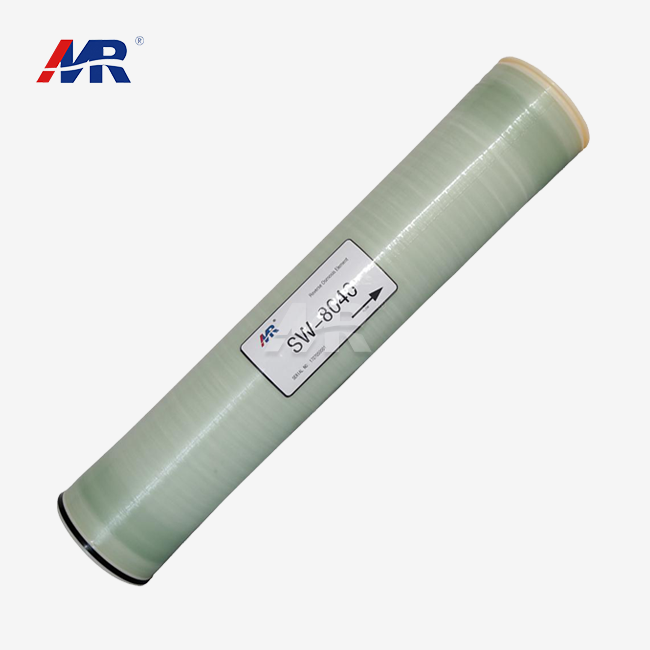 VIEW MORE8040 seawater reverse osmosis membrane
 VIEW MORELandfill Leachate Treatment System
 VIEW MOREDTRO Landfill Leachate Treatment
 VIEW MORE90T/H ultrafiltration equipment
