

_1745823981883.webp)

What Does a RO Reverse Osmosis Water Filter Remove?
A ro reverse osmosis water filter removes up to 99% of dissolved contaminants by forcing water through a semi-permeable membrane with a pore size of approximately 0.0001 microns. This multi-stage purification process eliminates Total Dissolved Solids (TDS), heavy metals such as lead and arsenic, chlorine byProducts, nitrates, PFAS ("forever chemicals"), microplastics, and microbial pathogens. For industrial and commercial buyers, this level of filtration precision directly supports regulatory compliance, product consistency, and process reliability across sectors ranging from food and beverage manufacturing to pharmaceutical production.

Understanding What a Reverse Osmosis Water Filter Removes
It seems very simple, but reverse osmosis works by applying pressure that is higher than the natural osmotic pressure. This forces feed water through a polyamide thin-film composite (TFC) membrane. In a brine stream, pollutants build up and are released as wastewater. Meanwhile, clean permeate flows through and can be used.
Which Contaminants Does RO Actually Target?
ro membranes remove a lot of different types of bad things in water that carbon filtration and UV treatment can't do by themselves. The contaminants effectively reduced include:
- Dissolved solids and salts (TDS): RO systems with a 98% salt rejection rate, like Morui's MR-BWRO-10TH, make brackish water much less conductive, which means it can be used for drinking and sensitive manufacturing processes.
- Heavy metals (lead, arsenic, chromium, cadmium): The U.S. Environmental Protection Agency (EPA) says that drinking water with arsenic levels above 10 parts per billion (ppb) is very likely to cause cancer if you are exposed to it for a long time. At the molecular level, RO screens turn these ions away.
- PFAS and microplastics: A study released in Water Research in 2020 showed that RO membranes can remove more than 95% of perfluoroalkyl substances, which is better than granular activated carbon in this case.
- Nitrates and nitrites: Nitrates are found in a lot of agricultural runoff. They get through carbon or reverse osmosis water filters, but RO membranes catch them and protect the water quality used to make food and drinks.
- Chlorine compounds and disinfection byproducts (DBPs): Free chlorine is cut down by pre-carbon steps before the RO membrane. Without them, free chlorine would break down the membrane over time.
- Microbial pathogens (bacteria, protozoa, viruses): RO is not a disinfection method, but the size of its membrane pores physically keeps most biological threats out.
Understanding this removal profile helps procurement engineers match the needs of the system to water chemical studies specific to the site.
How Does RO Compare to Other Filtration Technologies?
| Filtration Technology | TDS Removal | Heavy Metal Removal | PFAS Removal | Microplastic Removal |
|---|---|---|---|---|
| Activated Carbon Filter | Low | Partial (lead only) | Moderate | Low |
| UV Treatment | None | None | None | None |
| Water Softener | None (ion exchange) | Partial | None | None |
| Ultrafiltration (UF) | Low | Low | Low | High |
| Reverse Osmosis (RO) | High (95–99.7%) | High | High (>95%) | High |
This comparison makes it clear why RO is still the best basic technology for fields that need proven performance in getting rid of multiple contaminants.
Benefits and Practical Applications of RO Water Filters in Industrial Settings
A reverse osmosis water ro reverse osmosis water filter is useful for a lot more than just getting rid of things on the list. What does this system protect, and what does it allow? That is always the real question in industrial procurement.
Morui works with a wide range of industries, from coastal desalination projects to facilities that clean semiconductor chips and need ultrapure water. RO technology consistently provides the clean water that processes further up the line need. Pharmaceutical companies that have to follow GMP guidelines, food makers that have to protect the flavor profiles of drinks, and power plants that have to provide boiler feed water all need water that won't change the output.
Here are the core advantages relevant to B2B procurement decision-makers:
- Process protection: Water with a high TDS level causes heat exchangers, boilers, and membrane surfaces to scale. RO pretreatment makes downstream equipment last a lot longer, which lowers the cost of unplanned maintenance.
- Regulatory alignment: NSF/ANSI 58 certification controls how well RO systems work. Systems that meet or beat these standards are needed by buyers in the food, medicine, and civic sectors.
- Adaptability across source water: RO systems can be set up with the right pretreatment, such as antiscalant dosing, multimedia filtration, and softening, to handle different types of inlet water quality, such as municipal tap water, brackish groundwater, or seawater.
- Scalable from portable units to large-scale plants: The Morui MR-BWRO-10TH, which has a recovery rate of 55–65% and a power consumption of 15 kW/hour, works well for portable potable water production scenarios. Larger configurations, on the other hand, meet the needs of municipalities and businesses.
These advantages resolve real operational pain points: contaminated process water, frequent equipment scaling, regulatory audit failures, and inconsistent product quality. When purchasing managers think about the quality of the water as part of the total cost of ownership, failure rates further downstream are always lower.
Maintenance and Longevity: Ensuring Optimal RO Filter Performance
If you don't do regular upkeep, even the best RO system will break down. It's just as important to understand service intervals and early warning signs as it is to make the initial purchase decision.
What Maintenance Does an Industrial RO System Require?
When to replace the membrane depends on the quality of the feed water and the load on the system, but industrial RO membranes usually work well for 2 to 5 years. RO reverse osmosis water filter s that protect the membrane, like sediment tubes and carbon blocks, need to be changed every 6 to 12 months, based on how cloudy the feed water is and how much chlorine is in it.
Membrane fouling is the main reason why performance goes down. There are signs like a rise in the TDS level in the permeate that can be measured, a drop in the flow rate below what was planned, and a rise in the difference in pressure between the membrane vessels. When done right away, proactive chemical cleaning (CIP, or "Clean-In-Place") with citric acid or sodium hydroxide solutions can get the flow going again without replacing the membrane.
In tough environments, you can't do without pretreatment systems. Calcium carbonate and sulfate scaling can be stopped with an antiscalant shot. Upstream softeners lower the amount of hardness ions that speed up fouling. Specialized pretreatment protocols are needed for feed water that has a lot of silica, which is common in some industrial areas.
Morui's engineering team offers OEM commissioning support, spare parts, and planned maintenance contracts. This lowers the total cost of ownership for procurement managers who value operating consistency over emergency fixes.
Selecting the Right RO Water Filter System: Criteria and Market Overview
What Should Procurement Managers Evaluate Before Purchasing?
To choose an industrial reverse osmosis system, you need to make sure that the technical requirements meet the needs of the business. Important criteria for evaluation include:
- Salt rejection rate: For brackish water uses, the MR-BWRO-10TH delivers a salt rejection rate of at least 98%, which makes sure that the quality of the permeate meets standards for drinkable or process water.
- Recovery rate: Higher recovery rates lower the amount of salt that is released. The MR-BWRO-10TH recovers 55–65% of the water that goes into it. This means that for every 100 liters of feed water, 55–65 liters are turned into usable product water.
- Power efficiency: The MR-BWRO-10TH's 15 kW/hour output and energy use are equal, which is important to keep in mind for off-grid or portable deployment situations, like on boats or in remote farming sites.
- System configuration: Single-pass RO is enough for many uses, but buyers in the semiconductor and pharmaceutical industries often need double-pass RO or RO+EDI polishing to meet ultrapure water standards.
- After-sales support: Long-term dependability is directly affected by things like warranty coverage, the availability of local service, and the wait time for extra parts. Morui has more than 14 branches, 20 engineers, and its own manufacturing capacity for membranes, which allows for quick response times on all sizes of projects.
Before finalizing the terms, buyers should ask for water analysis results that are special to the spot. Generic "off-the-shelf" configurations rarely work specifically for feed water chemistry that isn't typical.
Conclusion
A ro reverse osmosis water filter is still the most thoroughly tested method for cleaning water that is contaminated with multiple contaminants in business and industry settings. RO systems work well at getting rid of heavy metals and PFAS and meeting the TDS levels needed for pharmaceutical GMP and semiconductor fabrication. Their performance can be measured and is well-documented. When procurement managers buy and keep RO systems correctly, they protect both the quality of the process and the long-term cost of the capital. The MR-BWRO-10TH from Morui and its wider range of products have been tested to make sure they reject salt, have flexible recovery rates, and come with engineering support. They were made for buyers who need reliability, not approximations.
FAQ
1. Does RO remove all contaminants from water?
RO gets rid of most of the heavy metals, nitrates, PFAS, dissolved solids, and microbes that are in water. However, extra carbon may be needed after filtration to meet certain standards for some dissolved gases and volatile organic compounds (VOCs) with very low molecular weights
2. How often should industrial RO membranes be replaced?
The life of an industrial RO membrane depends on the quality of the feed water, the system load, and how well the water was treated before the membrane was used. Monitoring the permeate TDS and flow rate on a regular basis shows the first signs of membrane breakdown.
3. Can RO systems handle well water or brackish groundwater?
When used with the right pretreatment, RO systems can handle brackish groundwater well. The MR-BWRO-10TH is intended to work with brackish water, rejecting up to 98% of the salt and recovering 55–65% of it. It can be used for irrigation in agriculture, portable water production, and industrial sites that are far away.
4. Is RO technology safe for food and pharmaceutical production water?
RO systems that are approved to NSF/ANSI 58 are used all over the world to make medicinal GMP water, foods, and drinks. When systems are set up and kept properly, the technology makes water that meets or beats government standards for purity.
Partner with Morui — Your Trusted RO Reverse Osmosis Water Filter Supplier
Morui has been treating water for over ten years and works with industrial and commercial customers all over the world. As a top RO reverse osmosis water filter manufacturer, we offer the MR-BWRO-10TH and a full range of customizable RO systems. We also have in-house membrane production, 20 expert engineers, and one-stop installation and commissioning services. Reach out today to discuss your water quality needs. Contact us at benson@guangdongmorui.com to request a product catalog or consultation.
References
1. U.S. Environmental Protection Agency. Arsenic in Drinking Water. EPA, 2022.
2. Dickenson, E.R.V., & Drewes, J.E. "Wastewater treatment and reuse: water quality and reclamation." Water Research, 2020.
3. American Water Works Association (AWWA). Reverse Osmosis and Nanofiltration Manual of Water Supply Practices. AWWA, 2007.
4. NSF International. NSF/ANSI Standard 58: Reverse Osmosis Drinking Water Treatment Systems. NSF, 2021.
5. Crittenden, J.C., Trussell, R.R., Hand, D.W., Howe, K.J., & Tchobanoglous, G. MWH's Water Treatment: Principles and Design. Wiley, 2012.
6. Metcalf & Eddy / AECOM. Water Reuse: Issues, Technologies, and Applications. McGraw-Hill, 2007.
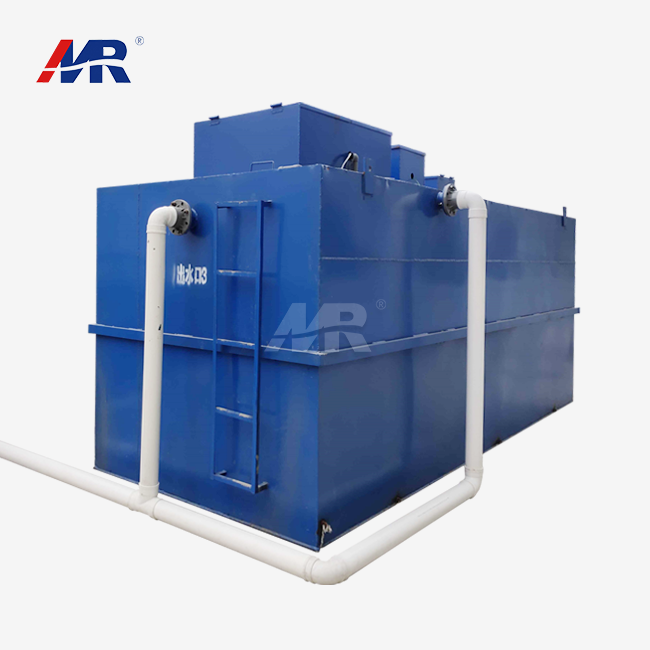 VIEW MOREMBR wastewater treatment plant
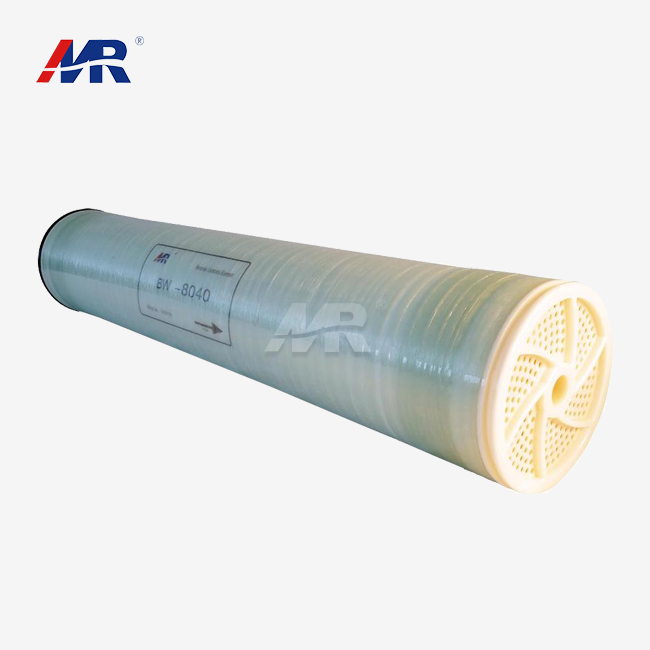 VIEW MORE8040 reverse osmosis membrane
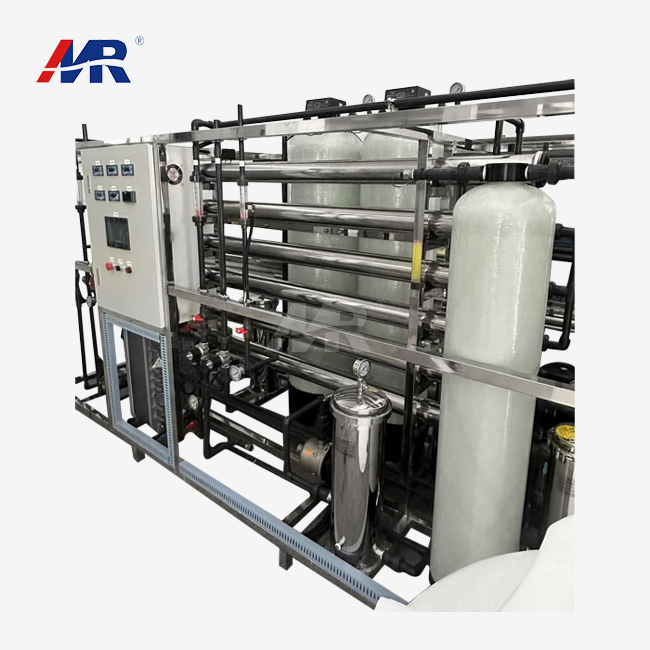 VIEW MOREelectrodeionization edi system
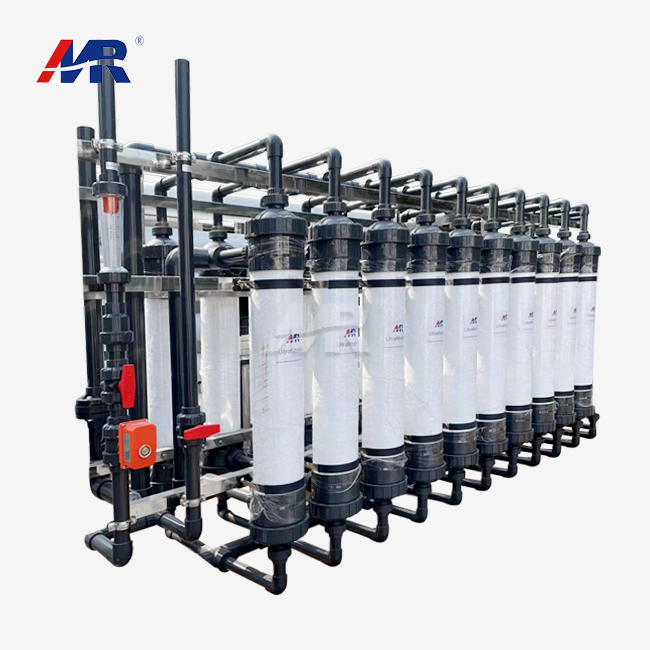 VIEW MOREultrafiltration drinking water system
 VIEW MOREDTRO Technology
 VIEW MOREwater ultrafiltration system
 VIEW MOREreverse osmosis water purification plant
 VIEW MOREmobile container reverse osmosis equipment
