



RO Reverse Osmosis Water Filter Installation Guide
If you are a procurement manager, equipment integrator, or maintenance professional, getting an RO reverse osmosis water filter installed correctly the first time saves money, prevents downtime, and protects water quality. This guide walks through every stage — from understanding system components to step-by-step installation and long-term maintenance — with a focus on the practical realities of B2B water treatment environments. Whether you are sourcing equipment for a new production line or managing scheduled replacements, you will find actionable guidance here.
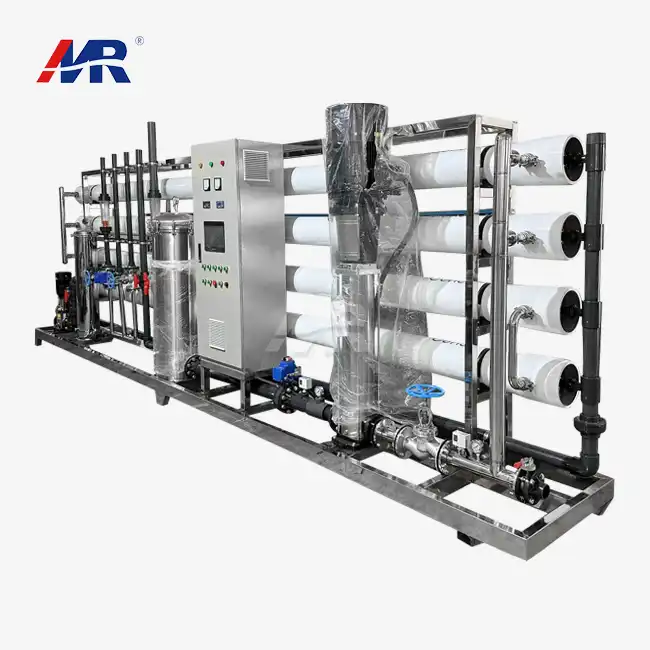
Understanding Reverse Osmosis Water Filters
How RO Membrane Technology Works
Reverse osmosis water filters push feed water through a membrane with holes about 0.0001 microns wide while they are under pressure, which is generally between 40 and 100 psi. The clean permeate water stream is split into a stream of concentrated brine water by this process. At the moment, Polyamide Thin-Film Composite (TFC) membranes are the norm in business. 95% to 99.7% of the time, they can reject salt. The MR-BWRO-10TH from Morui can reject 98% of salt, which makes it great for use with brackish water and for making water on the go in tough field circumstances.
Key System Components
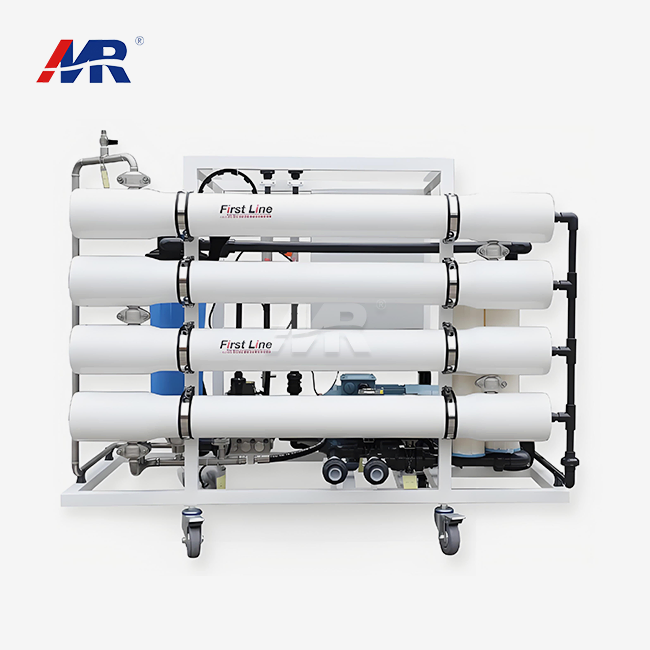
In a RO system that works, there are silt pre-filters, activated carbon pre-filters, the ro membrane housing, a booster pump, a pressure storage tank, and a cleaning stage after the screen. Every part does a certain job. Pre-filters get rid of chlorine and solids that are floating in the fluid and keep the membrane clean. The boost pump makes sure that the feed pressure stays high. Post-filters make the water taste better and get rid of any smells. These parts will not work as well, and the membrane will not last as long if you skip or undersize any of them.
Typical Industrial Applications
RO systems are useful for many business-to-business tasks. Companies that make food and drinks must use clean process water to meet government rules. In drug sites, high-rejection membranes are used to make water that can be used for cleaning and giving shots. It is possible to get drinking water in the field and other faraway places with portable brackish water RO units. The MR-BWRO-10TH, for instance, is made to make potable water. It only needs 15 kW/hour of power and can recover 55–65% of that, so it can be used for short-term or mobile installations.
Preparing for RO Water Filter Installation
Site Assessment and Water Quality Testing
Before you put anything in the water for an RO reverse osmosis water filter, check it. Test the water for TDS, hardness, iron, chlorine, and pH. The membrane scales more quickly when the hardness is above 200 mg/L. If the iron level goes above 0.1 mg/L, fouling will always happen. Our feed water data tells us what kind of pre-treatment we need and what kind of membrane design works best. People often skip this step, which is one of the main reasons why RO systems don't work well after they are set up. Get a good water analysis report and give it to the company that sells you the equipment before you decide on the final design of the system.
Space, Plumbing, and Electrical Requirements
To get rid of the salt, industrial RO units need a floor drain and enough room on the floor for the skid. It should also be easy to change the filters. Make sure that the water flow coming in is within the range that the system says it should work in. Check to see if the power source can power the pump motor. The MR-BWRO-10TH can handle 15 kW/hour, so make sure the circuit has enough power and is grounded before you begin. NSF/ANSI 58 standards must be met by residential RO systems. To be used in the US, however, industrial installations often need extra water contact approvals from UL or the state level.
Tools and Materials Checklist
Getting the right tools and supplies together before the installation day helps keep things on track. This is what a normal build is going to need:
- To join pipes, you need a pipe cutter, an adjustable wrench, and Teflon thread tape.
- A pressure gauge and a TDS meter to check the installation.
- Food-grade tubing and parts that are allowed for the system's working pressure.
- Mounting hardware that fits flush with the surface for easy installation
- Safety glasses and gloves for handling chemicals and skin
- Pipe cutter, adjustable wrench, and Teflon thread tape for plumbing connections
- Pressure gauge and TDS meter for commissioning verification
- Food-grade tubing and fittings rated for the system's operating pressure
- Mounting hardware compatible with the installation surface
- Safety gloves and eye protection for membrane and chemical handling
If you have these things on hand, you can speed up the installation process and make sure that mistakes don't happen at the last minute that throw off the completion date.
Step-by-Step RO Water Filter Installation Process
Positioning and Plumbing Access
The RO skid should be put close to where the feed water comes in and where it goes out. The space between the feed water line and the product water line should be as short as possible. The brine drain line must always slope down to prevent backflow. Before you put pressure on units that can move, like the MR-BWRO-10TH, make sure the skid is flat on the ground, and all the quick-connect parts are locked. Make sure you clearly mark each line (feed, moisten, and salt) so you don't mess up when you start.
Installing Pre-Filters, Membranes, and Storage Tanks
Put in silt cartridges and carbon pre-filters before the membrane housing. Make sure to follow the flow direction marks on the cartridges and pre-filters. Put the RO membrane in the system so that the brine seal faces the end that comes in. Then, press down hard on it until it's in place. Connect the pressure tank to a valve that only turns it off so that it is easy to take apart for repair. All threaded fittings should be tightened to the level that is specified. The plastic housings will crack if you tighten them too much, and it will be hard to find slow leaks if you loosen them too much. You can remember when to change the cartridges if you write down the date they were put in.
Flushing, Leak Testing, and Commissioning
For at least 30 minutes, flush the membrane in a RO reverse osmosis water filter to get rid of the preservation solution and the first particles. Only then should the system be used. While cleaning, check every link point for water. Take the TDS of the finished water and compare it to the TDS of the feed water to make sure the membrane is getting rid of contaminants at the right rate. At normal pressure, the MR-BWRO-10TH should be able to kick out at least 98% of salt. Note down these first readings. During future repair checks, they will help you figure out when the speed is going down.
Maintenance Tips to Maximize RO System Lifespan
Filter Replacement Schedules
Every 6 to 12 months, sediment and carbon pre-filters should be changed. How often depends on the amount of water going through and the quality of the water that comes in. RO membranes can last for two to three years if the system is well taken care of. After that, the rejection rates drop below what is usual. Post filters should be changed once a year. The membrane's life is cut in half if it's not replaced when it's supposed to be. This is because it has to deal with feed water with a higher TDS. A lot of companies that do repairs keep track of when things need to be changed with a logbook or a digital service tracker.
Troubleshooting Common Operational Issues
When a commercial RO service call comes in, there are three issues that happen most often. The low flow of product water is probably due to a clogged pre-filter or a drop in pressure from a broken booster pump. There is also a rise in TDS in the filtrate stream, which means that the membrane or O-ring is breaking. This lets the flow through. Third, if the treated water tastes or smells funny, it's likely that the carbon stage after the filter is full. Instead of replacing the whole membrane assembly at first, it is much cheaper to fix each problem as it arises. This saves a lot of money over the life of the system.
Preventive Strategies for Industrial Environments
To make membranes last longer for the least amount of money, treat the water first. Calcium carbonate and sulfate scaling are less likely to happen in places with hard water that have an antiscalant dosing system put in before the membrane. In places with a lot of chlorine, a special carbon block pre-filter protects the polyamide membrane from damage caused by oxygen. Someone should check the electrical connections, the pump's performance, and the change in pressure across the barrier at least once a year. By following these steps, you can keep your money safe and the system running within the repair range that was set.
Cost Considerations and Procurement Guidance for B2B Clients
Upfront vs. Ongoing Costs
It costs a lot to own a large RO unit, not just to buy one. Costs keep going up because of things like replacing the pre-filter and membrane, using energy, getting rid of the salt, and regularly hiring people to do service calls. 15 kW/hour is what the MR-BWRO-10TH needs. Having this number on hand helps procurement teams make accurate budgets for how much electricity will cost over the life of the system. Most of the time, a system that costs more up front but gets better energy efficiency and lasts longer will save you money in the long run than a cheaper unit that needs to be replaced more often.
Sourcing Certified, Warranty-Backed Equipment
For those in the US, it's best to buy a RO system from a company that can show proof of NSF/ANSI certification, material approvals for use in water, and clear guarantee terms for both the membrane and the main machine. Don't just look at standard sheets; ask providers for real test results that show how well the water they treat looks. A lot of the time, extra parts like membranes and pump parts need to be able to be sent quickly to the United States. After the sale, it's easier to handle service issues when the main machine comes with matched parts and a single warranty from the supplier. This is because you don't have to deal with multiple vendors.
Conclusion
If you install a RO reverse osmosis water filter correctly the first time, you protect the water quality, save money on repairs, and make the machine last longer. The steps in this guide are the same whether you are setting up a single movable unit or adding a bigger system to a water treatment line that is already in place. These steps include checking out the site, putting in the right parts the right way, making sure the system works, and setting up regular maintenance. When buying something for a business, the most important thing is to find a supplier that has the technical know-how to help with setup and maintenance of the equipment long after the sale is over.
FAQ
1. How often should RO membranes be replaced in industrial systems?
In commercial and industrial applications, RO membranes typically last 2 to 3 years when pre-treatment is maintained properly. High-TDS feed water or inconsistent pre-filter replacement shortens this interval. Monitor permeate TDS regularly — a consistent rise of 10–15% above your baseline reading is a reliable indicator that the membrane needs replacement.
2. Can an RO system remove PFAS and fluoride from water?
Yes. Reverse osmosis membranes with pore sizes around 0.0001 microns reject PFAS compounds, fluoride, nitrates, arsenic, and lead at high rates. A properly operating system with a 98% salt rejection rate will also remove the majority of dissolved organic contaminants. Standard carbon filters cannot match this level of removal for dissolved ionic pollutants.
3. What is the difference between RO and ultrafiltration (UF)?
RO removes dissolved solids and ionic contaminants by applying pressure across a dense semi-permeable membrane. UF operates at lower pressure and uses a membrane with larger pores, effective for removing bacteria, viruses, and suspended particles but not dissolved salts or heavy metals. For applications requiring low TDS output, RO is the correct technology choice.
4. What recovery rate should I expect from a brackish water RO unit?
A well-designed brackish water RO system typically achieves a recovery rate of 55–65%. The MR-BWRO-10TH is rated at this range, meaning 55–65% of the feed water becomes usable permeate, with the remainder discharged as brine.
Partner with Morui for Your Next RO Water Filter Project
A company called Guangdong Morui Environmental Technology Co., Ltd. sells industrial RO reverse osmosis water filter systems. The company also has its own membrane factory, Shimge pump agency, and Runxin valve integration capabilities. With bundled equipment, one-stop installation and commissioning, and a joint warranty, Morui is a reputable RO reverse osmosis water filter manufacturer. Get in touch with Our Team right away to find out how much something costs or for technical help. Email benson@guangdongmorui.com to talk about what you need for your project.
References
1. AWWA (American Water Works Association). Water Quality and Treatment: A Handbook on Drinking Water. 6th ed. McGraw-Hill, 2011.
2. Crittenden, J. C., et al. MWH's Water Treatment: Principles and Design. 3rd ed. John Wiley & Sons, 2012.
3. NSF International. NSF/ANSI 58: Reverse Osmosis Drinking Water Treatment Systems. NSF International, 2021.
4. Metcalf & Eddy. Water Reuse: Issues, Technologies, and Applications. McGraw-Hill, 2007.
5. U.S. Environmental Protection Agency. Drinking Water Treatability Database: Reverse Osmosis. EPA Office of Water, 2020.
6. Fritzmann, C., et al. "State-of-the-art of reverse osmosis desalination." Desalination, vol. 216, no. 1–3, 2007, pp. 1–76.
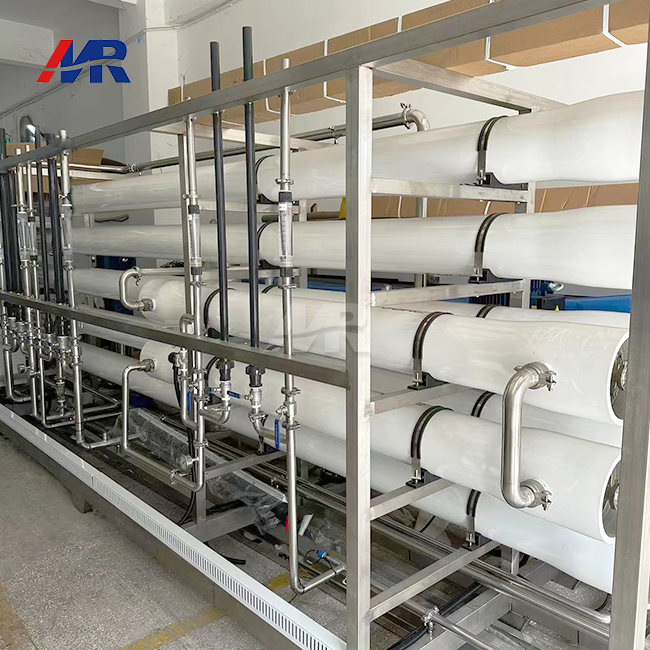 VIEW MOREosmosis drinking water system
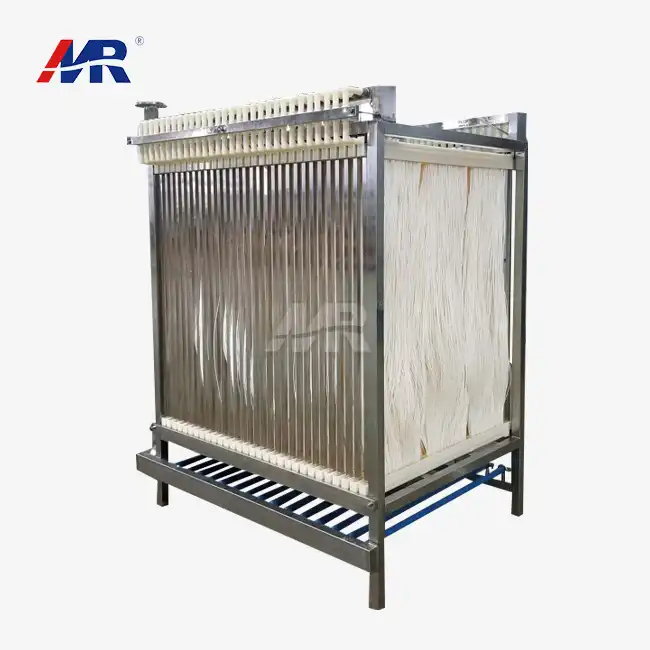 VIEW MOREMBR membrane
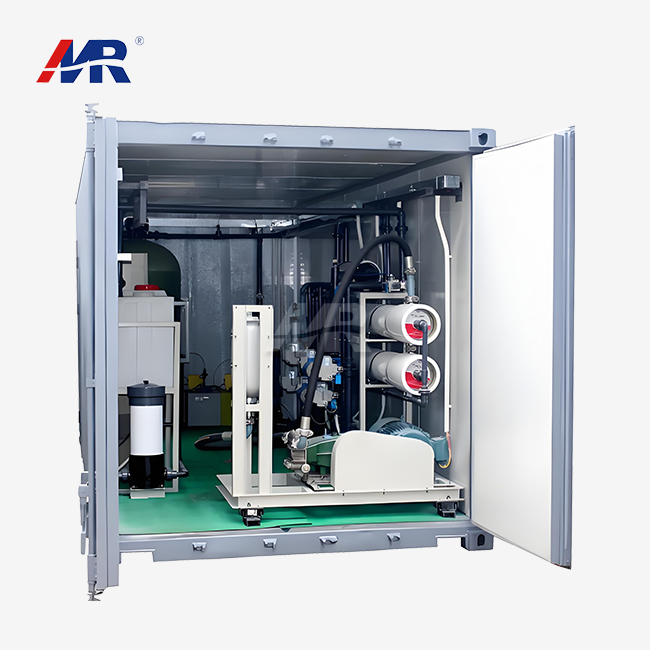 VIEW MOREcontainerized UF+RO system
 VIEW MOREDTRO Technology
 VIEW MORE20m3/hour seawater desalination equipment
 VIEW MORE5m3/hour seawater desalination equipment
 VIEW MORE2m3/hour seawater desalination equipment
 VIEW MOREseawater desalination system