


Best Practices for Biological Reactor Wastewater Treatment
The term "biological reactor wastewater treatment" refers to the use of engineered systems that employ regulated microbial populations for the purpose of decomposing organic contaminants, nitrogen, and phosphorus that find their way into wastewater streams. In order to speed up the process of pollutant degradation, these systems, which include membrane bioreactors (MBR), sequencing batch reactors (SBR), and moving bed biofilm reactors (MBBR), keep high concentrations of biomass inside vessels that are relatively small. The recurrent pain points in the business are addressed by these solutions: high COD discharge levels, excessive sludge production, restricted site footprints, and the inability of physical-chemical processes to achieve Class A effluent regulations in an economically viable manner, respectively. When it comes to municipal operators, industrial park wastewater managers, and decentralised site engineers, the selection of the appropriate biological treatment technology is directly responsible for determining the operating cost and regulatory results, respectively.
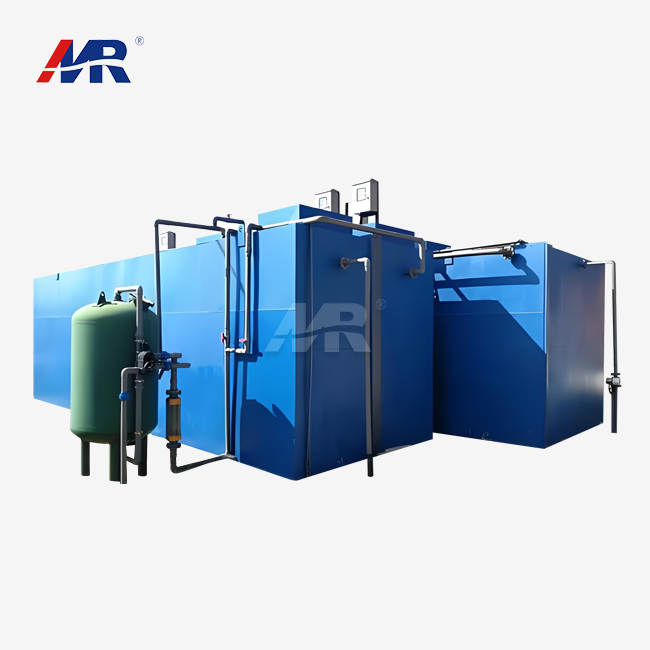
Understanding Biological Reactor Wastewater Treatment
What Is a Biological Reactor?
One kind of controlled vessel is known as a biological reactor. Within this vessel, microorganisms are able to metabolise dissolved organic matter under regulated parameters, which include oxygen level, temperature, pH, and hydraulic retention time (HRT). Heterotrophic bacteria, which are responsible for the conversion of BOD and COD into carbon dioxide and water, are supported by oxygen that is supplied by aerobic reactors. Despite the absence of oxygen, anaerobic reactors are able to reduce the amount of sludge while simultaneously creating biogas as a by-product. Denitrification, which is the process of turning nitrates into nitrogen gas for the purpose of nutrient removal, is handled by anoxic zones.
Key Reactor Types in Modern Treatment
The four reactor designs that are listed below are the ones that are most often used in B2B procurement selections today:
- The suspension of microbial flocs is the responsibility of activated sludge systems, which are installed in aerated tanks. On the other hand, despite the fact that they are advantageous for high-flow municipal plants, they need massive land expanses and produce a significant quantity of sludge.
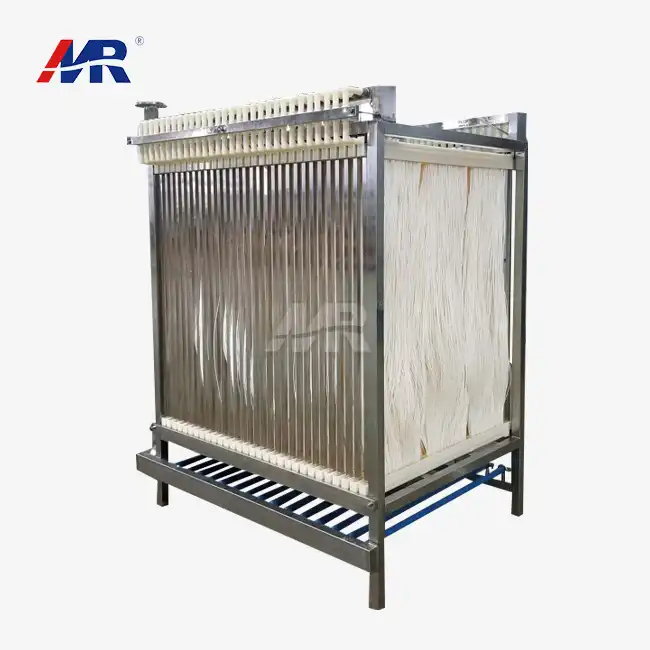
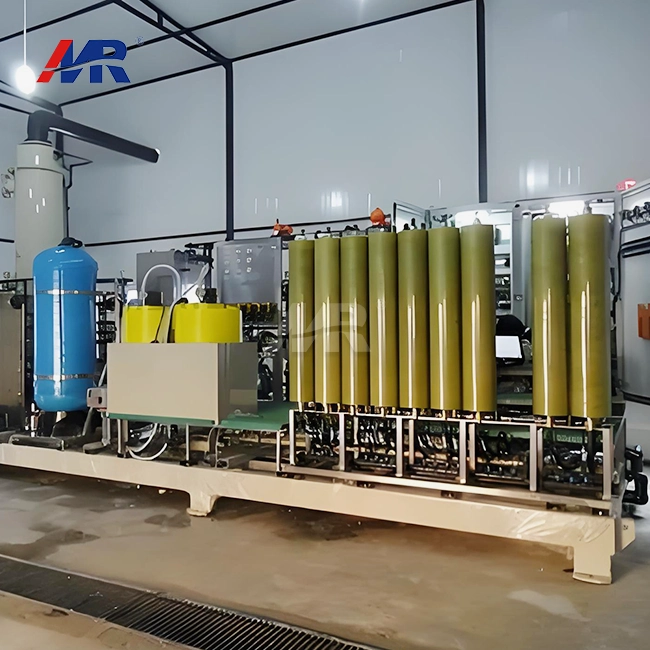
- The creation of effluent that is clean enough to be reused directly is achieved via the use of membrane bioreactors (MBR), which combine activated sludge with membrane filtration. For the Morui MR-MBR-20, a PVDF flat-sheet membrane is used. This membrane is equipped with a pore size of 0.2 µm, an effective area of 20 m², and module dimensions of 2000×578×39.4 mm. Through the use of this membrane, suspended particles, bacteria, and the vast majority of pathogens are successfully prevented from entering the effluent that has been treated.
- Reactors known as Moving Bed Biofilm Reactors (MBBR) are equipped with plastic carriers and are capable of producing biofilm. Because these reactors provide resistance against organic shock loads, they are advantageous for the effluent that is produced by industries such as textile manufacturing and food processing.
- Anaerobic digesters have qualities that allow them to reduce the bulk of sludge and recover energy from high-strength industrial effluent. Because of these properties, anaerobic digesters are suitable for use in large-scale food or aquaculture operations.
Why Biological Methods Outperform Chemical Treatment
It is possible for chemical dosing to precipitate phosphorus and disinfect effluent; however, it is not possible for it to remove dissolved biological oxygen demand (BOD) in an efficient manner or accomplish the nitrogen reduction that is required by EPA National Pollutant Discharge Elimination System (NPDES) permits. Both of these things are desirable. Additionally, biological systems create less chemical residue and have lower long-term reagent costs on average. Both of these objectives may be performed simultaneously by biological systems, which also produce less chemical residue. According to the findings of a study that was carried out by the Water Research Foundation in the year 2021, MBR systems are capable of achieving effluent turbidity levels that are consistently lower than 0.2 NTU and total nitrogen levels that are lower than 10 mg/L. When it comes to chemical-only processes, they are values that are only seldom achieved.
Best Practices in Biological Reactor Design and Operation
Controlling Key Operating Parameters
Maintaining dissolved oxygen (DO) between 1.5 and 3.0 mg/L in aerobic zones is critical for biological reactor wastewater treatment. DO levels below 1.0 mg/L promote filamentous bacteria growth, causing sludge bulking. Temperature should stay between 15°C and 35°C for optimal nitrification; below 10°C, nitrifier activity drops sharply. pH should remain between 6.5 and 8.0. Real-time sensors connected to PLC control panels—like those used in the MR-MBR-20 system—allow automated adjustments that maintain these parameters without constant manual intervention.
Reactor Sizing and Configuration
Purchasing a reactor that is too small is one of the most frequent mistakes that may be made. It is recommended that engineers focus their size decisions on peak-hour flow rates rather than the average daily flow. Additionally, an equalisation tank should be included upstream in order to cushion organic and hydraulic load spikes. The ratio of food to microorganisms (F/M) must be in accordance with the strength of the influent: high-strength industrial wastewater (COD > 2,000 mg/L) requires longer sludge retention times (SRT) of 15–25 days, but household sewage normally functions well at 10–15 days.
Membrane Maintenance and Longevity
Within the context of MBR arrangements, membrane fouling is the most significant operating difficulty. Throughout the membrane's service life, flux is maintained in a steady manner via a three-tier approach:
- Air scouring causes shear stress to be generated across the surface of the membrane, which significantly reduces the production of cake layers during normal operation.
- It is common practice to perform relaxation and backwash cycles at predetermined intervals, often every 8–12 minutes of filtration, followed by a relaxation that lasts between 1 and 2 minutes, in order to remove accumulated particles.
- On a weekly or biweekly basis, the removal of pore-blocking organics and mineral scalants may be accomplished by the use of Chemically Enhanced Backwash (CEB), which employs sodium hypochlorite to the extent of 200–500 mg/L or citric acid to the extent of 0.2–0.3%.
The service life of PVDF mbr membranes, such as those used in the MR-MBR-20, may range anywhere from five to ten years provided they are maintained regularly. When subjected to standard wear conditions, MBBR plastic carriers have a lifespan of more than 15 years.
Comparing Biological Reactor Solutions for Industrial and Municipal Wastewater
MBR vs. Activated Sludge: Space and Effluent Quality
In situations when space is restricted, such as when cities are being upgraded, when systems are being built up on islands, or when construction sites need temporary systems, MBR treatment may sometimes function just as well or even better than ordinary activated sludge. The amount of space it occupies is reduced by around 30 to 50 percent. Additionally, there is no need for an additional step to be taken in order to make the wastewater from an MBR system cleaner since it already satisfies the specifications for recovered water. All of the suspended particles and coliform bacteria are eliminated by the flat-sheet PVDF module of the MR-MBR-20, which measures 0.2 µm. As a result, the module may be reused for activities such as flushing toilets, watering plants, and maintaining a cool environment in workplaces.
Aerobic vs. Anaerobic: Energy and By-Products
Approximately 0.3 to 0.6 kWh/m3 of the energy that is produced by an MBR is used for aeration, which is the primary function that aerobic systems perform. On the other hand, anaerobic systems turn methane into biogas, which may be used for heating or powering other things. The use of a two-stage anaerobic-aerobic mix results in significant energy savings for wastewater with a biological oxygen demand (BOD) level that is more than 4,000 mg/L. To this day, aerobic membrane bioreactors (MBR) continue to be the most effective method for cleaning sewage from residential and moderately strong industrial effluent (BOD less than 1,000 mg/L).
Cost-Effectiveness and ROI
Teams in charge of buying things often only think about how much the item costs and not how much it will save over time for biological reactor wastewater treatment. A report from the Water Environment Federation (WEF, 2022) says that MBR systems are 40% to 60% cheaper than activated sludge when it comes to moving waste. Less sludge means less equipment for dewatering, fewer trips by truck, and lower costs for getting rid of it. After 3 to 5 years of use, these savings generally cover the higher cost of the membrane.
Procurement Guide: How to Source Biological Reactor Wastewater Treatment Systems
Evaluating Suppliers and Certifications
It is important for those who are interested in purchasing anything in the United States to verify that the control panels are UL-approved and that the product complies with the NSF/ANSI criteria for materials that come into contact with water. When the system is operating continuously, you should request that a third party provide you with effluent quality test results that display the actual COD, BOD, TSS, TN, and TP values measured. Keep an eye out for service providers that are unable to supply you with information that has been verified in the field.
Assessing Turnkey Capability
In addition to planning the procedure, constructing the tools, assembling the tank or container, delivering it, turning it on at the location, and providing training to the individuals who will be operating it, a comprehensive service provider is essential. This approach of a single source reduces the number of complications that arise with collaboration and speeds up the deadlines for the project. Morui's engineering team, which consists of twenty engineers and a variety of locations to process equipment, such as a facility that manufactures membranes in-house, is responsible for providing all of these services.
Pricing Structure and Negotiation
The price of MBR units that are installed is often determined by the amount of water that they are able to clean in a single day (m3/day). When you place a reorder for membrane modules once a year, you will each be charged a different price. It is expected that the spare parts package will include sufficient consumables to last for at least a year. In addition to this, you should have a documented operational approval procedure that establishes quality objectives for the effluent, as well as a clear assurance that the membrane will be able to maintain the flux.
Future Trends in Biological Reactor Wastewater Treatment
IoT and Automated Process Control
PLC systems that are connected to the cloud and can be monitored from a distance are found in the majority of newly installed systems. From their cellphones, operators are able to examine the concentration of dissolved oxygen (DO), the membrane transmembrane pressure (TMP), and the current state of the pump. Rather than making as many trips to the location, this makes it easier to locate fouling incidents more quickly. In addition to being able to completely automate PLCs, the MR-MBR-20 may be used remotely and monitored from a place of safety.
Tightening Discharge Regulations
In order to comply with the Clean Water Act, the Environmental Protection Agency (EPA) of the United States is required to continually modify the regulations governing rubbish. To put it another way, those who are in possession of permits are being pushed near nutrient limitations that cannot be satisfied by standard secondary treatment without significant adjustments being made. The MBR technology already satisfies these criteria when it is used in a typical manner. Consequently, those businesses that believe that the requirements for licenses will grow more stringent in the future should purchase it.
Modular and Containerized Deployment
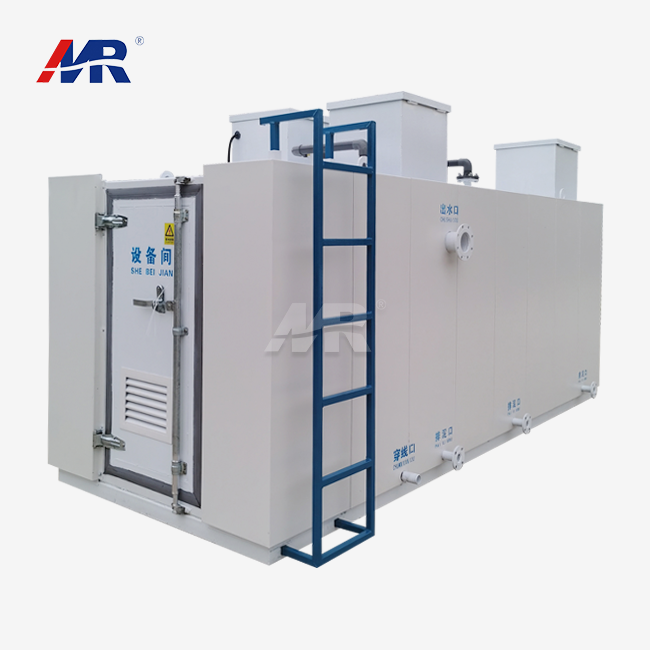
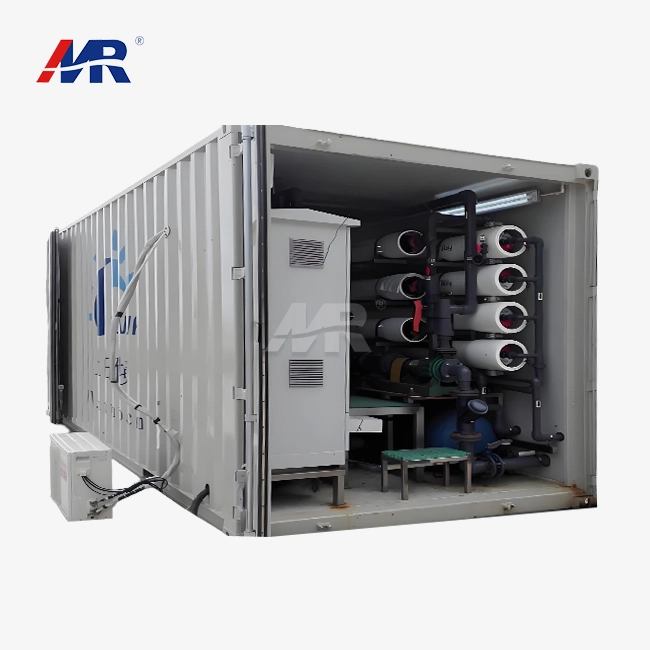
It is simple to transport containerised systems to locations that are either temporary or far located, such as building sites, picturesque regions, or locations that need assistance after a tragedy. Crates are used to transport Morui's MBR configurations, which are fully assembled and ready to be connected. These setups are supplied to customers. It is for this reason that the amount of time required for testing and construction on-site is reduced.
Conclusion
The biological reactor wastewater treatment design must be able to handle the quality of the feedwater, the site's limitations, and the discharge goals. This is what makes the difference between successful projects and costly retrofits. MBR technology, especially flat-sheet PVDF designs like the MR-MBR-20, produces high-quality wastewater with little sludge and a small footprint, which meets both present and future legal needs. Using operating data instead of brochures to decide what to buy will give you the best long-term results. This is true whether you are improving a city plant that is already there, taking care of organic wastewater from a business, or setting up an autonomous system in a faraway place.
FAQ
1. How long do MBR membranes typically last?
With regular air scouring and chemical cleaning on a predetermined schedule, PVDF flat-sheet membranes may last anywhere from five to ten years. Similarly, hollow-fiber membranes have a spectrum of operating conditions. Additionally, the service life of biofilm carriers in MBBR systems is greater than 15 years.
2. Can an existing activated sludge plant be upgraded to MBR?
Indeed. It is common practice for retrofit projects to include the installation of membrane modules into pre-existing aeration tanks, as well as the installation of a membrane blower and filter skid. In addition to a considerable improvement in effluent quality, the civil cost is much cheaper than the cost of constructing a new plant.
3. How do you maintain treatment performance during variable load conditions?
A buffer for peak-hour surges is provided by equalisation tanks located upstream of the reactor. With the help of PLC-controlled blowers, aeration can be adjusted in real time depending on the input from DO sensors. This allows for the maintenance of steady microbial activity even when the BOD of the influent varies by 30–40%.
4. What effluent quality does the MR-MBR-20 produce?
The PVDF membrane with a thickness of 0.2 µm is capable of physically removing all suspended particles and coliform bacteria. The system, when combined with the aerobic biological stage, aims to achieve turbidity levels below 0.2 NTU, COD levels below 50 mg/L, BOD levels below 10 mg/L, TSS levels below 5 mg/L, and turbidity levels below 0.2 NTU, which achieves the specifications for Class A discharge or reclaimed water reuse.
Partner with Morui for Your Next Biological Reactor Wastewater Treatment Project
Morui makes biological reactor wastewater treatment units that clean up pollution and sells them. They also make their own PVDF membranes and have 20 engineers ready to help you with your project from the beginning stages of planning to the end tests. The MR-MBR-20 can be bought either in its normal form or as an OEM product. Please get in touch with us to get test results for effluent, information about capacity, or a quote that is made just for your project. Send Morui an email at benson@guangdongmorui.com to begin.
References
1. Water Research Foundation. Membrane Bioreactor Technology: Performance and Cost for Municipal Wastewater Treatment. Water Research Foundation, 2021.
2. Water Environment Federation (WEF). Membrane Bioreactors: Design, Operation, and Applications for Wastewater Reclamation. WEF Press, 2022.
3. US Environmental Protection Agency. Wastewater Technology Fact Sheet: Membrane Bioreactors. EPA 832-F-07-008, 2007.
4. Metcalf & Eddy / AECOM. Wastewater Engineering: Treatment and Resource Recovery, 5th ed. McGraw-Hill Education, 2014.
5. Judd, S. The MBR Book: Principles and Applications of Membrane Bioreactors for Water and Wastewater Treatment, 2nd ed. Elsevier, 2011.
6. Tchobanoglous, G., Stensel, H. D., Tsuchihashi, R., & Burton, F. Wastewater Engineering: Treatment and Resource Recovery. McGraw-Hill, 2014.