_1745823981883.webp)

Advanced Wastewater Treatment System: Key Benefits
An advanced wastewater treatment system represents the next generation of water purification — one that goes far beyond what conventional primary and secondary methods can achieve. By integrating technologies like membrane Bioreactors (MBR), Reverse Osmosis (RO), Advanced Oxidation Processes (AOP), and Electro-deionization (EDI), these systems eliminate refractory organics, micropollutants, heavy metals, and emerging contaminants such as PFAS and pharmaceuticals. Whether you operate a food processing plant, a semiconductor fab, or a municipal wastewater facility, understanding the core benefits of these systems can directly impact your regulatory compliance, operational cost, and long-term sustainability strategy.
What Is an Advanced Wastewater Treatment System — And Why Does It Matter?
There are still a lot of places in the U.S. that use traditional biological treatment. It works pretty well with bulk organic load, but it wasn't made to deal with the pollutants that modern industries make, like micropollutants, nitrogen/phosphorus surpluses, pharmaceutical residues, and high-salinity effluents.
Under the Clean Water Act, the EPA has slowly tightened the limits on how much water can be discharged. Now, state regulations are doing the same. If a facility doesn't meet these standards, it could be fined, have its permit taken away, or have its reputation hurt. The difference between the quality of secondary sewage and the current permit standards is filled by an advanced wastewater treatment system.
How Does Tertiary Treatment Differ From Secondary Treatment?
Biological processes are used in secondary treatment to lower BOD and dissolved solids. More steps are added in tertiary treatment, such as membrane filtration, UV disinfection, chemical precipitation, and nitrogen stripping. This makes wastewater that can easily go back into water cycles or meet Zero Liquid Discharge (ZLD) goals. In fields like pharmaceuticals and electronics manufacturing, where ultrapure water is used in the production process, this difference is not just theoretical; it is practical.
Key Benefits of Advanced Wastewater Treatment Systems
You can see real benefits in many areas when you switch to a better treatment process. Procurement leaders in the energy, industrial, and local sectors always put these benefits at the top of their list:
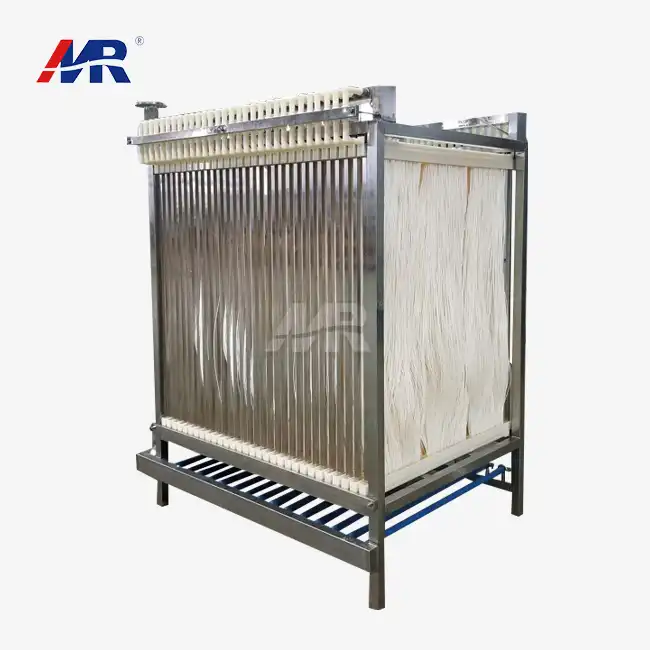
- Superior removal of contaminants: MBR technology can get rid of dissolved solids to almost zero levels and remove BOD at rates above 98%. PFAS compounds and pharmaceutical residues that biological treatment can't get rid of are broken down by AOP processes. For companies that make food and drinks or medicines, this directly helps with GMP compliance and product safety.
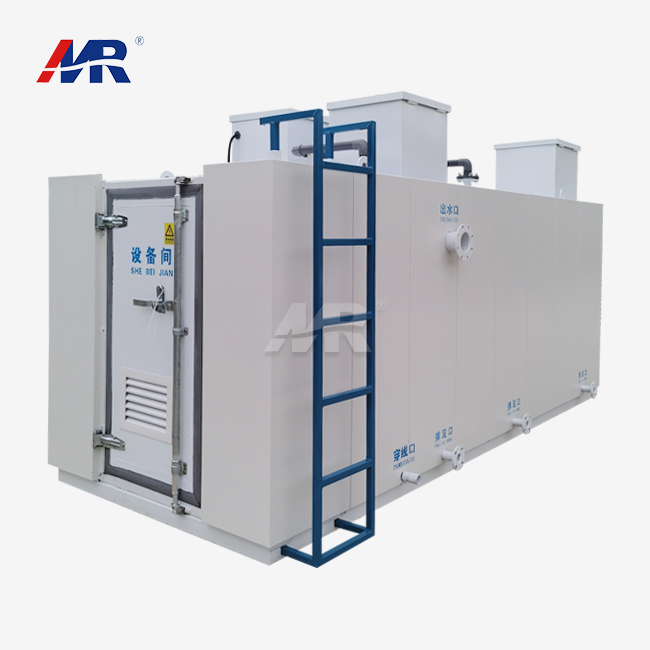
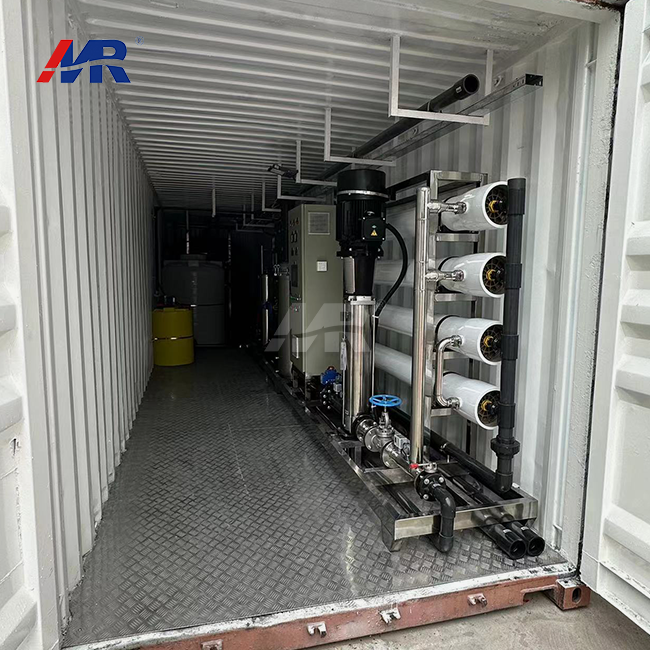
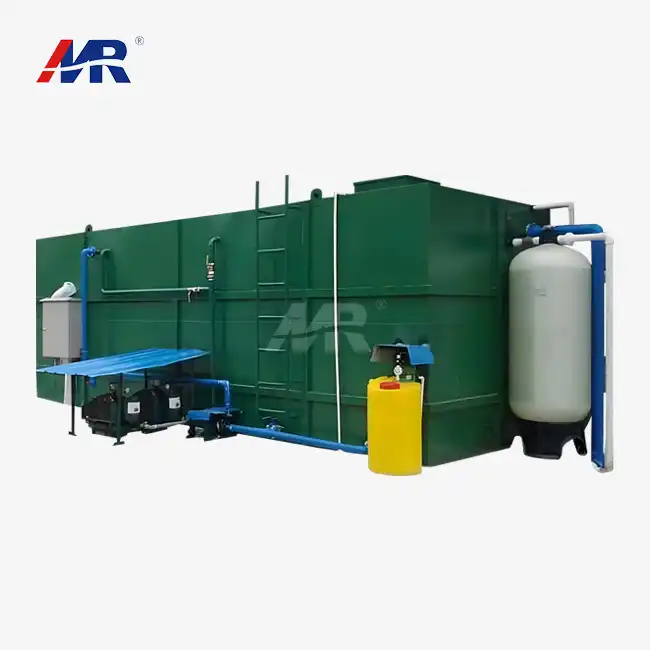
- Compact physical footprint: Compared to traditional clarifier-based plants, membrane-based systems combine more treatment stages into a smaller unit area. For example, the Morui MR-MBR-6TH works in an 8 × 2 × 2.4-meter area and can handle 120 m³/day using an AAO+MBR flow method. This means it can be used in places with limited site room.
- Water reuse enablement: Treated wastewater from an advanced wastewater treatment system often meets standards for recovered water that can be used in industry, for irrigation, or to make up cooling towers. According to the U.S. Water Research Foundation, reusing water in industry can cut the need for freshwater by 30–50% in some cases.
- Regulatory future-proofing: As EPA rules change and make limits on nitrogen, phosphorus, and new contaminants stricter, systems that can remove nutrients and micropollutants will still be legal without having to pay for expensive upgrades.
- Lower sludge generation: MBR configurations make a lot less extra sludge than activated sludge systems, which lowers the cost of disposal, which is a big deal for facilities that handle hazardous or pharmaceutical-grade waste streams.
All of these benefits add up to a lower total cost of ownership over the system's useful life. This is especially true when you consider the fact that you won't have to pay as much for regulatory fines, freshwater, and sludge hauling.
Advanced vs. Conventional Wastewater Treatment: How Do They Compare?
It helps to see the differences clearly, especially when you are writing a case for a capital expenditure for senior management or someone in charge of money.
| Criteria | Conventional Treatment | Advanced Treatment |
|---|---|---|
| Contaminant removal depth | The basic pathogens, BOD, and TSS | Heavy metals, micropollutants, nutrients, and PFAS |
| Sludge generation | High | Significantly lower (MBR) |
| Footprint | Large structure based on clarifiers | Small and modular |
| Energy consumption | Moderate | IoT monitoring has made it better |
| Regulatory compliance | Standard permits for discharge | Meets strict and new standards |
| Water reuse potential | Limited | High—supports ZLD goals |
| Upfront capital cost | Lower | Higher TCO at first, but lower over time |
The difference in starting costs is real, but it gets smaller quickly when you count the money you save on running the business. A study released in 2022 in the Journal of Cleaner Production found that MBR systems paid for themselves in 3–6 years when used in place of traditional activated sludge plants. This was mostly due to lower costs for managing sludge and more money made from reusing wastewater.
What Should B2B Procurement Teams Look for in a Supplier?
Choosing an advanced wastewater treatment system isn't just a technical choice; it's also a relationship with the seller that lasts for years and includes installation, commissioning, and upkeep. Here's what buying experts with a lot of experience always say can't be changed:
Does the Supplier Have Proven Engineering Depth?
Don't just look at product brochures. Suppliers with their own facilities for making membranes, dedicated engineering teams, and a history of installing membranes on multiple projects have a much lower risk of late deliveries. Guangdong Morui Environmental Technology has 20 engineers on staff, runs its own membrane factory, and has more than 14 branch operations. This gives the company the ability to have shorter wait times and better quality control.
What Certifications and Standards Does the Equipment Meet?
Check that the product meets NSF/ANSI standards, EPA disposal guidelines, and, if needed, FDA or GMP paperwork for pharmaceutical-grade uses before putting it on the U.S. market. When equipment is made to traceable quality standards, it makes site checks easier to do their jobs right.
Is Aftermarket Support Part of the Package?
A system that works well when it is first set up but breaks down quickly because the membrane wasn't maintained properly loses its value very quickly. Morui offers complete installation and testing services, and the MR-MBR-6TH's AAO+MBR configuration is made for easy membrane replacement cycles, which cuts down on downtime in places that are always running, like wastewater treatment plants or industrial plants that are open 24 hours a day, seven days a week.
Where Is Advanced Wastewater Treatment Technology Heading?
Smarter, more self-driving systems are becoming the norm in the business. With IoT-enabled tracking tools, workers can now keep an eye on membrane flux, transmembrane pressure, and effluent quality data in real time and from afar. This lets them do preventative maintenance instead of reactive repairs. Large city sites are testing AI-driven process optimization to change aeration and chemical dosing on the fly based on changes in the influent.
Regulatory drivers are just as important. The EPA's ongoing PFAS National Primary Drinking Water Regulation and the growing list of "waters of the United States" that are subject to CWA enforcement show that treatment standards for an advanced wastewater treatment system will only get stricter. Facilities that buy advanced systems that are adaptable and modular now will be well ahead of the compliance curve.
Adopting the circular economy is also changing how things are bought. Phosphorus that is recovered from wastewater can be used as fertilizer, and treated effluent can help cities meet their freshwater needs. These ways of recovering resources are becoming ways for forward-thinking industrial operators to stand out from the competition.
Conclusion
Moving from traditional to an advanced wastewater treatment system is not an option; it is a strategic necessity for businesses that have to deal with stricter rules and higher standards for sustainability. The technology improves compliance, water recovery, and working efficiency in a number of settings, ranging from small MBR-based sewage systems in homes to large ZLD installations in petroleum and semiconductor factories. Whether a project lives up to its full potential or falls short depends on how well the right method and supplier are chosen. The most reliable way to get a good procurement result is to do a lot of research on the supplier's skills, engineering depth, and aftermarket support.
FAQ
1. What industries benefit most from advanced wastewater treatment systems?
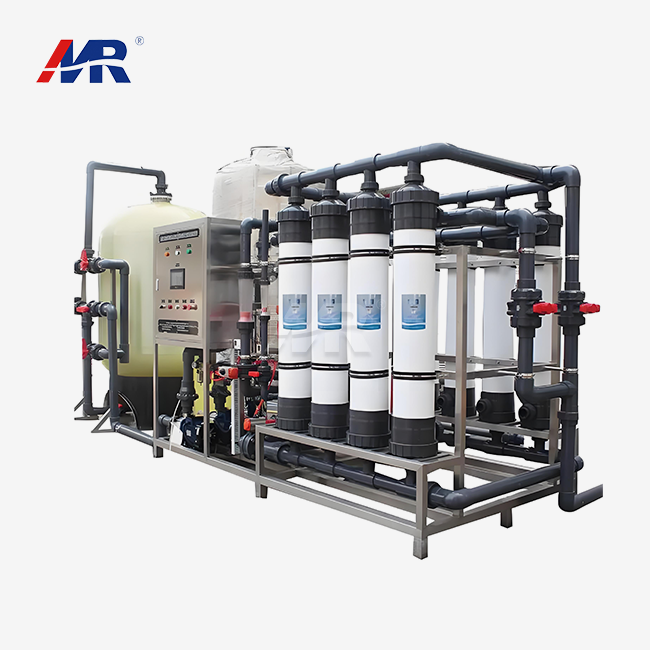
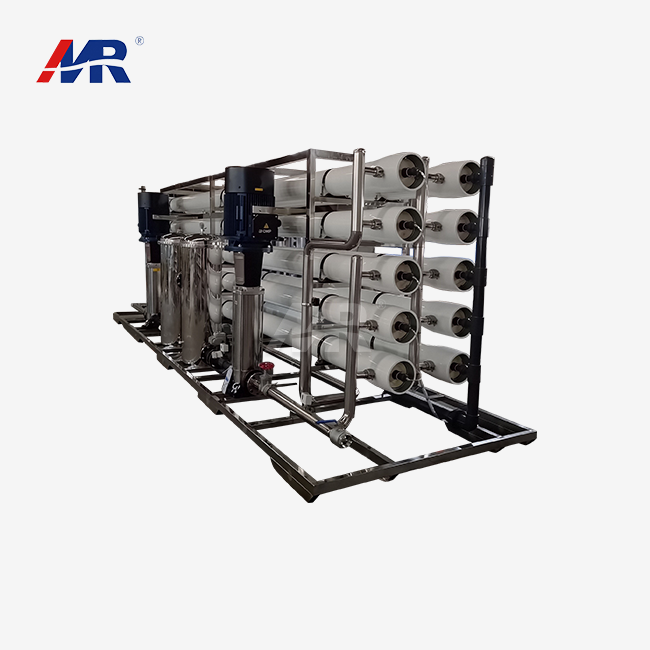
Many industries that use a lot of water can benefit, but the ones that have the most significant effects are pharmaceuticals (GMP-grade purified water), electronics manufacturing (ultrapure water for chip cleaning), food and beverage (RO-treated production water), power generation (boiler feedwater), and municipal wastewater plants upgrading to meet new discharge permits. Pathogens in recirculating systems are also controlled in aquaculture operations by using advanced treatment based on ultrafiltration.
2. How does MBR technology differ from conventional activated sludge?
MBR swaps out the secondary clarifier for a membrane separation unit, which gets rid of much smaller solids and makes the effluent clearer. It works with higher concentrations of mixed liquor, which means that a smaller biological reactor is needed and the system has a much smaller overall footprint.
3. What is Zero Liquid Discharge, and does advanced treatment support it?
Zero Liquid Discharge, or ZLD, is a way to handle water management in which no liquid waste leaves the building. Advanced treatment systems that combine RO, EDI, and AOP are the major technologies that allow industrial operators to use ZLD.
4. What is the typical capacity range for modular MBR systems?
The Morui MR-MBR-6TH and other modular machines can handle 120 m³/day in a small 8 × 2 × 2.4-meter building. Larger sites can handle more than tens of thousands of cubic meters of waste per day for cities by using a parallel configuration or special engineering.
Partner With Morui for Your Next Advanced Wastewater Treatment System
The engineering team at Morui is ready to help you with your project, whether you need a small unit for household waste or a big one for commercial waste. As a specialized company that makes advanced wastewater treatment systems, we bring to every job our own membrane production, approved tools, and full installation services. You can email us at benson@guangdongmorui.com to get a technical consultation and quote for a system.
References
1. U.S. Environmental Protection Agency. Wastewater Technology Fact Sheet: Membrane Bioreactors. EPA, 2007.
2. Judd, S. The MBR Book: Principles and Applications of Membrane Bioreactors for Water and Wastewater Treatment. Elsevier, 2011.
3. Tchobanoglous, G., Stensel, H. D., Tsuchihashi, R., & Burton, F. Wastewater Engineering: Treatment and Resource Recovery, 5th ed. McGraw-Hill, 2014.
4. Journal of Cleaner Production. Life cycle assessment and cost analysis of MBR versus conventional activated sludge for industrial wastewater reuse. Elsevier, 2022.
5. Water Research Foundation. Industrial Water Reuse: Drivers, Technologies, and Case Studies. WRF, 2020.
6. U.S. EPA. PFAS National Primary Drinking Water Regulation Rulemaking. Federal Register, 2024.