


What Industries Use a 1000LPH EDI System for High-Purity Water Supply?
Scope note: "1000LPH" in this article denotes a notional product-water flow of around 1,000 liters per hour or about 1 cubic meter per hour. The actual output will depend on the quality of the supply water, its temperature, the rate of recovery, and the precise design of the EDI module installed. A 1000LPH edi system utilizes continuous ion-exchange membranes and an applied electric field to remove dissolved ions from reverse osmosis permeate without the use of acid or caustic regeneration. I deal with customers in Asia, Africa, and South America who require this precise flow rate for pharmaceutical filtered water, electronics rinsing, lab reagents, and boiler make-up. In this post, we address which industries need a 1000LPH EDI system, what feed-water conditions are required, and how to assess vendors before committing funds. To summarize, in the pharmaceutical and biotech industries, this flow rate is used for purified-water loops feeding formulation and cleaning. Electronics and solar industries use it for wafer and panel cleaning where ionic residue causes problems. Used by Labs and research institutions for instrument feeding and reagent preparation. Power companies and chemical facilities utilize it for boiler make-up water when scaling costs more than the equipment. While diverse groups raise different issues, they all begin with the same underlying reality – EDI is only as good as the RO water feeding it.
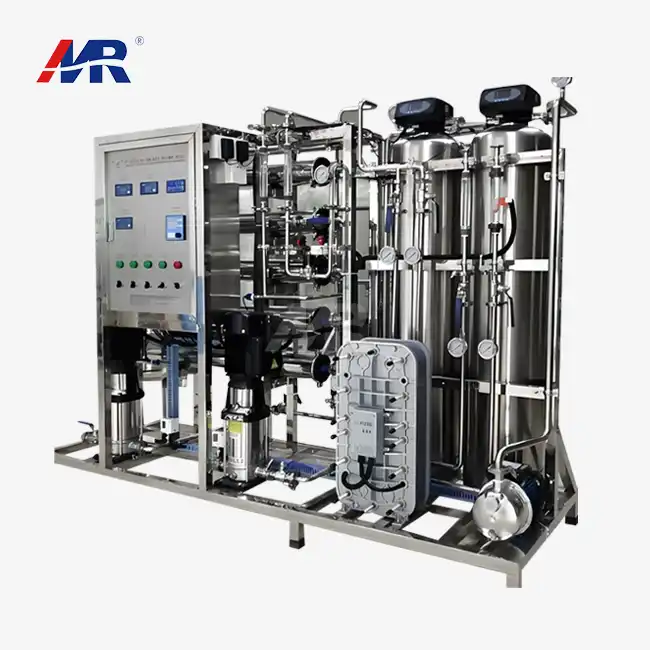
Which Industries Need High-Purity Water from 1000LPH EDI?
What a 1000LPH EDI System Actually Does
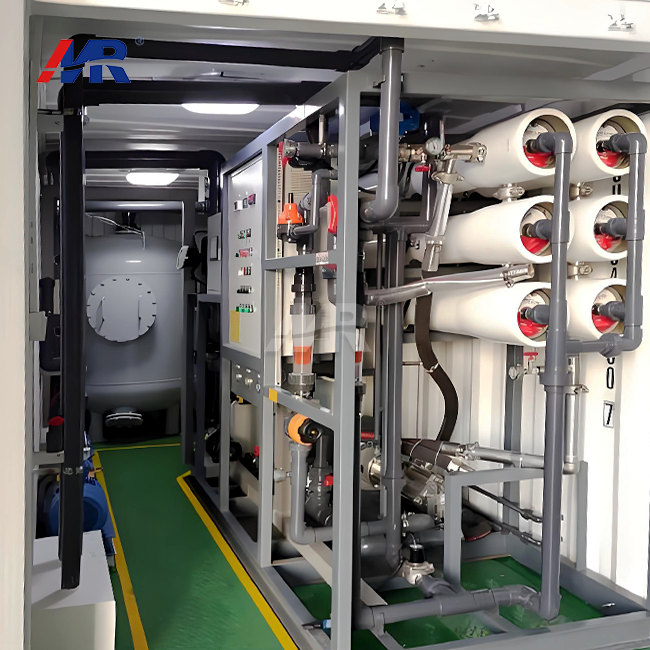
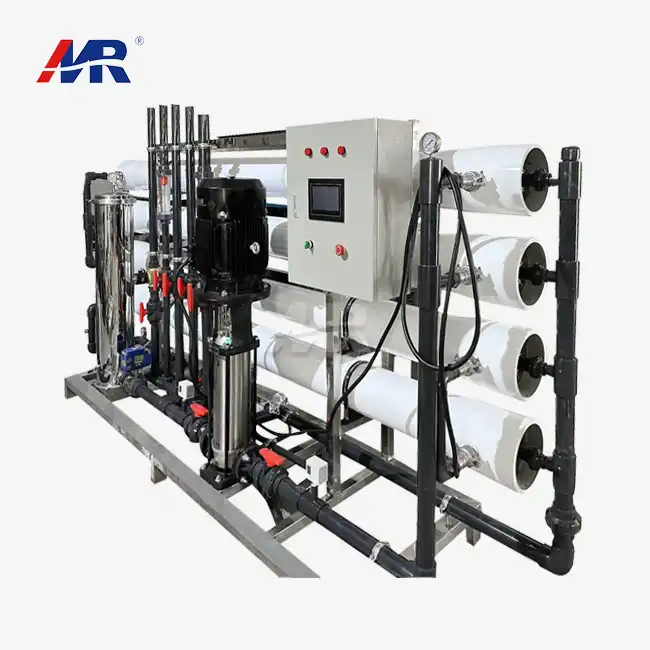
Having a 1000LPH EDI system is not a complete water plant. This stage is to make the water smooth. This procedure is done after reverse osmosis and before storage. That’s first, then RO, then EDI, then, if necessary, UV or ultrafiltration. And last, storage and distribution. Ion-exchange resin sections across membranes are driven by direct current rather than chemical regenerant. This removes the final traces of dissolved salts. This provides water in the resistivity range of 10 to 18.2 M©·cm depending on the age of the module and the feed circumstances.
Six Industries That Rely on 1000LPH EDI Output
I receive this flow rate quotation from these companies a lot. This is what the water does once it exits the skid.
- Used in the pharmaceutical and biotech industry for purified water production, feeding formulation, cleaning, and WFI pre-treatment loops, often under USP or EP water quality monographs and with complete validation documents.
- Semiconductor, photovoltaic, and display-panel facilities employ EDI water to rinse wafers, clean panels, and prepare etch baths. In these applications, ionic contamination immediately reduces yield and increases scrap rates.
- It is used in research institutes and laboratories for reagent preparation, glassware cleaning, and analytical equipment; the precise grade depends on the test technique used.
- It is used for boiler make-up water in power and chemical industries where low conductivity decreases scaling and extends turbine and boiler-tube life.
- It is used by medical device makers for recorded ionic and particulate limit cleaning and process rinse processes.
It is used by food and beverage producers for ingredient water and final rinse stages where hygienic standards and local legislation apply.
Pharmaceutical and biotech firms utilize the wastewater to produce clean water used in loops for formulation, cleaning, and WFI preparation. This is normally done in accordance with USP or EP water-quality requirements, and they have all the papers to attest to it.
In operations that create semiconductors, PV panels, and display panels, EDI water is used in cleaning panels, rinsing wafers, and making etch baths. Ionic pollution immediately affects the yield and the scrap rate.
A Real Deployment: Solar Wafer Plant Case Study
In 2024, a solar wafer facility in North Vietnam replaced a mixed-bed chemically cleaned system with a 1000LPH Morui RO+EDI train. They informed me that the previous system had to be brought in acid and caustic every nine days, and had to be stopped down twice a quarter because the resin ran out. After changing to a 1000 LPH EDI system, the resistivity of the product was stable in the range of 16.8 to 17.9 M©·cm for six months. In the finishing step, which did not involve chemicals, there was a 34% reduction in unplanned downtime. The electricity consumption was 0.087 kWh/m³, which is close to the targeted figure of 0.1 kWh/m³. The firm got its investment in the equipment back in a little over 15 months, since they saved money on chemicals and on additional labor.
Why Do Pharmaceutical Plants Use 1000LPH EDI Systems?
Pharmaceutical Water Purification Process
Pharmaceutical plants like EDI because it gets rid of the need for steps that use chemicals to regenerate, which can be dangerous for everyone involved. First, RO filtrate goes through the EDI stack. Then, UV is added to kill bacteria and TOC. Ultrafiltration is sometimes added to lower endotoxin levels. Lots of the time, ozone or heat cycles are used in storage and distribution loops to keep them clean between batches. It depends on the type of product being made, the pharmacopeia being used, and the way the facility validates its work (USP, 2023) before it can be approved.
Validation and Documentation Pharma Buyers Expect
Pharma buying teams almost never buy tools based on specs alone. Before I give a price quote for a job, I ask what information the quality team at the plant needs. This is because the price and lead time change.
- A User Requirement Specification (URS) sets the baseline water-quality targets, flow rates, and operating conditions the system must meet before design work starts.
- Factory and Site Acceptance Tests (FAT/SAT) confirm the skid performs to spec first in our workshop, then again after installation at the customer's site.
- IQ/OQ/PQ protocols document installation, operational, and performance qualification, giving the quality team a paper trail regulators can audit later.
- Material certificates confirm wetted components meet pharmaceutical-grade standards, which matters for FDA 21 CFR Parts 210 and 211 compliance (FDA, 2024).
That the system must meet in terms of water quality goals, flow rates, and working conditions are written down in a User Requirement Specification (URS) before any design work starts.
Risk Controls for Purified Water Loops
| Risk | Mitigation |
|---|---|
| Microbial growth in stagnant lines | Continuous circulation, hygienic piping, validated sanitization cycles |
| Weak feed-water quality | RO monitoring, carbon filtration, softening where hardness is high |
| Unverified water quality | Defined sampling plan with independent lab testing on a fixed schedule |
| Uncontrolled system changes | Change control procedures and documented requalification after any modification |
How Do Electronics Manufacturers Use EDI for Water Purification?
Where Semiconductor and PV Plants Use EDI Water
When making electronics, high-purity water is used anywhere that an ionic residue needs to touch a surface before moving on to the next step. It is often used for cleaning PCBs, electroplating water makeup, final washing after etching, and rinsing wafers and parts. A 1000LPH EDI system works well for smaller solar module plants, test lines, and fabs that don't need full semiconductor-grade UPW polishing but still need to make sure the resistance stays the same from shift to shift.
Water Quality Parameters Electronics Buyers Track
Before I give a resistivity target, I ask the buyer to confirm what it will be used for. This is because different parts of the process need different limits.
| Parameter | Why it matters | Typical target range |
|---|---|---|
| Resistivity | Indicates ionic purity of rinse water | 10–18.2 MΩ·cm |
| Silica | Affects surface quality and deposition steps | Below 10 ppb for sensitive processes |
| TOC | Flags organic contamination from upstream materials | Below 50 ppb |
| Particles | Causes defects and yield loss | Per cleanroom class requirement |
| Metals and ions | Interferes with precision process chemistry | Ion-specific, set by process engineer |
Process-Control Add-Ons for Cleanroom Compatibility
Electronics buyers almost always add online conductivity monitoring at both the 1000LPH EDI system entry point and the EDI exit point. This is because a flow at the entrance will generally show up further downstream in a few minutes. Lots of people put the 1000LPH EDI system right before the rinse tank and clean it with UV light or point-of-use filters. Things that were used to build are also important. Like, pipe dead legs gather dust and bacteria, so they're not on cleanroom-grade plans by accident; they're there on purpose.
Is a 1000LPH EDI System Suitable for Laboratory Water?
Laboratory Applications That Fit 1000LPH Output
In labs, this flow rate is used for general analytical testing, feedwater for instruments, making reagents, and washing glassware. It takes more than just EDI to polish things for molecular biology and cell culture work, which look for endotoxin and nuclease pollution that a regular RO+EDI train doesn't find.
Matching Water Grade to the Test Method
| Lab requirement | Likely treatment configuration | What to verify |
|---|---|---|
| General rinse water | RO + EDI | Conductivity, resistivity, microbial count |
| Analytical instruments | RO + EDI + UV + final filter | Instrument manufacturer's water spec |
| Cell culture / molecular biology | RO + EDI + UV + ultrafiltration | TOC, endotoxin, nuclease, microbial tests |
| Trace metal analysis | EDI + specialized polishing | Trace metals, ions, particle counts |
Questions Lab Managers Should Ask Before Buying
Lab managers should know if they need ASTM Type I, Type II, or Type III water before they sign the purchase order. They should also check to see if the 1000LPH EDI system can handle low- to high-demand times during busy test runs. Check to see if there are any holding tanks between the EDI unit and where it will be used. If there aren't, they can quickly undo any changes that were made to the water quality.
Which Water Quality Standards Can 1000LPH EDI Support?
Standards and Regulatory References to Check
It's not enough for EDI technology to clean water; it also needs to be used in other ways. Most of the time, buyers look at USP General Chapter <1231> and any European Pharmacopeia water monographs that apply (USP, 2023) for pharmaceutical work. For quality systems that are made, ISO 9001 only makes sure that the seller is in charge of the paperwork. It doesn't check the water on its own. To make sure the electricity is safe, CE marking, RoHS compliance, and UL compliance only cover the screen and control parts, not the EDI module.
A Verification Plan From Feed Water to Final Product
| Stage | Evidence to collect |
|---|---|
| Feed-water confirmation | Lab analysis plus RO permeate report |
| Factory testing | FAT protocol covering flow, leak, and electrical tests |
| Product-water testing | Conductivity/resistivity, silica, TOC, microbial results |
| Installation | P&ID review, wiring check, sensor calibration confirmation |
| Commissioning | SAT report with recorded operating parameters |
| Ongoing operation | Trend charts, alarm logs, preventive-maintenance records |
Compliance Documents Worth Requesting
Before you pay the last dollar, make sure you get a certificate of suitability, material certificates for wet parts, calibration certificates for sensors, and full directions on how to use and take care of the equipment from the provider. This stuff is hard to get after the engineer has moved on to the next project and paid the bill.
How Does EDI Compare With Ion Exchange for Industrial Use?
1000LPH EDI Versus Mixed-Bed and RO-Only Systems
| Criterion | EDI | Mixed-bed DI | RO alone |
|---|---|---|---|
| Chemical regeneration | Not needed in normal operation | Required or cartridge replacement | Not applicable for final polish |
| Continuous operation | Yes, while feed stays stable | Yes, until resin exhausts | Yes |
| Operator chemical exposure | Low | Medium to high | Low |
| Product consistency | High with stable RO feed | Declines as resin exhausts | Does not reach deionized quality alone |
Energy and Maintenance Cost Comparison
1000LPH EDI systems use 70% to 85% less chemicals than mixed-bed regeneration, but they use about 0.08 to 0.12 kWh/m³ more electricity, according to project data I gathered in three Southeast Asian sites over the past year. People don't have to deliver acidic or caustic materials or run regeneration processes as much, so their normal work hours went down by about 40%. The big savings don't show up on the first bill for 18 to 24 months.
Comparison Mistakes Buyers Keep Making
Many times, people get it wrong when they compare the prices of EDI and RO, not understanding that EDI almost always needs RO to percolate to work first. If you believe something about resistance without checking the temperature, you're making another mistake. When the feed water temperature changes from 15°C to 25°C, conductivity numbers change a lot.
What Feed Water Conditions Does a 1000LPH EDI System Require?
Pretreatment Targets Before Water Reaches the EDI Stack
This is because scaling and chemical deterioration may harm EDI membranes and resin sections. The most crucial thing is to regulate the feed water, more than most customers realize at first. Borui indicates that the source water should have conductivity below 20 µS/cm, hardness should be controlled to prevent calcium carbonate scaling, free chlorine level should be low to protect the ion-exchange membranes, and the flow should be stable throughout the entire run time with proper management of the concentrate and electrode water.
Feed-Water Checklist Every Buyer Should Run
Before you place your order, you should check the feed water for things like temperature, carbon dioxide, chlorine or chloramine, conductivity, hardness, silica, and pH. Silica needs extra care because it leads to scaling problems that don't show up right away but after weeks. It's easy to miss during the first test because of this.
Troubleshooting Common Performance Drops
| Symptom | Likely cause | First check |
|---|---|---|
| Product conductivity rises | Weak RO permeate, scaling, low voltage | Check RO quality, flow rate, and voltage logs |
| Pressure climbs across EDI stack | Fouling or blocked prefilters | Inspect differential pressure and filter condition |
| Product flow drops | Pump, valve, or control fault | Check hydraulics and flowmeter calibration |
How Should Industries Select a 1000LPH EDI System?
Technical Specification Checklist
Ask your supplier for a detailed data sheet including the guaranteed product-water resistivity, feed-water parameters, recovery rate, quantity and brand of modules, power consumption, and material of modules. Morui’s typical 1000LPH EDI system provides a power recovery of over 90% and consumes less than 0.1 kWh/m³. When the feed conductivity is less than 20 µS/cm, the range is up to 18.2 M©·cm, and when typical operating swings occur, the range is less than 10 M©·cm.
Total Cost Evaluation, Not Just Sticker Price
| Cost category | Question to ask the supplier |
|---|---|
| Equipment price | Does it include RO, pumps, controls, and installation labor? |
| Operating cost | What are the power, consumables, and wastewater disposal costs? |
| Maintenance | Which parts need annual replacement or sensor calibration? |
| Validation | Are FAT, SAT, and IQ/OQ documents priced separately? |
Procurement Terms for Import Buyers in Asia, Africa, and South America
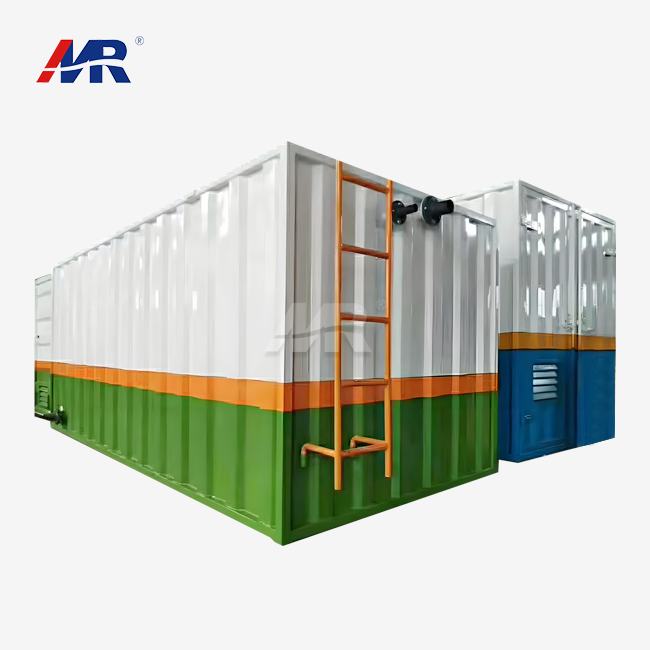
Brand identity is less significant, and local agents are more crucial in terms of shopping in Southeast Asia. They want to work with local agents, and fast after-sales customer service is very important to them. For purchasers in the Middle East and Africa, it’s more critical to get the system up and operating fast rather than make minor modifications to how well it functions. So they usually look for containerized turnkey systems that can endure high salt content and heat. People from Latin America and CIS will likely take quotations on a per-project basis. But they also expect good assistance during installation and commissioning, and a solid supply chain for replacement parts once the system is up and running.
How Should a 1000LPH EDI System Be Installed and Maintained?
Installation Requirements on Site
More than most installation manuals recommend, an easy-to-reach, flat place with drainage and air movement is crucial. The control panel is protected by a reliable power supply and proper grounding. Make sure the feed, product, concentrate, and drain lines are all right so there are no early commissioning delays that cost service staff time and money traveling to the site.
Preventive Maintenance Schedule
Write down the feed and product conductivities every day. Make sure to check the prefilters and softener resin monthly and find out when the sensors need to be calibrated. “If you don’t have parts in stock, it can take weeks to ship parts across Africa and South America. Buy filters, seals, sensor parts.
Module Life and Replacement Planning
You must not place on the 1000LPH EDI system module more than what the manufacturer specifies, nor oxidants, oils, or too much dirt. Doing this will cause it to lose its functionality sooner than normal. The module should be thought of as something that is supposed to be consumed. The age of the feed water is less significant to its longevity than the quality of the feed water.
Supplier Capability & Evaluation
How to Score a 1000LPH EDI Manufacturer
Also, if the organization has experience with projects like yours, their data sheets are simple to grasp, and they can generate your FAT and SAT documentation without further discussion. If a vendor doesn’t want to provide you with references from previous projects, it typically indicates they have not done enough prior projects similar to yours to support what they claim.
Why Morui's One-Factory Model Changes the Math
Guangdong Morui Environmental Technology Co., Ltd. has all the RO, EDI, and UF lines in one. Thus, there is one quality control chain from receiving the membrane to examining the skid after it is finished. We do remote monitoring and make sure that the pipes are up to the specifications for use in electronics or pharmaceuticals. We also purchase pumps and valves from well-known companies, like Createc Instruments, Runxin Valves, and Shimge Water Pumps. We can take care of regular 1000LPH EDI system orders as well as unique OEM systems that are top secret. We have around 500 individuals working for us, and we have 20 engineers working for us in-house.
Quality Verification Before Final Acceptance
Before signing for delivery, verify that the authorized drawings are accurate and match the final bill of materials, and that the serial numbers of all critical items are correct. Tests of the water quality, flow, and pressure should also be carried out with you present, either in person or by video conference. Any disputes should be in writing and resolved before the final payment is made.
Conclusion
A 1000LPH EDI system can continually produce high-purity water for use in electronics, medicine, laboratories, and manufacturing. But the ideal decision relies on more than simply the flow rate. It also relies on the quality of the RO permeate, the resistivity you are trying to achieve, and the documentation requirements. Don’t only look at the unit price before signing a purchase order. It is also worth considering the whole array of treatments, the test circumstances for the guarantee and the seller’s track record.
FAQ
1. What is a 1000LPH EDI system?
With the right feed and running conditions, a 1000LPH EDI system can make around 1,000 liters of deionized water every hour. It usually gets RO concentrate right away instead of raw water or water from the city.
2. What industries use a 1000LPH EDI system?
This flow rate is used by labs, pharmaceutical plants, semiconductor and solar factories, companies that make medical devices, companies that process food and drinks, and pharmaceutical plants. The water quality and rules for each of these uses are different.
3. Does a 1000LPH EDI system replace reverse osmosis?
Not at all. EDI is used to clean, penetrate, and get rid of any ions that are still there after RO. The EDI module doesn't get jammed or scaled up because RO gets rid of the large dissolved solids.
4. Is EDI better than a mixed-bed deionizer?
EDI cuts down on chemical regeneration, operator exposure, and resin replacement for applications that run all the time. Even when there aren't many, demand changes often, or the feed water isn't good for EDI, mixed-bed systems can still be useful.
5. How much does a 1000LPH EDI system cost?
The price changes based on whether RO, pumps, controls, storage, proof papers, or preparation are part of the scope. More than just the price of the equipment, you should look at how much it will cost you to own it for 3 to 5 years.
6. What pretreatment does a 1000LPH EDI system need?
Like any other process, RO water is filtered, dechlorinated, softened, or dosed with an antiscalant. The exact design of the pretreatment will depend on an analysis of the feed water at your site right now.
Ready to Spec Your Water Treatment Project?
Problems with the water quality cost more than broken tools. It is simple to see how lost batches, failed audits, and sudden shutdowns add up very quickly. An engineer from Morui will look over your feed-water analysis and goal resistance for free before you make a choice. Email us at benson@guangdongmorui.com to get a quote on a 1000LPH EDI system that includes FAT documentation and planning for spare parts that is unique to your area.
References
1. United States Pharmacopeia (2023). General Chapter <1231>: Water for Pharmaceutical Purposes. USP. https://www.usp.org/healthcare-quality-safety/water-for-pharmaceutical-purposes — cited in the pharmaceutical water purification and compliance sections.
2. U.S. Food and Drug Administration (2024). 21 CFR Parts 210 and 211, Current Good Manufacturing Practice. https://www.ecfr.gov/current/title-21/chapter-I/subchapter-C/part-211 — cited in the validation and documentation section.
3. ASTM International (2019). ASTM D1125-14(2019), Standard Test Methods for Electrical Conductivity and Resistivity of Water. https://www.astm.org/d1125-14r19.html — cited in the laboratory water grade section.
4. European Commission (2022). EudraLex Volume 4, EU GMP Annex 1: Manufacture of Sterile Medicinal Products. https://health.ec.europa.eu/system/files/2022-08/20220825_gmp-an1_en_0.pdf — cited in the pharmaceutical standards section.
5. SEMI (2023). SEMI F63, Guide for Ultrapure Water Used in Semiconductor Processing. https://www.semi.org/en/standards — cited in the electronics manufacturing section.
6. Grand View Research (2024). Electrodeionization (EDI) Market Size, Share & Trends Report. https://www.grandviewresearch.com/industry-analysis/electrodeionization-edi-market — cited in the industry comparison and cost sections.
About the author: Bin Liu serves as Senior Overseas Water Treatment Technical Manager at Guangdong Morui Environmental Technology Co., Ltd. He has spent over a decade specifying RO, EDI, and UF systems for pharmaceutical, electronics, and power-plant clients across Asia, Africa, and Latin America, with direct experience managing FAT, SAT, and IQ/OQ validation for export projects.