DTRO Elements: What Affects Membrane Life and Performance?
membrane">DTRO Elements last longer and perform better when feedwater quality, pretreatment, pressure, recovery, temperature, cleaning, and monitoring stay under control. No single factor decides membrane life. Leachate with heavy solids, hardness, or oil fouls a membrane quickly, while steady pressure, sensible recovery, and timely cleaning slow that damage. At Morui, we see the same pattern in landfill projects: stable operation comes from the whole treatment train, not from the membrane alone. This guide explains each factor in plain terms and shows where our MR-DTRO-40TD fits landfill leachate duty.
What Are DTRO Elements and How Do They Work?
How the Disc-and-Tube Design Works
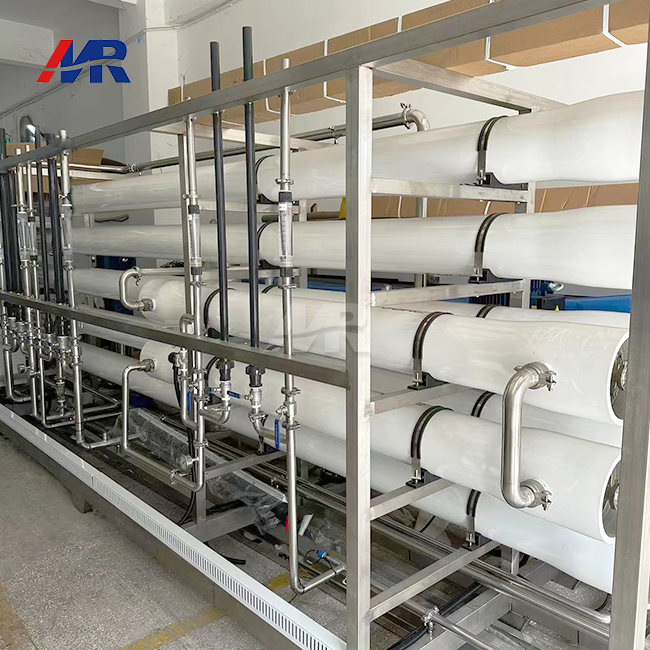
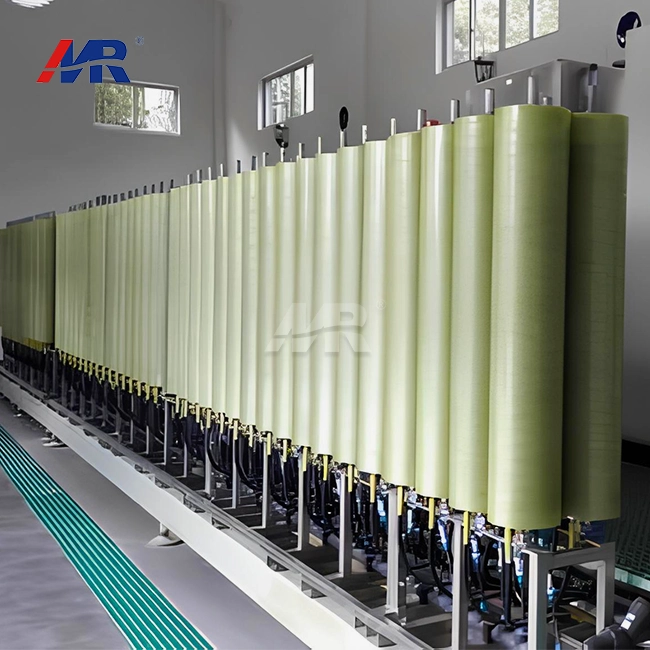
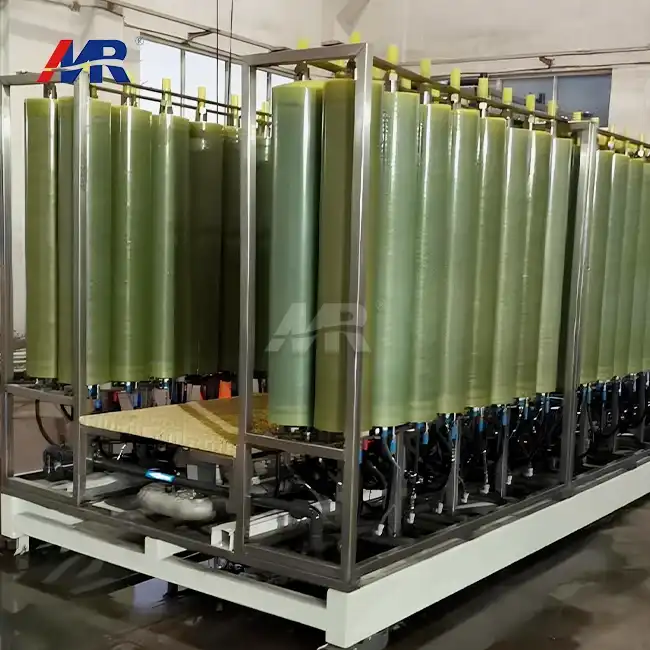
When DTRO Elements are used, membrane cushions and hydraulic guide disks are stacked on top of each other on a central tension rod. After that, the stack is put inside a pressure tube. Feed water runs between the rings along a short, open path. The barrier stands between the concentrate and the permeate. The salts, organics, and heavy metals stay in the concentrate. That part of the system that can be changed is called a DTRO element. Because it was made in Germany for leachate from landfills, it can handle dirty water better than many other modules.
How DTRO Compares With Spiral-Wound and Plate-and-Frame Systems
Because its feed holes are small, this type of RO works best with clean, steady water. If solids and organics levels are high, they can get plugged up. You can handle runoff and high-strength industrial wastewater better with DTRO Elements because it has bigger, open openings and stronger flow. This also makes it easier to clean. Plate-and-frame systems can also work with solids, but they have different ways of replacing parts, sizes, and strengths. When we talk about their choices with them, clients are asked to keep the same feedwater, temperature, pressure, recovery, and barrier area. To keep things fair, this is done. Not only the price, but also how often it needs to be cleaned, how much power it uses, and how much it costs to replace are very important.
Why Pressure and Recovery Need Careful Selection
A lot of buyers believe that more pressure and rebound always lead to better outcomes. They don't. It takes more energy for the system to work when the concentrate is saltier because osmotic pressure goes up as salinity goes up. It gets clogged with scaling salts and foulants when recovery is pushed too far. What makes the best setting depend on the permeate targets, temperature, salinity, and condition of the membrane? Some of the water it rescues is lost, but not too much. This is a good mix for the MR-DTRO-40TD in waste leachate service.
The Main Factors That Affect DTRO Membrane Life
Feedwater Chemistry and Pretreatment
Leachate changes based on the time of year, the amount of rain, and how old the trash is. Spilling and scaling happen more quickly when the amounts of hardness, oil, biological matter, heavy metals, and suspended solids change. When the water is cleaned well, limits are set for turbidity, SDI, oil, hardness, and temperature before it gets to the barrier. Just getting one sample is not enough, according to a review article from 2008 in the Journal of Hazardous Materials. The make-up of leachate changes a lot depending on how old the site is and the weather. Take samples at different times of the year, if you can. For the DTRO Elements to work, the COD level must be less than 25,000. This means that the stronger feed must be dropped first upstream.
Pressure, Temperature, and Recovery
It's safe for seals and membranes to be in pressure when it stays the same. We like a controlled ramp-up when you first start up because quick spikes can stress the stack and cause leaks. Temperature can also change flow. Less permeate is released when the pressure stays the same when the water is cold. Both of these things work together to help people get better. When recovery is higher, the concentrate close to the membrane gets saltier, which makes scaling more likely. These three things need to be kept an eye on together so that workers can tell if a drop in flow is due to fouling or warmer water. This keeps you from having to clean up after yourself.
Cleaning Chemistry and Mechanical Integrity
The flow goes back only when the chemical meets the foulant. It is said that acid cleansers get rid of mineral scale and alkaline cleansers break up organic and biological buildup. It could hurt the membrane layers, seals, or housings if you use the wrong chemical, strength, or temperature. It's also important to look at the mechanical state. If the O-rings are worn out, the tension rods are loose, or the hydraulic balance is off, there will be leaks and bad flow distribution. Write down how to clean the system, keep track of how much flow comes back after each clean, and every time you change an element, check the seals and connectors.
How to Choose and Maintain DTRO Elements
Match the Element to the Wastewater and the System
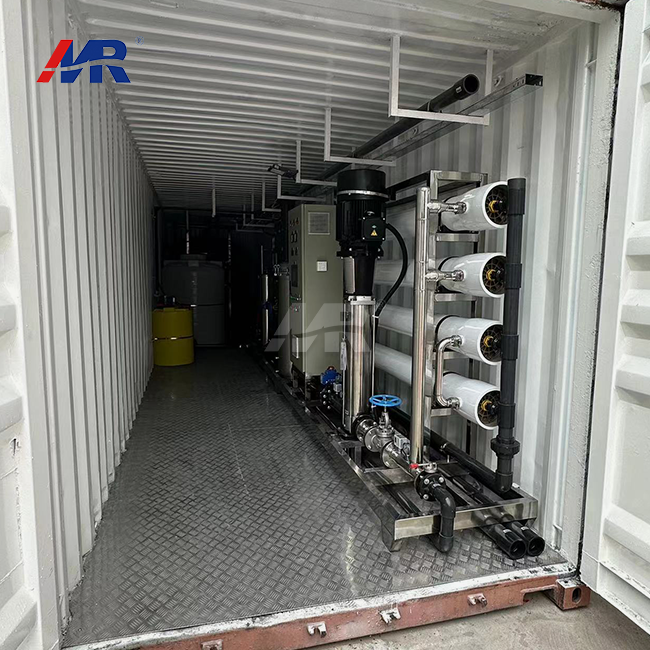
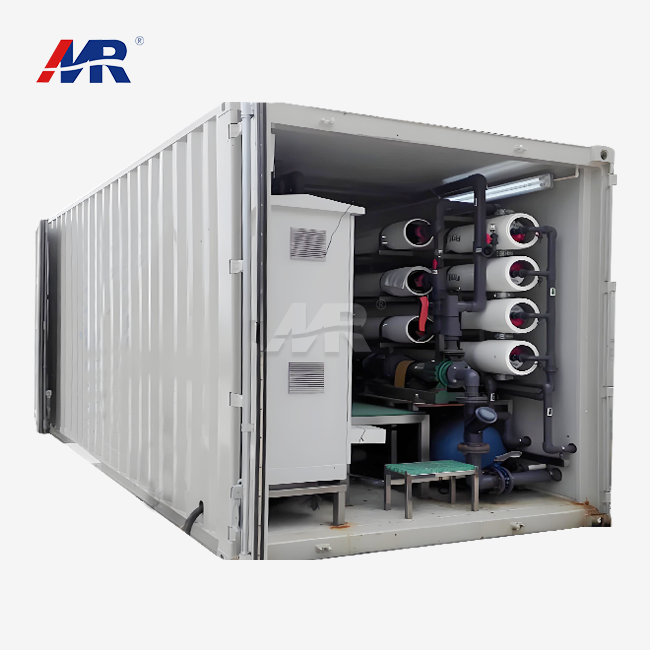
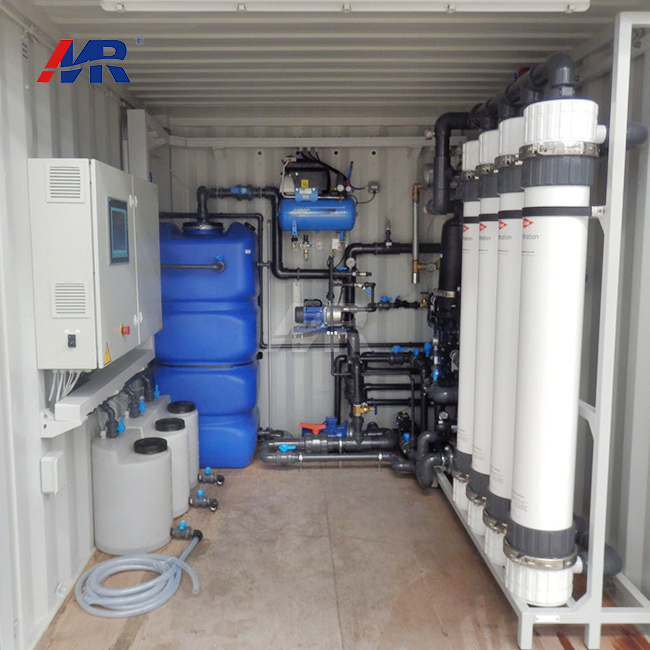
Start by finding out where the wastewater comes from, how it flows, how much it changes, what the permeate goal is, how the concentrate will be disposed of, and what the legal limits are. Then, match the normal flow and peak flow to the membrane area, element size, number, and connection details. Its job is to clean waste from dumps with the MR-DTRO-40TD. It takes in 32 kW of power, reuses 50–70% of the water, and keeps the COD level below 25,000. Please let us know right away if your runoff has more COD than that. The way the process was set up could change the answer. Please ask any supplier for drawings, checks to make sure they will work with your system, and data from real feedwater that shows how well DTRO Elements work.
Build a Commissioning Baseline and Track Normalized Data
When the system is turned on for the first time, write down the temperature, conductivity, salt rejection, feed and concentrate pressure, difference pressure, recovery, and flow rate. Because raw flow changes with the weather, real trends show what's going on. Clean up when normalized flow goes down, differential pressure goes up, rejection goes down, or energy use goes up. Don't wait for a hard failure. Controlled processes for starting up, stopping, and cleaning should be used to keep damage from pressure shock and leachate that doesn't move to a minimum. This routine is built into our DTRO Elements systems by Morui so that it can be watched from afar.
Mistakes That Shorten Element Life
There are four mistakes that keep happening. When people only look at the unit price, they choose what to buy, but they end up paying more on cleaning and energy. Designers only look at average pollution numbers and miss the seasonal high points. Scaling happens because operators set the bar too high for recovery. The problem keeps coming back when teams move parts around without checking the pretreatment, pressure, or cleaning. You can avoid all of them. If you add a new part to a problem that hasn't changed, it will still fail the same way, so it saves money to do a root-cause review first.
Buying DTRO Elements From a Manufacturer or Supplier
Standard or Custom Elements
Standard DTRO Elements are used on a regular basis, fit known system sizes, and work well when conditions are stable. If you need custom parts for housings that aren't standard, wastewater with strange chemicals, OEM integration, or places where installation is limited, you can get them. You can talk to our engineers about either choice because Morui has its own factory that makes membranes. We plan preparation, the DTRO core, and concentrate handling all at the same time for full projects, putting them all in Cases. Companies that do EPC work and people who own trash cans can use this method to have one team clean the whole train.
What to Prepare Before Asking for a Quotation
For a quick and correct quote, you need facts. Please get the most up-to-date model and drawings, as well as the type of membrane, its size, working pressure, flow rate, connection information, shipping address, and phone number. Things like conductivity, hardness, dissolved solids, temperature range, and COD are the most important parts of a full wastewater study. We compare those numbers to the limits set by MR-DTRO-40TD before we say anything. Say if you are going to do a pilot test in the first message. It can save a lot of time and questions to send this information ahead of time.
How to Judge a Supplier
The company's history of making things, its ways of making sure the quality is good, its expert help, its pilot tests, its packing, its spare parts, and its guarantee terms should all be looked at. For projects in the U.S., also ask the supplier what datasheets, material specifications, inspection reports, and compliance records they can give you for the end user. A third-party sewage test report should be asked for if the project needs it. Along with its more than 14 offices, Morui has more than 500 workers and 20 engineers. This helps you keep track of projects and plan spare parts. You shouldn't use different assumptions or test settings when comparing providers.
Conclusion
DTRO Elements are affected by many things that change how they work and how long they last. It's not just the membrane. The chemical and preparation of the feedwater determine the fouling load. How hard the membrane works is based on the pressure, temperature, and recovery. If performance can be recovered, cleaning chemistry and mechanical state will show it. A starting point with normalized tracking will show early signs of decline. Because it has more open pathways, DTRO Elements works better with leachate and high-strength wastewater than spiral-wound and plate-and-frame choices. Not only the unit price should be thought about when making a decision, but also the supplier's paperwork, cleaning schedules, energy use, and the cost of replacement. By not replacing things that don't need to be replaced and recovering too much, service life is extended.
FAQ
1. How long do DTRO elements last?
That one number doesn't work in every case. How well the DTRO Elements is used, the temperature, the pressure, the recovery, the quality of the feedwater, and how it is cleaned can all affect how long it lasts. Keep an eye on the difference pressure, conductivity, flow rate, and rejection over time. Dates don't show how your parts really are; trends do.
2. Can the MR-DTRO-40TD treat any landfill leachate?
No, it's made for dump runoff with a COD amount less than 25,000 and a 50–70% recovery rate. There are still pilot tests and a plan for how to handle concentrates that need to be made before the final design can be made.
3. What should I send for a quotation?
In addition to the working pressure, flow rate, amount, and where you want the delivery to go, you should also send your wastewater analysis. We'll see if the parts you need can work with the ones we already have, or if you need some that aren't on our list.
Contact Morui for DTRO Elements and the MR-DTRO-40TD
Are you going to throw away the old ones or order new ones? The company Morui sells DTRO Elements and has its own membrane factory. Before giving you a quote, engineers look over your wastewater data. To find out more, send an email to benson@guangdongmorui.com with your shipping address, waste analysis, and element model. We'll get back to you with a clear idea after making sure they work together.
References
1. Journal of Hazardous Materials (2008). Renou et al., "Landfill leachate treatment: Review and opportunity."
2. Desalination (1998). Peters, "Purification of landfill leachate with reverse osmosis and nanofiltration."
3. Bioresource Technology (2012). Guo, Ngo, and Li, "A mini-review on membrane fouling."
4. Membrane Technology and Applications, Wiley (2012). Baker.
5. Angewandte Chemie International Edition (2015). Fane, Wang, and Hu, "Synthetic membranes for water purification: Status and future."
6. AWWA Manual M46, Reverse Osmosis and Nanofiltration (2007). American Water Works Association.