



Reverse Osmosis Purification vs Ion Exchange for Boiler Feed Water
Reverse osmosis purification suits boiler feed water best when the source water carries high dissolved solids, because membrane separation removes most salts without regeneration chemicals. Ion exchange suits low-TDS water where hardness is the main problem, and it reaches very low conductivity through demineralization and mixed-bed polishing. Neither technology wins in every plant. High-pressure boilers often need both: RO first to cut the ionic load, then ion exchange or EDI to polish. The right choice depends on feed water analysis, boiler pressure, steam purity targets, wastewater limits, and total operating cost.
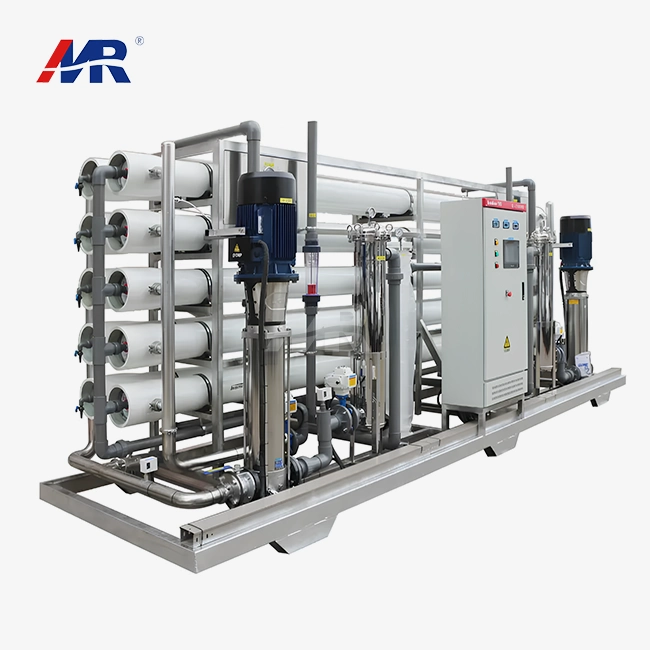
How Each Treatment Method Works
How Reverse Osmosis Purification Treats Boiler Feed Water?
In reverse osmosis purification, water is pushed through a filter that only lets certain things through with pressure. After this, there are acids, calcium, and a lot of organics left over. Screening for plaque and dosing of antiscalant are the first parts of a normal train. Then, a high-pressure pump brings fluid into the membrane tubes. The turn-off goes somewhere else, and the saturate goes to the makeup tank. It depends on the temperature, recovery, pressure, state of the membrane, and chemicals in the feed feed on how well it works.
Reverse osmosis purification is good at getting rid of gasses like carbon dioxide that are concentrated with water, but many plants add a degasifier or deaerator to make the water even better. It is not always ready to be used in high-pressure boilers after EDI or ion exchange has been used to clean reverse osmosis permeate.
How Ion Exchange Treats Boiler Feed Water?
As water flows through resin beds, it trades ions that aren't wanted for ones that are. We call this ion exchange. This scale stops in a sodium-cycle cleaner when the magnesium and calcium are switched out for sodium. If you mix cation resin and anion resin, most of the ions in the water will be gone. The water is cleaned in mixed-bed units so that it doesn't conduct electricity very well. When the service, backwash, renewal, and rinse are over, each bed is clean. Acid and alkaline are used to remove minerals, and salt brine is used to smooth water. In other words, drugs need to be put away and trash needs to be cleaned up. That being said, resin can't get rid of oil, bacteria, and floating solids. If they cover the beads, though, resin might not be able to hold them together.
Softening Treatment Protects Both Systems?
They both fail quickly if they are used without first being treated. Bleach or other oxidants should not be used to clean either ion exchange resin or polyamide reverse osmosis purification screens. A lot of dirt and grit stick to the walls of screens and resin beads, making them dirty. They can't do as much and are less useful because of this. Filtering for multimedia, activated carbon, and capsule filters are some of the steps that are often used to get ready. I believe you should fully test the water feed before you start planning. This is why the prep train often tells us if a system is clean or needs to be cleaned all the time.
Performance and Cost Differences
Contaminant Removal, Waste, and Boiler Impact
In reverse osmosis purification water, there are not nearly as many dissolved solids as in ion exchange water. Ion exchange water might not be a good way for electricity to flow. When the make-up water is better, the concentration of the boiler water goes down. This means the plant doesn't need as much blowdown. What the U.S. Department of Energy says is that between 4% and 8% of the flow of feedwater is lost.
This number goes up when there are more solids in the makeup water. That means you don't need as many chemicals, water, and electricity. These two kinds of systems are very different from one another. Reverse osmosis purification is the other type. For example, ion exchange lowers TDS and salt levels across a wide range, controls hardness, and has very low conductivity. It doesn't need to be renewed because the membranes are cleaned regularly.
- Waste Stream: wastewater that is concentrated or used to make new wastewater.
- Main Energy Use: HPU or LPU.
The water study, not the name of the tech, should be used to make the plan, as shown in the table.
Capital and Operating Costs
The cost of ion exchange might be less than reverse osmosis purification if the water flow and TDS are both low. To do reverse osmosis purification, you need a high-pressure pump, tools, and membrane vessels. It costs more to run a business. Reverse osmosis purification has to pay for things like clean membranes, power, antiscalant, cartridge filters, and getting rid of the concentrate. It costs a lot of money to trade ions for things like salt, acid, caustic, clean water, new resin, and remove the charge.
When the feed TDS goes up, the bills for fuel and chemicals also go up. This could help reverse osmosis purification win more often. You should look at more than just the price, in my opinion. To fully understand the cost of owning something, you should think about its flow, working hours, energy costs, staff, replacement cycles, and the chance of downtime.
Matching Technology to Application
Ion exchange softeners work to make water with a low TDS less hard. A lot of business steam systems use them. Reverse osmosis purification can handle both salty and high-TDS feed water. It also saves toxins that are used to grow new plants. People in the food and drink, pharmaceutical, chemical, textile, and utility industries often use reverse osmosis purification to clean when they need to meet very strict steam purity goals. A degasifremovess often used after reverse osmosis purification, and then EDI or mixed-bed cleaning is done. Boilers that only need a small amount of steam can run on reverse osmosis purification and chemical treatment on their own. The end goals are set by the boiler maker and the ASME for the quality of the feedwater.
Selection, Maintenance, and Morui Support
Water Data to Collect Before You Choose
To find out about temperature, conductivity, hardness, alkalinity, silica, chloride, sulfate, iron, manganese, TOC, turbidity, pH, and iron, you should run the test in a lab. Next, make a plan for the boiler's stressed level, heat loss, working hours, feed temperature, and the quality of the steam it makes. Next, the floor space, flow rate, peak demand, and wastewater limits must be set. These include the services that can be used. More than one test should be done on the source water every season, because one test could be wrong. It's also a good idea to have copies. It always has steam because there are two types of softeners, an extra pump, or more than one reverse osmosis purification train.
Installation, Checks, and Troubleshooting
Every reverse osmosis purification skid needs a steady flow of water, a way for the concentrate to drain, a way to add doses, and a way to take off the membrane. Ion exchange units need a place to keep chemicals, a drain to fix them, air flow, and a way to clean up any spills. For each shift, they need to keep track of the toughness, flow, leaks, and alarms. Most of the time, a high permeate conductivity means that the membrane or seal is broken. If resin wears off quickly, it airflow is getting dirty, coming into contact with oxidants, or not renewing fully. This mostly takes place when the filters in the pump or pills are old. While you're at it, check the chemical and water feed to see if the scale stays in the burner.
Morui MR-BWRO-10TH and Our Support
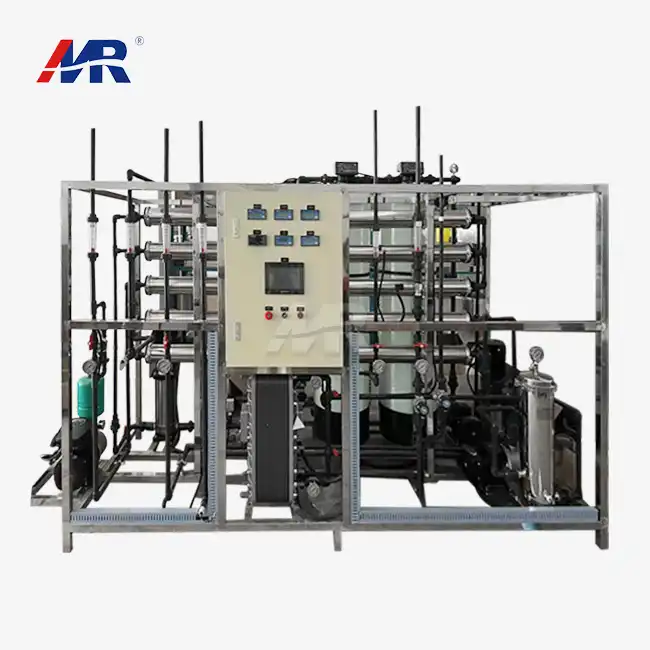
Our list has a water maker called the MR-BWRO-10TH that you can take with you. That's 98% of the salt out of the water with 15 kW of power. That leaves 55–65% of it. This type, a different one, or a reverse osmosis purification plus cleaning train can all give you pure steam. I check your water analysis to make sure before I do the boiler feed job. It is run by our group, and we also sell Createc instruments, Runxin valves, and Shimge pumps. Out of the 500 people who work at the fourteen branches, twenty engineers set up and run the machines.
Conclusion
Reverse osmosis purification and ion exchange both clean boilers of scale, rust, and other gunk, but they do it in different ways. It can handle water with a high TDS because it doesn't use any chemicals and gets rid of most of the dissolved solids. Ion exchange can make water less hard and less conductive by adding salt, acid, or caustic. It can also turn used water back into used water. You should think about how much it costs to run the machine, buy chemicals, do the work, wait for it to end, and change membranes or glue when you compare prices. Both depend on how well the first fix works. A lot of the time, high-preusablee boilers need reverse osmosis purification first and then cleaning. Before making your choice, you should think about how much everything costs, the boiler's goals for pressure and steam purity, and a clean water test. It's not about which tech looks better.
FAQ
Q1: Can RO replace ion exchange for boiler feed water?
A: Sometimes. The reverse osmosis purification extract can be used in a low-pressure boiler as long as it doesn't go over the boiler maker's rules. Most of the time, high-pressure boilers need EDI, ion exchange, or mixed-bed cleaning after reverse osmosis purification.
Q2: What pretreatment does an RO system need?
A: Most of the time, systems need to filter, dechlorinate, and add the right amount of antiscalants. You might need to do more for iron, manganese, and organics.
Q3: How often do membranes and resin need replacement?
A: So there isn't a single number that works for all of them. It depends on the type of feed, how it is made, how often it is cleaned, and how the plant is run. It's time to switch medias if the hardness leaks, conductivity, or pressure drop all look like they are going in the same direction.
Q4: What do you need for a custom quotation?
A: As well as the quality of the water you want, the utilities, the wastewater limits, the media's conditions, a,nd your automation needs, please send an analysis of the raw water.
Request a Custom Reverse Osmosis Purification Solution from Morui
Morui has its own membrane business, and Shimge and Runxin trust it as a source. It also makes things that clean water through reverse osmosis purification. Reverse osmosis purification can clean the water that goes into boilers. To find a company that can do this, email benson@guangdongmorui.com with your grade goal, boiler volume, and water equipment analysis. To clean your spot, you can pick between reverse osmosis purification, ion exchange, or a mix of the two.
References
1. Consensus on Operating Practices for the Control of Feedwater and Boiler Water Quality in Modern Industrial Boilers, ASME, 1994
2. Improving Steam System Performance: A Sourcebook for Industry, U.S. Department of Energy, 2012
3. The Nalco Water Handbook, 2009
4. MWH's Water Treatment: Principles and Design, 2012
5. Reverse Osmosis: Industrial Processes and Applications, 2015
6. Water Treatment Handbook, Degrémont Suez, 2007
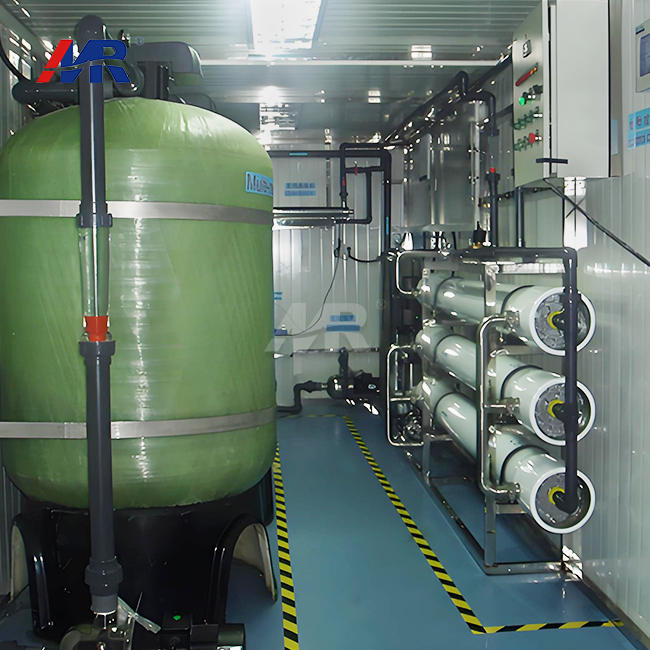 VIEW MOREContainerized Mobile Water Treatment Systems
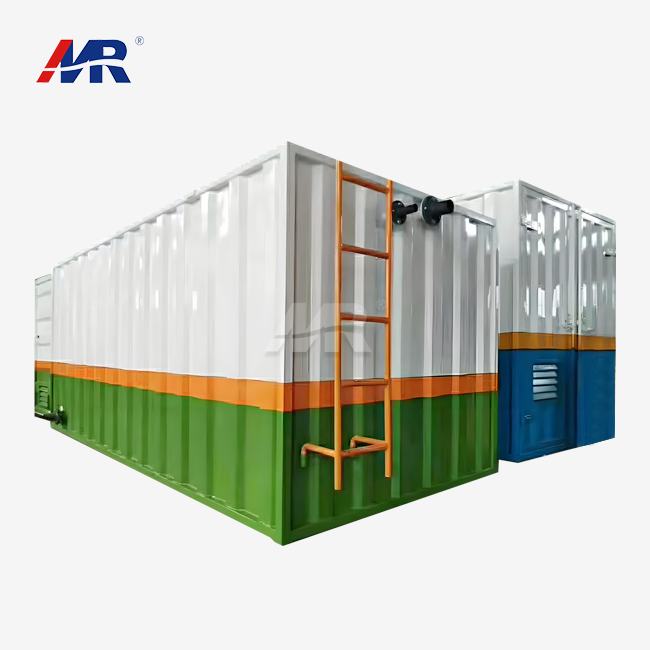 VIEW MOREindustrial sewage treatment plant
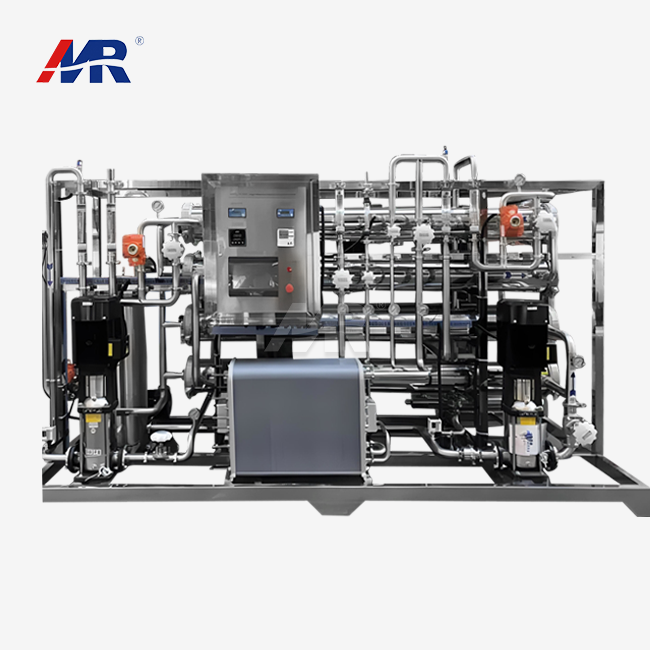 VIEW MOREelectro deionizer system
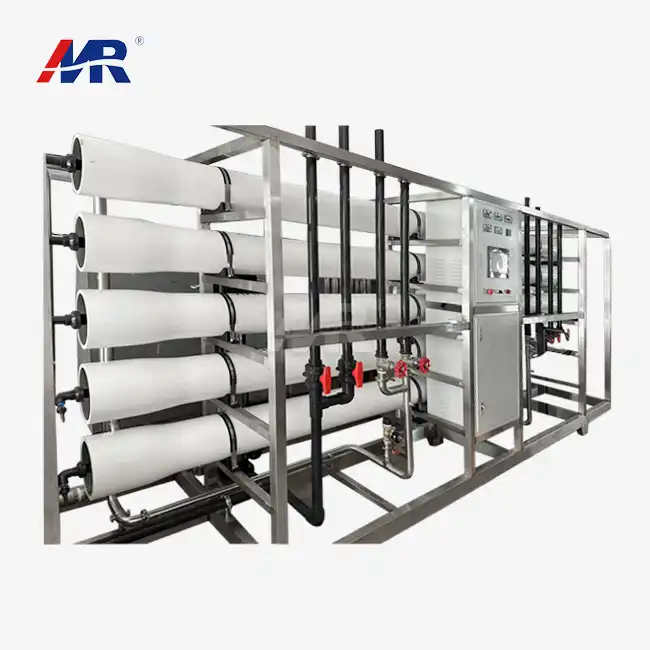 VIEW MORE25m3/hour reverse osmosis equipment
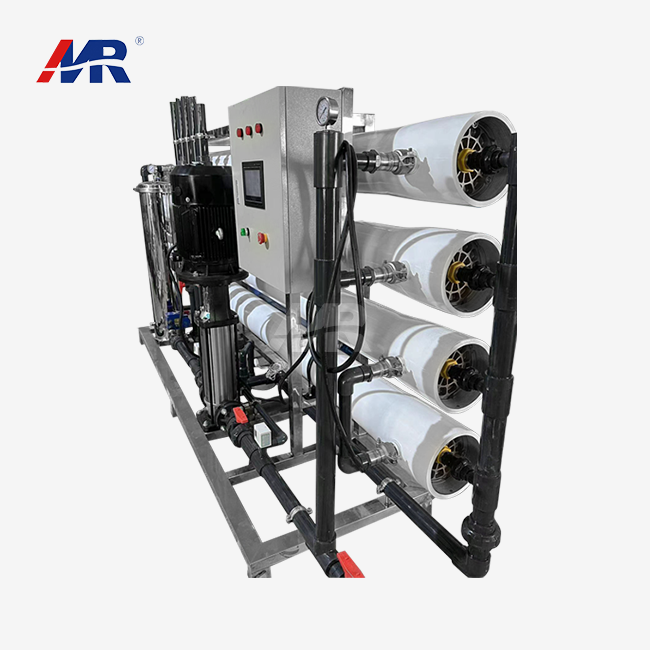 VIEW MOREunder counter reverse osmosis water system
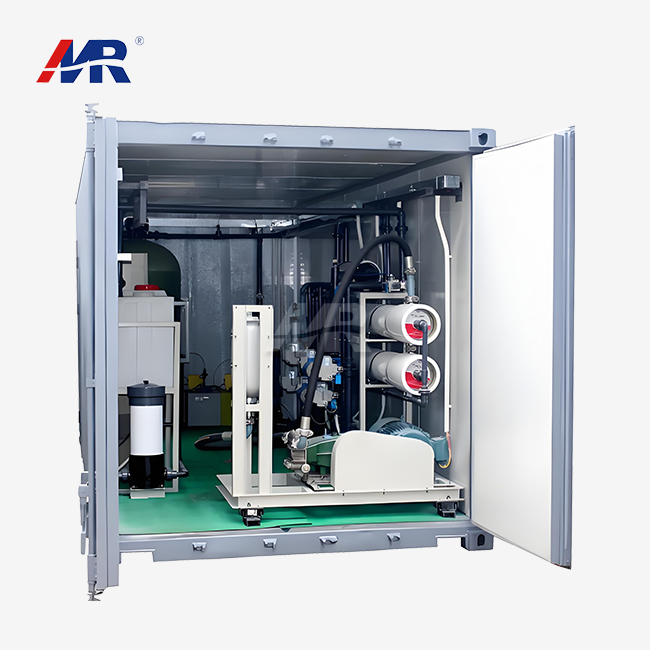 VIEW MOREcontainerized UF+RO system
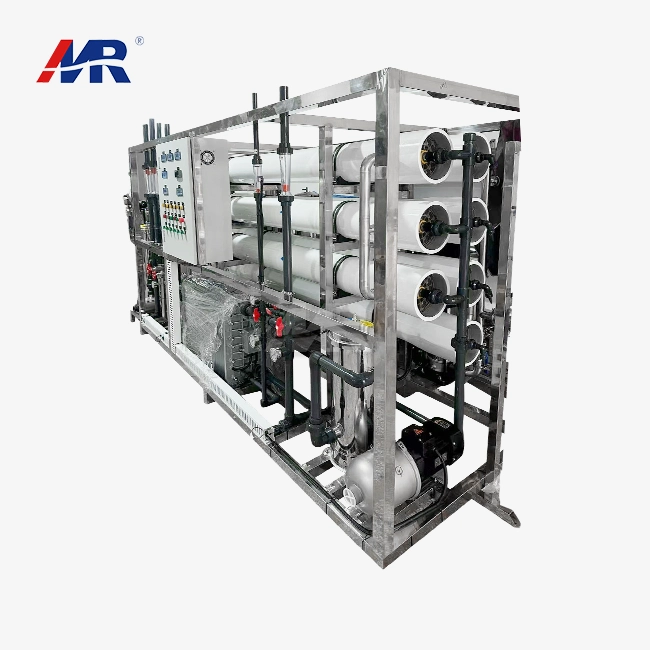 VIEW MOREedi module water treatment
 VIEW MOREedi water purification system