_1745823981883.webp)

Getting to Know Membrane Bioreactors in Wastewater Treatment
If you work in wastewater management, municipal engineering, or industrial facility operations, you have likely heard more about membrane bioreactor (MBR) technology in recent years. A membrane bioreactor system combines biological treatment with membrane filtration to produce clean, reusable effluent from raw sewage or industrial wastewater. It has become a preferred choice for engineers and project owners who need reliable treatment results in tight spaces. This guide walks you through how MBR works, how it compares to older methods, what to look for when buying, and why Morui's MR-MBR-30 might be the right fit for your next project.
Understanding Membrane Bioreactor Systems
How the Biology Works
Raw sewage is put into a bioreactor, which is full of microorganisms that break down organic pollutants. For these bacteria, biochemical oxygen demand (BOD) and chemical oxygen demand (COD) are food. They break down waste into water, carbon dioxide, and biomass. It works at a higher mixed liquor suspended solids (MLSS) level, usually between 8,000 and 12,000 mg/L. The process is similar to regular activated sludge treatment. With less fuel in the tank, this speeds up the breakdown process.
How the Membrane Separation Works
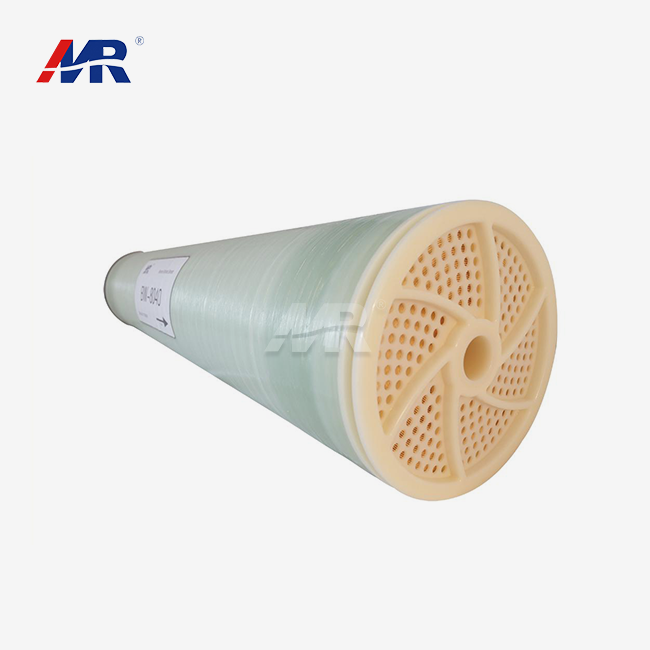
If you use gravity to remove the gunk from the clean extract, an MBR would do that for you. Instead, it uses a membrane inside or outside that is submerged in water to do this. Morui's MR-MBR-30 has hollow-fiber membranes made of polyvinylidene fluoride (PVDF) with pores that are 0.2 µm in size. Solids in suspension, bacteria, and most protozoa are stopped at that pore size. This makes wastewater that always meets the rules for being reused or released, so there's no need for a third step to polish it.
Key Operational Parameters
There are three things that are most important for daily work. Just make sure that the permeate flow (the amount of water that passes through a square meter of membrane every hour) stays in a good range. This will keep the membrane from getting clogged up too fast. Second, the sludge retention time (SRT) should be kept long (15–30 days) to make sure the population of microbes stays fixed and grows to its full size. Third, there should be more than 2 mg/L of dissolved oxygen (DO) in the aeration zone so that living things can survive and the membrane surface stays clean with big bubbles.
Advantages and Honest Challenges
There are a lot of good things about MBR technology. For example, the turbidity of the wastewater is less than 1 NTU, there is no sludge bulking, it is up to 50% smaller than CAS systems, and it runs completely automatically while being monitored from away using a PLC. The real issues are that the membrane bioreactor system gets dirty over time, and it takes more energy to aerate than when clarification is based on gravity. With the right flux design, regular chemical cleaning (CIP), and backwashing every once in a while, both can be taken care of. Buying teams can make more reasonable O&M budgets when they know about these trade-offs ahead of time.
Comparing Membrane Bioreactor Systems with Conventional Alternatives
MBR vs. Conventional Activated Sludge (CAS)
Most of the time, CAS is used to clean up pollution all over the world. It's simple and doesn't cost much, but it needs big clarifier tanks, and filamentous bacteria can make the sludge stick together. An MBR doesn't have a clarifier, so there is no chance of sludge growing. Many CAS plants have 20 to 30 mg/L of total suspended solids (TSS) in their wastewater. What about an MBR? It usually has less than 5 mg/L of TSS, which means it can be used right away again.
MBR vs. Sequencing Batch Reactor (SBR)
This is how SBR systems clean wastewater: they fill a tank, let it react, let it settle, and then pour it out. While they can handle changing flows pretty well, the settling phase is very important for the quality of the effluent, and the fact that they only work sometimes can make it harder to reuse later on. Even if the influent changes, an MBR will keep the permeate stream going. This is important for places like factories that dump water in a jumbled way or neighborhoods where the water flow is highest in the morning and evening.
Lifecycle Cost Perspective
An MBR usually needs 10–20% more money up front than a CAS plant of the same size. Usually, that gap is covered in three to five years because of savings on land, lower costs for getting rid of sludge, and less need for people (thanks to technology). There was a study in 2019 by the Water Research Foundation that compared MBR and CAS lifetime costs. The study looked at projects where land was worth more than $500,000 an acre or where recycled water was used to cover the cost of buying fresh water. For US project owners who have to deal with strict NPDES permit limits, that math keeps getting better.
Key Design Principles and Operation Best Practices
Choosing the Right Membrane Specification
What the membrane is made of directly affects how long it lasts and how well it fights chemicals. PVDF membranes, like the ones in the MR-MBR-30, don't react with chlorine-based cleaners, and they keep their mechanical strength even after being backwashed thousands of times. Pore size is chosen based on what the waste needs. Most municipal and industrial wastewater goes through 0.2 µm microfiltration, but when more viruses need to be removed, it's better to use tighter UF rates.
Aeration System Design
Aeration does two things at once: it gives living things air and cleans the membrane bioreactor system surface by having rising bubbles do this. Right below the membrane sections are diffusers that have big bubbles in them. Fine-bubble diffusers work in the organic zone. The ratio is one of the most important design choices for membrane scrubbing. It is usually between 10 and 20 m³ of air per m³ of infiltrate. This ratio changes both the quality of the treatment and the cost of the energy.
Fouling Prevention and Maintenance
Slowly, membranes get clogged, but this can be stopped with a planned repair routine. As much as 1.5 times the working flow is used for backwash processes that last 8 to 15 minutes. When the suction is turned off for a short time during the weekly sleep phases, cake layers that have been put down can come off on their own. Every three months, sodium hypochlorite and citric acid are used in CIP procedures to make membranes permeable again. The MR-MBR-30 module is 30 m² in size and 2,000 mm long. It's simple to change inside the bioreactor, so there's no need to drain it all.
Procurement Considerations for Membrane Bioreactor Systems
Evaluating Supplier Capabilities
Some well-known brands in the MBR market are Kubota, GE Water, SUEZ, Evoqua, and Parkson. There are also skilled Asian manufacturers in this market. Make sure that when you compare different suppliers, they have test reports on the quality of the effluent, information on membrane flux from at least 12 months of operation, and references from projects that were similar to yours in terms of these factors. For US buyers, make sure the equipment has the right approvals, such as NSF, UL, or water-contact approvals. For projects that will be exported at the same time, ask the seller for CE paperwork.
Total Cost of Ownership
You can compare things by price per daily cubic meter of capacity, but that doesn't tell you everything. Because of the cost, you should think about these things before you buy: Length of membrane and cost of replacement—With normal use and care, a good PVDF membrane should last between 5 and 10 years.
- Membrane life and replacement cost — Quality PVDF membranes typically last 5–10 years under normal operating conditions and maintenance schedules.
- Energy consumption — Expect 0.3–0.8 kWh/m³ for submerged MBR systems; request actual operating data, not theoretical estimates.
- Spare parts availability — Confirm lead times for replacement membrane modules, blowers, and control components, particularly for remote or island project sites.
- After-sales support — On-site commissioning, operator training, and remote diagnostics should be written into the supply contract.
Availability of extra parts: Find out how long it will take to get new control parts, fans, and membrane modules, especially for project sites that are too far away or on islands.
There should be "after-sales support" as part of the supply deal. This includes setting up the machine on-site, teaching the operator, and fixing problems from afar.
Morui's MR-MBR-30 at a Glance
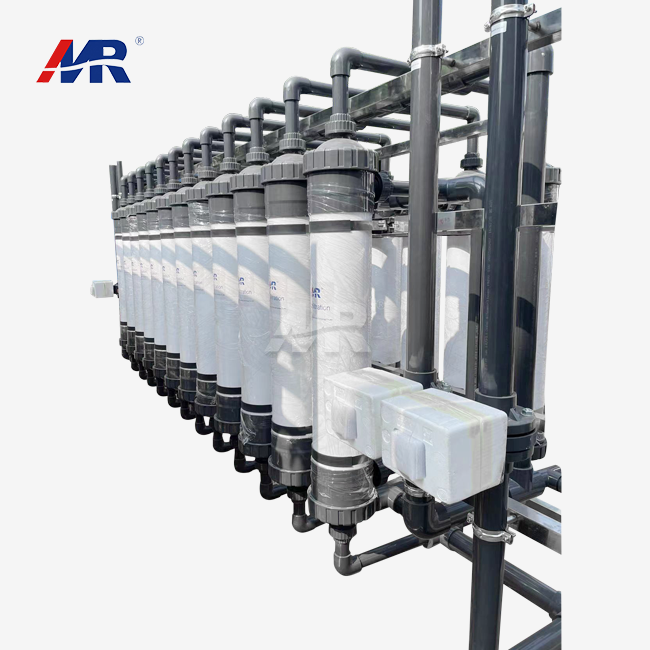
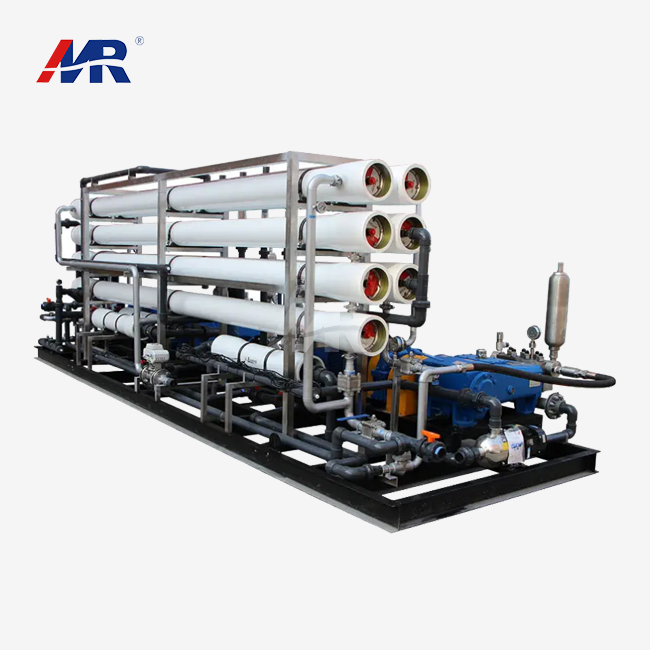
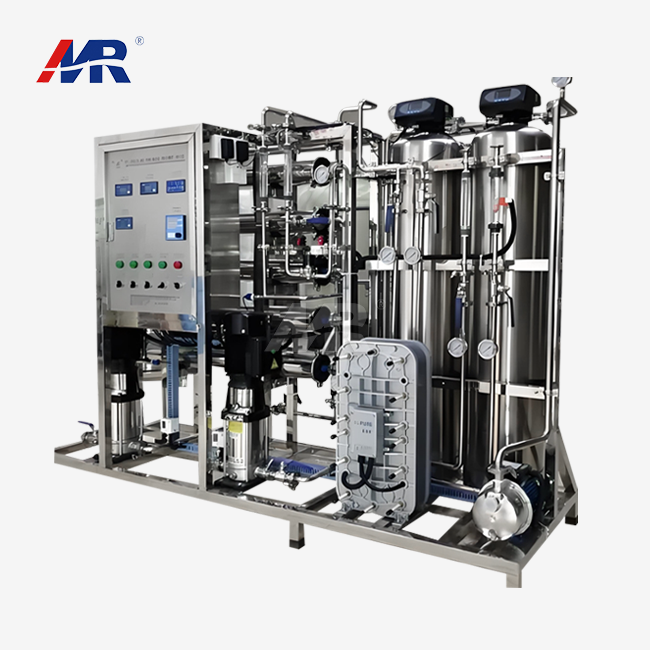
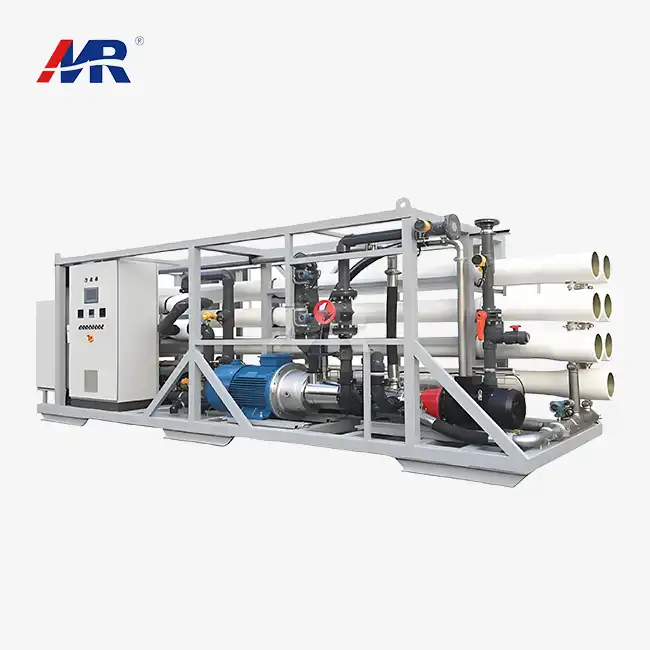
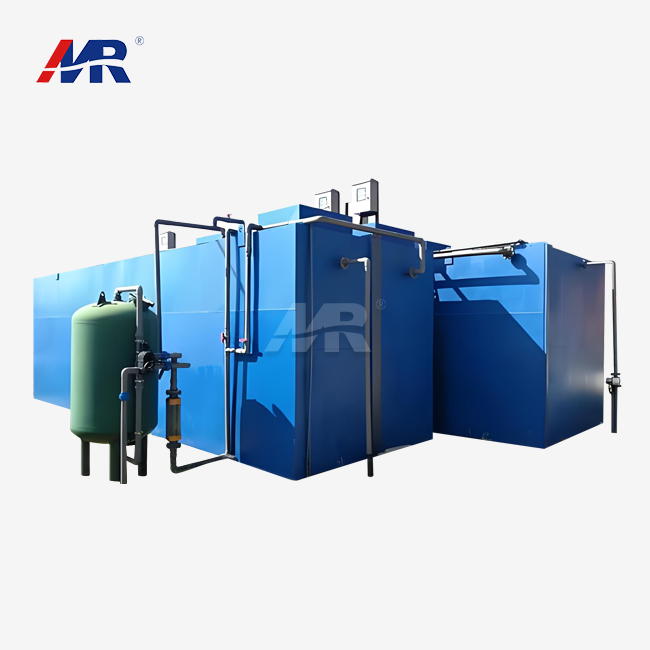
As a standard combined unit, the MR-MBR-30 is made by Morui. It can ship right away from stock or be set up in underground, above-ground, or containerized forms for different projects. It is 2,000 × 1,250 × 30 mm thick, covers 30 m², and has pores that are 0.2 µm wide. It's made in Morui's own membrane plant, so users know it's good and can easily order more every year. Staff don't have to be on-site as much with PLC-based automation and possible remote O&M tracking. This is great for decentralized sites, scenic places, and short-term building projects.
Conclusion
Following the latest rules for effluent in a small, automated package is easy and safe with a membrane bioreactor system. Aside from Sewage Treatment Plants and sewage treatment plants for cities, the technology can be used in emergency mobile units and island villages in the middle of nowhere. People who buy things are smarter when they consider more than just the price per unit. They should think about how long the membrane will last, how much energy it uses, how well the supplier supports them, and how much it costs to own everything. US engineers and project owners who want to see proof of performance and quick technical help should choose Morui as a source. The company has a lot of experience with both manufacturing and projects.
FAQ
1. What types of wastewater can an MBR treat?
Homes, food processing plants, textile mills, aquaculture, and most other organic industrial streams can all use MBR systems to clean up their wastewater. Most of the time, they aren't the best choice for streams that are very salty or have a lot of metals on their own.
2. How often do MBR membranes need replacement?
PVDF membranes like the ones in the MR-MBR-30 should last between 5 and 10 years before they need to be changed. This is if you backwash and clean them with CIP often.
3. Can MBR systems scale up to large municipal plants?
It is possible to make MBR technology bigger by adding more membrane modules and bioreactors at the same time. Municipal plants that handle hundreds of thousands of gallons of water every day often use MBR designs.
4. What is the main cause of membrane fouling, and how is it managed?
When solids build up on the membrane's surface, this is called fouling. As long as the membrane is in use, it should be backwashed, aerated with coarse bubbles, and cleaned with chemicals every three months to keep the fouling rate within acceptable limits.
5. Does Morui offer OEM or custom configurations?
Yes, Morui does OEM/ODM work. This includes making tanks and containers to order, putting private labels on them, and giving them full PLC control packages that can be monitored from afar.
Ready to Source a Dependable Membrane Bioreactor System Supplier?
Morui provides verified performance data, makes membrane bioreactor systems in-house, and helps with the whole project, from planning to start-up. Our engineers are ready to help you right away, whether you need a simple MR-MBR-30 unit or a biological treatment package that is made just for you. You can also email benson@guangdongmorui.com with your influent data and flow needs to get a quick price that is tailored to your project.
References
1. Water Research Foundation. Membrane Bioreactor Technology: Cost and Performance. Water Research Foundation, 2019.
2. Judd, S. The MBR Book: Principles and Applications of Membrane Bioreactors for Water and Wastewater Treatment. Elsevier, 2011.
3. Crittenden, J. C., et al. MWH's Water Treatment: Principles and Design. 3rd ed., Wiley, 2012.
4. Meng, F., et al. "Membrane Fouling in Membrane Bioreactors: A Review." Water Research, 2017.
5. Liao, B. Q., Kraemer, J. T., & Bagley, D. M. "Anaerobic Membrane Bioreactors: Applications and Research Directions." Critical Reviews in Environmental Science and Technology, 2006.
6. US Environmental Protection Agency. Membrane Bioreactors: Wastewater Treatment Technology Fact Sheet. EPA, 2007.